
Warm up for soccer: jog, open the hips, wake the groin, then sprint
Published October 24, 2026
A solid warm up for soccer runs about 15 minutes: 5 minutes of easy jogging with high knees and butt kicks, 4 minutes of leg swings, walkouts and ankle circles, 2 minutes of Copenhagen planks and side leg raises for the groin and hips, then 4 minutes of ladder footwork, skater hops and three or four sprints that build to full speed. Move to ball work only after the sprints, so your first long pass and first sprint are not cold.
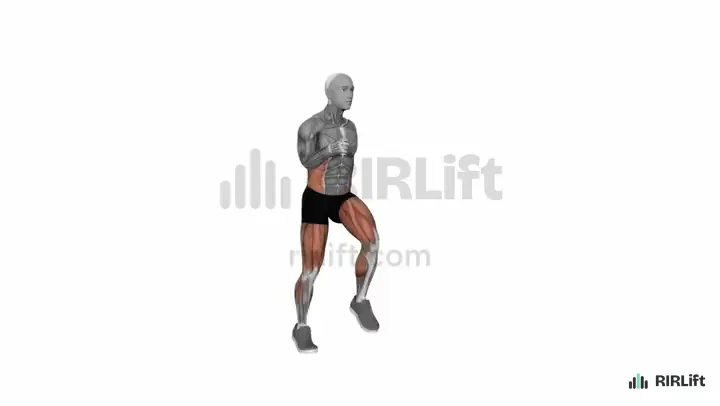
- Running Quads, Hamstrings, Calves
- High Knees Quads
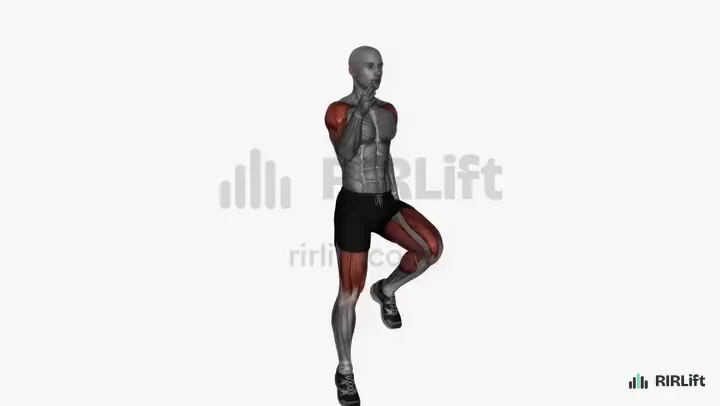
- Leg Swings Hamstrings, Glutes
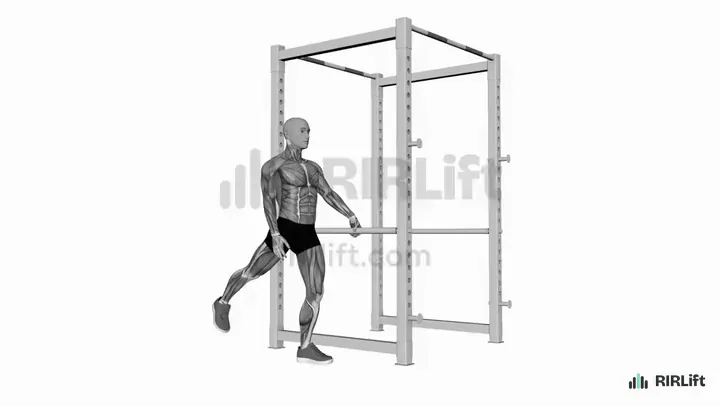
- Walkout Abs, Shoulders, Chest
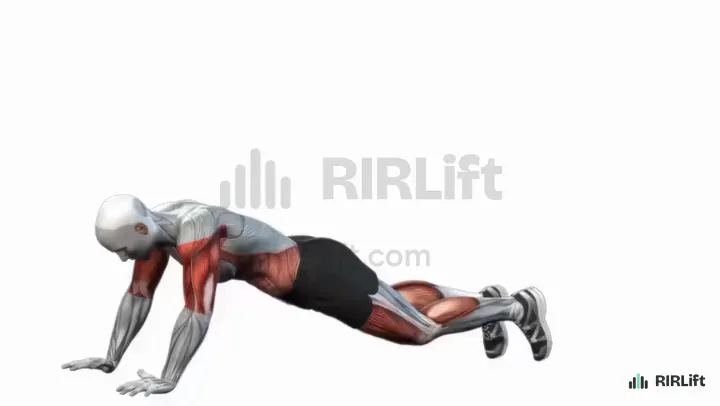
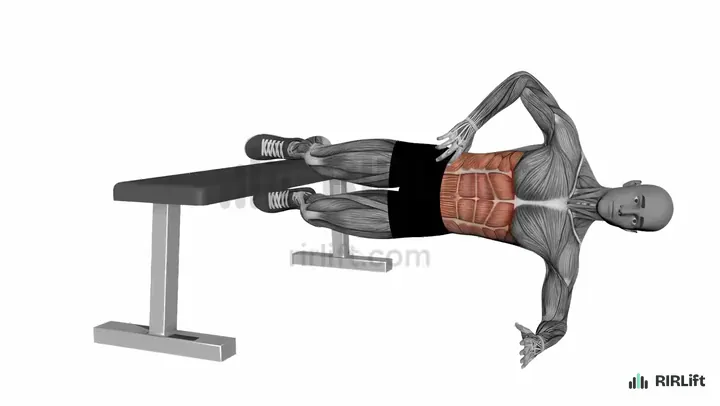
- Copenhagen Plank Adductors, Abs
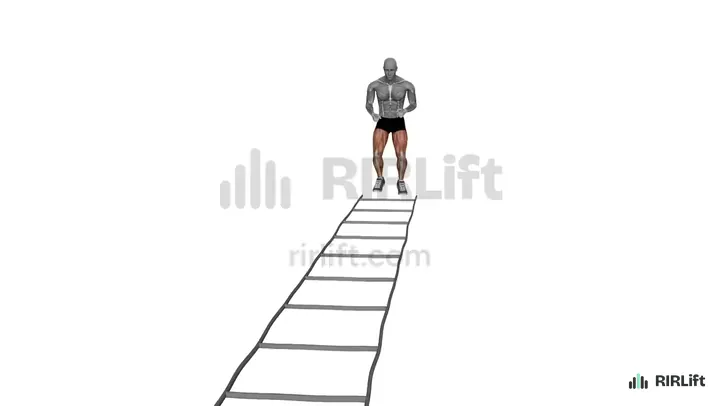
- Agility Ladder Drill Calves, Quads
- Skater Hop Glutes, Quads, Abductors

Put them together: example sessions
Each session below picks from the exercises above for one situation, with the sets, reps, rest and RIR filled in. Open one in the session builder to change a pick, price it from a recent set, and add it to RIRLift.
-
Session 1
Match day, before kickoff
You play a full match and have 15 to 20 minutes on the field before the ball comes out.
1× a week · 17 sets a week · ~20 min
-
Session 2
Training session with the team
You train two or three nights a week and the coach gives you a few minutes to get ready before drills.
2× a week · 24 sets a week · ~15 min
-
Session 3
Cold or wet evening
It is under 50 degrees, raining, or late and you feel stiff walking onto the field.
1× a week · 17 sets a week · ~20 min
Session 1
Match day, before kickoff
- Workouts1× a week
- Working sets17 a week
- Per workout~20 min
- EquipmentBodyweight
You play a full match and have 15 to 20 minutes on the field before the ball comes out.
The order follows the page: jog, mobility, groin and hip activation, then speed. Everything before the sprints stays at 3 to 5 reps in reserve so it warms you without tiring you. The sprints climb in steps, so you reach full speed in time for the first long run of the game.
| Exercise | Sets × reps | RIR | Rest |
|---|---|---|---|
| RunningSeconds. Easy jog, then build. | 5 × 60 | 5 | 0 s |
| High KneesSeconds. | 1 × 20 | 4 | 10 s |
| Butt KicksSeconds. | 1 × 20 | 4 | 10 s |
| Leg SwingsPer leg. | 1 × 10 | 5 | 0 s |
| Walkout | 1 × 4 | 4 | 0 s |
| Ankle CirclesPer direction, each foot. | 1 × 10 | 5 | 0 s |
| Copenhagen PlankSeconds per side. Knee on the bench is fine. | 1 × 20 | 3 | 15 s |
| Standing Side Leg RaisePer leg. | 1 × 10 | 4 | 15 s |
| Agility Ladder DrillPasses. Fast on the second. | 2 × 1 | 3 | 20 s |
| Skater HopPer side. | 2 × 6 | 3 | 20 s |
| Single-Leg JumpPer leg. | 1 × 3 | 3 | 20 s |
- How to run it
- Start 25 to 30 minutes before kickoff. Run the routine without stopping, then go into your team's passing and shooting drills.
- How to progress
- Stay with the same warm-up every match. If the first ten minutes feel sluggish, add one more sprint at 90 percent at the end.
Session 2
Training session with the team
- Workouts2× a week
- Working sets24 a week
- Per workout~15 min
- EquipmentBodyweight
You train two or three nights a week and the coach gives you a few minutes to get ready before drills.
Before training, you can drop the sprints because the first drills bring you up to speed, and spend that time on the groin and hip work that soccer players most often skip. The Copenhagen plank gets a second set here because training days are where that muscle gets built, at 2 to 3 reps in reserve.
| Exercise | Sets × reps | RIR | Rest |
|---|---|---|---|
| RunningSeconds. | 3 × 60 | 5 | 0 s |
| Butt KicksSeconds. | 1 × 20 | 4 | 10 s |
| Leg SwingsPer leg. | 1 × 10 | 5 | 0 s |
| Walkout | 1 × 5 | 4 | 0 s |
| Copenhagen PlankSeconds per side. | 2 × 15–30 | 2 | 20 s |
| Standing Side Leg RaisePer leg. | 2 × 10 | 3 | 15 s |
| Agility Ladder DrillPasses. | 2 × 1 | 3 | 20 s |
- How to run it
- Arrive ten minutes early and run it on the touchline. If the coach starts with a rondo, you are already warm.
- How to progress
- Each week add 5 seconds to the Copenhagen hold until you reach 30 seconds per side, then move to the harder foot-on-bench version.
Session 3
Cold or wet evening
- Workouts1× a week
- Working sets17 a week
- Per workout~20 min
- EquipmentBodyweight
It is under 50 degrees, raining, or late and you feel stiff walking onto the field.
On cold days muscles take longer to warm up, so the jogging block is longer and the hip work happens before the jog speeds up. The speed work is trimmed to ladder passes and skater hops so you finish hot rather than cooling off waiting for long sprints.
| Exercise | Sets × reps | RIR | Rest |
|---|---|---|---|
| RunningSeconds. Start very easy. | 7 × 60 | 5 | 0 s |
| High KneesSeconds. | 2 × 15 | 4 | 10 s |
| Leg SwingsPer leg. | 1 × 12 | 5 | 0 s |
| Ankle CirclesPer direction, each foot. | 1 × 10 | 5 | 0 s |
| Standing Side Leg RaisePer leg. | 1 × 10 | 4 | 10 s |
| Agility Ladder DrillPasses. | 3 × 1 | 3 | 15 s |
| Skater HopPer side. | 2 × 6 | 3 | 15 s |
- How to run it
- Keep a layer on through the jog and leg swings, take it off for the primers. Keep moving between blocks.
- How to progress
- If it is still cold at kickoff, keep jogging lightly at the touchline until your first touch.
Make it fit you
-
No ladder
Lay out cones, sticks, or use the lines of the box. The pattern is what matters, not the equipment.
-
Goalkeeper
Swap the single-leg hops for two-footed jumps and add a few dives on each side at half pace, then full pace, after the skater hops.
-
Coming back from a break
Keep sprints at 70 to 80 percent for the first two weeks back and add the 90 percent rep once you feel quick again.
-
Gym days in the week
On strength days, log the Copenhagen hold and your lifts with reps in reserve in RIRLift; it uses that number to set the next session's load, so lifting stays out of the way of your matches.
-
Youth team
Turn the speed primers into tag or a short relay. The order, warm-up, mobility, activation, speed, stays the same.
Questions
How do soccer players warm up before a game?
Most follow the same order: a few minutes of jogging, dynamic moves for the hips and hamstrings, some activation for the groin and glutes, then quick feet and sprints that build to full speed, before finishing with ball work.
How long should a soccer warm-up be?
About 15 to 20 minutes before ball work. Less than ten minutes rarely gets you to full sprint speed; much more than 25 starts to eat into the energy you need for the match.
What are good dynamic warm-up exercises for soccer?
High knees, butt kicks, leg swings, walkouts, skater hops and short sprints. They warm the legs through the same movements as running, kicking and cutting.
Why do soccer players do the Copenhagen plank?
It works the inner thigh, which pulls the leg across for passing and tackling and does a lot of work in cutting. A short hold before a match switches it on; longer sets on training days build it.
How do soccer players stay warm on the bench?
Keep a layer on, and every 10 to 15 minutes do a minute of jogging, high knees and leg swings. Before you come on, run two or three short sprints at rising speed.
Should you stretch before playing soccer?
Use moving drills before the match and keep the long static holds for afterward.
Related templates
-
Exercises for soccer players: speed, strength and durable legs
The strength and power work that goes around training and matches.
-
Warm up for sprints: build from a jog to full speed
A deeper speed warm-up for sprint training days.
-
Dynamic stretches for legs, grouped by the part of the leg they move
More moving options for the hips, hamstrings and calves.
-
Warm up exercises for football: from stretch lines to first-step speed
The American football version, built around stance and contact.
-
How to use reps in reserve (RIR)
How to judge the reps-in-reserve targets in these plans.