
Cardio exercises for weight loss, and the lifting that goes with them
Published October 29, 2026
The best cardio exercises for weight loss are brisk and incline walking, the stationary bike, elliptical, rowing machine and stair climber, and, if your joints are happy with it, running, jump rope and air bike intervals. Choose the one you will do most often: 150 to 300 minutes a week of cardio, mostly at a pace you could talk through with one or two harder interval sessions, burns the most over a month. Add two or three strength sessions with squats, hinges, push-ups and rows so more of the weight you lose comes from fat and less from muscle.
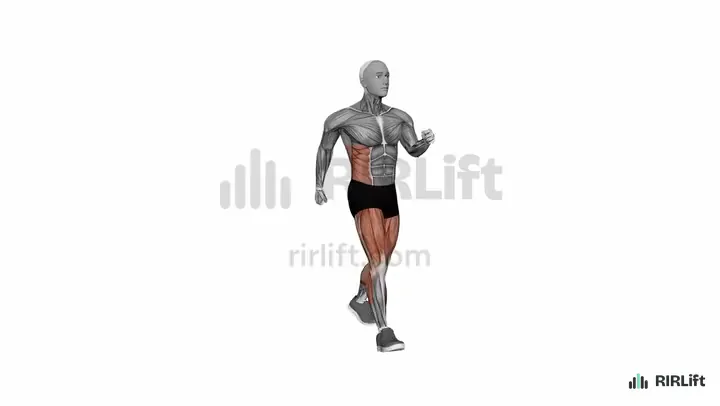
- Brisk Walk Quads, Hamstrings, Glutes, Calves
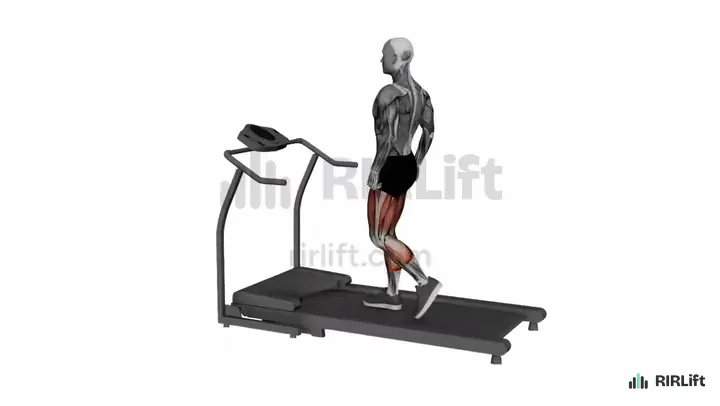
- Treadmill Walk Quads, Glutes, Calves
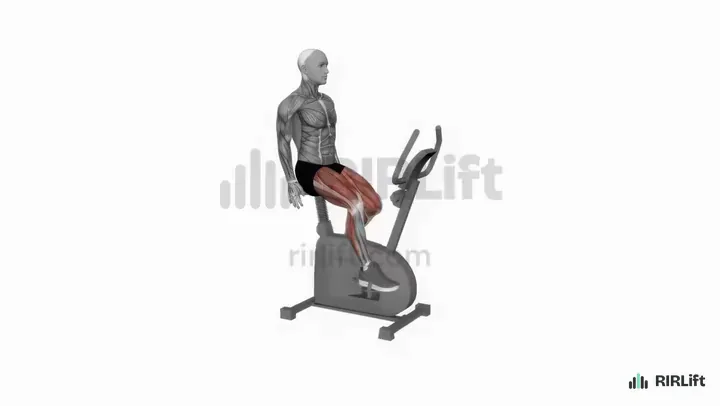
- Stationary Bike Quads, Hamstrings
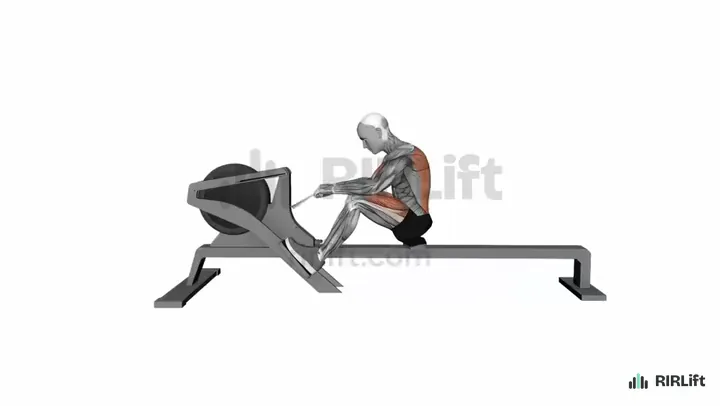
- Rowing Machine Quads, Hamstrings, Glutes, Lats
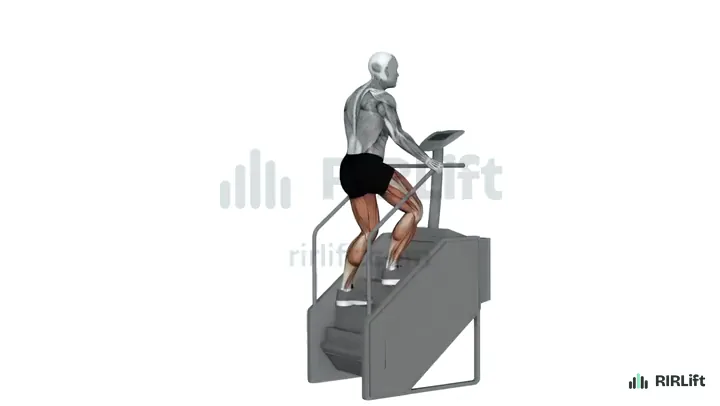
- Stair Climber Quads, Glutes, Calves
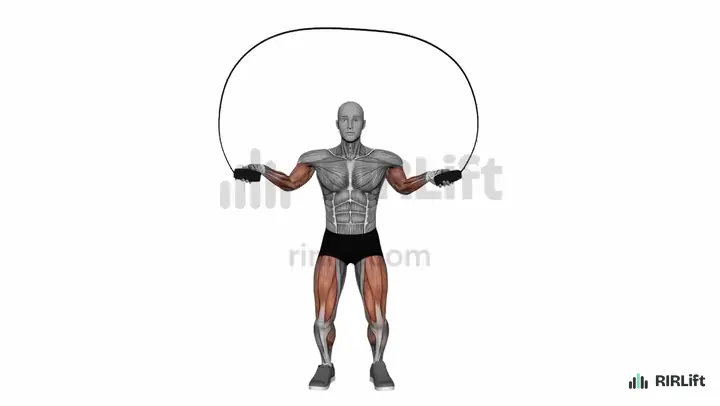
- Jump Rope Calves, Quads
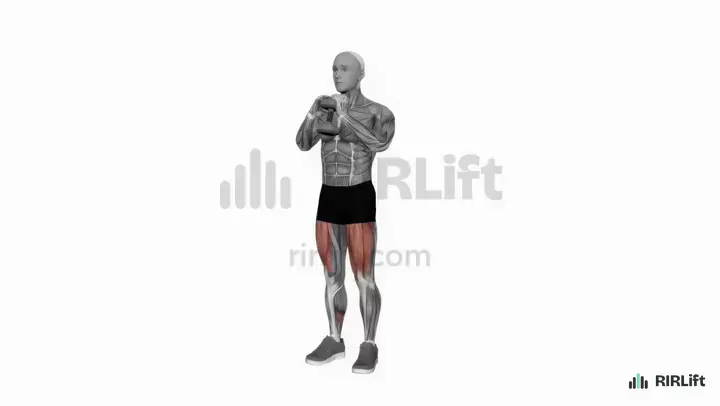
- Goblet Squat Quads, Glutes
Put them together: example sessions
Each session below picks from the exercises above for one situation, with the sets, reps, rest and RIR filled in.
-
Session 1
Starting from walking, four days a week
You are not exercising yet, or not much, and want the simplest cardio routine that burns calories without wrecking your legs.
4× a week · 28 sets a week · ~15 min
-
Session 2
Gym member, cardio machines four days a week
You go to a gym, like the machines, and want a varied, low-impact cardio week that does not get boring.
4× a week · 48 sets a week · ~20 min
-
Session 3
Three days of strength with a cardio finisher
You want to lose fat while keeping your muscle, and you have time for three 45-minute sessions a week plus walking.
3× a week · 45 sets a week · ~30 min
Session 1
Starting from walking, four days a week
- Workouts4× a week
- Working sets28 a week
- Per workout~15 min
- EquipmentTreadmill
You are not exercising yet, or not much, and want the simplest cardio routine that burns calories without wrecking your legs.
Two walking sessions are logged as intervals so you have a number to beat each week: 8 faster minutes on one day, 6 steep minutes on the other. Easy walking on the other days does the rest, and the total lands near the 150 minutes a week most guidelines start with.
| Exercise | Sets × reps | RIR | Rest |
|---|---|---|---|
| Brisk WalkSeconds fast. Walk easy between. | 8 × 60 | 3 | 90 s |
| Exercise | Sets × reps | RIR | Rest |
|---|---|---|---|
| Treadmill WalkSeconds at 6 to 10 percent incline. Flat between. | 6 × 60 | 3 | 2 min |
- How to run it
- Do the interval walk on Monday and Thursday and the incline walk on Tuesday and Saturday, each with 5 minutes of easy walking before and after. On two other days, walk 20 to 30 minutes at a comfortable pace.
- How to progress
- Each week, either walk the fast minutes a little faster or add one more. On the treadmill, add 1 percent incline once all six intervals feel steady. When you reach 10 fast minutes and 10 percent incline, add 5 minutes to your easy walks.
Session 2
Gym member, cardio machines four days a week
- Workouts4× a week
- Working sets48 a week
- Per workout~20 min
- EquipmentRowing Machine, Exercise Bike, Stair Climber, Elliptical
You go to a gym, like the machines, and want a varied, low-impact cardio week that does not get boring.
Two machine days with intervals build fitness, and two steady days on the others add the bulk of your weekly minutes. Rotating the rower, bike, stair climber and elliptical spreads the work across different muscles. Each interval day is 12 hard efforts in about 30 minutes.
| Exercise | Sets × reps | RIR | Rest |
|---|---|---|---|
| Rowing MachineSeconds hard. Row easy between. | 6 × 45–60 | 2 | 75 s |
| Stationary BikeSeconds at high resistance. Spin easy between. | 6 × 30–45 | 2 | 1 min |
| Exercise | Sets × reps | RIR | Rest |
|---|---|---|---|
| Stair ClimberSeconds at a fast step. Slow steps between. | 6 × 60 | 2 | 1 min |
| EllipticalSeconds at high resistance. Easy stride between. | 6 × 45–60 | 2 | 1 min |
- How to run it
- Do Day A on Monday and Day B on Thursday. On Tuesday and Saturday, spend 30 to 40 minutes on the elliptical or bike at a pace you can talk through. Warm up 5 minutes before each interval session.
- How to progress
- Write down distance or calories for each interval and try to beat the total by a little each week at the same effort. When you cannot, add one interval to each block before trying again.
Session 3
Three days of strength with a cardio finisher
- Workouts3× a week
- Working sets45 a week
- Per workout~30 min
- EquipmentDumbbells, Air Bike, Jump Rope
You want to lose fat while keeping your muscle, and you have time for three 45-minute sessions a week plus walking.
Lifting three times a week is what holds on to muscle while you eat less, and a short interval finisher adds calories burned at the end. Each day has 9 strength sets and 6 intervals. With a daily walk, this is the most complete plan on the page.
| Exercise | Sets × reps | RIR | Rest |
|---|---|---|---|
| Goblet Squat1 warm-up set first | 3 × 8–12 | 2 | 90 s |
| Push-Up | 3 × 6–15 | 2 | 90 s |
| One-Arm Dumbbell RowPer arm. | 3 × 8–12 | 2 | 1 min |
| Air BikeSeconds hard. Pedal easy between. | 6 × 15–20 | 1 | 1 min |
| Exercise | Sets × reps | RIR | Rest |
|---|---|---|---|
| Dumbbell Romanian Deadlift1 warm-up set first | 3 × 8–12 | 2 | 90 s |
| One-Arm Dumbbell RowPer arm. | 3 × 10–15 | 2 | 1 min |
| Goblet Squat | 3 × 12–15 | 2 | 75 s |
| Jump RopeSeconds of skipping. | 6 × 40–60 | 2 | 40 s |
- How to run it
- Alternate A and B on Monday, Wednesday and Friday, so you do A twice one week and B twice the next. Walk 30 minutes on most other days.
- How to progress
- Use double progression: when all three sets reach the top of the rep range with 2 reps in reserve, move to the next dumbbell and start back at the bottom. Add one interval to the finisher every two weeks up to 10.
Make it fit you
-
Fat loss does not pick a spot
No cardio machine burns belly or thigh fat in particular. The fat comes off through overall weight loss, set mainly by what you eat, and the strength work builds the muscle that shows as it goes.
-
A lot of weight to lose and new to exercise
Start with the bike, elliptical and flat walking, which carry your weight without landings, and leave running and jump rope until you have walked most days for a couple of months. Easier sessions you never miss beat hard ones you skip.
-
No gym
Swap the machines for outdoor walking on hills, cycling, and jump rope in the driveway. Do the strength days with one pair of adjustable dumbbells at home.
-
Steps outside workouts
Walking to errands, taking stairs and pacing on calls adds up over a day, and it does not leave you tired for your sessions. Use a step count to keep it steady.
-
Log what you lift
Keep the strength days honest by logging reps and how many you had left. RIRLift sets the next session's weight from that, so you keep pushing your muscles while the calories are low.
Questions
Which cardio burns the most fat?
Over a month, the one you do most often. Running, jump rope and intervals burn the most per minute, but walking and cycling can be done for longer and more often, so they often burn more per week. All of them only reduce fat in a calorie deficit.
Can I lose weight with 30 minutes of cardio?
Yes, if you do it most days and eat a little less than you burn. Thirty minutes five days a week is 150 minutes, the usual starting target. Add two strength sessions and daily walking for better results.
What is the best cardio to lose weight fast?
Hard intervals on an air bike, rower or treadmill burn the most in the least time, but losing weight fast is mostly about eating. Two interval sessions plus walking on other days is a sustainable mix.
What are the best exercises to lose weight?
Walking, cycling, rowing and running for calories, plus squats, deadlifts, push-ups and rows to keep muscle. The best plan uses both, three or four days of cardio and two or three of lifting a week.
How much cardio should I do a week to lose weight?
Start around 150 minutes a week and build toward 300 minutes over a few months, mostly at a conversational pace with one or two harder sessions.
Related templates
-
HIIT exercises for weight loss: intervals that fit around a diet
Interval sessions for when time is short.
-
Low impact cardio exercises: hard work with no jumping or pounding
Machine and bodyweight cardio with no jumping.
-
Strength training for weight loss: the lifts that keep muscle while the scale drops
A full lifting program to pair with your cardio.
-
Exercises to burn fat: lift to keep muscle, move to burn calories
How to split a fat loss week between lifting and cardio.
-
How to use reps in reserve (RIR)
How to judge the 2 reps in reserve on your strength days.