
HIIT exercises for weight loss: intervals that fit around a diet
Published October 29, 2026
The best HIIT exercises for weight loss are the air bike, rowing machine, ski erg and treadmill sprints in the gym, sled pushes, battle ropes and kettlebell swings for loaded intervals, and burpees, jump rope and mountain climbers at home. Work 20 to 60 seconds hard, recover as long or longer, and keep each session to 15 to 25 minutes. Two or three sessions a week next to two or three strength sessions is the mix that works: the intervals add calorie burn in little time, and the lifting keeps more of the weight you lose coming from fat rather than muscle.
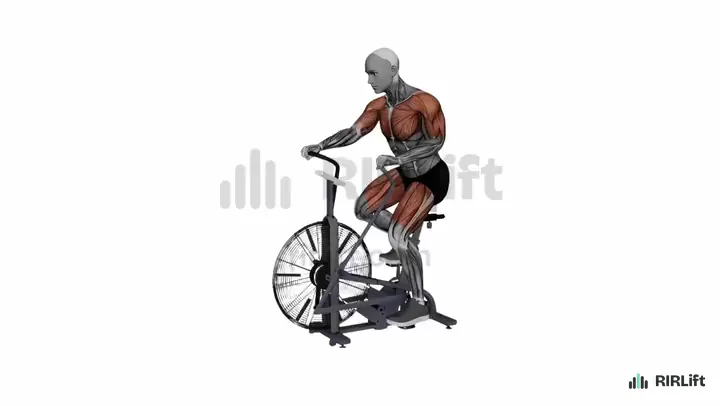
- Air Bike Quads, Hamstrings, Glutes
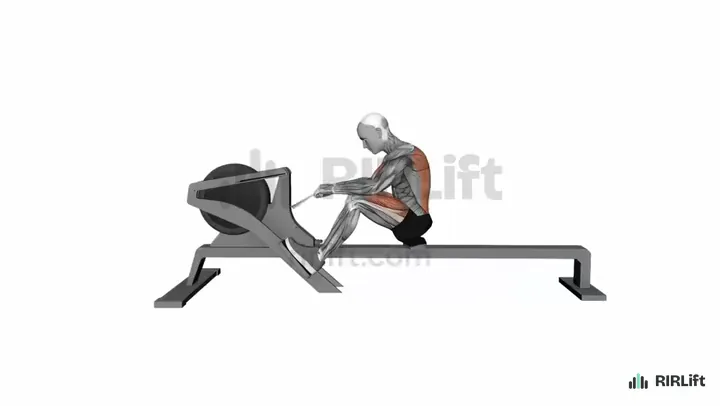
- Rowing Machine Quads, Hamstrings, Glutes, Lats
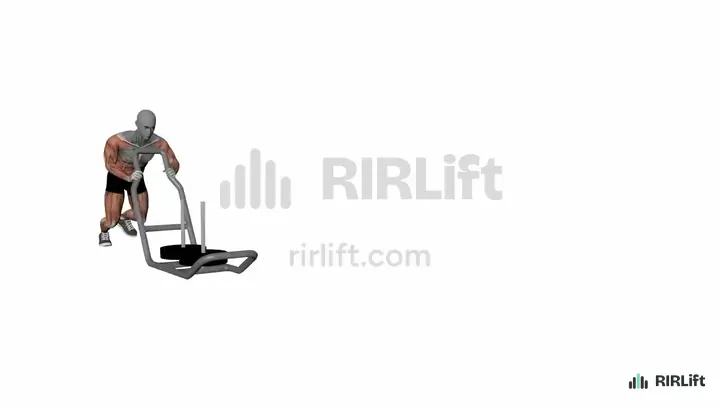
- Sled Push Quads, Glutes
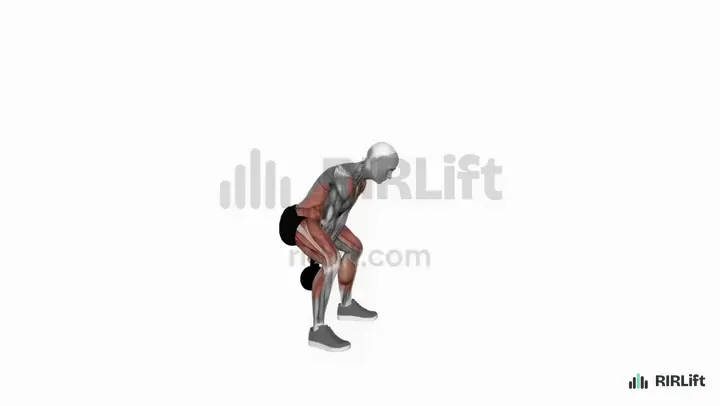
- Kettlebell Swing Glutes, Hamstrings
- Burpee Quads, Glutes, Chest, Shoulders
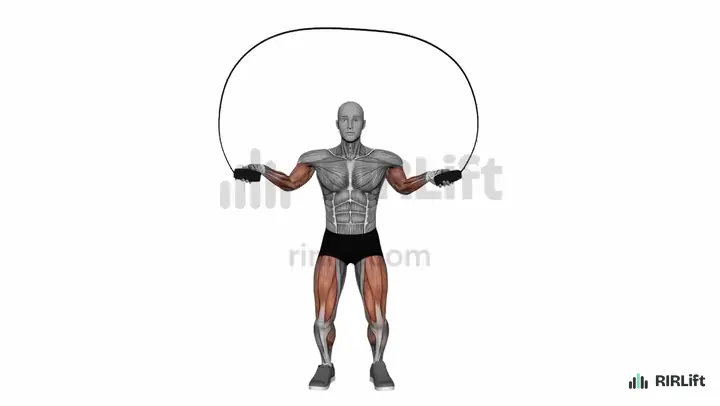
- Jump Rope Calves, Quads
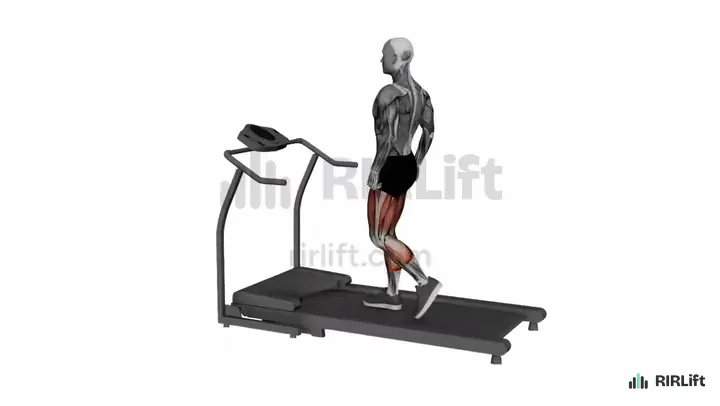
- Treadmill Walk Quads, Glutes, Calves
Put them together: example sessions
Each session below picks from the exercises above for one situation, with the sets, reps, rest and RIR filled in.
-
Session 1
You lift three days and are in a calorie deficit
You already strength train and want to add intervals while dieting without losing strength on your main lifts.
2× a week · 17 sets a week · ~20 min
-
Session 2
At home, 20 minutes, three days a week
You train at home with no machines, have a jump rope, and want intervals that make up most of your exercise for now.
3× a week · 45 sets a week · ~20 min
-
Session 3
A lot of weight to lose, joints first
You have a lot of weight to lose and jumping or running hurts your knees, hips or back, but you want to work hard.
3× a week · 26 sets a week · ~20 min
Session 1
You lift three days and are in a calorie deficit
- Workouts2× a week
- Working sets17 a week
- Per workout~20 min
- EquipmentAir Bike, Rowing Machine, Kettlebells
You already strength train and want to add intervals while dieting without losing strength on your main lifts.
Two short machine sessions a week add hard work without competing with your lifting for recovery, which is the risk while eating less. Day A is 8 sprint intervals, Day B is 6 longer rows plus 3 swing sets, each under 20 minutes. The swings stay at 2 reps in reserve because they share your lifting muscles.
| Exercise | Sets × reps | RIR | Rest |
|---|---|---|---|
| Air BikeSeconds all-out. Pedal easy between. | 8 × 15–20 | 1 | 100 s |
| Exercise | Sets × reps | RIR | Rest |
|---|---|---|---|
| Rowing MachineSeconds hard. Row easy between. | 6 × 45–60 | 1 | 75 s |
| Kettlebell Swing | 3 × 15–20 | 2 | 1 min |
- How to run it
- Do Day A after an upper-body lifting session or on a rest day, and Day B on a day without squats or deadlifts. Warm up for 5 minutes at an easy pace first. Walk on your other days.
- How to progress
- Aim to beat your distance or calories per interval by a little each week at the same effort. When all 8 air bike sprints match your best, add a ninth; on the rower, add 5 seconds to each interval up to 60.
Session 2
At home, 20 minutes, three days a week
- Workouts3× a week
- Working sets45 a week
- Per workout~20 min
- EquipmentJump Rope
You train at home with no machines, have a jump rope, and want intervals that make up most of your exercise for now.
With no lifting elsewhere in the week, three sessions give you enough total work, and burpees and mountain climbers carry some strength stimulus too. One circuit of three moves, five rounds: 15 intervals and about 20 minutes per session.
| Exercise | Sets × reps | RIR | Rest |
|---|---|---|---|
| A1 Jump RopeSeconds of skipping. | 5 × 40–60 | 2 | 30 s |
| A2 Burpee | 5 × 6–10 | 2 | 30 s |
| A3 Mountain ClimberSeconds of work. | 5 × 20–30 | 1 | 90 s |
- How to run it
- Do it Monday, Wednesday and Friday, or any three days with a day between. Go round the three moves as a circuit, resting 30 seconds between moves and 90 seconds after each round. Walk on two of the other days.
- How to progress
- First add reps to the burpees and mountain climbers within the range. When all five rounds reach the top, add a sixth round. After that, cut the rest between moves from 30 to 20 seconds.
Session 3
A lot of weight to lose, joints first
- Workouts3× a week
- Working sets26 a week
- Per workout~20 min
- EquipmentExercise Bike, Treadmill, Sled
You have a lot of weight to lose and jumping or running hurts your knees, hips or back, but you want to work hard.
Intervals do not need impact to be hard: a bike, a steep treadmill and a sled all let you reach a high effort with your feet never leaving the floor or pedals. Longer work and full recovery keep it doable. The bike day has 8 intervals and the walk-and-push day 9, each about 25 minutes.
| Exercise | Sets × reps | RIR | Rest |
|---|---|---|---|
| Stationary BikeSeconds hard. Pedal easy between. | 8 × 30–45 | 2 | 90 s |
| Exercise | Sets × reps | RIR | Rest |
|---|---|---|---|
| Treadmill WalkSeconds at a steep incline. Flat and slow between. | 5 × 45–60 | 2 | 90 s |
| Sled PushSeconds per push. | 4 × 15–25 | 2 | 2 min |
- How to run it
- Alternate the two days three times a week, for example bike Monday, walk-and-push Wednesday, bike Friday. Start each with 5 minutes easy. If your gym has no sled, do 4 more incline walk intervals instead.
- How to progress
- On the bike, raise the resistance one level when all 8 intervals feel the same at the target effort. On the treadmill, add 1 percent incline every week up to 15. On the sled, add 10 to 20 pounds when every push stays steady.
Make it fit you
-
Where the fat comes from
HIIT does not burn fat off one area. The fat comes off through overall weight loss, which your eating sets; the intervals add to the calories you burn and the strength work builds the muscle that shows as the fat drops.
-
Hungry after intervals
Hard sessions push appetite up for some people. If you are eating back more than the session burned, swap one HIIT day for a 40-minute walk and see if the scale moves better.
-
No gym, no rope
Use high knees in place of jump rope and keep the same times. A staircase works as the incline walk: climb hard for 45 seconds, walk down slowly to recover.
-
Track the intervals
Log the distance or calories from each interval along with how much you had left. Comparing those numbers week to week tells you whether you are getting fitter or just more tired.
-
Recovering on a deficit
If your lifts start dropping two weeks in a row, cut one interval day before cutting anything from your lifting. Holding your strength is the sign that the weight you are losing is fat, not muscle.
Questions
Can HIIT reduce weight?
Yes, when it adds to a calorie deficit. HIIT burns a lot in a short session and keeps your heart and lungs fit, but the scale only moves when you eat less than you burn over weeks. Pair it with strength training so more of the weight lost is fat.
How many times a week should I do HIIT to lose weight?
Two or three sessions of 15 to 25 minutes, on days apart. More than that tends to leave you too tired to push hard, and walking on the other days adds more calories with less fatigue.
How do you burn 1,000 calories a day?
Through exercise alone it takes a couple of hours of hard work, which few people can repeat daily. A more workable route is daily walking, two or three short interval sessions a week, strength training and a modest cut in what you eat.
Is it safe to do cardio every day?
Easy cardio like walking or cycling is fine every day. Hard intervals are not: keep HIIT to two or three days a week with at least one easier day between, so each session is actually hard.
Is HIIT better than steady cardio for weight loss?
It burns more per minute, so it suits a short schedule. Over weeks, both lose about the same fat when total calories match. Use whichever you will keep doing, and many people do best with both.
Related templates
-
HIIT exercises at home: no-equipment and kettlebell circuits
More no-equipment and kettlebell circuits for home sessions.
-
Cardio exercises for weight loss, and the lifting that goes with them
Steady and interval cardio compared, with walking-based plans.
-
Low impact HIIT exercises: hard intervals with no jumping
Interval moves with no jumping for sore joints.
-
Strength training for weight loss: the lifts that keep muscle while the scale drops
The lifting half of a weight loss week.
-
How to use reps in reserve (RIR)
How to judge effort on swings and intervals.