
Low impact cardio exercises: hard work with no jumping or pounding
Published October 29, 2026
The best low impact cardio exercises are the stationary bike, elliptical, rowing machine and ski erg, brisk or incline walking and the stair climber, and, for harder work without landings, sled pushes, battle ropes, farmer's walks, shadow boxing and mountain climbers. Low impact means one foot stays on the ground or your weight is supported, not that the effort is low: intervals of 30 to 60 seconds on a bike or rower can be as hard as sprinting. Do 20 to 40 minutes on three to five days a week, mixing easy steady sessions with one or two harder ones.
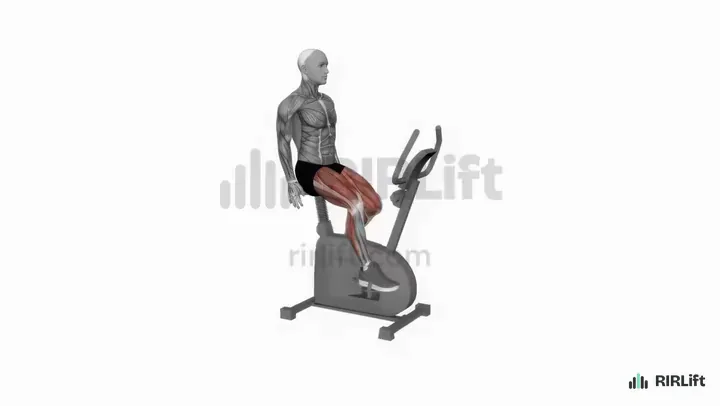
- Stationary Bike Quads, Hamstrings
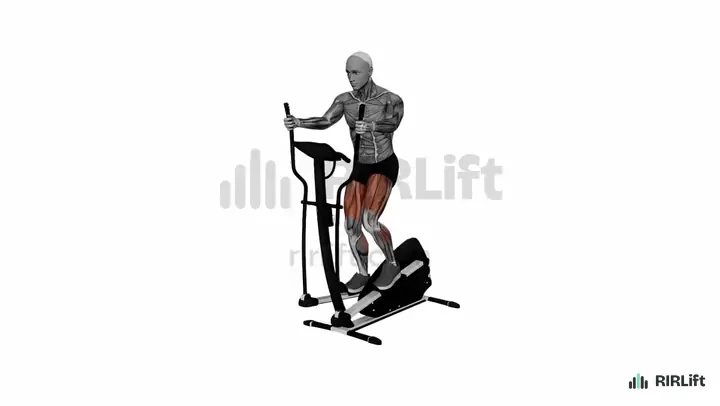
- Elliptical Quads, Hamstrings, Glutes
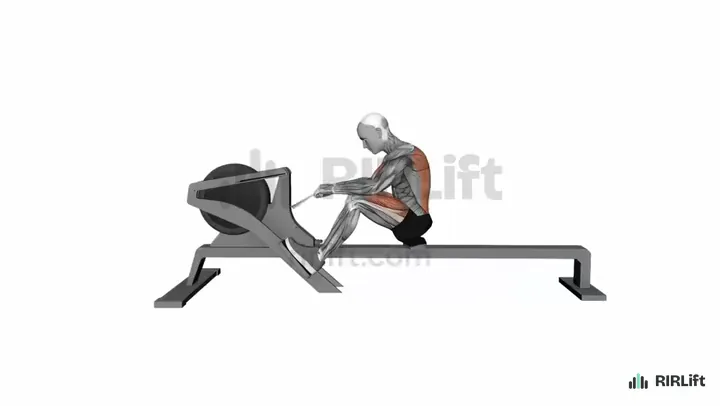
- Rowing Machine Quads, Hamstrings, Glutes, Lats
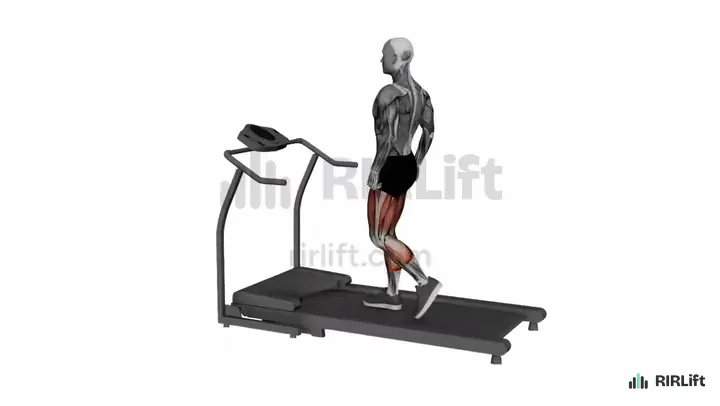
- Treadmill Walk Quads, Glutes, Calves
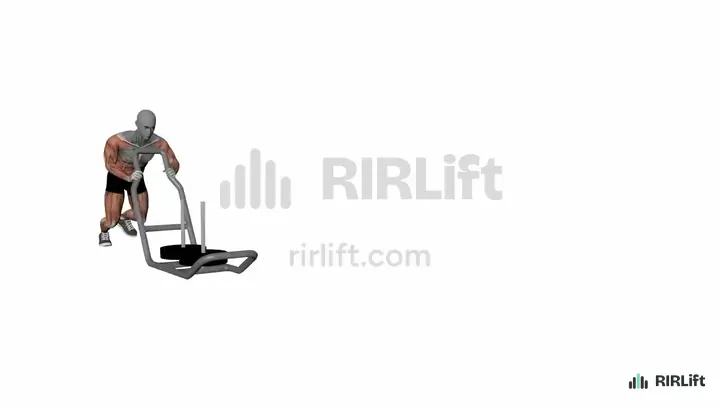
- Sled Push Quads, Glutes
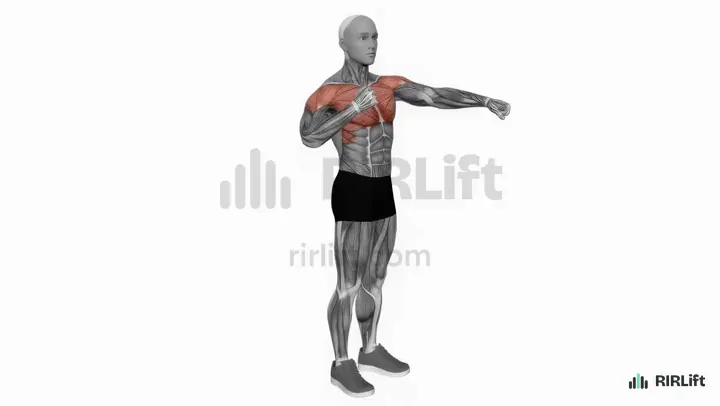
- Shadow Boxing Shoulders, Biceps, Triceps
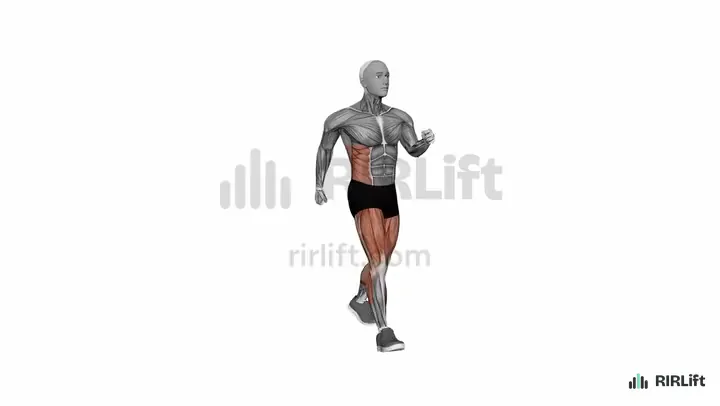
- Brisk Walk Quads, Hamstrings, Glutes, Calves
Put them together: example sessions
Each session below picks from the exercises above for one situation, with the sets, reps, rest and RIR filled in.
-
Session 1
No gym: walking and home rounds, three days
You exercise at home and outdoors, jumping is out, and you want cardio that is more than a stroll.
3× a week · 42 sets a week · ~20 min
-
Session 2
Sore knees or hips, gym machines
Your knees, hips or ankles ache on long walks or stairs, and you want cardio that leaves them alone.
3× a week · 36 sets a week · ~20 min
-
Session 3
Fit and wants hard conditioning without jumping
You are already in shape but done with jumping, running or burpees, and you want sessions that still leave you gasping.
2× a week · 24 sets a week · ~20 min
Session 1
No gym: walking and home rounds, three days
- Workouts3× a week
- Working sets42 a week
- Per workout~20 min
- EquipmentBodyweight
You exercise at home and outdoors, jumping is out, and you want cardio that is more than a stroll.
Walking intervals supply the volume and the home rounds add the upper body. Each session is 6 fast walking minutes followed by 8 short rounds of boxing and climbers, about 30 minutes in all, three times a week.
| Exercise | Sets × reps | RIR | Rest |
|---|---|---|---|
| Brisk WalkSeconds fast. Walk easy between. | 6 × 60 | 3 | 90 s |
| A1 Shadow BoxingSeconds of punching. | 4 × 40–60 | 2 | 30 s |
| A2 Mountain ClimberSeconds of work. | 4 × 20–40 | 2 | 30 s |
- How to run it
- Do it Monday, Wednesday and Friday. Walk outside for the intervals with 5 easy minutes before and after, then do the boxing and climbers at home, alternating them. On two other days, take an easy 30-minute walk.
- How to progress
- Add one fast walking minute each week up to ten. For the home rounds, add 5 seconds per round until boxing reaches 60 seconds and climbers 40, then cut the rest between rounds to 20 seconds.
Session 2
Sore knees or hips, gym machines
- Workouts3× a week
- Working sets36 a week
- Per workout~20 min
- EquipmentExercise Bike, Rowing Machine, Elliptical, Ski Ergometer
Your knees, hips or ankles ache on long walks or stairs, and you want cardio that leaves them alone.
Seated and gliding machines take most or all of your weight off the joints. Two sessions alternate a bike-and-rower day with an elliptical-and-ski day, about 12 intervals and 30 minutes each, three times a week.
| Exercise | Sets × reps | RIR | Rest |
|---|---|---|---|
| Stationary BikeSeconds at higher resistance. Spin easy between. | 6 × 45–60 | 3 | 1 min |
| Rowing MachineSeconds at a firm pace. Row easy between. | 6 × 30–45 | 3 | 1 min |
| Exercise | Sets × reps | RIR | Rest |
|---|---|---|---|
| EllipticalSeconds at higher resistance. Easy stride between. | 6 × 45–60 | 3 | 1 min |
| Ski ErgSeconds of hard pulls. | 6 × 20–30 | 2 | 1 min |
- How to run it
- Alternate Day A and Day B on three days a week with a day between. Warm up 5 minutes on the first machine at an easy pace. If a movement aggravates a joint, double up on the bike instead.
- How to progress
- Raise the resistance one level when every interval feels steady at the target effort. Once you reach 60-second intervals everywhere, shorten the easy spells between them by 15 seconds.
Session 3
Fit and wants hard conditioning without jumping
- Workouts2× a week
- Working sets24 a week
- Per workout~20 min
- EquipmentSled, Battle Ropes, Stair Climber, Dumbbells
You are already in shape but done with jumping, running or burpees, and you want sessions that still leave you gasping.
Loaded intervals make the heart and the muscles work together, so two sessions a week give hard conditioning with no impact. Day A is sled and ropes, Day B is stairs and carries, each with 12 efforts in about 25 minutes.
| Exercise | Sets × reps | RIR | Rest |
|---|---|---|---|
| Sled PushSeconds per push. | 6 × 15–25 | 1 | 90 s |
| Battle Rope WaveSeconds of hard waves. | 6 × 20–30 | 1 | 45 s |
| Exercise | Sets × reps | RIR | Rest |
|---|---|---|---|
| Stair ClimberSeconds at a fast step. Slow steps between. | 8 × 45–60 | 2 | 45 s |
| Farmer's WalkSeconds of walking. | 4 × 30–45 | 2 | 90 s |
- How to run it
- Do Day A and Day B twice a week, at least two days apart, after a lifting session or on their own. Add easy bike or walking on other days if you want more minutes.
- How to progress
- Add 10 to 20 pounds to the sled or step up a dumbbell size on the carries when every effort stays steady to the end. On the ropes and stairs, add 5 seconds per interval up to the top of the range, then add a round.
Make it fit you
-
Very heavy legs or a large frame
Start on the bike and the rower, where a seat carries you, before adding incline walking. Ten minutes twice a day counts the same as twenty at once.
-
Bad back
The bike and elliptical keep your spine upright and still. The rower and sled ask your back to hold a position under effort, so add them once steady sessions feel easy.
-
Make it count without impact
Low impact cardio is only easy if you keep it easy. Turn the resistance up, add incline, or shorten the rest, and use the talk test: in a hard interval you should only manage a few words.
-
Add strength
Two short strength sessions a week with squats to a box, step-ups and rows strengthen the muscles around your joints and make every cardio session easier to carry.
-
Track your intervals
Log the distance or calories for each interval and how close to all-out you went. RIRLift uses that to set next session's targets, so you can see the work getting easier.
Questions
What is the best form of low intensity cardio?
Brisk walking for most people, because you can do it daily and anywhere. The stationary bike and elliptical are close behind and spare your joints even more. Pick the one you will repeat most often.
Is low impact cardio as good as running?
For your heart and lungs, yes, if you work as hard. Hard bike, rower or incline walking intervals raise your heart rate as much as running does, and you can usually do more of them because they cause less soreness.
What is the 12-3-30 cardio rule?
Walking on a treadmill at a 12 percent incline and 3 miles per hour for 30 minutes. It is a low impact workout that is hard on the lungs and legs. Work up to it by adding incline a little each week.
How do I raise my VO2 max quickly?
Hard intervals of 2 to 4 minutes with equal easy recovery, done once or twice a week on a bike, rower or steep treadmill, plus easy cardio on other days. Fitness gains come in weeks, not days.
What low impact cardio burns the most calories?
Rowing, the stair climber and hard bike intervals burn the most per minute, because they use the most muscle or lift your whole body. Over a week, the one you do most often burns the most.
Related templates
-
Low impact exercises: cardio and strength that go easy on your joints
The full menu of low impact cardio and strength moves.
-
Low impact HIIT exercises: hard intervals with no jumping
Shorter, harder no-jump intervals.
-
Low impact leg exercises: strong legs without jumping
Leg strength that makes walking and climbing easier.
-
Cardio exercises at home: no treadmill, no bike, no problem
Home cardio with and without jumping.
-
How to use reps in reserve (RIR)
How to judge how hard an interval was.