
Core exercises for runners: hold your trunk still while your legs do the work
Published October 29, 2026
The best core exercises for runners train the trunk to stay still while the legs move: dead bugs and planks against arching, side planks, Copenhagen planks and suitcase carries against leaning sideways, and the Pallof press against twisting. Add back extensions and single-leg glute bridges for the back of the trunk and the hips. Do 10 to 20 sets a week, split over two or three short sessions after easy runs, and progress by adding seconds, reps or load once every set ends with 2 reps or 10 seconds still in the tank.
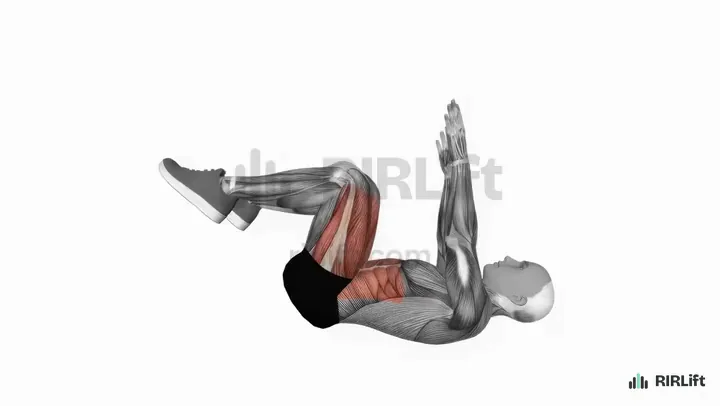
- Dead Bug Abs
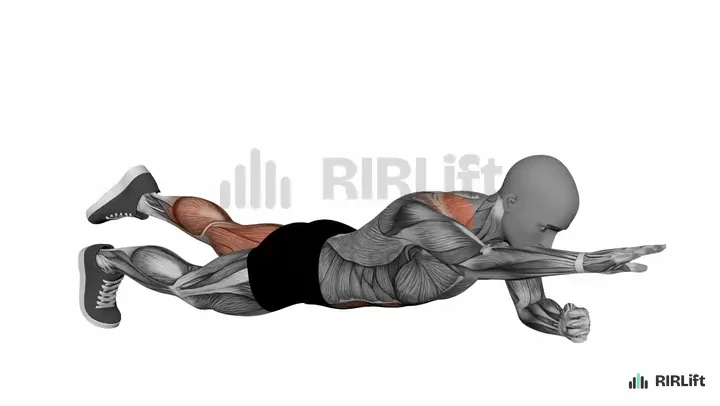
- Plank Abs
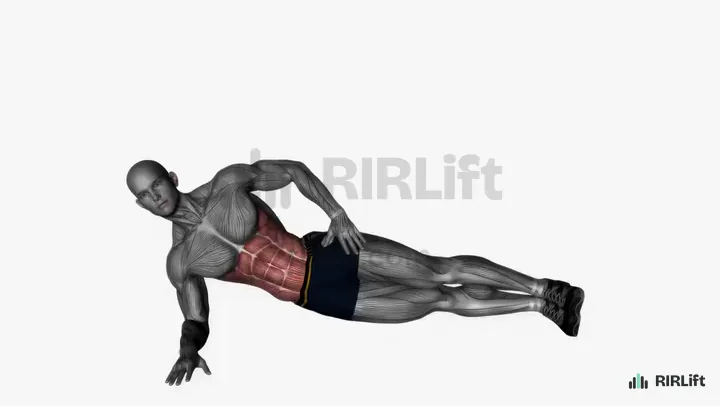
- Side Plank Abs
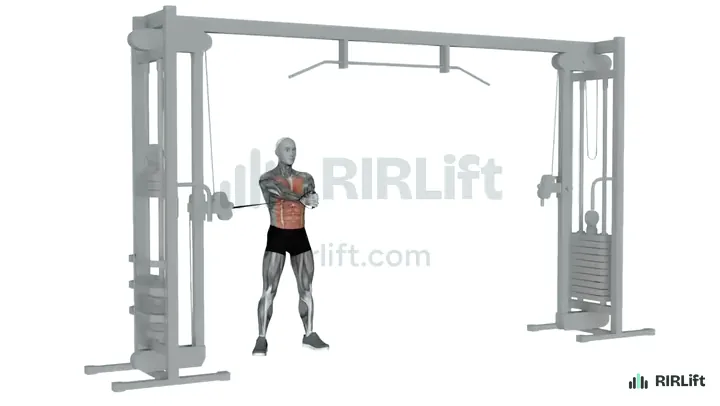
- Pallof Press Abs
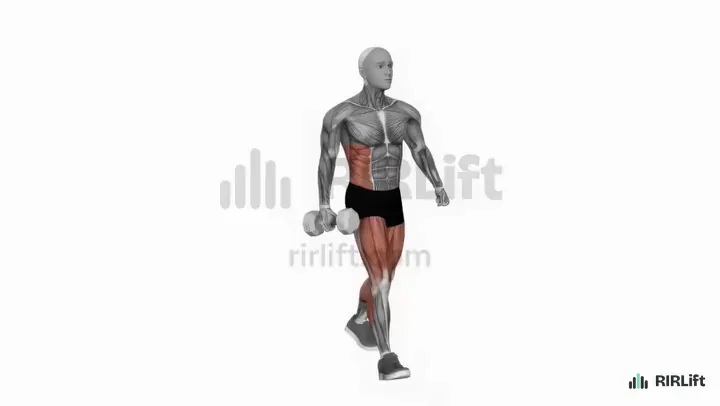
- Dumbbell Suitcase Carry Abs, Quads
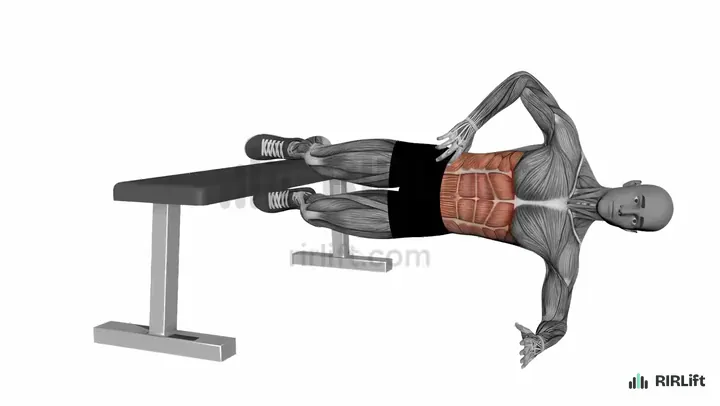
- Copenhagen Plank Adductors, Abs
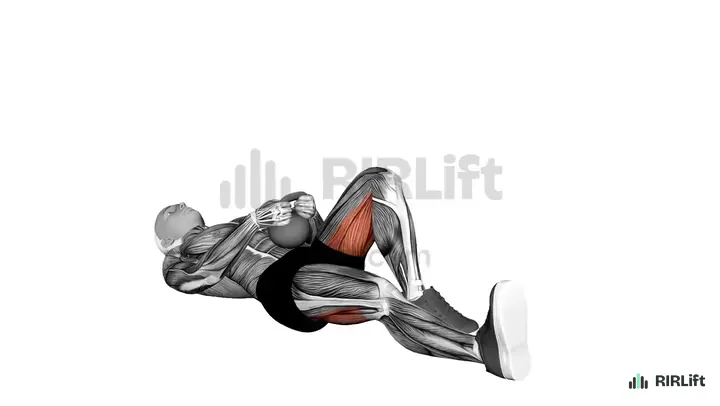
- Single-Leg Glute Bridge Glutes
Put them together: example sessions
Each session below picks from the exercises above for one situation, with the sets, reps, rest and RIR filled in.
-
Session 1
Ten minutes after easy runs, no equipment
You run three to five days a week, have no gym, and want a short core routine you will actually keep doing.
3× a week · 30 sets a week · ~20 min
-
Session 2
Two gym sessions with heavier core work
You already lift twice a week for running and want the core part of those sessions to build strength, not just endurance.
2× a week · 18 sets a week · ~20 min
-
Session 3
High-mileage block: one short session
You are deep in a marathon or ultra build, legs tired most days, and want to keep core strength without adding more fatigue.
1× a week · 11 sets a week · ~25 min
Session 1
Ten minutes after easy runs, no equipment
- Workouts3× a week
- Working sets30 a week
- Per workout~20 min
- EquipmentDumbbells
You run three to five days a week, have no gym, and want a short core routine you will actually keep doing.
Three short sessions of 10 sets each add up to 30 easy sets a week. That is more than a strength block would use, but these are bodyweight holds at 2 to 3 reps or seconds short of failure, so they recover by the next day.
| Exercise | Sets × reps | RIR | Rest |
|---|---|---|---|
| Dead BugPer side. Exhale as the limbs reach. | 2 × 8–12 | 2 | 45 s |
| PlankSeconds per hold. | 2 × 30–45 | 2 | 45 s |
| Side PlankSeconds per side. | 2 × 20–40 | 2 | 45 s |
| Plank Shoulder TapTaps total. Hips stay still. | 2 × 10–16 | 2 | 45 s |
| Single-Leg Glute BridgePer leg. | 2 × 10–12 | 2 | 45 s |
- How to run it
- Do it straight after two or three easy runs, while you are still warm. Skip it after intervals and long runs so those days stay about running.
- How to progress
- Add 5 seconds to each hold or 2 reps to each set when every set finishes with about 2 reps or 10 seconds in reserve. Once holds pass 45 seconds, make them harder instead: feet closer together in the plank, top leg raised in the side plank.
Session 2
Two gym sessions with heavier core work
- Workouts2× a week
- Working sets18 a week
- Per workout~20 min
- EquipmentAb Wheel, Adjustable Cable, Hyperextension, Pull-Up Bar +1
You already lift twice a week for running and want the core part of those sessions to build strength, not just endurance.
Each day adds 9 hard sets on top of your leg work, 18 a week. Loaded drills in lower rep ranges build more strength per set than long holds, so fewer sets do the job.
| Exercise | Sets × reps | RIR | Rest |
|---|---|---|---|
| Ab Wheel Rollout | 3 × 6–10 | 2 | 90 s |
| Pallof PressPer side. Pause 2 s at full reach. | 3 × 8–12 | 1 | 1 min |
| Back Extension | 3 × 10–15 | 2 | 1 min |
| Exercise | Sets × reps | RIR | Rest |
|---|---|---|---|
| Hanging Knee Raise | 3 × 8–12 | 1 | 75 s |
| Copenhagen PlankSeconds per side. | 3 × 15–30 | 2 | 1 min |
| Dumbbell Suitcase CarrySeconds per side. | 3 × 20–40 | 2 | 75 s |
- How to run it
- Add Day A to the end of your first strength session and Day B to the second, with at least two days between them. Keep both away from the 24 hours before a workout or long run.
- How to progress
- Use double progression: when every set of rollouts, knee raises or Pallof presses reaches the top of the rep range at 1 to 2 reps in reserve, add range, load or a slower lowering. Add weight to the carry when 40 seconds feels like it still has 10 to spare.
Session 3
High-mileage block: one short session
- Workouts1× a week
- Working sets11 a week
- Per workout~25 min
- EquipmentDumbbells, Hyperextension
You are deep in a marathon or ultra build, legs tired most days, and want to keep core strength without adding more fatigue.
One session of 11 sets is enough to hold on to core strength while running volume is at its peak. Every drill stays at 2 to 3 reps or seconds in reserve so nothing leaves you sore for the next run.
| Exercise | Sets × reps | RIR | Rest |
|---|---|---|---|
| Dead BugPer side. | 2 × 8–10 | 3 | 45 s |
| Side PlankSeconds per side. | 3 × 20–30 | 2 | 45 s |
| Copenhagen PlankSeconds per side. | 2 × 15–25 | 3 | 1 min |
| Dumbbell Suitcase CarrySeconds per side. | 2 × 20–30 | 2 | 1 min |
| Back Extension | 2 × 10–12 | 3 | 1 min |
- How to run it
- Do it once a week after your easiest run, never the day before the long run. In race week, drop to one set of each.
- How to progress
- Hold the loads and times steady through the build. If a session feels easy across the board, add one set to the carry or the side plank rather than going heavier.
Make it fit you
-
Standing core only
If floor work is awkward, build the session from suitcase carries and Pallof presses. Both train the trunk upright, the position you actually run in, and both scale by load alone.
-
Trail runners
Uneven ground asks more of the sides of the trunk. Give the side plank, Copenhagen plank and suitcase carry an extra set each and drop the hanging knee raise.
-
Sprinters and track runners
Faster running means harder hip flexion and bigger arm drive. Keep the hanging knee raise and the ab wheel rollout, use the low end of the rep ranges, and rest longer between sets.
-
Lower back gets tired on long runs
Put back extensions and side planks first in the session while you are fresh, and progress them before the front-of-trunk drills. Lift the chest only a few inches on each back extension.
-
Short on time
Pair two drills that do not tire the same area, such as dead bugs with suitcase carries, and alternate them with 30 seconds of rest. The ten-minute plan becomes seven.
Questions
Are core workouts good for running?
Yes, as long as they train the trunk to hold its position while the legs move. Planks, side planks, dead bugs, carries and Pallof presses do that. Endless crunches build the front of the abs but do little for the side bend and rotation control a stride needs.
What are the big 3 core stability exercises?
The big three usually refers to the curl-up, side plank and bird dog. For runners, the side plank is worth keeping as is, and the dead bug trains the same opposite arm and leg pattern as the bird dog with your back supported on the floor.
What are the 5 best core exercises for runners?
Dead bug, side plank, Pallof press, suitcase carry and single-leg glute bridge. Together they cover arching, side bend, rotation, walking under load and single-leg hip control, which is the whole job of a runner's core.
How often should runners do core exercises?
Two or three times a week, 10 to 20 hard sets in total for loaded work or up to about 30 short sets for bodyweight holds. Short sessions after easy runs are easier to keep up than one long core day.
Should I do core before or after running?
After. A tired core before a run makes the run worse, while a few minutes of core after an easy run costs you nothing. The exception is a set of dead bugs as a warm-up drill, done well short of fatigue.
Related templates
-
Hip exercises for runners: glutes, side hips, adductors and hip flexors
The glute and hip strength that works with your core on every landing.
-
Bodyweight exercises for runners: single-leg strength with no equipment
A full no-equipment strength routine to pair with the ten-minute core plan.
-
The best strength workout for runners, built around your training
Full strength sessions for runners, legs, hips and core together.
-
Core exercises at home for the front, sides and back
More floor-based core drills if you train without equipment.
-
How to use RIR
How to judge reps and seconds in reserve so every set has the right effort.