
Bodyweight exercises for runners: single-leg strength with no equipment
Published October 29, 2026
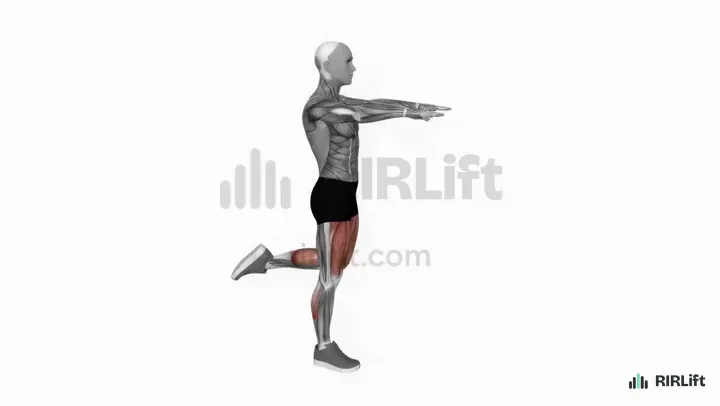
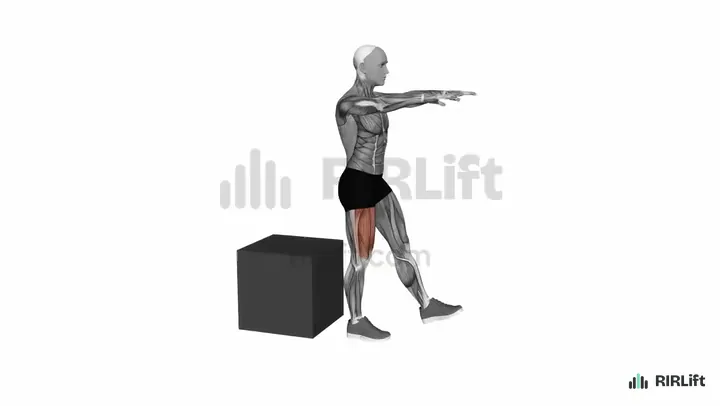
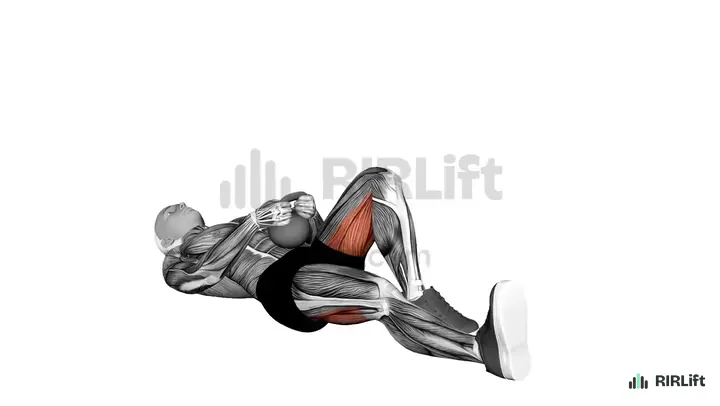
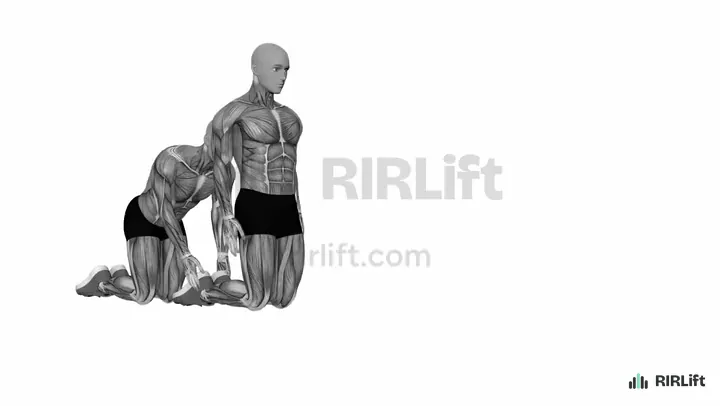
The best bodyweight exercises for runners are single-leg ones, because body weight on one leg is heavy enough to build strength: skater squats, pistol squats to a box and Cossack squats for the legs; single-leg glute bridges and Nordic hamstring curls for the back of the leg; single-leg calf raises and hops for the calves and ankles; and side planks, Copenhagen planks and push-ups for the trunk and upper body. Do two sessions a week, and make each move harder by slowing it down or moving to a harder version once you pass 15 reps.
- Skater Squat Quads, Glutes
- Pistol Squat Quads, Glutes
- Single-Leg Glute Bridge Glutes
- Nordic Hamstring Curl Hamstrings
- Single-Leg Calf Raise Calves
- Single-Leg Jump Quads, Glutes, Calves
- Side Plank Abs
- Copenhagen Plank Adductors, Abs
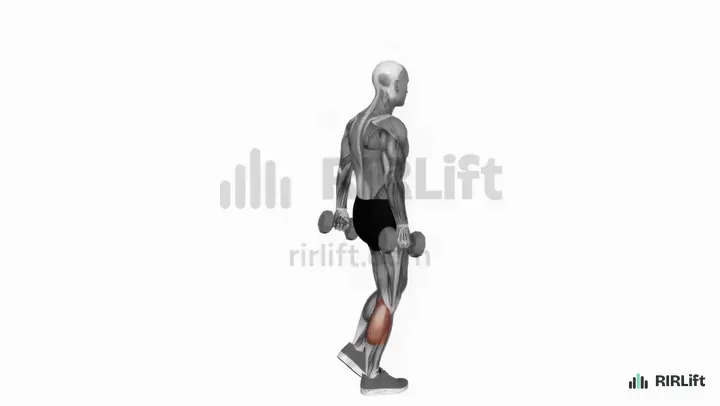
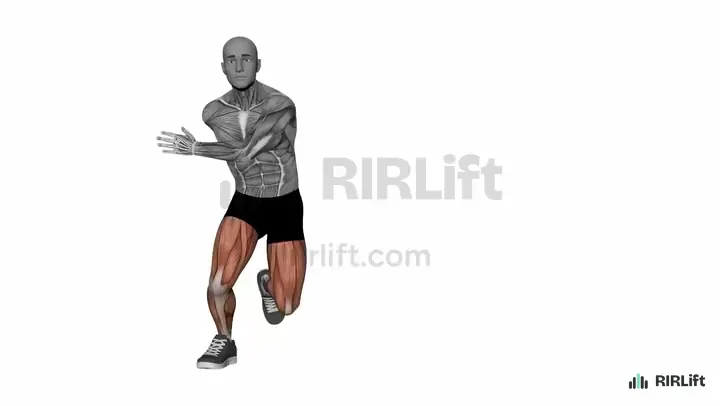
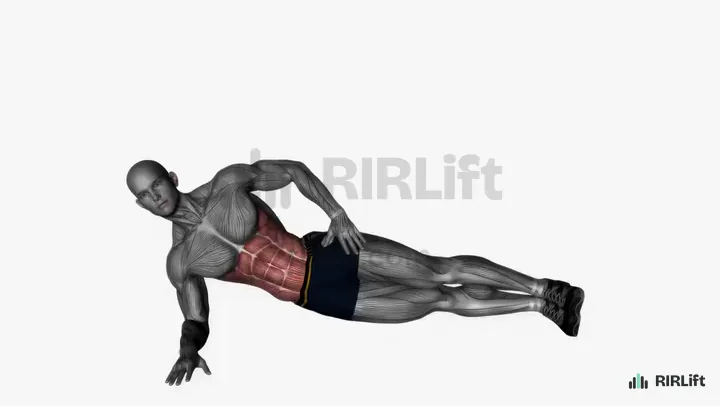
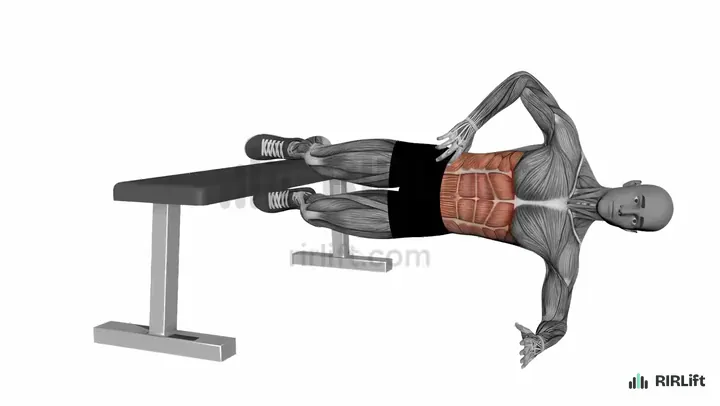
Put them together: example sessions
Each session below picks from the exercises above for one situation, with the sets, reps, rest and RIR filled in.
-
Session 1
New to strength work, two days at home
You run three or four times a week, have never done strength training, and have only a stair and some floor space.
2× a week · 26 sets a week · ~30 min
-
Session 2
Experienced runner, harder bodyweight work
You already handle single-leg squats and want two harder sessions that still need no equipment.
2× a week · 29 sets a week · ~40 min
-
Session 3
Travel or race week, 15 minutes
You are on the road or in the last weeks before a race, with a hotel room and no time, and want to keep your strength ticking over.
2× a week · 20 sets a week · ~20 min
Session 1
New to strength work, two days at home
- Workouts2× a week
- Working sets26 a week
- Per workout~30 min
- EquipmentDumbbells
You run three or four times a week, have never done strength training, and have only a stair and some floor space.
One routine done twice gives 26 sets a week across legs, calves, trunk and upper body. Starting with the easier two-legged and supported versions at 2 to 3 reps in reserve lets your tendons adapt before you load single-leg moves.
| Exercise | Sets × reps | RIR | Rest |
|---|---|---|---|
| Bodyweight Squat | 3 × 12–20 | 3 | 1 min |
| Single-Leg Glute BridgePer leg. | 3 × 8–12 | 2 | 1 min |
| Single-Leg Calf RaisePer leg. | 3 × 8–15 | 2 | 1 min |
| Side PlankSeconds per side. | 2 × 20–40 | 2 | 45 s |
| Push-Up | 2 × 5–12 | 2 | 75 s |
- How to run it
- Run easy first, then do this twice a week with two or more days in between; it fits in 25 minutes.
- How to progress
- Add reps until you reach the top of each range with 2 reps left. Then move up a version: squat to skater squat, bridge with a 2-second hold, push-ups with hands one step lower.
Session 2
Experienced runner, harder bodyweight work
- Workouts2× a week
- Working sets29 a week
- Per workout~40 min
- EquipmentDumbbells
You already handle single-leg squats and want two harder sessions that still need no equipment.
Day A has 14 sets and Day B has 15, about 29 a week. The single-leg strength moves run close to failure, 1 to 2 reps in reserve, because with no added weight the only way to load them is harder versions and fewer reps left.
| Exercise | Sets × reps | RIR | Rest |
|---|---|---|---|
| Single-Leg JumpHops per leg. | 3 × 6–10 | 3 | 1 min |
| Pistol SquatPer leg. Lower the box as you progress. | 4 × 4–8 | 1 | 90 s |
| Nordic Hamstring CurlLower as slowly as you can. | 3 × 3–6 | 1 | 2 min |
| Single-Leg Calf RaisePer leg. | 2 × 12–20 | 1 | 1 min |
| Copenhagen PlankSeconds per side. | 2 × 20–30 | 2 | 1 min |
| Exercise | Sets × reps | RIR | Rest |
|---|---|---|---|
| Skater HopPer side. | 3 × 6–8 | 3 | 1 min |
| Skater SquatPer leg. | 4 × 6–10 | 1 | 90 s |
| Cossack SquatPer side. | 3 × 6–8 | 2 | 75 s |
| Single-Leg Glute BridgePer leg. 2 s hold at the top. | 3 × 10–15 | 1 | 1 min |
| Push-Up | 2 × 10–20 | 1 | 75 s |
- How to run it
- Put Day A after an easy run and Day B two or three days later. Keep the Nordic curls at least two days before a workout or long run, since the hamstrings can be sore for a day or two after them.
- How to progress
- When a move reaches the top of its range at 1 to 2 reps in reserve, go to a harder version: a lower box for pistols, a slower 4-second lowering for skater squats, a lower catch point for Nordics. Add hops before adding height.
Session 3
Travel or race week, 15 minutes
- Workouts2× a week
- Working sets20 a week
- Per workout~20 min
- EquipmentDumbbells
You are on the road or in the last weeks before a race, with a hotel room and no time, and want to keep your strength ticking over.
Ten sets across the legs, calves and trunk, once or twice a week, holds strength for several weeks. Everything stops 2 to 3 reps short so you finish fresher than you started.
| Exercise | Sets × reps | RIR | Rest |
|---|---|---|---|
| Jump Squat | 2 × 4–6 | 3 | 1 min |
| Skater SquatPer leg. | 2 × 6–8 | 3 | 1 min |
| Single-Leg Glute BridgePer leg. | 2 × 8–10 | 3 | 45 s |
| Single-Leg Calf RaisePer leg. | 2 × 10–12 | 3 | 45 s |
| Side PlankSeconds per side. | 2 × 20–30 | 3 | 45 s |
- How to run it
- Do it after an easy run. In race week, do one session four or five days out and skip the jumps.
- How to progress
- There is no progression here. Keep the reps the same and leave the sessions feeling easy; the gains come back when the full plan does.
Make it fit you
-
Heavier runners
Body weight is already a lot of load on one leg. Keep the two-legged squat, use a chair for the skater squat, and add hops only after six weeks of the strength moves.
-
Nothing to anchor the Nordic
Do single-leg glute bridges with your heel on a chair instead, and slide the heel out and back on a towel for a hamstring curl.
-
Marathon training
Skip the jump squat and skater hop in the last 8 weeks before the race, and give single-leg calf raises a third set.
-
5K and 10K speed
Keep the hops all year and do them first, while fresh. Short ground contacts at the start of a session train speed better than tired ones at the end.
-
Add a backpack
When the hardest versions get easy, hold a backpack with books for single-leg calf raises and skater squats. It keeps progress going without buying weights.
Questions
Can you build strength for running with only body weight?
Yes, if most of the work is on one leg. A skater squat or pistol squat puts your full body weight on one leg, which is a real strength load. Two-legged squats and lunges for high reps mostly train endurance you already have from running.
How do I train my body for running without a gym?
Run most days, and add two bodyweight strength sessions a week: one single-leg squat, one hamstring or glute move, single-leg calf raises, a side plank and push-ups. Progress by moving to harder versions.
How many times a week should runners do bodyweight exercises?
Two sessions a week works best for most runners. Once a week keeps strength during race season or travel. More than three adds fatigue without much extra gain.
Are plyometrics good for runners?
Short hops and jumps train the calves and ankles to rebound quickly, which is part of what makes faster running efficient. Keep sets short, 4 to 10 contacts, and do them first in a session.
What is a 30-minute bodyweight workout for runners?
Warm up with 2 minutes of hops, then 3 sets each of skater squats, single-leg glute bridges and single-leg calf raises, and 2 sets each of side planks and push-ups. Rest 60 seconds between sets.
Related templates
-
Core exercises for runners: hold your trunk still while your legs do the work
A ten-minute core routine that also needs no equipment.
-
Resistance band exercises for runners: hips, hamstrings and single-leg strength with one band
The next step up when body weight gets easy.
-
Hamstring exercises for runners: curls, hinges and the slow lowering speed asks for
More ways to load the back of the leg.
-
Warm up for running: a 10-minute pre-run routine
Drills to do before the run that comes before this session.
-
How to use RIR
How to judge reps in reserve when there is no weight to add.