
Core exercises for seniors: floor, standing and carrying
Published October 29, 2026
The best core exercises for seniors are the dead bug and plank for the front of your trunk, the side plank and Pallof press for the sides, the suitcase carry and farmer's walk for standing strength, and the glute bridge and superman for your back and hips. Pick one from each group, do 2 to 3 sets twice a week, and stop each set with 2 or 3 good reps left. Holds start at 15 to 30 seconds. If getting down to the floor is hard, the cable and carry exercises cover the same muscles standing up.
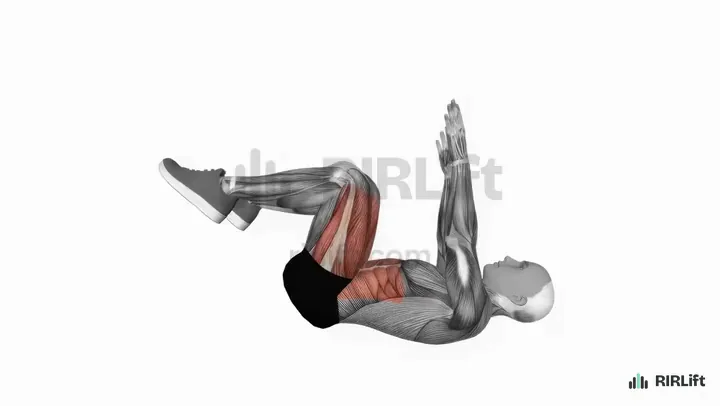
- Dead Bug Abs
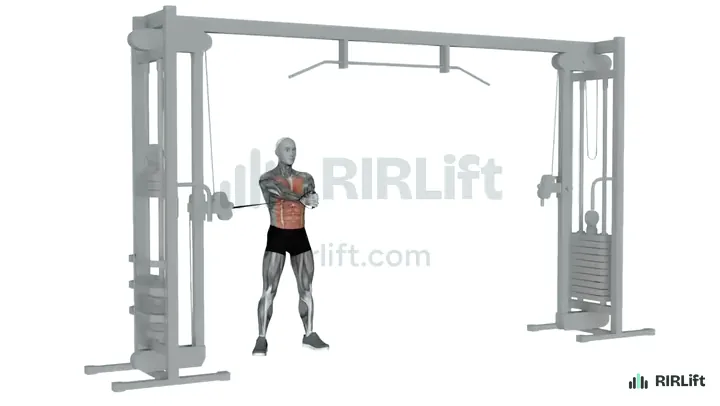
- Pallof Press Abs
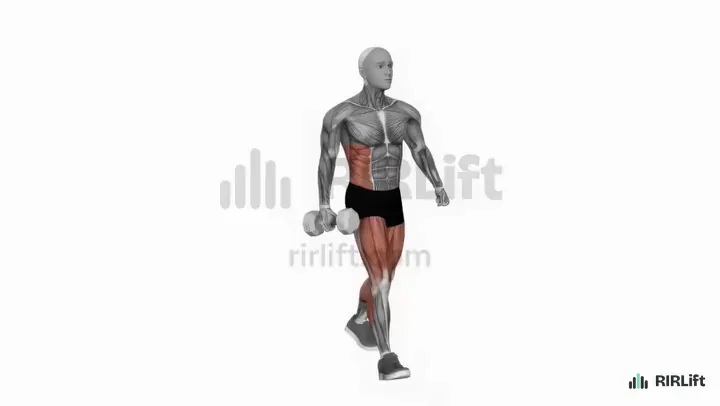
- Dumbbell Suitcase Carry Abs, Quads
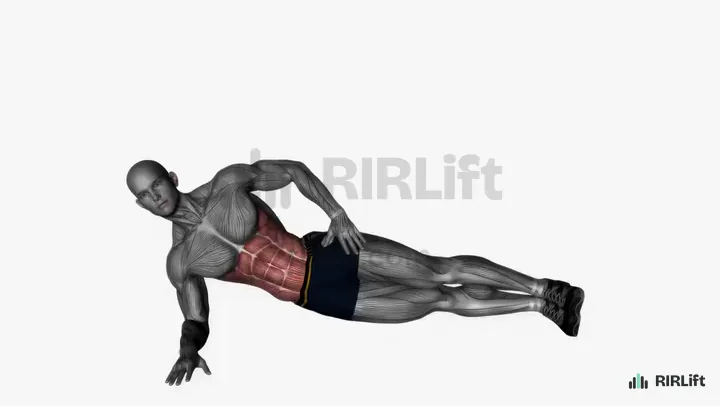
- Side Plank Abs
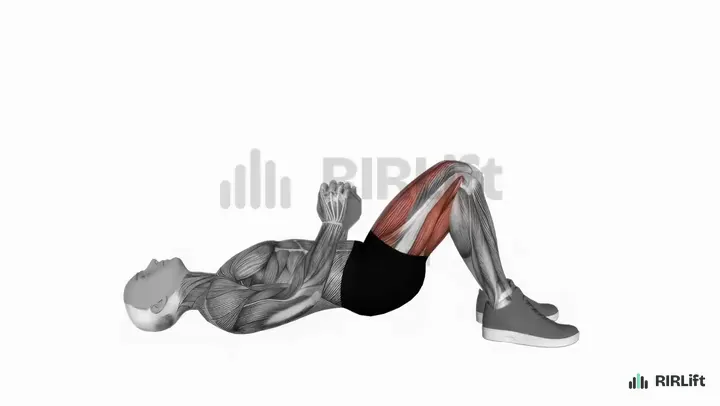
- Dumbbell Glute Bridge Glutes
- Plank Abs
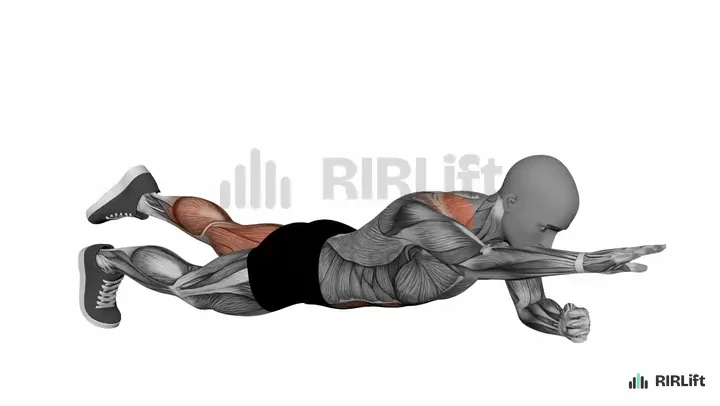
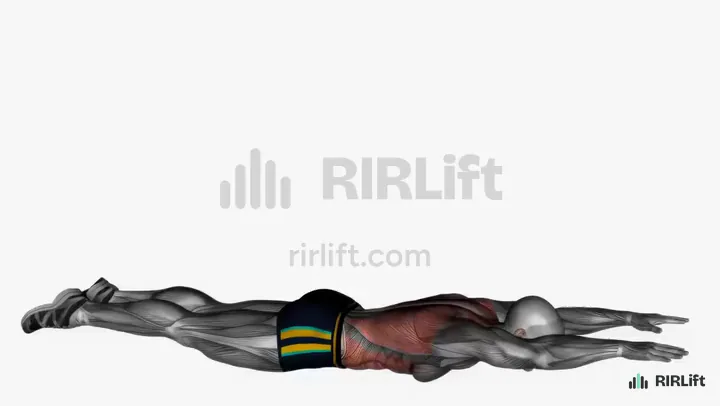
- Superman Lower Back
Put them together: example sessions
Each session below picks from the exercises above for one situation, with the sets, reps, rest and RIR filled in.
-
Session 1
First core routine at home, two days a week
You are starting out, you have a mat and one or two dumbbells at home, and you can get down to the floor and back up without trouble.
2× a week · 19 sets a week · ~20 min
-
Session 2
Gym core, everything standing
Getting down to the floor and back up is hard or uncomfortable for you, and you train at a gym with a cable machine and dumbbells.
2× a week · 30 sets a week · ~35 min
-
Session 3
Ten minutes after your walk or workout
You already walk, swim or lift and want a short core block you can tack on three times a week without needing another session.
3× a week · 21 sets a week · ~15 min
Session 1
First core routine at home, two days a week
- Workouts2× a week
- Working sets19 a week
- Per workout~20 min
- EquipmentDumbbells
You are starting out, you have a mat and one or two dumbbells at home, and you can get down to the floor and back up without trouble.
Two short sessions add up to 19 working sets a week, about 5 or 6 each for the front, the sides and the back of the trunk, enough to build strength from a low starting point. Every set stops with 2 to 3 reps or 5 to 10 seconds left so the next session starts fresh.
| Exercise | Sets × reps | RIR | Rest |
|---|---|---|---|
| Dead BugPer side. | 2 × 6–10 | 3 | 1 min |
| Dumbbell Glute Bridge1 warm-up set first | 3 × 10–15 | 2 | 75 s |
| Side PlankSeconds per side. | 2 × 15–30 | 2 | 1 min |
| Dumbbell Suitcase CarrySeconds per side. | 3 × 20–30 | 2 | 1 min |
| Exercise | Sets × reps | RIR | Rest |
|---|---|---|---|
| Lying Knee Raise | 2 × 8–12 | 3 | 1 min |
| PlankSeconds per hold. | 2 × 15–30 | 2 | 1 min |
| SupermanPause 1 second at the top. | 2 × 8–12 | 3 | 1 min |
| Farmer's WalkSeconds of walking. | 3 × 20–30 | 2 | 75 s |
- How to run it
- Do Day A and Day B on two days with at least one rest day between them, for example Monday and Thursday. Each takes about 20 minutes, including a few minutes of walking first.
- How to progress
- When every set reaches the top of the range with 2 reps still in reserve, add reps or seconds next time: 5 seconds per hold, 2 reps per set. Once holds pass the top of the range, use the harder version, such as a straight-leg side plank, or a heavier dumbbell for the bridge and carry.
Session 2
Gym core, everything standing
- Workouts2× a week
- Working sets30 a week
- Per workout~35 min
- EquipmentAdjustable Cable, Dumbbells
Getting down to the floor and back up is hard or uncomfortable for you, and you train at a gym with a cable machine and dumbbells.
Five standing exercises cover every job of the core without a single floor rep, at 3 sets each for 15 working sets a session. Done twice a week that is 30 sets, more than the home plan, because standing work is easier to recover from.
| Exercise | Sets × reps | RIR | Rest |
|---|---|---|---|
| Pallof PressPer side. Hold 2 seconds at full reach. | 3 × 8–12 | 2 | 1 min |
| Cable WoodchopPer side. | 3 × 8–12 | 2 | 1 min |
| Standing Cable Hip FlexionPer leg. | 3 × 8–12 | 2 | 1 min |
| Farmer's WalkSeconds of walking. | 3 × 30–40 | 2 | 90 s |
| Dumbbell Suitcase CarrySeconds per side. | 3 × 20–30 | 2 | 1 min |
- How to run it
- Run the same session twice a week, either on its own or after your regular strength workout. Use the cable machine's handle or a post for balance during the knee drive.
- How to progress
- Add one rep per set until you reach the top of the range at 2 reps in reserve, then raise the cable one plate or step one foot farther from the anchor. For the carries, add 10 seconds before moving to heavier dumbbells.
Session 3
Ten minutes after your walk or workout
- Workouts3× a week
- Working sets21 a week
- Per workout~15 min
- EquipmentBodyweight
You already walk, swim or lift and want a short core block you can tack on three times a week without needing another session.
Three exercises in about 10 minutes give 21 sets a week across front, side and back, spread thin enough that three days in a row is fine. Pairing the dead bug and superman means one rests while the other works.
| Exercise | Sets × reps | RIR | Rest |
|---|---|---|---|
| A1 Dead BugPer side. | 2 × 6–10 | 2 | 45 s |
| A2 Superman | 2 × 8–12 | 2 | 45 s |
| Side PlankSeconds per side. | 3 × 15–30 | 2 | 45 s |
- How to run it
- Do it right after your walk or strength session on three days of the week. Alternate the dead bug and superman sets back to back, then do the side planks.
- How to progress
- Add 1 rep or 5 seconds per set each week while you still have 2 to 3 reps left at the end. When the dead bug reaches 10 per side easily, straighten the legs further; when the side plank passes 30 seconds, straighten the bottom leg.
Make it fit you
-
Getting up from the floor is hard
Use the standing plan, and move the plank to a bench or kitchen counter with your hands on the edge. The higher your hands, the easier it gets.
-
Lower back gets sore
Keep the dead bug, side plank and Pallof press, which load the trunk without bending the spine, and shorten the superman to a small lift with arms by your sides. Go back to the full set list once a week of sessions feels fine.
-
Balance is shaky
Do the carries next to a wall or rail and the cable knee drive with a firm grip on the machine. The trunk still works the same; your hand just removes the fear of tipping.
-
Log reps in reserve
Write down how many reps or seconds you had left after each set. RIRLift sets the next session's targets from those numbers, so you add load only when your last session showed you were ready.
-
No cable machine
A resistance band tied to a door frame or post works for the Pallof press and woodchop. Step farther from the anchor to make the band pull harder.
Questions
Is 10 minutes of core a day enough?
Yes, if the ten minutes are real effort. Ten minutes three days a week builds core strength, and the ten-minute plan above fits that exactly. Add one of the other plans later if you want more.
What are three physical signs of a weak core?
Common ones are slumping when you sit or stand for a while, needing your hands to get up from a chair, and leaning to one side when you carry a bag. The exercises on this page train the muscles behind all three.
What are good core exercises I can do on all fours?
The bird dog and a plank from your knees are the usual all-fours options. The dead bug on this page is the same pattern on your back, which most people find easier to control because the floor supports you.
Should seniors do sit-ups and crunches?
They are not off limits, but they are not the best use of your time either. Your core spends most of its day holding you still, so holds, carries and anti-rotation work give more for the effort.
How often should seniors do core exercises?
Two or three days a week is enough. Leave a day between harder sessions, and keep a couple of reps in reserve so you are not sore the next morning.
Related templates
-
Ab exercises for seniors: mat, standing and machine options
More floor and machine options aimed at the abdominal wall itself.
-
Back exercises for seniors: rows, pulldowns and lower-back strength
Rows and back extensions that pair with core work for posture.
-
Standing exercises for seniors: full-body strength with no floor work
A full body of exercises that never need the floor.
-
The best workout for seniors: strength, power and balance
A complete full-body program to place this core work into.
-
How to use reps in reserve (RIR)
How to judge the 2 to 3 reps left that these plans ask for.