
Standing exercises for seniors: full-body strength with no floor work
Published October 29, 2026
The best standing exercises for seniors are the chair squat, step-up and calf raise for the legs, the side leg raise and banded hip abduction for the hips, the counter push-up, band pull-apart and band row for the upper body, and the suitcase carry, farmer's walk and Pallof press for the core. Every one is done on your feet, most with a counter or chair in reach. Do 5 or 6 of them 2 or 3 times a week, 2 sets of 8 to 15 reps, stopping when you could do 2 or 3 more.
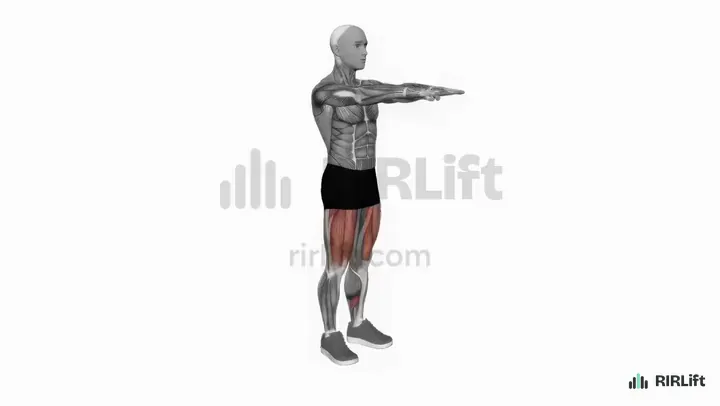
- Bodyweight Squat Quads
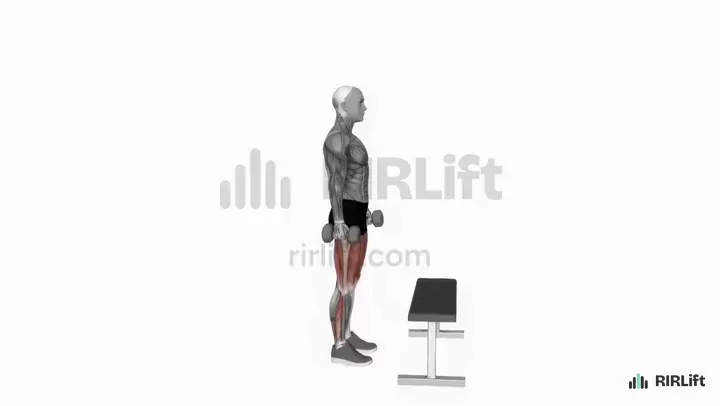
- Step-Up Quads, Glutes
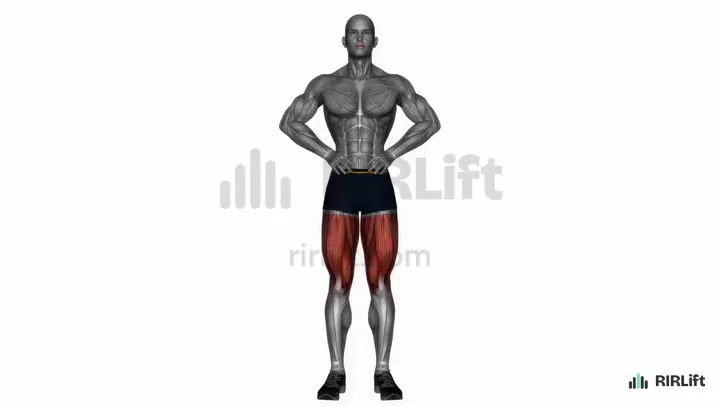
- Standing Side Leg Raise Abductors
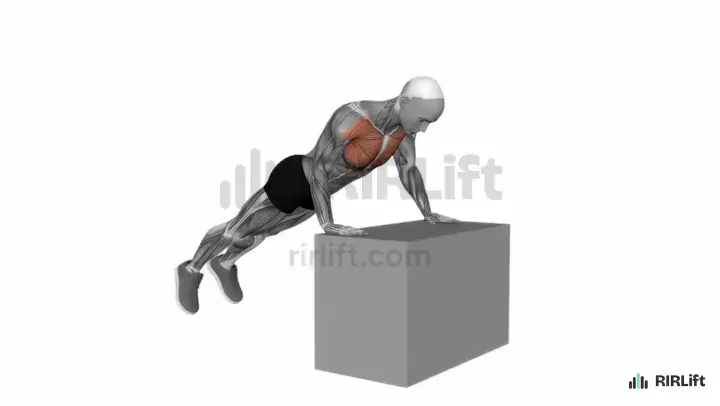
- Incline Push-Up Chest
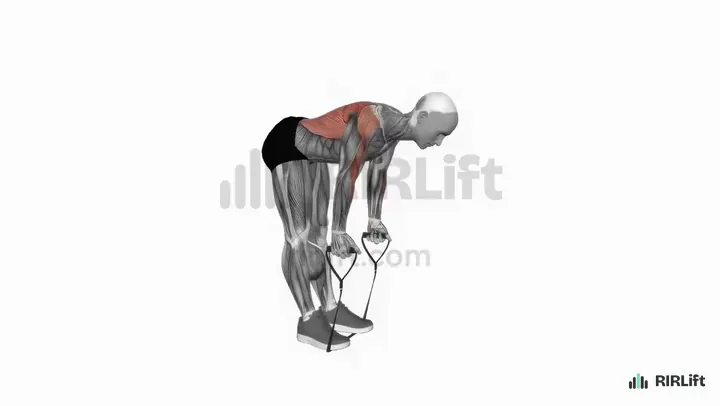
- Band Bent-Over Row Lats, Upper Back
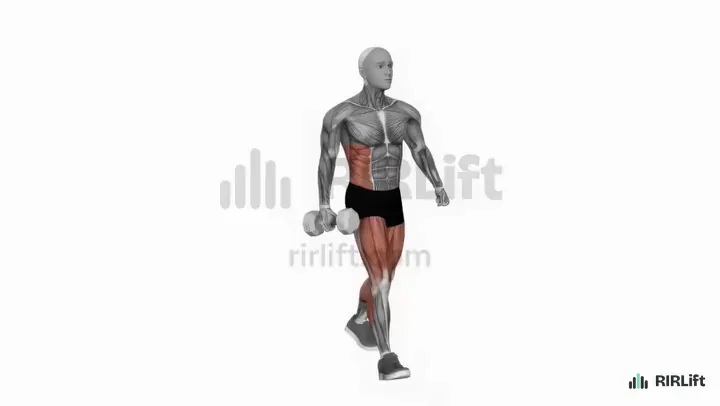
- Dumbbell Suitcase Carry Abs, Quads
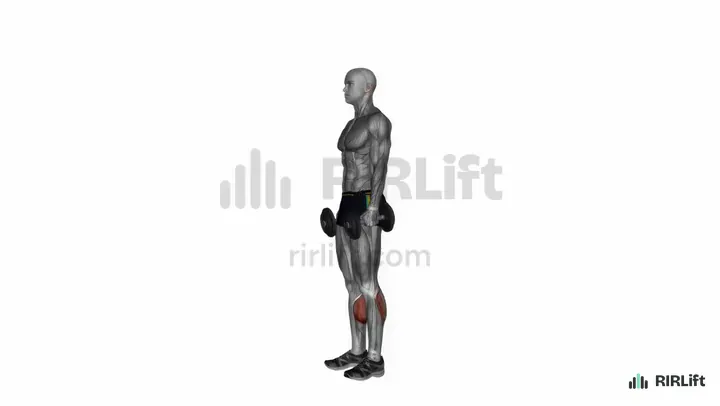
- Dumbbell Standing Calf Raise Calves
Put them together: example sessions
Each session below picks from the exercises above for one situation, with the sets, reps, rest and RIR filled in.
-
Session 1
At home with no equipment, at the kitchen counter
You cannot or do not want to get down on the floor, you have no weights, and you want a routine you can do in the kitchen with the counter for support.
3× a week · 30 sets a week · ~25 min
-
Session 2
At home with bands and light dumbbells
You have a pair of light dumbbells, a long resistance band and a mini band, and you want a full standing routine that keeps getting harder.
2× a week · 18 sets a week · ~20 min
-
Session 3
A gym, with core work that stays on your feet
You go to a gym, you want stronger legs and a stronger core, and floor exercises like crunches and planks are not an option for your back or knees.
2× a week · 24 sets a week · ~30 min
Session 1
At home with no equipment, at the kitchen counter
- Workouts3× a week
- Working sets30 a week
- Per workout~25 min
- EquipmentDumbbells, Flat Bench
You cannot or do not want to get down on the floor, you have no weights, and you want a routine you can do in the kitchen with the counter for support.
Five standing exercises at 2 sets each: 10 sets in about 15 minutes, done three times a week for 30 sets. Bodyweight exercises are light, so doing them often is what builds strength, and every set stops at 3 reps in reserve so you finish fresh enough to repeat it two days later.
| Exercise | Sets × reps | RIR | Rest |
|---|---|---|---|
| Bodyweight SquatHips touch the chair seat. | 2 × 8–15 | 3 | 90 s |
| Incline Push-UpHands on the counter edge. | 2 × 8–15 | 3 | 90 s |
| Step-UpPer leg. Bottom stair, hand on the rail. | 2 × 6–12 | 3 | 90 s |
| Standing Side Leg RaisePer leg. Counter in reach. | 2 × 10–15 | 3 | 1 min |
| Dumbbell Standing Calf RaiseNo dumbbells to start, holding the counter. | 2 × 12–20 | 3 | 1 min |
- How to run it
- Monday, Wednesday and Friday, or any three days with a day off between. Keep a chair beside the counter for the squats.
- How to progress
- Add 1 or 2 reps each week. When you reach the top of every range, make each exercise harder: a lower chair for squats, a lower surface for push-ups, a higher step, and calf raises on a step instead of the floor.
Session 2
At home with bands and light dumbbells
- Workouts2× a week
- Working sets18 a week
- Per workout~20 min
- EquipmentDumbbells, Resistance Bands, Flat Bench
You have a pair of light dumbbells, a long resistance band and a mini band, and you want a full standing routine that keeps getting harder.
Two different days, 4 exercises and 9 sets each, twice a week in total. Each day trains legs, hips, upper back and core on your feet, and the carries alternate between one hand and two. Most sets sit at 2 reps in reserve, a little harder than the counter plan, because the bands and dumbbells let you add resistance in small steps.
| Exercise | Sets × reps | RIR | Rest |
|---|---|---|---|
| Goblet Squat1 warm-up set firstChair behind you as the depth target. | 3 × 8–12 | 2 | 90 s |
| Band Bent-Over RowStand on the middle of the band. | 2 × 10–15 | 2 | 1 min |
| Band Standing Hip AbductionMini band above the knees. | 2 × 12–20 | 2 | 1 min |
| Dumbbell Suitcase CarryWalk about 20 yards per hand. | 2 × 1 | 2 | 90 s |
| Exercise | Sets × reps | RIR | Rest |
|---|---|---|---|
| Step-UpPer leg. Dumbbell in the free hand. | 3 × 8–12 | 2 | 90 s |
| Band Pull-Apart | 2 × 12–20 | 2 | 1 min |
| Incline Push-UpA lower surface than the counter. | 2 × 8–15 | 2 | 90 s |
| Farmer's WalkWalk 20 to 30 yards. | 2 × 1 | 2 | 90 s |
- How to run it
- Space Day A and Day B at least a day apart. Add the counter plan on a third day if you want more.
- How to progress
- When every set reaches the top of its range, use the next dumbbell or a stronger band. For carries, walk 10 yards further before going heavier.
Session 3
A gym, with core work that stays on your feet
- Workouts2× a week
- Working sets24 a week
- Per workout~30 min
- EquipmentDumbbells, Adjustable Cable, Flat Bench
You go to a gym, you want stronger legs and a stronger core, and floor exercises like crunches and planks are not an option for your back or knees.
Five exercises, three of them for the core done standing: the Pallof press, suitcase carry and farmer's walk, plus squats and step-ups for the legs. That is 12 sets per session twice a week, and the gym's cable and heavier dumbbells let the core work be loaded properly at 2 reps in reserve.
| Exercise | Sets × reps | RIR | Rest |
|---|---|---|---|
| Goblet Squat1 warm-up set firstBench behind you as the depth target. | 3 × 8–12 | 2 | 2 min |
| Pallof PressPer side. Hold 2 s at arm's length. | 3 × 8–12 | 2 | 1 min |
| Step-UpPer leg. Low box beside a rail. | 2 × 8–12 | 2 | 90 s |
| Dumbbell Suitcase CarryWalk about 30 yards per hand. | 2 × 1 | 2 | 90 s |
| Farmer's WalkWalk about 30 yards. | 2 × 1 | 2 | 90 s |
- How to run it
- Two days a week, such as Tuesday and Friday. Warm up with 5 minutes on a bike or treadmill.
- How to progress
- Double progression: when all sets reach the top of the range, add the smallest weight step. On the Pallof press, add a plate only when every rep holds for 2 seconds without your body turning.
Make it fit you
-
Your balance is shaky
Do every exercise next to the counter, with your fingertips on it. Use the banded hip abduction instead of the side leg raise, since both feet stay down. As you get steadier, rest only one finger on the counter.
-
You also want balance training
Between sets, stand on one foot for 10 to 30 seconds per side with a hand hovering over the counter. Step-ups and side leg raises already train balance; this adds a little more.
-
You have only 10 minutes
Do chair squats, counter push-ups and a suitcase carry for 3 rounds. Those three cover legs, upper body and core.
-
Standing for long tires you out
Rest seated between sets, and take the full rest time. Shorter sets of 6 to 8 reps are fine while your stamina builds.
-
Note how each set felt
Write down how many more reps you could have done after each set. If you log in RIRLift, it uses that number to set your next weight or band, so each exercise gets harder only when you are ready.
Questions
What are the best standing exercises for seniors?
Chair squats, step-ups, calf raises, side leg raises, counter push-ups, band rows and suitcase carries. Together they train the legs, hips, upper body and core without any floor work. Start with 2 sets of each, 2 or 3 times a week.
What are standing core exercises for seniors?
The suitcase carry, the farmer's walk and the Pallof press. They train the core to keep you upright and stop you leaning or twisting, which is what it does when you stand and walk. They replace planks and crunches for anyone who cannot get down to the floor.
What 5 exercises should seniors do every day?
Walking, plus chair squats, counter push-ups, calf raises and a few side leg raises per leg. These light exercises can be done daily; with weights or bands, train every other day so the muscles recover.
What are the 10 best strengthening exercises for seniors?
Chair squats, goblet squats, step-ups, calf raises, side leg raises, counter push-ups, band rows, band pull-aparts, suitcase carries and farmer's walks. Each of them is done standing, and each can be made harder with more weight or reps.
Can seniors build strength without getting on the floor?
Yes. Every major muscle group can be trained standing: legs with squats and step-ups, hips with side raises, upper body with counter push-ups and band rows, and core with carries. Floor exercises are one option, not a requirement.
Related templates
-
Core exercises for seniors: floor, standing and carrying
More core options, including some floor exercises when you are ready.
-
Resistance band exercises for seniors: a full body with one set of bands
More band exercises for a home routine.
-
Functional exercises for seniors, matched to the tasks they train
Exercises matched to daily tasks, including getting up from the floor.
-
Seniors warm up exercises: a gentle 10-minute routine
A short standing warm-up before these routines.
-
How to use reps in reserve (RIR)
How to judge stopping with 2 or 3 reps left.