
Dumbbell pullover: form, lats vs chest, and the best alternatives
Published October 17, 2026
The dumbbell pullover is a lying exercise where you lower one dumbbell from over your chest to behind your head in an arc, then pull it back. It trains your lats and chest in their stretched position, with your triceps and abs holding the arms and ribcage still. It works when your elbow angle stays fixed and you stop where your upper arms line up with your torso, so the pull comes from your armpits rather than your elbows.
- WorksLats
- AlsoChest
- EquipmentDumbbells
- Start with3 × 12–20, 2 in reserve, 2 min rest
How to do the dumbbell lat pullover
Lowering a dumbbell behind your head loads the lats at their longest length, which rows cannot do, and it keeps your biceps out of the lift. Across a bench you get the deepest stretch, and on the floor it still works with a shorter range.
Steps
- Lie across a flat bench with your upper back on it, feet flat and hips a little lower than the bench, or lie flat on the floor with your knees bent.
- Cup one dumbbell with both hands under the top plate and hold it straight over your chest.
- Soften your elbows, lock that bend in place, and pull your ribs down toward your hips.
- Let the dumbbell travel back behind your head in a wide arc until your upper arms are level with your torso, or until it nears the floor if you are lying down.
- Drive your upper arms back toward your hips along the same arc until the dumbbell is over your chest again, then start the next rep.
Cues
- Ribs down, no arching
- Pull with your armpits
- Stop when upper arms line up with your torso
Common mistakes
- Bending the elbows more as the dumbbell goes back, which turns it into a triceps extension: fix the elbow angle and lighten the load.
- Letting your ribcage flare to go deeper: brace your abs and stop at the point where your back wants to arch.
- Bringing the dumbbell all the way up until it sits over your face: stop when it reaches your chest line, where the lats still have work to do, and go straight into the next rep.
Swap for: Kettlebell Pullover, Straight-Arm Pulldown, Lat Pulldown
Muscles the dumbbell lat pullover works
The dumbbell pullover works your lats and your chest, with your triceps holding the elbows fixed and your abs keeping your ribs down. Both muscles are loaded hardest at the bottom, with the dumbbell behind your head and your arms overhead, and almost nothing is left at the top once the weight sits straight over your chest.
Sets, reps and reps in reserve for the dumbbell lat pullover
| Goal | Sets × reps | RIR | Rest |
|---|---|---|---|
| Build muscle | 3 × 12–20 | 2 | 2 min |
| This matches the session builder: add reps until you reach 20 at 2 reps in reserve, then move up to the next dumbbell. | |||
| After rows or pulldowns | 2–3 × 10–15 | 0–1 | 90 s |
| Your lats are already tired from the big pulls, so a moderate dumbbell taken close to failure finishes them in the stretch. | |||
| Chest day | 2–3 × 10–15 | 1 | 90 s |
| Use the chest version after your presses, in place of a second fly. | |||
| Beginners | 2 × 12–15 | 2–3 | 2 min |
| Start with a dumbbell you can hold at the bottom for two seconds without your elbows bending. | |||
Dumbbell lat pullover variations
-
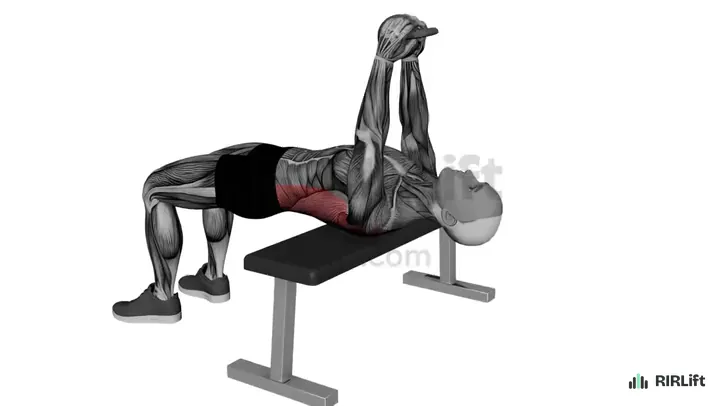
Kettlebell Pullover
Pick it if a kettlebell is what you have; holding the handle gives a secure grip, and the bell hanging below it adds a little range.
Build a session with it -
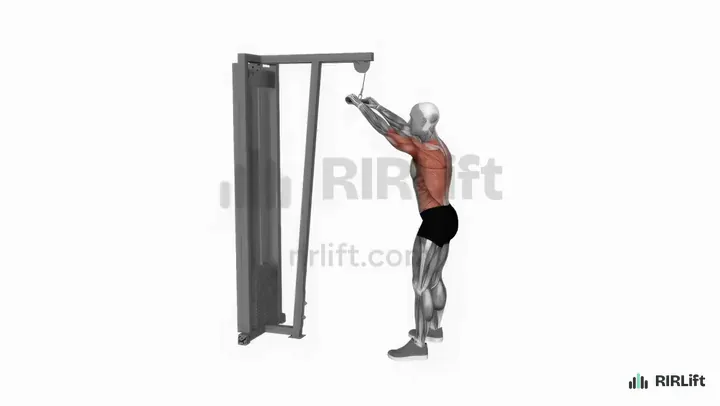
Straight-Arm Pulldown
Pick it for the same arm path standing at a cable, which keeps tension at the end of the rep where the dumbbell goes light.
Build a session with it
Dumbbell lat pullover alternatives
For your lats, at the gym
-
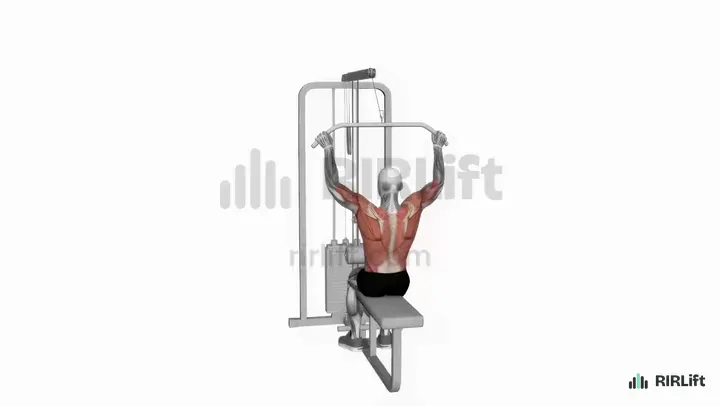
Lat Pulldown
Use it when you want a heavier lat exercise that still starts every rep from a full overhead stretch.
Build a session with it -
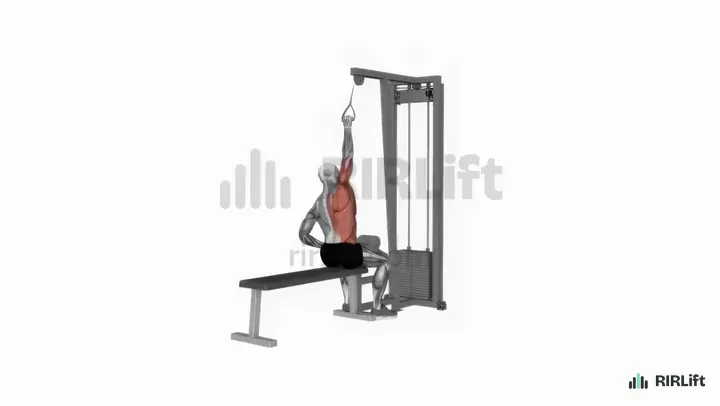
Single-Arm Lat Pulldown
Reach one arm up and across at the top for the deepest overhead lat stretch a cable gives you.
Build a session with it -
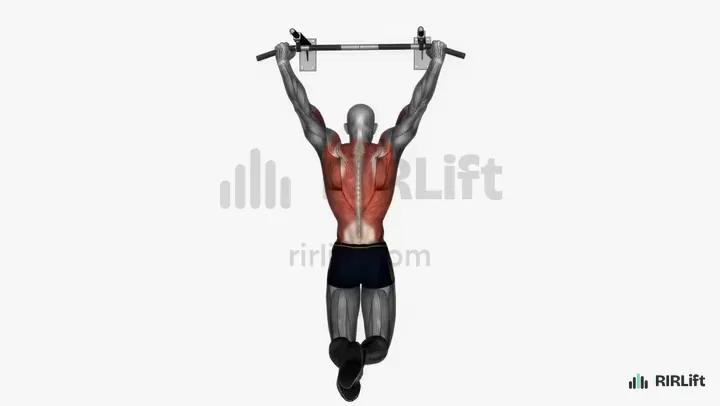
Pull-Up
Use it once you can do 5 or more reps; it loads the lats from the same arms-overhead start with your body as the weight.
Build a session with it
For your chest
-
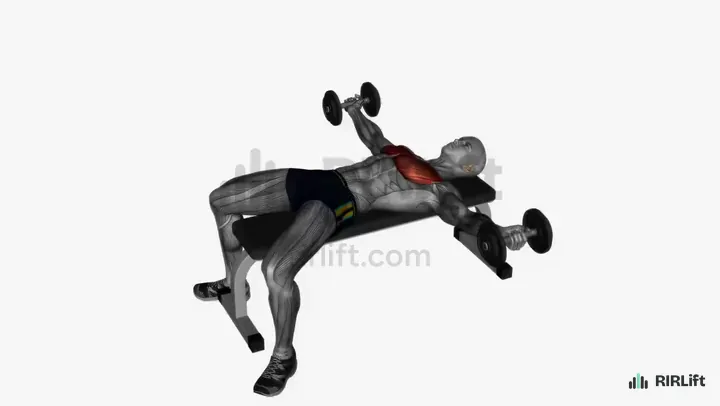
Dumbbell Chest Fly
Use it to stretch the chest with your arms out to the sides instead of overhead, with the same pair you press with.
Build a session with it -
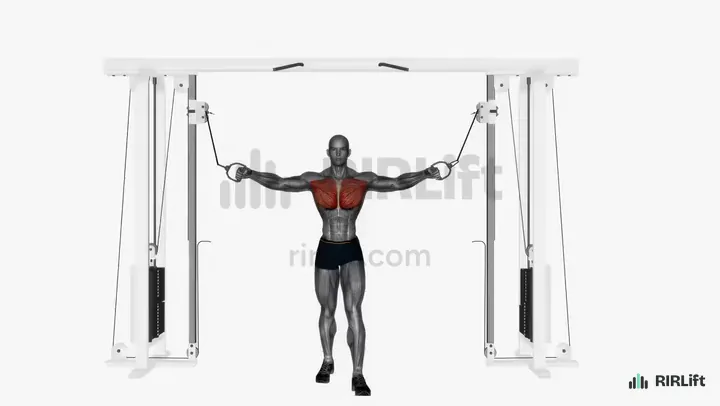
High-to-Low Cable Fly
Pick it when you want the chest loaded through the whole rep, including the squeeze where a pullover goes light.
Build a session with it -
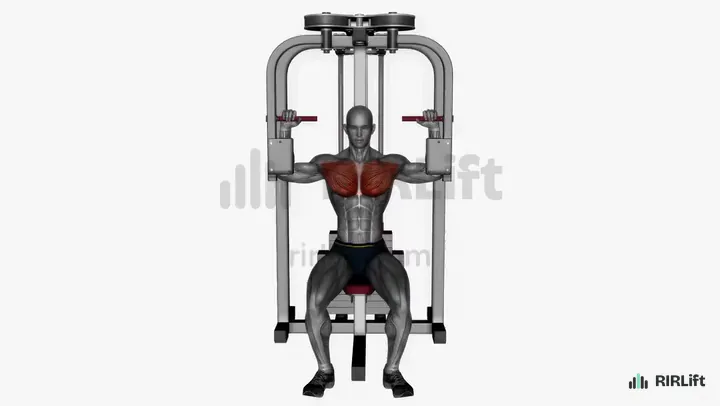
Pec Deck Fly
Choose the machine to take a chest isolation set close to failure without balancing anything.
Build a session with it
Dumbbells only, no bench
-
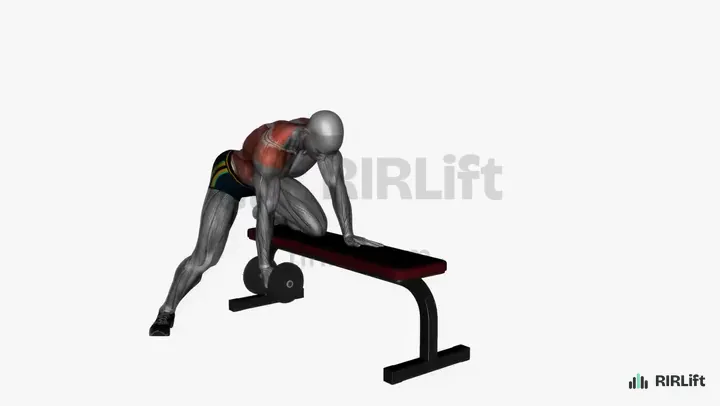
One-Arm Dumbbell Row
Brace a hand on a chair and row toward your hip to train your lats hard with a single dumbbell.
Build a session with it -
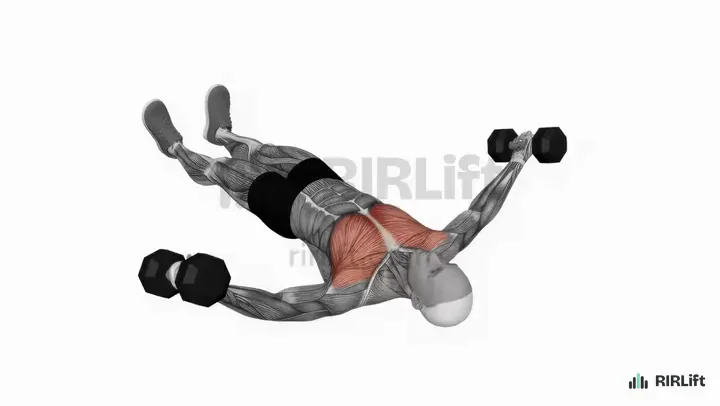
Dumbbell Floor Fly
Lie on the floor and open your arms until your elbows touch down when the chest is your target and there is no bench.
Build a session with it
Dumbbell pullover: chest or lats?
Both, and you can choose which one leads. For your lats, keep your elbows pointed toward your feet, keep your hips low, and think about driving your upper arms down toward your hips. For your chest, let your elbows drift out a little, hold the dumbbell over your lower chest at the top, and squeeze your chest as it comes over.
In the app the two are logged separately, as the lat pullover and the chest pullover, so your progress on each stays apart. Put the lat version on back day after your rows, and the chest version on chest day after your presses.
Dumbbell pullover on the floor
With no bench, lie face up on the floor, knees bent and feet flat, and press your lower back into the floor. Lower the dumbbell behind your head until it nearly touches the floor, then pull it back over your chest. The floor shortens the range, so pick a dumbbell you can take to 2 reps from failure in 15 to 20 reps and slow the lowering to three seconds.
It is the version in the no-bench session on back exercises with dumbbells.
Questions
What muscles does the dumbbell pullover work?
It works your lats and your chest, with your triceps holding the elbow bend and your abs keeping your ribs down. Both main muscles are loaded hardest with the dumbbell behind your head.
Is the dumbbell pullover a chest or back exercise?
It trains both. Keep your elbows pointed toward your feet and pull with your armpits to lead with your lats; let your elbows drift out and squeeze your chest at the top to lead with your chest.
Can I do dumbbell pullovers on the floor?
Yes. Lie face up on the floor with bent knees, lower the dumbbell behind your head until it nearly touches the floor, and pull it back over your chest. The range is shorter than across a bench, so use higher reps and a slow lowering.
What can I do instead of a dumbbell pullover?
For your lats, the straight-arm pulldown is the closest swap, followed by the lat pulldown and the pull-up. For your chest, use a dumbbell chest fly or a cable fly. With only dumbbells and no bench, row one dumbbell with a hand on a chair.
How heavy should a dumbbell pullover be?
Heavy enough that 12 to 20 reps leave you 2 reps short of failure with your elbow angle unchanged. If your elbows bend more as you tire, the dumbbell is too heavy.
Do dumbbell pullovers work the serratus?
Your serratus helps hold your shoulder blades against your ribs while your arms move overhead, but the lats and chest do most of the work. Count your pullover sets toward your lats or chest, whichever you aimed it at.
How far back should the dumbbell go?
Lower it until your upper arms line up with your torso. Going further mostly makes your back arch and your ribs flare without stretching your lats any more.
Related templates
-
Back exercises with dumbbells: lats, upper back, traps and lower back
Where the pullover fits next to rows, shrugs and hinges in a full dumbbell back session.
-
Chest exercises with dumbbells, with or without a bench
The chest pullover alongside presses and flies, with and without a bench.
-
Lat pulldown: form, grip width and the best alternatives
The heavier lat exercise to pair with the pullover when you train at a gym.
-
Lengthened partials
How to extend a set in the stretched position the pullover already loads.