
Dumbbell shoulder exercises for all three delts
Published October 19, 2026
The best dumbbell shoulder exercises are the seated dumbbell press and the Arnold press for the front delts, the lateral raise for the side delts, and the bent-over rear delt fly or chest-supported raise for the rear delts. One press, one side raise and one rear delt move cover all three heads. Do 2 to 4 sets of each, stop presses 1 to 2 reps short of failure and take raises to 0 to 1, and give side and rear delts more sets than the front, which already works in every press.
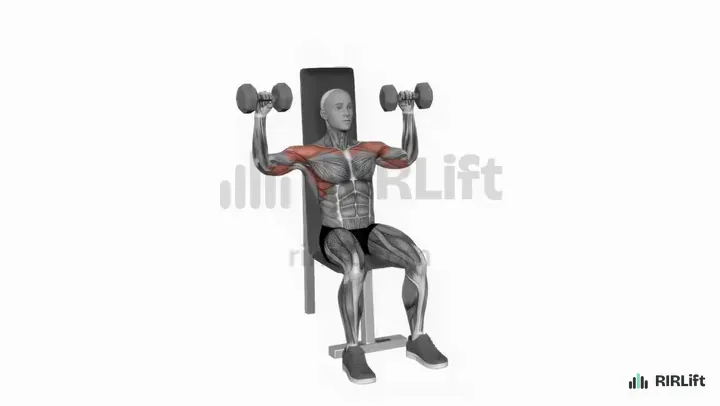
- Dumbbell Shoulder Press Shoulders
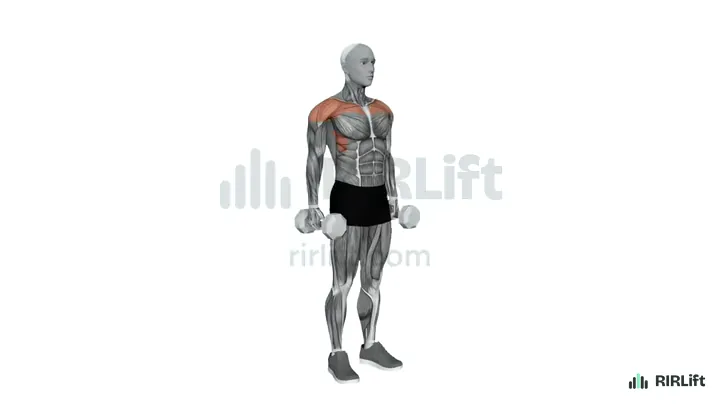
- Dumbbell Lateral Raise Shoulders
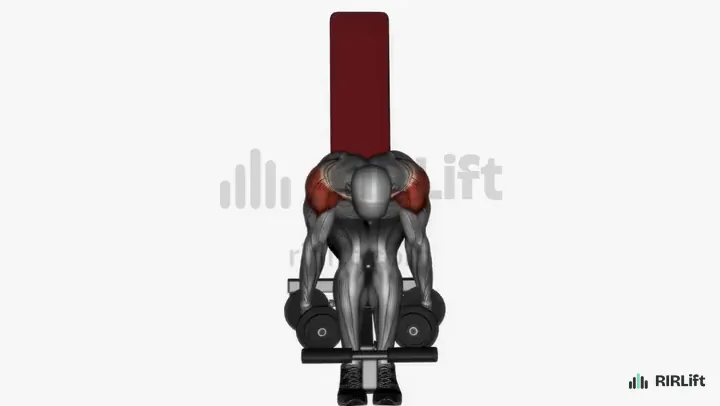
- Dumbbell Rear Delt Fly Shoulders
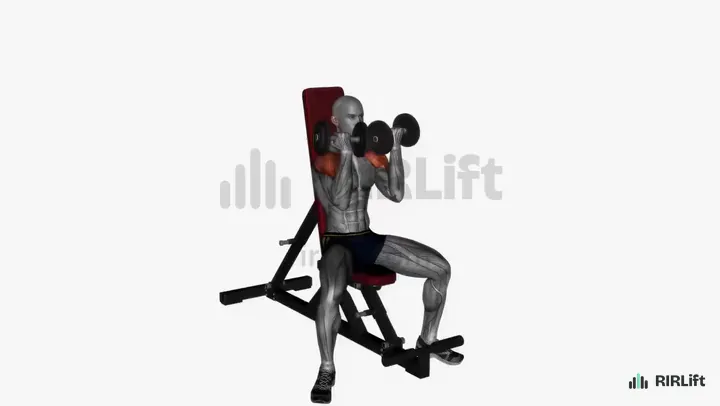
- Arnold Press Shoulders
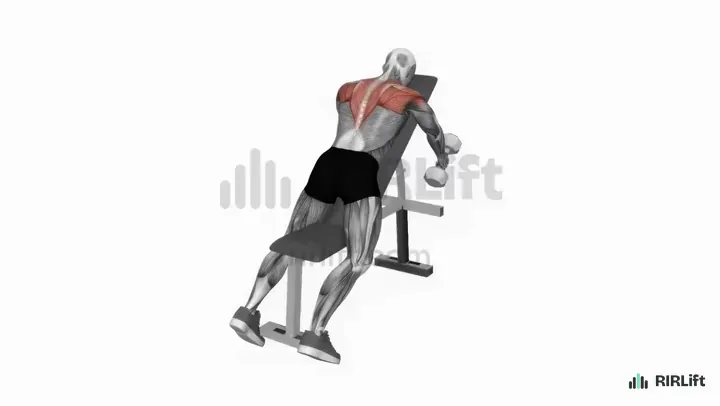
- Incline Dumbbell Rear Delt Raise Shoulders
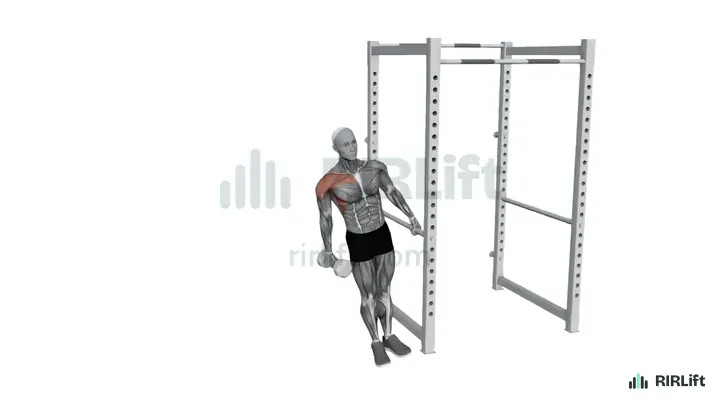
- Leaning Dumbbell Lateral Raise Shoulders
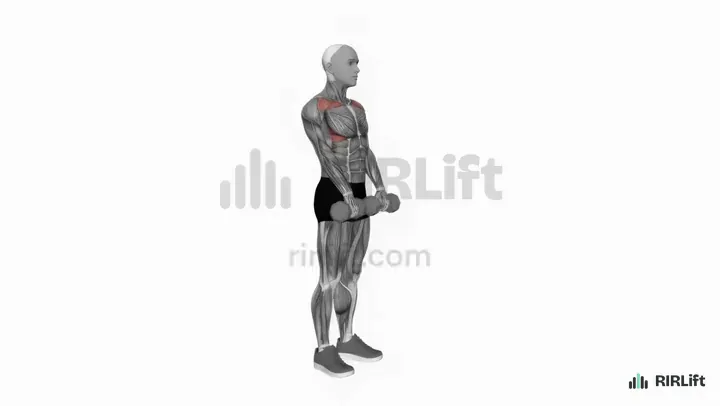
- Dumbbell Front Raise Shoulders
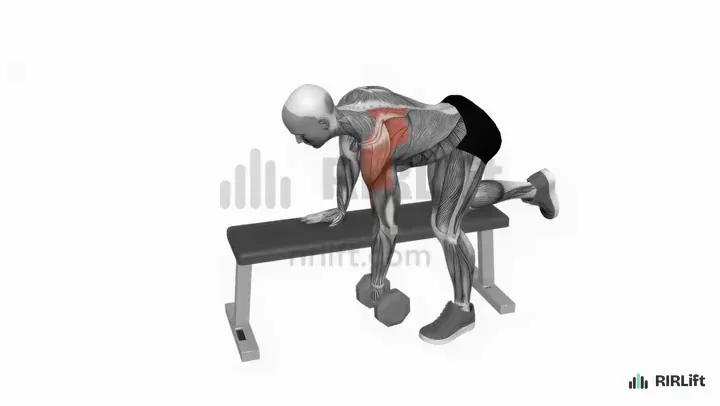
- Dumbbell Rear Delt Row Shoulders
Put them together: example sessions
Each session below picks from the exercises above for one situation, with the sets, reps, rest and RIR filled in. Open one in the session builder to change a pick, price it from a recent set, and add it to RIRLift.
-
Session 1
One pair of 20 to 25 lb dumbbells, no bench
You train at home with a single light pair and want shoulders that grow without buying more weight.
2× a week · 22 sets a week · ~20 min
-
Session 2
Adjustable bench and a full set of dumbbells, one shoulder day
You have a bench and dumbbells in small jumps and want one dedicated session that covers every head of the delts.
1× a week · 17 sets a week · ~45 min
-
Session 3
Shoulders added to push and pull days, 15 minutes each
You already train chest and back and only want a short block at the end of each day to bring the shoulders up.
2× a week · 12 sets a week · ~10 min
Session 1
One pair of 20 to 25 lb dumbbells, no bench
- Workouts2× a week
- Working sets22 a week
- Per workout~20 min
- EquipmentDumbbells
You train at home with a single light pair and want shoulders that grow without buying more weight.
A light pair is plenty for side and rear delts but runs out fast on a two-arm press, so the press here is single-arm: one dumbbell for one shoulder feels like a heavier load. Lateral and rear delt raises take the high rep ranges and go to 0 to 1 RIR, because light weight only works when the last reps are hard. The leaning raise uses a door frame for support. Each session has 11 or 12 sets, more of them for the side and rear delts than the front.
| Exercise | Sets × reps | RIR | Rest |
|---|---|---|---|
| Single-Arm Dumbbell Shoulder PressPer arm. Free hand on hip. | 3 × 8–15 | 1 | 1 min |
| Dumbbell Lateral RaiseTwo seconds down. | 4 × 12–20 | 0 | 1 min |
| Dumbbell Rear Delt FlySeated on a chair, chest down. | 4 × 12–20 | 0 | 1 min |
Open Shoulders A in the session builder
| Exercise | Sets × reps | RIR | Rest |
|---|---|---|---|
| Single-Arm Dumbbell Shoulder PressThree seconds down. | 3 × 10–15 | 1 | 1 min |
| Leaning Dumbbell Lateral RaisePer side. Hold a door frame. | 3 × 12–20 | 0 | 45 s |
| Dumbbell Rear Delt RowPer side. Hand on a chair. | 3 × 10–15 | 1 | 1 min |
| Dumbbell Front Raise | 2 × 12–15 | 1 | 45 s |
Open Shoulders B in the session builder
- How to run it
- Do Shoulders A and Shoulders B on two different days each week, at least two days apart. Stand for everything; sit on a chair for the press if your back arches.
- How to progress
- Add reps first. When the press reaches 15 reps per arm at 1 RIR, slow the lowering to three seconds; on raises, add a one-second pause at the top. Get heavier dumbbells when those also top out.
Session 2
Adjustable bench and a full set of dumbbells, one shoulder day
- Workouts1× a week
- Working sets17 a week
- Per workout~45 min
- EquipmentDumbbells, Incline Bench
You have a bench and dumbbells in small jumps and want one dedicated session that covers every head of the delts.
With heavier dumbbells and a backrest, the seated press can be loaded properly, so it opens the session at 6 to 10 reps and 2 RIR with warm-up sets. The bench also unlocks the lying incline lateral raise and the chest-supported rear delt raise, the two strictest raises a dumbbell allows. The Arnold press adds front delt volume at a lighter weight after the heavy press, and the cuff work comes last. That is 17 working sets, with side and rear delts getting 8 between them against 7 for pressing.
| Exercise | Sets × reps | RIR | Rest |
|---|---|---|---|
| Dumbbell Shoulder Press2 warm-up sets firstBack on the pad. | 4 × 6–10 | 2 | 2:30 min |
| Incline Dumbbell Lateral RaisePer side. 45 degree bench. | 3 × 12–20 | 0 | 1 min |
| Arnold Press | 3 × 8–12 | 1 | 2 min |
| Incline Dumbbell Rear Delt RaiseChest on the pad. | 3 × 12–20 | 0 | 1 min |
| Dumbbell Lateral RaiseTwo seconds down. | 2 × 15–25 | 0 | 1 min |
| Dumbbell Lying External RotationPer side. Light. | 2 × 15–20 | 2 | 45 s |
- How to run it
- Do it once a week on its own day, at least two days away from your heaviest chest pressing.
- How to progress
- When the seated press reaches 10 reps on every set at 2 RIR, go up to the next dumbbells and restart at 6. On raises, add reps up to 20, then move up one dumbbell size.
Session 3
Shoulders added to push and pull days, 15 minutes each
- Workouts2× a week
- Working sets12 a week
- Per workout~10 min
- EquipmentDumbbells
You already train chest and back and only want a short block at the end of each day to bring the shoulders up.
Chest pressing already trains the front delts, so this plan uses one easy-on-the-joints press and spends most of its sets on side and rear delts. On push day the neutral-grip press and lateral raise follow your chest work; on pull day the rear delt row and fly follow your rows, since the rear delts are already warm. Supersets keep each block to about 15 minutes. Presses stay at 2 RIR because you are tired from the main lifts; raises go to 0 to 1.
| Exercise | Sets × reps | RIR | Rest |
|---|---|---|---|
| A1 Neutral-Grip Dumbbell Shoulder PressPalms in. | 3 × 8–12 | 2 | 30 s |
| A2 Dumbbell Lateral Raise | 3 × 12–20 | 0 | 75 s |
Open Push Add-on in the session builder
| Exercise | Sets × reps | RIR | Rest |
|---|---|---|---|
| A1 Dumbbell Rear Delt RowPer side. Elbow out. | 3 × 10–15 | 1 | 30 s |
| A2 Dumbbell Rear Delt Fly | 3 × 15–20 | 0 | 75 s |
Open Pull Add-on in the session builder
- How to run it
- Add Push Add-on to the end of your push or chest day and Pull Add-on to the end of your pull or back day. Do each superset pair back to back, then rest.
- How to progress
- Add one rep per set each week until you reach the top of every range, then go up one dumbbell size and drop back to the bottom.
Make it fit you
-
Only light dumbbells for pressing
Swap any two-arm press for the single-arm press, and add a three-second lowering. Keep the lateral and rear delt raises as they are: light weight is what those muscles need anyway.
-
Front of the shoulder aches when you press
Use the neutral-grip press in place of the standard and Arnold press, stop each rep at chin height, and leave the front raise out. Do the external rotation sets early in the session as a warm-up.
-
Shoulders look narrow
Do a lateral raise first in the session while you are fresh, then add a second raise variation later. Six to ten hard side delt sets a week, taken close to failure, is a good target before adding more.
-
Shoulders roll forward
Match every set of pressing with a set of rear delt work across the week. The chest-supported raise and the flared row are the easiest to feel; add a pause at the top of each rep.
-
Can't feel the side delts working
Halve the weight, raise the dumbbells only to shoulder height, and lower them for three seconds. The leaning raise and the incline lateral raise both make it harder to cheat with your legs or traps.
-
Log the RIR, not just the weight
On raises the weight barely changes for months, so reps in reserve is how you know you are improving. If you log in RIRLift, each set's RIR feeds the weight it suggests next time, and your weekly hard sets for the shoulders add up on their own.
Questions
What are the 3 main dumbbell shoulder exercises?
A dumbbell shoulder press, a lateral raise and a rear delt fly. The press trains the front delts, the lateral raise the side delts and the fly the rear delts, so those three alone cover the whole shoulder.
How do you hit all three shoulder heads with dumbbells?
Press overhead for the front delt, raise your arms sideways for the side delt, and lean forward or lie chest-down on a bench to raise them out for the rear delt. Give the side and rear delts at least as many sets as the press.
Is 3 shoulder exercises enough?
Yes, if they are a press, a side raise and a rear delt move done for 2 to 4 hard sets each. That is 6 to 12 sets per session, enough for most people at one or two sessions a week.
Are 25 lb dumbbells enough to build shoulders?
For the side and rear delts, yes; most people do raises with less. For pressing, 25 lb gets easy sooner, so use single-arm presses, higher reps and slower lowering, and take the sets close to failure.
How do you train the back of the shoulders with dumbbells?
Lean forward or lie face down on an incline bench and lift the dumbbells wide with slightly bent elbows. A one-arm row with your elbow flared wide also loads the rear delt and lets you go heavier.
Should I do dumbbell shoulder exercises seated or standing?
Seated with a backrest lets you press heavier with less arching. Standing works your trunk more and needs no bench. For raises it matters little, so pick the one that keeps your reps strict.
How many sets of dumbbell shoulder exercises per week?
Around 8 to 16 hard sets per week for the side and rear delts each is a common range. Front delts usually need fewer direct sets, since chest and shoulder presses already train them.
Related templates
-
Shoulder exercises at home, with or without weights
Bands, bodyweight and kettlebells for when dumbbells are not all you have.
-
Shoulder exercises at the gym: machines, cables and bars
The machines and cables that take over from dumbbells once you have a full gym.
-
Lateral raises: how to do them, and what to do instead
Every lateral raise variation and how to program them for wider shoulders.
-
Arnold press: how to do it, and what to do instead
The rotating press in detail, with variations and set and rep targets.
-
The best workout for shoulders, for your situation
Full shoulder programs that mix dumbbells with barbell and cable work.
-
How to use reps in reserve (RIR)
How to tell 0, 1 and 2 reps in reserve apart on light raises.