Exercises for basketball: strength, jumps and durability

The best exercises for basketball are the trap bar deadlift and Bulgarian split squat for leg strength, the single-leg Romanian deadlift and Nordic curl for the hamstrings, lateral and single-leg box jumps for explosiveness, single-leg calf raises and the Copenhagen plank for ankles and inner thighs, the Pallof press for the trunk, and the dumbbell push press and one-arm row for the upper body. A basketball workout in the gym starts with a few low-rep jumps, moves to one heavy leg lift and one single-leg lift, and finishes with upper body and trunk, all stopping 1 to 3 reps short of failure so you still have legs for the court.

  1. Trap Bar Deadlift Quads, Glutes
  2. Bulgarian Split Squat Quads, Glutes
  3. Single-Leg RDL Hamstrings, Glutes
  4. Nordic Hamstring Curl Hamstrings
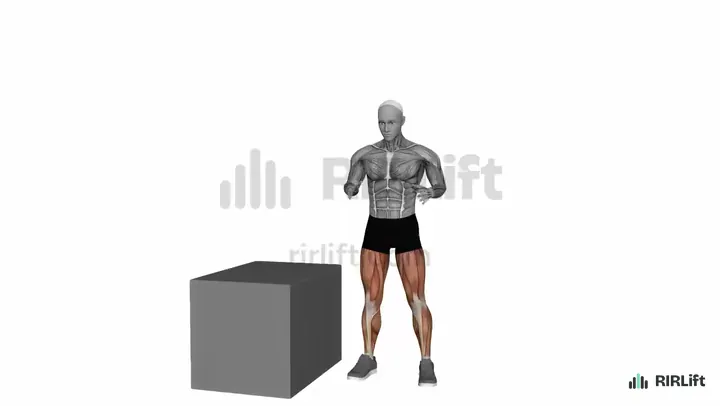
  5. Lateral Box Jump Quads, Glutes, Abductors
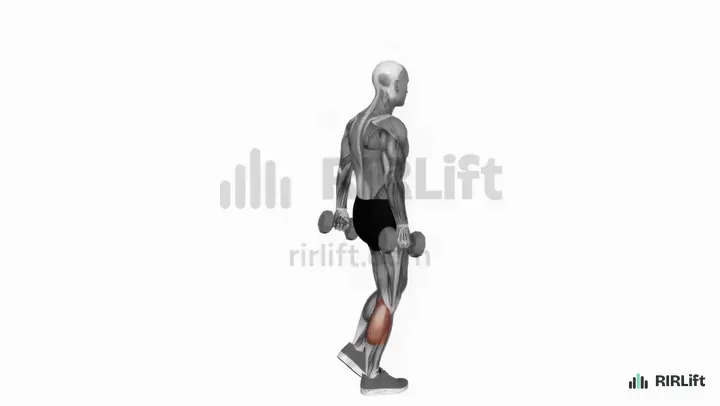
  6. Single-Leg Calf Raise Calves
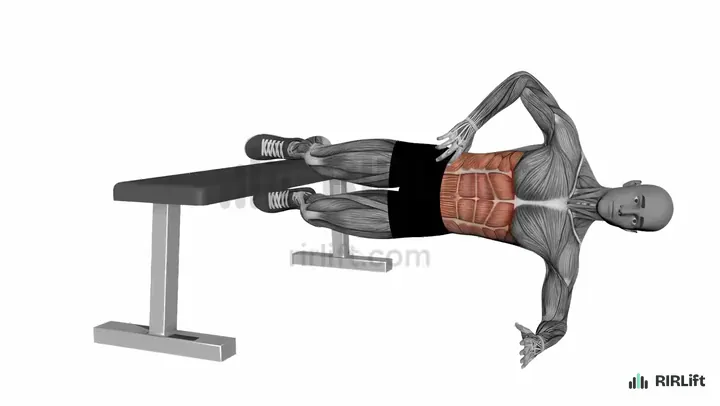
  7. Copenhagen Plank Adductors, Abs
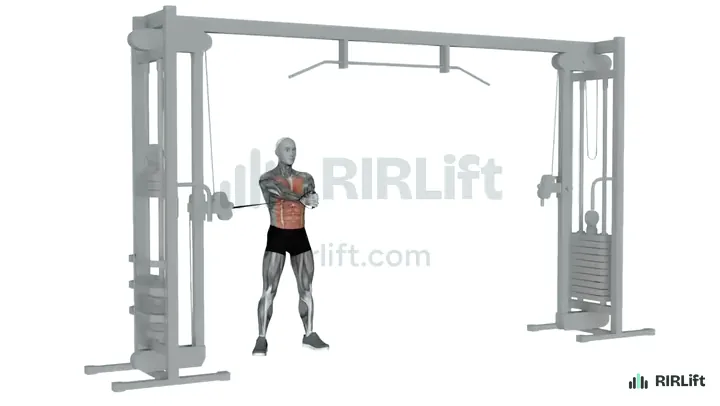
  8. Pallof Press Abs
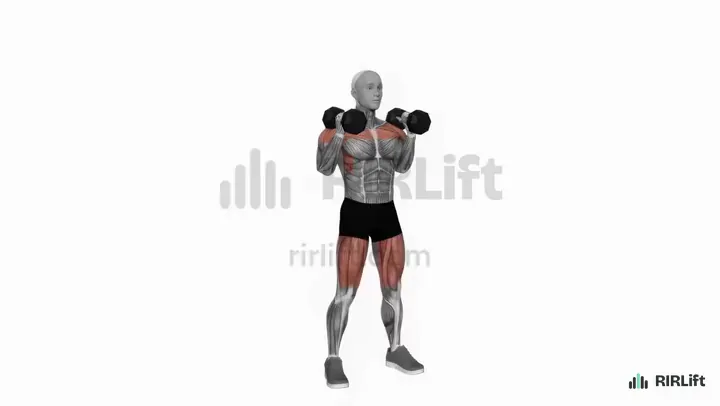
  9. Dumbbell Push Press Shoulders

Leg strength for driving and finishing

Strong legs make every jump, cut and box-out easier. Pick one heavy two-leg lift and one single-leg lift per session; the single-leg work matters more for basketball because most actions happen off one foot.

Whole-body strength, hip and knee drive

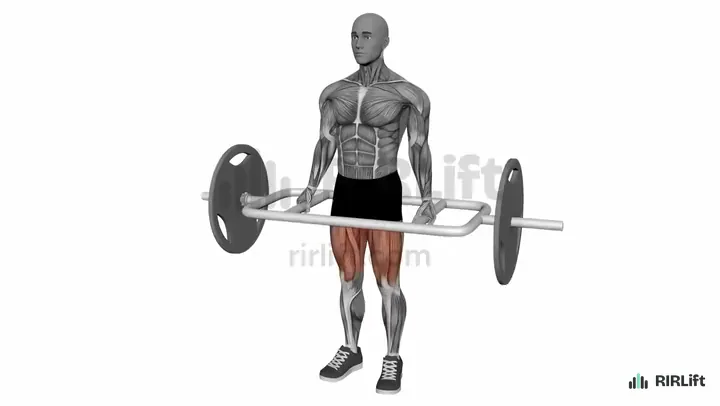
Trap Bar Deadlift

Quads, Glutes

Standing inside the bar keeps the load centered over your feet, so you can pull heavy with a more upright back than a straight-bar deadlift. It builds the hip and thigh strength behind boxing out, finishing through contact and the first step of a drive.

How to do it

  1. Step into the hex bar with your feet about hip-width apart and the handles beside your ankles.
  2. Push your hips back and bend your knees until you can grab the handles with straight arms and a flat back.
  3. Brace your stomach, then push the floor away until you stand tall with hips and knees locked out together.
  4. Sit back down along the same path and set the bar on the floor before the next rep.

Cues

  • Push the floor, don't pull the bar
  • Chest up, shins close to vertical

Common mistakes

  • Letting the hips shoot up first so the back does the lifting: start with your hips a little lower and drive with your legs.

Swap for: Barbell Deadlift, Dumbbell Romanian Deadlift, Kettlebell Deadlift

Single-leg strength for jumping and landing

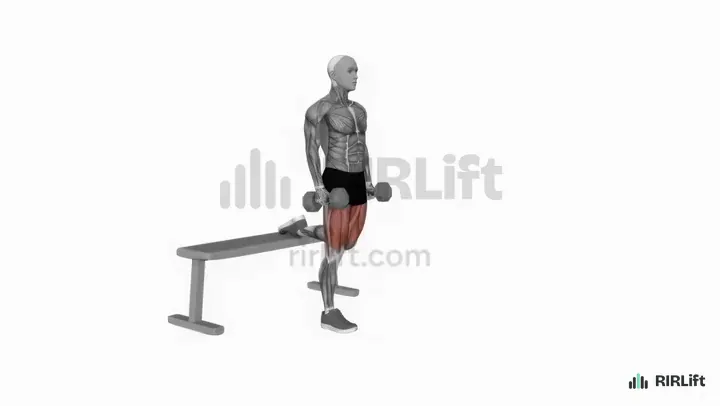
Bulgarian Split Squat

Quads, Glutes

Most of a game happens on one leg: takeoffs, layups, cuts and landings. With your back foot on a bench, the front leg does nearly all the work, and any side-to-side strength gap shows up fast.

How to do it

  1. Stand two steps ahead of a bench and rest the top of your back foot on it.
  2. Hold dumbbells at your sides and lower straight down until your back knee nearly touches the floor.
  3. Drive through the whole front foot to stand back up, keeping your front knee tracking over your toes.
  4. Finish every rep on one leg, then switch.

Cues

  • Drop the back knee straight down
  • Front heel stays heavy

Common mistakes

  • Placing the front foot so close that the heel lifts at the bottom: move it forward until your shin stays fairly upright.
  • Bouncing off the back foot: it only balances you, the front leg lifts.

Swap for: Dumbbell Split Squat, Dumbbell Reverse Lunge, Step-Up

Single-leg drive in a jumping pattern

Step-Up

Quads, Glutes

A step-up looks like a slow-motion one-leg takeoff. It loads the drive leg through a full knee bend without much soreness, which makes it the easiest single-leg exercise to keep in-season.

How to do it

  1. Place one foot fully on a knee-height box or bench, holding dumbbells at your sides.
  2. Lean slightly forward and push through the top foot until you stand fully on the box.
  3. Step down with control, landing the trailing foot softly, and keep the working foot on the box for all reps.

Cues

  • Lift with the top leg, not a hop
  • Stand all the way up

Common mistakes

  • Pushing off the bottom foot to get up: keep that foot relaxed and lower the box if you can't stand without it.

Swap for: Kettlebell Step-Up, Bulgarian Split Squat, Dumbbell Reverse Lunge

Build a session with Step-Up

Hamstrings and hips for sprinting and landing

Your hamstrings brake you when you land and stop, and they pull hard when you sprint. A one-leg hinge and a Nordic cover both jobs in a few sets a week.

Hamstrings, glutes and balance on one leg

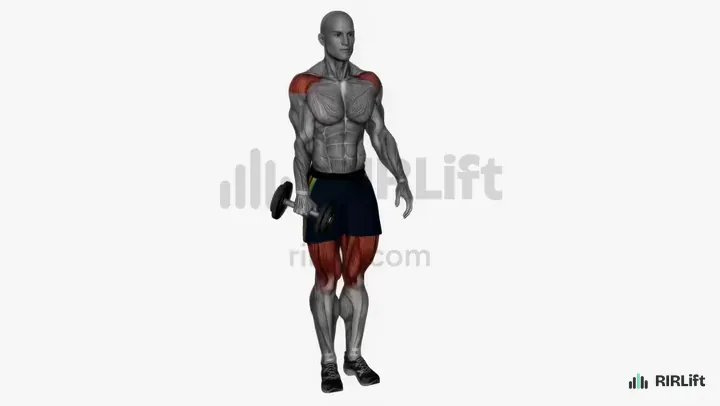
Single-Leg RDL

Hamstrings, Glutes

Basketball players land, stop and change direction on one leg, often off balance. This hinge builds the back of the thigh and the hip control that keeps your pelvis level when you plant.

How to do it

  1. Stand on one leg holding a dumbbell in the opposite hand, standing knee slightly bent.
  2. Tip your torso forward as the free leg reaches straight back, keeping your hips square to the floor.
  3. Lower until you feel a strong stretch in the standing hamstring, then drive the hip forward to stand tall.

Cues

  • Reach the back heel to the wall behind you
  • Hips stay level

Common mistakes

  • Opening the hip so the free leg turns out: point the back toes at the floor the whole rep.

Swap for: Dumbbell B-Stance RDL, Dumbbell Romanian Deadlift, Kettlebell Deadlift

Hamstring strength at long lengths

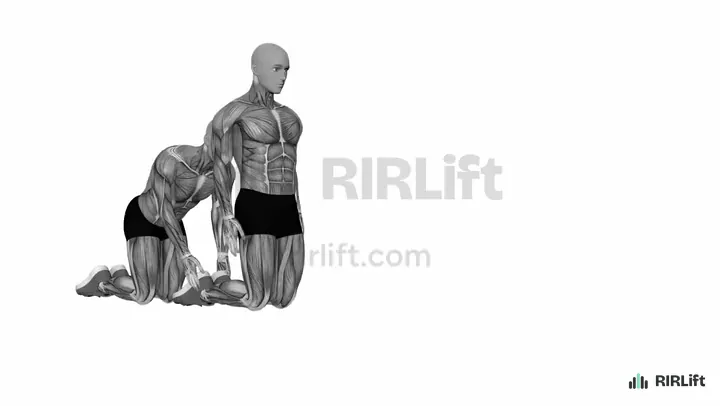
Nordic Hamstring Curl

Hamstrings

Sprinting back on defense loads the hamstrings hard as they lengthen. The Nordic trains exactly that: lowering your whole body against your own hamstrings with your knees anchored.

How to do it

  1. Kneel on a pad with your ankles held down by a partner or a fixed support.
  2. Keep a straight line from knees to shoulders and lean forward as slowly as you can.
  3. When you can't hold it anymore, catch yourself with your hands, push back up lightly, and repeat.

Cues

  • Slow the fall for as long as possible
  • Hips stay extended

Common mistakes

  • Bending at the hips to shorten the lever: squeeze your glutes so the body stays one straight line.

Swap for: Lying Leg Curl, Glute Ham Raise, Stability Ball Leg Curl

Jumping power: vertical and lateral

Jumps go first in a session, while you are fresh, in low reps with full rest. Jumping onto a box keeps the landing gentle so you can train the takeoff without adding pounding on top of practice.

Side-to-side explosiveness

Lateral Box Jump

Quads, Glutes, Abductors

Defensive slides, closeouts and rebounding scrambles are lateral. Jumping sideways onto a box trains the push-off from the outside leg and a quiet, stable landing without the pounding of repeated floor jumps.

How to do it

  1. Stand beside a low box with your feet at hip width.
  2. Dip quickly into a quarter squat and jump up and sideways onto the box.
  3. Land softly with both feet flat and knees bent, stand up, then step down and reset before the next rep.

Cues

  • Quick dip, big push
  • Land quiet

Common mistakes

  • Choosing a box so high that you land in a deep squat: the landing should look like your takeoff position.

Swap for: Box Jump, Single-Leg Box Jump, Jump Squat

One-leg vertical power

Single-Leg Box Jump

Quads, Glutes

Layups and many rebounds leave the floor off one foot. This jump builds that takeoff while the box cuts the landing force, so you get the power without the impact of repeated drops.

How to do it

  1. Stand on one leg facing a low box.
  2. Swing your arms back, dip on the standing leg, and jump onto the box.
  3. Land on the same foot with a soft knee, stand tall, step down, and do every rep on one leg before switching.

Cues

  • Arms drive the jump
  • Stick the landing for a second

Common mistakes

  • Rushing reps so each takeoff is weaker than the last: rest a few seconds between jumps, every rep should be your best.

Swap for: Lateral Box Jump, Box Jump, Step-Up

Ankles and inner thighs for cutting

Calves and adductors take a beating from repeated landings and lateral cuts, and they are easy to leave out. A few hard sets each week build them up.

Ankle stiffness and calf strength

Single-Leg Calf Raise

Calves

Your calves and Achilles absorb every landing and power every bounce. Working one leg at a time through a full range builds the ankle strength that quick, repeated jumps rely on.

How to do it

  1. Stand on one foot on the edge of a step, holding a wall or rail for balance.
  2. Lower your heel slowly below the step until you feel a full stretch.
  3. Rise as high as you can onto the ball of your foot, pause, and lower again.

Cues

  • Full stretch, full rise
  • Pause at the top

Common mistakes

  • Bouncing through short reps: count two seconds down and hold the top for a beat.

Swap for: Standing Calf Raise, Dumbbell Standing Calf Raise, Seated Calf Raise

Inner-thigh strength for cutting

Copenhagen Plank

Adductors, Abs

Your adductors brake and redirect every lateral cut. The Copenhagen plank loads them from the side with no equipment beyond a bench, and short holds go a long way.

How to do it

  1. Lie on your side next to a bench and place your top leg on it at the knee or ankle.
  2. Prop yourself on your forearm and lift your hips until your body is straight, bottom leg hanging free or tucked under the bench.
  3. Hold for the target time, lower, and switch sides.

Cues

  • Squeeze the top leg down into the bench
  • Hips high, body straight

Common mistakes

  • Starting with the bench at the ankle: begin with the knee on the bench, then move toward the ankle as holds get easy.

Swap for: Side Plank, Hip Adduction Machine, Dumbbell Side Plank

Trunk strength for contact

Basketball core work is about not getting bent or twisted when someone bumps you. Anti-rotation and side holds do that better than crunches.

Resisting twist in the trunk

Pallof Press

Abs

Contact on drives and post-ups tries to twist you. Pressing a cable out in front while it pulls you sideways trains your trunk to hold position so force goes from your legs into the ball.

How to do it

  1. Set a cable handle at chest height and stand side-on to the machine, feet hip-width apart.
  2. Hold the handle at your chest with both hands and step out until the cable pulls.
  3. Press the handle straight out, hold for two seconds without letting your torso rotate, and bring it back.

Cues

  • Ribs down, hips square
  • Press straight, don't drift

Common mistakes

  • Standing too close for any tension: step out until holding the arms out takes real effort.

Swap for: Dead Bug, Side Plank, Cable Woodchop

Lateral trunk and hip strength

Side Plank

Abs

A side plank trains the muscles along your side that keep your hips and ribs stacked when you absorb a bump. It costs little recovery, so it fits after any session.

How to do it

  1. Lie on your side with your elbow under your shoulder and legs stacked.
  2. Lift your hips until your body forms one straight line, head to heels.
  3. Hold for the target time, breathing normally, then switch sides.

Cues

  • Push the floor away with the elbow
  • Hips forward, not piked

Common mistakes

  • Letting the hips sag toward the floor: stop the hold once you can't keep the straight line.

Swap for: Copenhagen Plank, Dumbbell Side Plank, Pallof Press

Upper body for contact and rebounding

You need enough upper-body strength to hold your spot and secure the ball, not a bodybuilder's chest. One push, one pull and one power press cover it.

Leg drive through the arms

Dumbbell Push Press

Shoulders

The push press links a quick dip and drive of the legs to a press overhead, the same chain you use to go up strong through contact. It trains power without the technical learning of a clean.

How to do it

  1. Hold two dumbbells at your shoulders, palms facing in, feet hip-width.
  2. Dip a few inches by bending your knees, keeping your torso upright.
  3. Drive up hard through your legs and use that momentum to press the dumbbells to straight arms overhead.
  4. Lower them back to your shoulders with control.

Cues

  • Short dip, fast drive
  • Finish with biceps by your ears

Common mistakes

  • Dipping too deep and turning it into a squat: a quarter dip is enough.

Swap for: Dumbbell Shoulder Press, Landmine Press, Single-Arm Dumbbell Shoulder Press

Upper-back strength for rebounding and posture

One-Arm Dumbbell Row

Lats, Upper Back

Pulling strength keeps your shoulders balanced against all the pressing and overhead work, and helps you rip down a rebound. Bracing on a bench keeps your lower back out of it.

How to do it

  1. Put one hand and knee on a bench, torso roughly flat, a dumbbell hanging in the other hand.
  2. Pull your elbow back toward your hip until the dumbbell reaches your side.
  3. Lower until the arm is straight and the shoulder blade reaches forward, then repeat.

Cues

  • Elbow to hip
  • Shoulders level

Common mistakes

  • Rotating the torso to heave the weight up: keep both shoulders square and pick a weight you can control.

Swap for: Dumbbell Lawnmower Row, Seated Cable Row, Inverted Row

Upper-body pushing you can do anywhere

Push-Up

Chest

Push-ups build chest, shoulders and triceps for holding position and fighting through contact, with no gym needed. Add a pause or a weight once twenty reps get easy.

How to do it

  1. Set your hands slightly wider than your shoulders and walk your feet back to a straight plank.
  2. Lower your chest to a fist's height from the floor, elbows angled back at about 45 degrees.
  3. Push the floor away until your arms are straight, keeping your body in one line.

Cues

  • Body moves as one piece
  • Elbows back, not flared

Common mistakes

  • Letting the hips sag or pike: squeeze your glutes and stomach the whole set.

Swap for: Weighted Push-Up, Flat Dumbbell Press, Incline Push-Up

Build a session with Push-Up

Put them together: example sessions

Each session below picks from the exercises above for one situation, with the sets, reps, rest and RIR filled in. Open one in the session builder to change a pick, price it from a recent set, and add it to RIRLift.

Session 1

Off-season, 3 gym days a week

Open in the session builder
  • Workouts3× a week
  • Working sets63 a week
  • Per workout~60 min
  • EquipmentPlyo Box, Trap Bar, Dumbbells, Adjustable Cable +1

You have a few months between seasons, play pickup or skills work a couple of times a week, and want to come back stronger and springier.

The off-season is when you can afford the most strength work, so the main lifts stop 2 reps short of failure and accessories at 1 to 2. Jumps always come first with long rests, because tired jumps teach a slow takeoff. Two sessions alternate across three gym days, so each lift gets trained about every five days, and no session runs much over 20 working sets so your legs are still fresh for court work.

Day A
ExerciseSets × repsRIRRest
Lateral Box JumpPer side. Full reset between reps. 4 × 3 3 90 s
Trap Bar Deadlift2 warm-up sets first 4 × 4–6 2 3 min
Bulgarian Split SquatPer leg. 3 × 6–10 2 2 min
Nordic Hamstring Curl 3 × 3–6 1 2 min
One-Arm Dumbbell RowPer arm. 3 × 8–12 1 1 min
Pallof PressPer side. 2 s hold. 3 × 10–12 2 45 s

Open Day A in the session builder

Day B
ExerciseSets × repsRIRRest
Single-Leg Box JumpPer leg. 4 × 3 3 90 s
Dumbbell Push Press 4 × 5–8 2 2 min
Step-UpPer leg. 3 × 6–10 2 90 s
Single-Leg RDLPer leg. 3 × 8–10 2 90 s
Push-Up 3 × 8–15 1 1 min
Single-Leg Calf RaisePer leg. 3 × 10–15 1 45 s
Copenhagen PlankSeconds per side. 2 × 20–30 2 45 s

Open Day B in the session builder

How to run it
Alternate Day A and Day B on three nonconsecutive days (A-B-A one week, B-A-B the next). Put skill work on the off days or before the lift, not right after heavy legs.
How to progress
When you hit the top of a rep range at the target reps in reserve on every set, add weight next time: 5 to 10 pounds on the trap bar, the next dumbbell up on everything else. Add one inch of box height only when every landing is quiet.

Session 2

In-season, 1 to 2 short sessions

Open in the session builder
  • Workouts1× a week
  • Working sets14 a week
  • Per workout~40 min
  • EquipmentPlyo Box, Trap Bar, Dumbbells, Flat Bench

You practice most days and play once or twice a week, and you want to keep the strength you built without feeling heavy-legged on game day.

In-season the goal is to hold on to strength, which takes far less work than building it. This session keeps one heavy lower-body lift, one jump, and the small pieces that keep ankles and adductors robust, with every set stopping 2 to 3 reps short so nothing leaves you sore. It is about 14 working sets and fits in 40 minutes.

Maintenance
ExerciseSets × repsRIRRest
Lateral Box JumpPer side. 3 × 2–3 3 90 s
Trap Bar Deadlift2 warm-up sets first 3 × 3–5 3 3 min
Step-UpPer leg. 2 × 6–8 3 90 s
One-Arm Dumbbell RowPer arm. 2 × 8–10 2 1 min
Single-Leg Calf RaisePer leg. 2 × 10–12 2 45 s
Side PlankSeconds per side. 2 × 30–40 2 30 s
How to run it
Do it once a week, twice if you have a week with only one game. Leave at least two days between the session and a game; the day after a game works well.
How to progress
Keep the weights from the end of your off-season. If a set at the target reps in reserve feels clearly easier than last week, add a little; if practice has been heavy, drop a set from each exercise instead of lowering the weight.

Session 3

New to the weight room, 2 days a week

Open in the session builder
  • Workouts2× a week
  • Working sets38 a week
  • Per workout~45 min
  • EquipmentPlyo Box, Dumbbells, Flat Bench, Adjustable Cable

You play a lot of basketball, maybe in high school or rec leagues, but have never followed a lifting program and want to start without wrecking your legs for practice.

Beginners get stronger from almost any consistent training, so this plan uses fewer, easier-to-learn movements and keeps every set 2 to 3 reps short of failure while you learn what that feels like. Bodyweight and dumbbell work builds the patterns first; the trap bar and Nordics come later. Each session is about 15 sets.

Full Body
ExerciseSets × repsRIRRest
Single-Leg Box JumpPer leg. Low box. 3 × 3 3 90 s
Step-UpPer leg. 3 × 8–12 3 90 s
Single-Leg RDLPer leg. Light. 3 × 8–10 3 1 min
Push-Up 3 × 6–15 2 1 min
One-Arm Dumbbell RowPer arm. 3 × 10–12 2 1 min
Pallof PressPer side. 2 × 10–12 2 45 s
Single-Leg Calf RaisePer leg. 2 × 10–15 2 45 s
How to run it
Do the session twice a week with at least two days between. Start with a weight you could lift for 4 or 5 more reps on the first week, then move to the targets.
How to progress
Add reps until you reach the top of each range, then add weight. After 8 to 10 weeks of steady progress, move to the off-season plan.

Make it fit you

Questions

What exercises should basketball players do?

One heavy leg lift such as the trap bar deadlift, one single-leg lift like the Bulgarian split squat or step-up, a hinge for the hamstrings, a low-rep jump, calf and adductor work, an anti-rotation core exercise, and one push and one pull for the upper body. That covers everything the sport asks of your body.

How many days a week should basketball players lift?

Two to three days in the off-season and one to two in-season. In-season, one well-placed session a week keeps most of the strength you built, as long as each set is close to the effort you used before.

Should basketball players lift heavy?

Yes, for the main leg lift. Sets of 3 to 6 reps stopped 2 short of failure build the strength behind a faster first step and a higher jump. Keep the accessories in moderate ranges so recovery doesn't cut into practice.

Does lifting make you a worse shooter?

Being sore can throw off your touch for a day or two, which is why heavy sessions belong away from games and why the sets here stop short of failure. Getting stronger does not change your shooting form.

Should I lift before or after basketball practice?

If both happen on the same day, practice first when skill is the priority, lift first when strength is. Jumps belong at the start of whichever session comes first, never at the end of a long practice.

What are the best exercises to jump higher for basketball?

Heavy leg strength from the trap bar deadlift and split squats, plus low-rep box jumps done fresh. Stronger calves from single-leg raises help the quick, bouncy jumps you take off the dribble.