
Exercises for volleyball: jump higher, land softer, hit harder
Published October 24, 2026
The best exercises for volleyball are box jumps and jump squats for your vertical, the goblet squat and reverse lunge for leg strength, the Romanian deadlift and single-leg hip thrust for the hips that drive your approach, chest-supported rows, Y raises and external rotations to keep the hitting shoulder strong, the landmine press for overhead pushing, and the medicine ball rotational throw for a faster arm swing. A volleyball workout starts with a few full-effort jumps, then one leg exercise, one hip exercise and two or three shoulder exercises, with every set ending 1 to 3 reps short of failure so practice doesn't suffer.
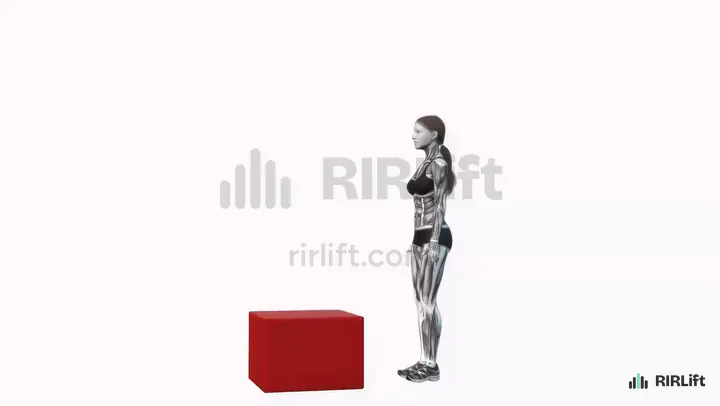
- Box Jump Quads, Glutes, Hamstrings
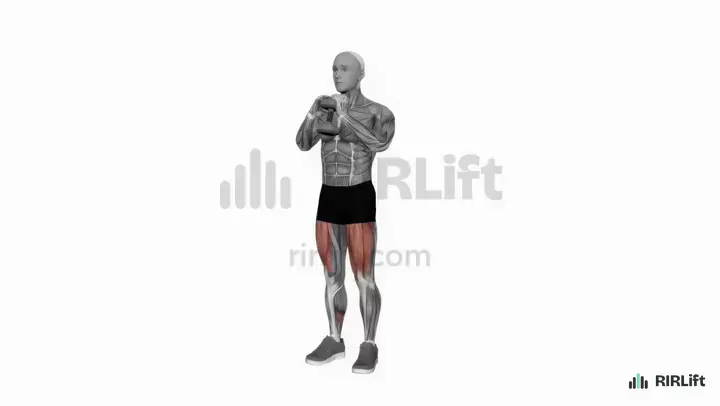
- Goblet Squat Quads, Glutes
- Dumbbell Reverse Lunge Quads, Glutes
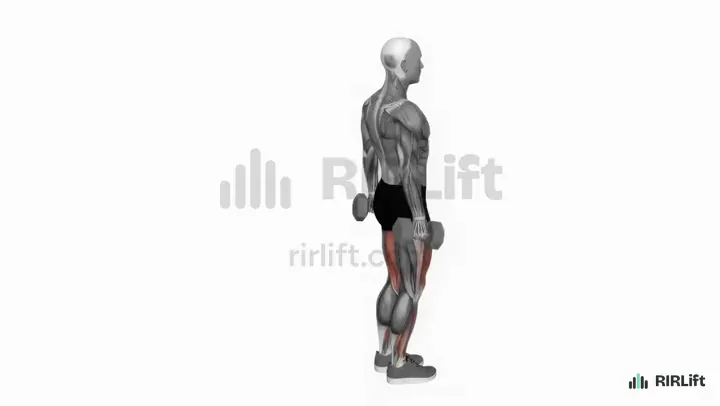
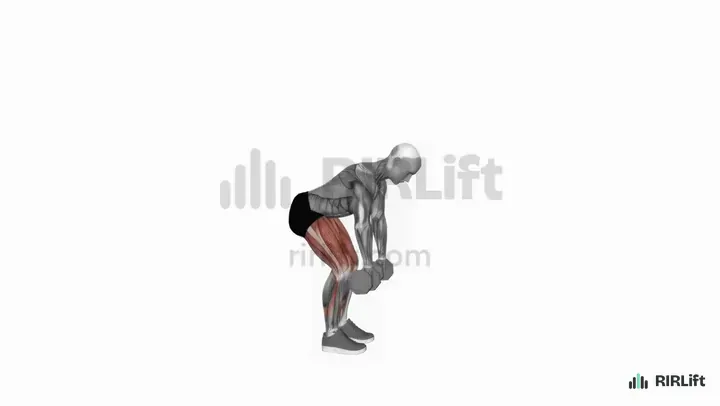
- Dumbbell Romanian Deadlift Hamstrings, Glutes
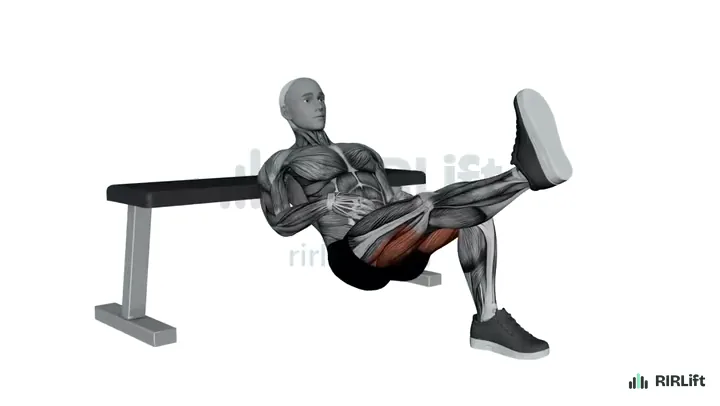
- Single-Leg Hip Thrust Glutes
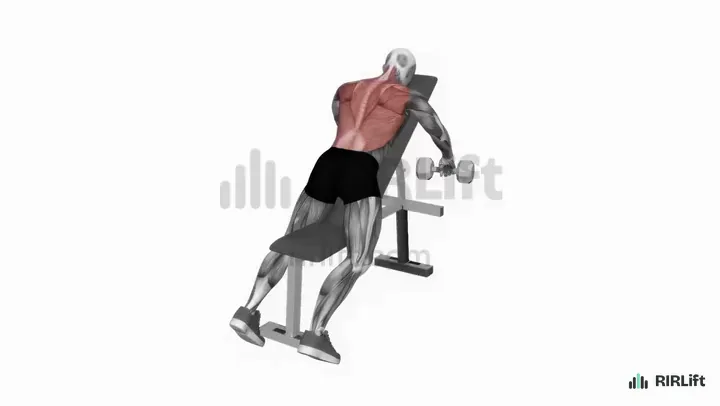
- Incline Dumbbell Row Upper Back, Lats
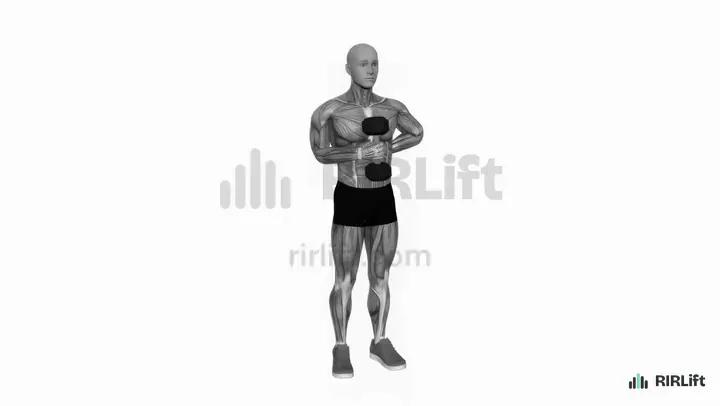
- Dumbbell External Rotation Shoulders
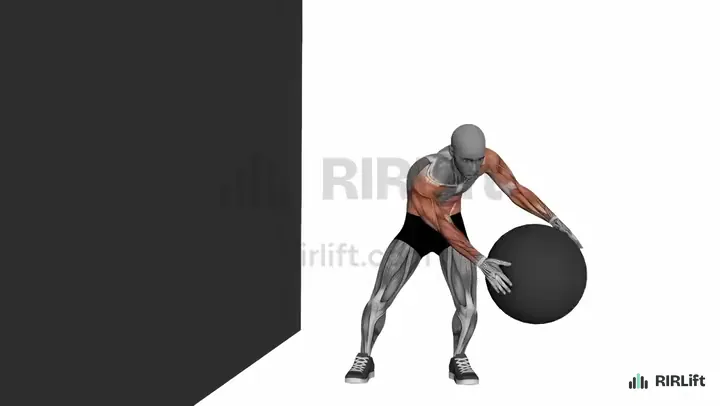
- Med Ball Rotational Throw Abs
Put them together: example sessions
Each session below picks from the exercises above for one situation, with the sets, reps, rest and RIR filled in. Open one in the session builder to change a pick, price it from a recent set, and add it to RIRLift.
-
Session 1
Off-season, 2 gym days
You are between club or school seasons, still touching a ball a few times a week, and want a higher jump and a sturdier hitting shoulder when you return.
2× a week · 38 sets a week · ~45 min
-
Session 2
In-season, 1 short session
You practice three or more times a week and play on weekends or tournaments, and you want to keep your jump and shoulders from fading late in the season.
1× a week · 12 sets a week · ~25 min
-
Session 3
Hitters who want sturdier shoulders
You are an outside or opposite hitter who swings a lot, and your hitting shoulder feels worked by the end of the week. You want more upper-back and cuff strength without dropping leg work.
2× a week · 40 sets a week · ~35 min
Session 1
Off-season, 2 gym days
- Workouts2× a week
- Working sets38 a week
- Per workout~45 min
- EquipmentPlyo Box, Dumbbells, Incline Bench, Medicine Ball +1
You are between club or school seasons, still touching a ball a few times a week, and want a higher jump and a sturdier hitting shoulder when you return.
Two sessions a week build strength well when practice volume is low, and each one stays under 20 working sets. Jumps come first with long rests, legs work at 2 reps in reserve so the jumps on your court days stay fresh, and the shoulder work stops at 1 to 2 reps short because it costs little recovery.
| Exercise | Sets × reps | RIR | Rest |
|---|---|---|---|
| Box JumpStep down every rep. | 4 × 3 | 3 | 90 s |
| Goblet Squat1 warm-up set first | 4 × 6–10 | 2 | 2 min |
| Dumbbell Romanian Deadlift | 3 × 8–10 | 2 | 90 s |
| Incline Dumbbell Row | 3 × 8–12 | 1 | 1 min |
| Dumbbell External RotationPer arm. | 2 × 12–15 | 2 | 45 s |
| Med Ball Rotational ThrowPer side. | 3 × 5 | 3 | 1 min |
Open Day A in the session builder
| Exercise | Sets × reps | RIR | Rest |
|---|---|---|---|
| Jump Squat | 3 × 4–5 | 3 | 90 s |
| Dumbbell Reverse LungePer leg. | 3 × 8–10 | 2 | 90 s |
| Single-Leg Hip ThrustPer leg. | 3 × 8–12 | 2 | 1 min |
| Landmine Press | 3 × 8–10 | 2 | 1 min |
| Dumbbell Chest-Supported Y Raise | 2 × 10–15 | 2 | 45 s |
| Dumbbell Standing Calf Raise | 3 × 10–15 | 1 | 45 s |
| Dead BugPer side. | 2 × 8–10 | 2 | 45 s |
Open Day B in the session builder
- How to run it
- Do Day A and Day B once each per week with at least two days between them, for example Monday and Thursday.
- How to progress
- Add weight once every set reaches the top of its range at the target reps in reserve. Raise the box only when every landing is quiet and you stand up without a stutter.
Session 2
In-season, 1 short session
- Workouts1× a week
- Working sets12 a week
- Per workout~25 min
- EquipmentDumbbells, Incline Bench
You practice three or more times a week and play on weekends or tournaments, and you want to keep your jump and shoulders from fading late in the season.
During the season, your legs already do hundreds of jumps a week, so this session drops extra jumping and keeps one strength lift for each area at 2 to 3 reps in reserve. That holds strength without adding soreness. It totals 12 working sets.
| Exercise | Sets × reps | RIR | Rest |
|---|---|---|---|
| Goblet Squat1 warm-up set first | 3 × 5–8 | 3 | 2 min |
| Dumbbell Romanian Deadlift | 2 × 6–8 | 3 | 90 s |
| Incline Dumbbell Row | 2 × 8–10 | 2 | 1 min |
| Dumbbell External RotationPer arm. | 2 × 12–15 | 2 | 45 s |
| Dumbbell Chest-Supported Y Raise | 2 × 10–12 | 2 | 45 s |
| Dead BugPer side. | 1 × 8–10 | 2 | 45 s |
- How to run it
- Once a week, ideally two or more days before your next match. If you have a midweek game, move it to the day after.
- How to progress
- Hold the weights you finished the off-season with. Add a little only when a set at the target reps in reserve clearly feels lighter; after a heavy tournament week, drop to one set per exercise.
Session 3
Hitters who want sturdier shoulders
- Workouts2× a week
- Working sets40 a week
- Per workout~35 min
- EquipmentDumbbells, Incline Bench, Landmine, Plyo Box
You are an outside or opposite hitter who swings a lot, and your hitting shoulder feels worked by the end of the week. You want more upper-back and cuff strength without dropping leg work.
This version moves the shoulder work to the front of the session, while you are fresh, and pairs each upper-body exercise with a lower-body one so the total time stays the same. The pressing is only the landmine angle, the cuff and lower traps get three sets each, and everything stops 2 reps short so the arm is ready to swing at practice the next day.
| Exercise | Sets × reps | RIR | Rest |
|---|---|---|---|
| A1 Dumbbell External RotationPer arm. | 3 × 12–15 | 2 | 30 s |
| A2 Dumbbell Chest-Supported Y Raise | 3 × 10–15 | 2 | 1 min |
| B1 Incline Dumbbell Row | 3 × 8–12 | 2 | 1 min |
| B2 Goblet Squat | 3 × 6–10 | 2 | 90 s |
| Landmine Press | 2 × 8–10 | 2 | 1 min |
| Single-Leg Hip ThrustPer leg. | 3 × 8–12 | 2 | 1 min |
| Box Jump | 3 × 3 | 3 | 90 s |
- How to run it
- Do this session twice a week in place of the off-season days, two or more days apart. Do supersets as one set of each exercise, then rest.
- How to progress
- Increase the row and press first. The cuff and Y raise progress by reps before weight: once all sets reach 15 clean reps, go up by the smallest jump you have.
Make it fit you
-
Log reps in reserve with every set
Record how many reps you had left on each set in RIRLift, and the next session's weight is picked from it. After a long tournament weekend, that keeps the weights honest instead of guessing.
-
Liberos and defensive specialists
Swap one box jump set for extra reverse lunges and keep the shoulder work. Your game is low, lateral and constant, so leg endurance matters more than max jump.
-
Middle blockers
Keep both jump exercises and add a third set of calf raises. Repeated two-foot blocks are your job, and calves decide how quickly you get back up.
-
Training at home with dumbbells only
Everything here works with dumbbells and a bench except the landmine press; use a one-arm dumbbell shoulder press in its place.
-
Beach volleyball
Sand soaks up your jumps but makes every step harder. Keep the off-season plan and add one more set of reverse lunges and calf raises.
Questions
How do volleyball athletes train?
Alongside practice they lift two to three days a week in the off-season and once or twice in-season, combining jump training, leg and hip strength, upper-back and rotator cuff work for the hitting shoulder, and trunk power.
What exercises help you jump higher for volleyball?
Box jumps and jump squats done fresh and at full effort, plus stronger legs and hips from squats, lunges, Romanian deadlifts and hip thrusts. Calf raises help the fast repeat jumps at the net.
Should volleyball players lift weights in season?
Yes. One short session a week that stops 2 to 3 reps short of failure keeps the strength and jump you built, and late-season legs and shoulders tend to hold up better for it.
Is volleyball a good cardio workout?
A long practice keeps your heart rate up with short bursts and brief rests, so it does train your conditioning. It doesn't replace strength work, which is what this page is for.
What volleyball exercises can I do at home?
Jump squats, goblet squats, reverse lunges, Romanian deadlifts, hip thrusts against a couch, calf raises on a step, rows, Y raises and external rotations all work with a pair of dumbbells.
Related templates
-
Exercises for basketball: strength, jumps and durability
More single-leg and lateral jumping work from another court sport.
-
Goblet squat: how to do it, what it works and what to swap in
Depth, stance and loading for the main leg exercise here.
-
Face pulls: how to do them, what they work, and what to do instead
Another upper-back and cuff exercise for hitters with a cable station.
-
Box squat: how to do it, how high the box should be, and when to use it
A squat variation for building leg strength when deep squats bother your knees.
-
How to use reps in reserve (RIR)
How to judge the reps in reserve targets in these workouts.