
Exercises for bodybuilding: the best picks for every muscle
Published October 24, 2026
The best exercises for bodybuilding are the incline dumbbell press, machine chest press and dips for the chest, the lat pulldown and chest-supported row for the back, the hack squat and leg press for the quads, the Romanian deadlift and lying leg curl for the hamstrings, the dumbbell shoulder press and lateral raise for the shoulders, barbell curls and cable pressdowns for the arms, and standing calf raises. Pick one or two per muscle, train each muscle twice a week, and take most sets to 0 to 2 reps short of failure.
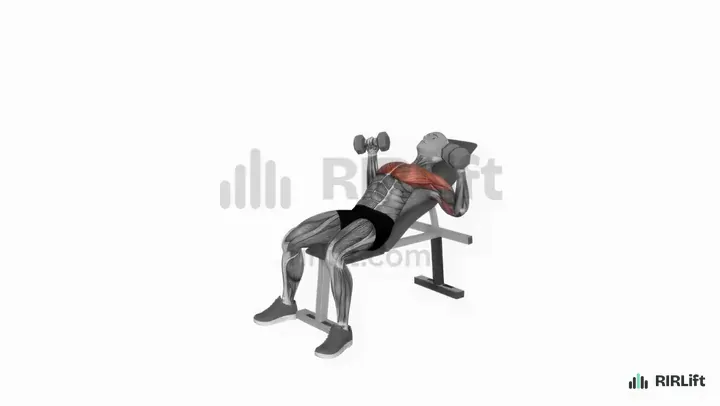
- Incline Dumbbell Press Chest
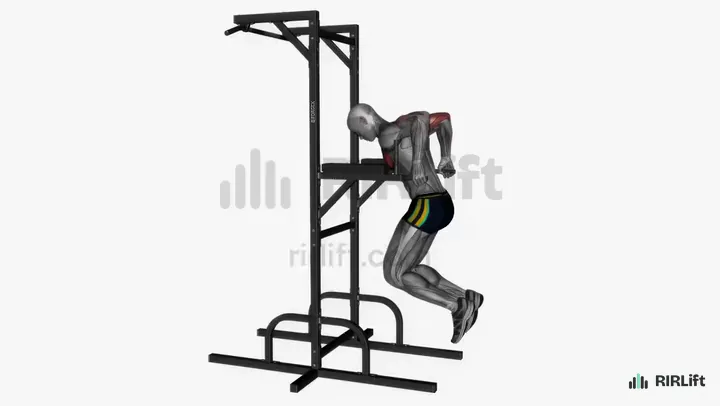
- Chest Dip Chest, Triceps
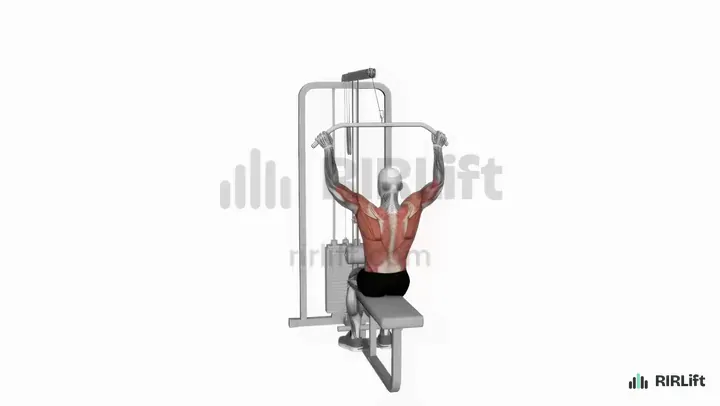
- Lat Pulldown Lats
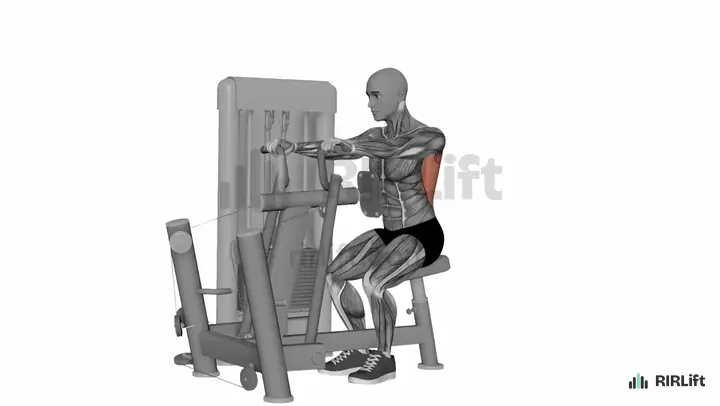
- Chest-Supported Row Upper Back, Lats
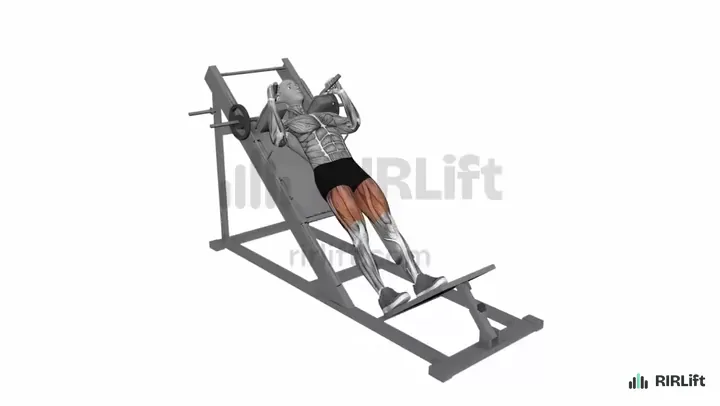
- Hack Squat Quads, Glutes
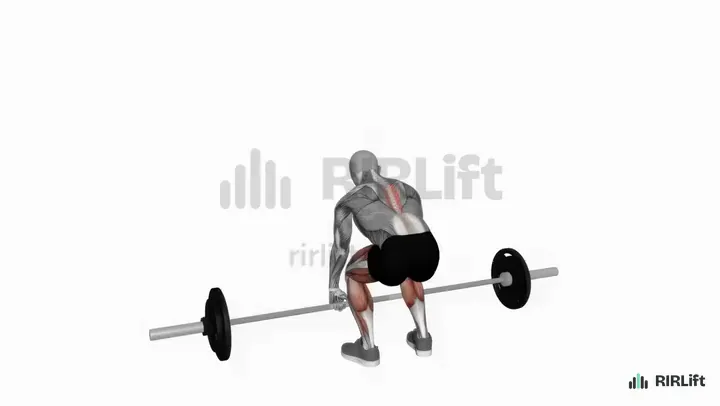
- Romanian Deadlift Hamstrings, Glutes
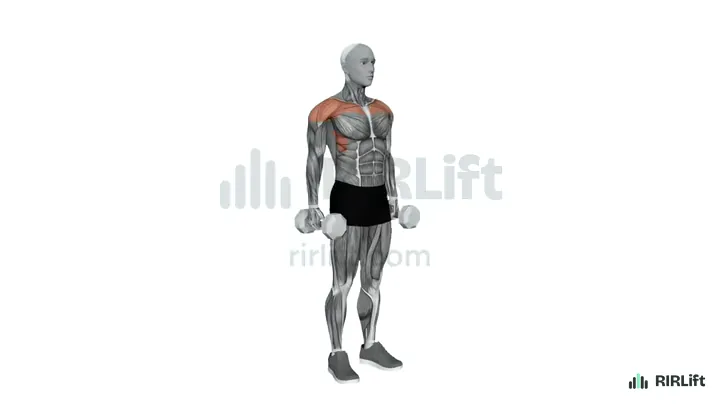
- Dumbbell Lateral Raise Shoulders
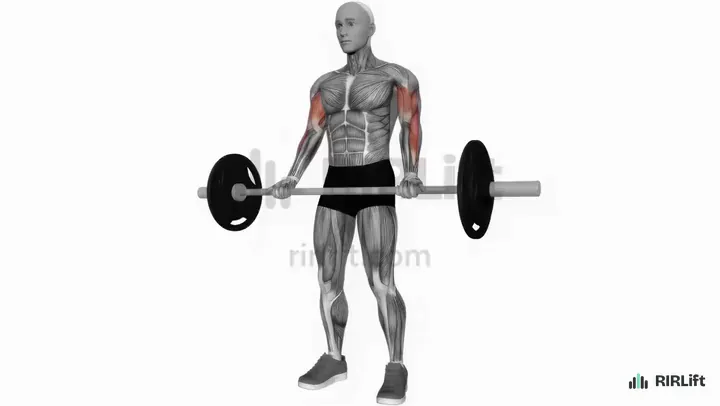
- Barbell Curl Biceps
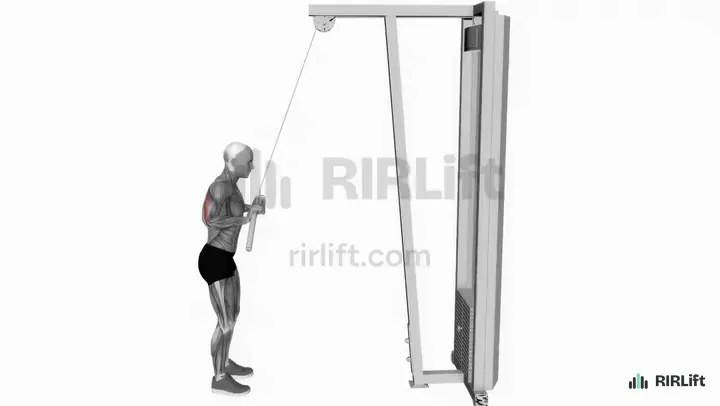
- Cable Triceps Pressdown Triceps
Put them together: example sessions
Each session below picks from the exercises above for one situation, with the sets, reps, rest and RIR filled in. Open one in the session builder to change a pick, price it from a recent set, and add it to RIRLift.
-
Session 1
New to bodybuilding, 3 full-body days
You are in your first year of training and want to build muscle, maybe with a first show in mind a few years out.
3× a week · 57 sets a week · ~40 min
-
Session 2
Intermediate, upper/lower 4 days
You have trained consistently for a year or more and want more weekly volume per muscle, spread over four days.
4× a week · 62 sets a week · ~35 min
-
Session 3
Dieting for a show, 3 days
You are cutting toward a competition or photoshoot, eating less, and want to keep the muscle you built while recovery is limited.
3× a week · 30 sets a week · ~25 min
Session 1
New to bodybuilding, 3 full-body days
- Workouts3× a week
- Working sets57 a week
- Per workout~40 min
- EquipmentHack Squat, Dumbbells, Incline Bench, Lat Pulldown +7
You are in your first year of training and want to build muscle, maybe with a first show in mind a few years out.
In your first year, hitting each muscle three times a week with moderate volume grows muscle fast. Two full-body sessions alternate across three days, with sets ending 1 to 2 reps short of failure so you learn where failure is without wrecking your form. Each session is about 18 working sets.
| Exercise | Sets × reps | RIR | Rest |
|---|---|---|---|
| Hack Squat2 warm-up sets first | 3 × 8–12 | 2 | 2 min |
| Incline Dumbbell Press | 3 × 8–12 | 1 | 90 s |
| Lat Pulldown | 3 × 8–12 | 1 | 90 s |
| Lying Leg Curl | 3 × 10–15 | 1 | 1 min |
| Dumbbell Lateral Raise | 3 × 12–20 | 1 | 45 s |
| Cable Triceps Pressdown | 3 × 10–15 | 1 | 45 s |
Open Full Body A in the session builder
| Exercise | Sets × reps | RIR | Rest |
|---|---|---|---|
| Romanian Deadlift1 warm-up set first | 3 × 8–10 | 2 | 2 min |
| Machine Chest Press | 3 × 8–12 | 1 | 90 s |
| Chest-Supported Row | 3 × 8–12 | 1 | 90 s |
| Leg Press | 3 × 10–15 | 1 | 90 s |
| Dumbbell Shoulder Press | 2 × 8–12 | 1 | 90 s |
| Barbell Curl | 3 × 8–12 | 1 | 45 s |
| Standing Calf Raise | 3 × 10–15 | 1 | 45 s |
Open Full Body B in the session builder
- How to run it
- Alternate A and B on three nonconsecutive days per week.
- How to progress
- Add reps until you hit the top of every range, then add the smallest weight jump the equipment allows and restart at the low end of the range.
Session 2
Intermediate, upper/lower 4 days
- Workouts4× a week
- Working sets62 a week
- Per workout~35 min
- EquipmentDumbbells, Incline Bench, Lat Pulldown, Dip Bar +8
You have trained consistently for a year or more and want more weekly volume per muscle, spread over four days.
An upper/lower split trains everything twice a week with more sets per session. The final set of each isolation exercise goes to 0 reps in reserve, while compounds stay at 1 so they don't eat into the rest of the session. Each muscle gets about 10 to 14 hard sets a week.
| Exercise | Sets × reps | RIR | Rest |
|---|---|---|---|
| Incline Dumbbell Press2 warm-up sets first | 4 × 6–10 | 1 | 2 min |
| Lat Pulldown | 4 × 8–12 | 1 | 90 s |
| Chest Dip | 3 × 8–12 | 1 | 90 s |
| Dumbbell Lateral Raise | 4 × 12–20 | 0 | 45 s |
| Barbell Curl | 3 × 8–12 | 0 | 1 min |
Open Upper 1 in the session builder
| Exercise | Sets × reps | RIR | Rest |
|---|---|---|---|
| Hack Squat2 warm-up sets first | 4 × 6–10 | 1 | 2:30 min |
| Romanian Deadlift | 3 × 8–10 | 1 | 2 min |
| Lying Leg Curl | 3 × 10–15 | 0 | 1 min |
| Standing Calf Raise | 4 × 10–15 | 0 | 45 s |
Open Lower 1 in the session builder
| Exercise | Sets × reps | RIR | Rest |
|---|---|---|---|
| Machine Chest Press | 4 × 8–12 | 1 | 90 s |
| Chest-Supported Row | 4 × 8–12 | 1 | 90 s |
| Dumbbell Shoulder Press | 3 × 8–12 | 1 | 90 s |
| Dumbbell Lateral Raise | 3 × 15–20 | 0 | 45 s |
| Cable Triceps Pressdown | 3 × 10–15 | 0 | 45 s |
Open Upper 2 in the session builder
| Exercise | Sets × reps | RIR | Rest |
|---|---|---|---|
| Leg Press | 4 × 10–15 | 1 | 2 min |
| Lying Leg Curl | 3 × 10–15 | 0 | 1 min |
| Romanian Deadlift | 2 × 8–10 | 2 | 2 min |
| Standing Calf Raise | 4 × 12–20 | 0 | 45 s |
Open Lower 2 in the session builder
- How to run it
- Train Upper 1, Lower 1, rest, Upper 2, Lower 2, then rest two days.
- How to progress
- When every set reaches the top of its range at the target reps in reserve, increase the weight. If your log shows reps dropping two sessions in a row, take a lighter week with half the sets.
Session 3
Dieting for a show, 3 days
- Workouts3× a week
- Working sets30 a week
- Per workout~25 min
- EquipmentDumbbells, Incline Bench, Chest Press, Adjustable Cable +6
You are cutting toward a competition or photoshoot, eating less, and want to keep the muscle you built while recovery is limited.
In a diet the job is to keep muscle, and that takes the same heavy loading but fewer sets. This plan cuts volume by about a third compared to the upper/lower split, keeps compounds at 1 to 2 reps in reserve so the weight on the bar stays high, and saves going near failure for the isolation work, which is cheap to recover from.
| Exercise | Sets × reps | RIR | Rest |
|---|---|---|---|
| Incline Dumbbell Press2 warm-up sets first | 3 × 6–10 | 1 | 2:30 min |
| Machine Chest Press | 2 × 8–12 | 1 | 90 s |
| Dumbbell Shoulder Press | 2 × 8–10 | 2 | 90 s |
| Dumbbell Lateral Raise | 3 × 12–20 | 0 | 45 s |
| Cable Triceps Pressdown | 2 × 10–15 | 0 | 45 s |
Open Push in the session builder
| Exercise | Sets × reps | RIR | Rest |
|---|---|---|---|
| Lat Pulldown | 3 × 6–10 | 1 | 2 min |
| Chest-Supported Row | 3 × 8–12 | 1 | 90 s |
| Barbell Curl | 2 × 8–12 | 0 | 1 min |
Open Pull in the session builder
| Exercise | Sets × reps | RIR | Rest |
|---|---|---|---|
| Hack Squat2 warm-up sets first | 3 × 6–10 | 1 | 2:30 min |
| Romanian Deadlift | 2 × 6–10 | 2 | 2:30 min |
| Lying Leg Curl | 2 × 10–15 | 0 | 1 min |
| Standing Calf Raise | 3 × 10–15 | 0 | 45 s |
Open Legs in the session builder
- How to run it
- Train push, pull and legs on three days, for example Monday, Wednesday and Friday.
- How to progress
- Try to hold your loads rather than add them. If your strength drops at the same reps in reserve for two weeks running, take one set out of each session.
Make it fit you
-
Log reps in reserve so the next weight sets itself
Record every set in RIRLift with how many reps you had left. The next session's weight is picked from it, so you add load only when the effort was actually there.
-
Lagging shoulders
Add two sets of lateral raises to each lower day. Side delts recover fast and grow from frequent work.
-
No hack squat machine
Use the leg press as the main quad exercise and add a set; a Smith machine squat also works in its place.
-
Training at home
Swap machines for dumbbells: dumbbell bench press for the chest press, one-arm rows for the chest-supported row, and goblet squats for the hack squat.
-
Older lifter or sore joints
Keep the machine exercises and set every compound to 2 reps in reserve. Machines let you train hard with less stress on the joints.
Questions
Which exercise is best for bodybuilding?
There isn't one. Every muscle needs its own exercise, and the best ones load the muscle hard through a long range: incline presses for the chest, pulldowns and rows for the back, hack squats for the quads, Romanian deadlifts for the hamstrings, and lateral raises for the shoulders.
What is a good exercise routine for bodybuilding?
Full body three days a week for beginners, upper/lower four days for most intermediates, with each muscle trained twice a week for about 10 to 20 hard sets.
How close to failure should bodybuilders train?
Most working sets 0 to 2 reps short of failure. Compounds at 1 to 2 so form holds up, isolation work at 0 to 1 because it is safe and cheap to recover from.
Is bodybuilding strength training?
Yes. Bodybuilders get stronger, but the aim is muscle size, so they use moderate reps, more exercises per muscle and more isolation work than strength athletes do.
What are the big compound exercises for bodybuilding?
A press like the incline dumbbell press, a pull like the lat pulldown or row, a squat like the hack squat, and a hinge like the Romanian deadlift. Add isolation work for the side delts, arms and calves.
Related templates
-
The best workout plan for muscle gain, for where you are now
Full plans built around muscle growth, with more weekly structure.
-
Upper/lower split
How to set up and run the four-day split used in the intermediate plan.
-
Push pull legs
The split behind the contest prep plan, explained in full.
-
Exercises for weightlifting: the main lifts and the Olympic lifts
The barbell strength lifts if you want to add a strength block.
-
How to use reps in reserve (RIR)
How to judge 0 to 2 reps in reserve accurately.