Exercises for horse riding: legs, inner thighs, posture and core for riders

The best exercises for horse riding are goblet squats, forward lunges and wall sits for leg strength and two-point endurance; the single-leg RDL for balance; the adduction machine or Copenhagen plank for the inner thighs; glute bridges for the seat; bent-over rows, face pulls and band pull-aparts for an upright posture; supermans for the lower back; and dead bugs and side planks for a steady, centered core. Two short full-body sessions a week next to your riding are enough to feel the difference in the saddle.

  1. Goblet Squat Quads, Glutes
  2. Dumbbell Forward Lunge Quads, Glutes
  3. Wall Sit Quads
  4. Single-Leg RDL Hamstrings, Glutes
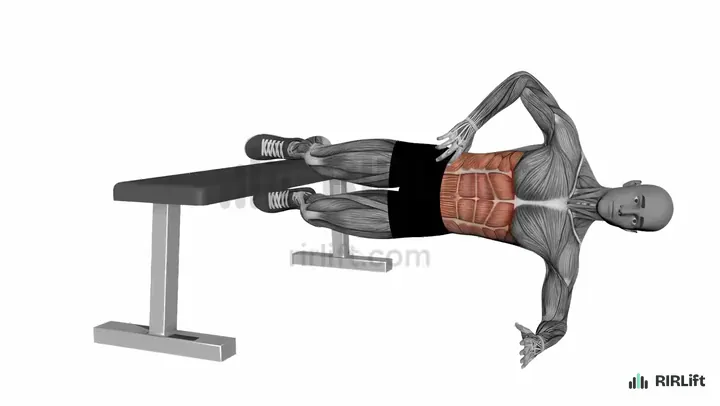
  5. Copenhagen Plank Adductors, Abs
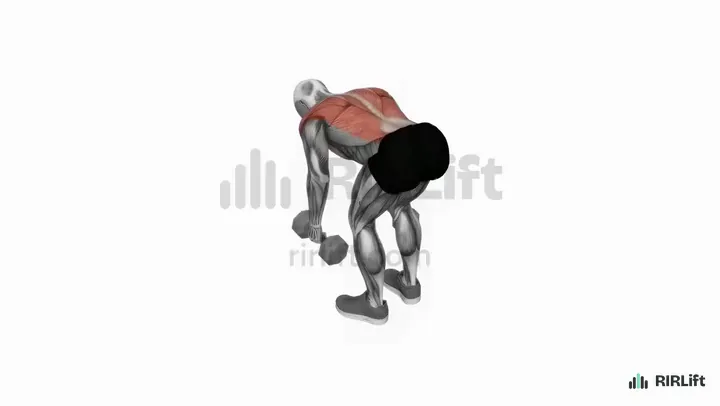
  6. Dumbbell Bent-Over Row Upper Back, Lats
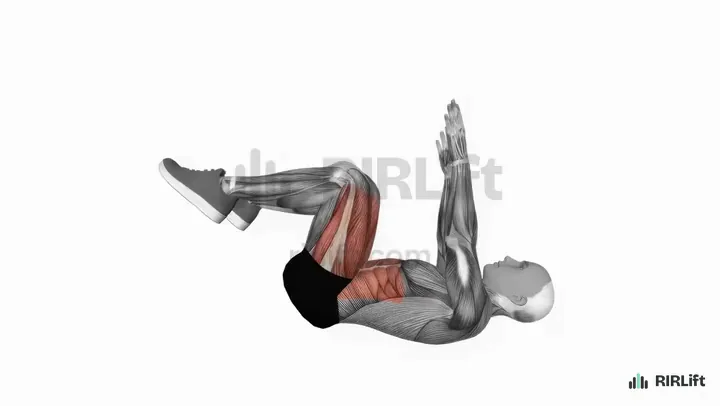
  7. Dead Bug Abs
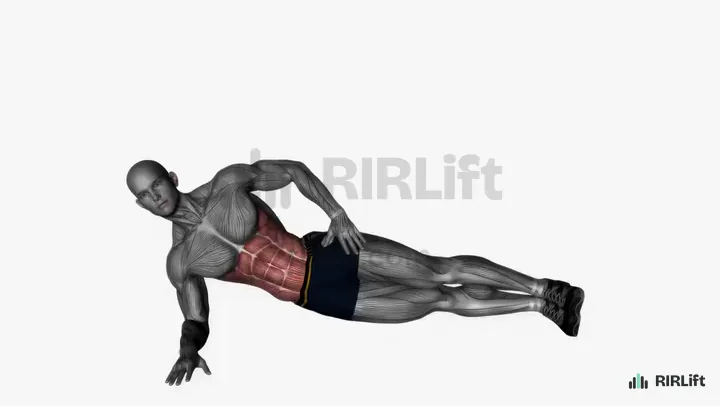
  8. Side Plank Abs

Legs, seat and two-point position

Your legs hold you in the stirrups, absorb the horse's movement and keep you up in a light seat. Train strength with squats and lunges and the long static hold with the wall sit.

Leg strength for the seat and stirrups

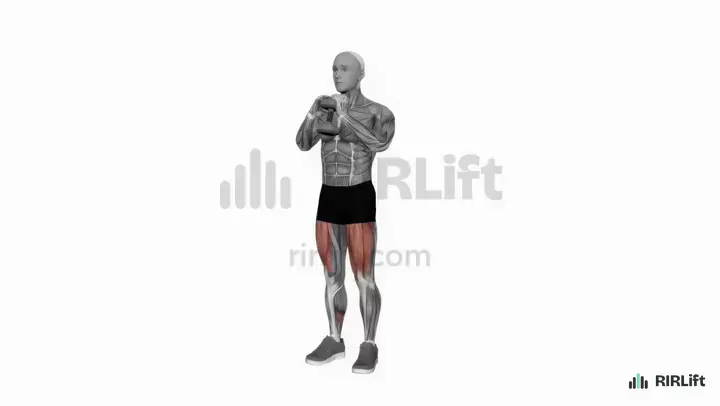
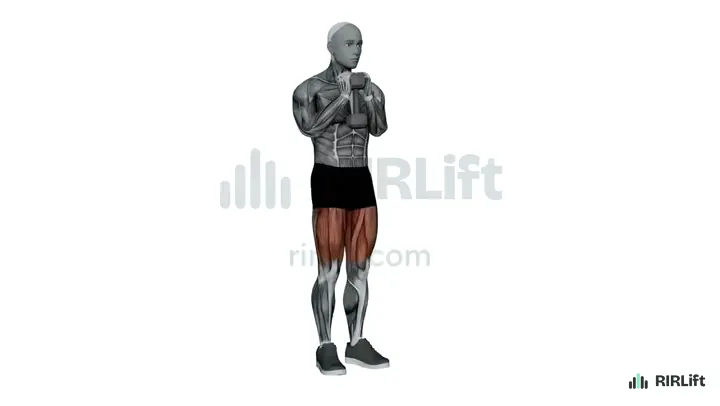
Goblet Squat

Quads, Glutes

Rising to the trot, holding a light seat and absorbing the canter all come from the quads and glutes. The goblet squat builds them with one dumbbell and an upright torso, which suits riders new to lifting.

How to do it

  1. Cup the top of a dumbbell in both palms against your sternum.
  2. Stand with feet a little wider than your hips.
  3. Squat down between your knees, chest up, until your elbows meet your inner thighs.
  4. Press through your whole foot to stand back up.

Cues

  • Weight in the whole foot
  • Elbows inside the knees
  • Tall chest

Common mistakes

  • Knees caving in: push them out over your toes.
  • Heels coming up: limit the depth until your ankles loosen.

Swap for: Bodyweight Squat, Wall Sit

Leg strength one side at a time

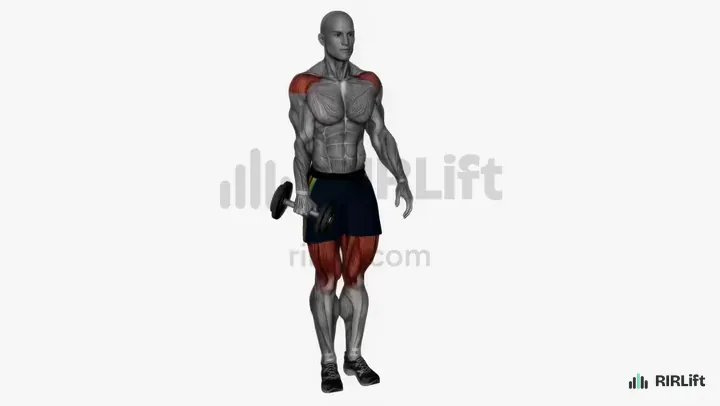
Dumbbell Forward Lunge

Quads, Glutes

Most riders have a stronger leg and a crooked side. Forward lunges train each leg on its own and challenge your balance, holding one dumbbell at your chest.

How to do it

  1. Stand tall holding a dumbbell upright against your chest.
  2. Step one foot forward and bend both knees.
  3. Lower until the back knee is just off the floor and the front thigh is level.
  4. Drive off the front heel to step back to standing, then switch legs.

Cues

  • Long step
  • Torso stays upright
  • Push back through the heel

Common mistakes

  • Front knee drifting in: keep it over the middle of your foot.
  • Short choppy steps: step far enough that both knees bend to about 90 degrees.

Swap for: Dumbbell Reverse Lunge, Step-Up

Two-point and light-seat endurance

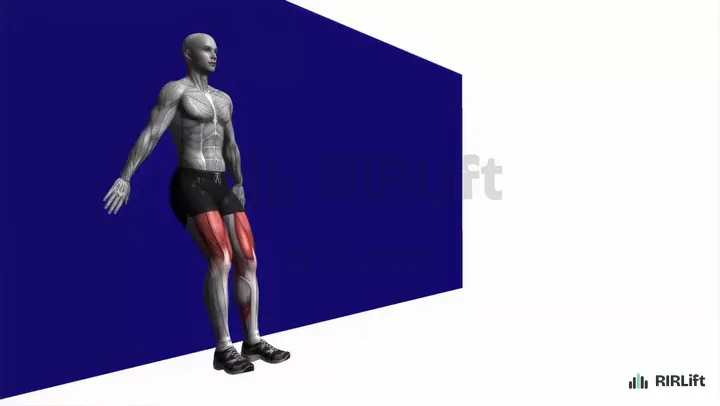
Wall Sit

Quads

Holding a two-point or light seat over fences or on a long gallop is a static quad effort. The wall sit trains that endurance directly and needs no equipment at all.

How to do it

  1. Lean flat on a wall and walk your feet forward about two feet.
  2. Slide down until your knees bend to about 90 degrees with shins vertical.
  3. Keep your back flat and breathe steadily.
  4. Hold for the set time, then stand up.

Cues

  • Shins vertical
  • Breathe the whole hold
  • Back flat

Common mistakes

  • Hovering too high: bend until your thighs are close to level.
  • Holding your breath: count your breaths instead of seconds.

Swap for: Goblet Squat, Bodyweight Squat

Build a session with Wall Sit

Balance, glutes and hips

A secure seat needs hips that stay level and glutes strong enough to sit tall without arching your back. One balance exercise and one bridge cover it.

Balance and hip stability

Single-Leg RDL

Hamstrings, Glutes

Staying centered when the horse shifts or spooks depends on hips that stay level on uneven support. The single-leg RDL trains balance and the glute and hamstring of the standing leg together.

How to do it

  1. Hold a dumbbell in the hand on the same side as your standing leg.
  2. Hinge forward and let the free leg rise straight behind you.
  3. Lower until your torso and raised leg are close to level.
  4. Push the standing hip forward to return to tall.

Cues

  • Hips level and square
  • Slow tempo
  • Reach the back heel away

Common mistakes

  • Opening the hip: keep the back toes pointing down.
  • Using momentum: hold the bottom for a second.

Swap for: Dumbbell B-Stance RDL, Dumbbell Romanian Deadlift

Glutes and hip extension

Dumbbell Glute Bridge

Glutes

Strong glutes help you sit tall without hollowing your lower back and drive the horse forward from your seat. The bridge trains them lying down, so it is easy on a back that is tired from riding.

How to do it

  1. Lie on your back, knees bent, with a dumbbell held across your hip bones.
  2. Press your lower back gently toward the floor.
  3. Push through your heels and lift your hips until your body is straight from shoulders to knees.
  4. Pause and squeeze, then lower slowly.

Cues

  • Lead with the hips
  • Squeeze at the top
  • Ribs stay down

Common mistakes

  • Arching the lower back to lift higher: stop when the hips are level with the knees.
  • Pushing through the toes: shift weight to the heels.

Swap for: Glute Bridge, Single-Leg Glute Bridge

Inner thighs

The adductors help keep your leg on and stable. Use the machine if you train at a gym, or the Copenhagen plank anywhere with a bench or a sturdy chair.

Inner-thigh strength

Hip Adduction Machine

Adductors

The inner thighs help keep your leg on the horse and stable in the saddle. The adduction machine trains them directly with an adjustable load.

How to do it

  1. Sit in the machine with your back against the pad and your knees against the inside pads.
  2. Set a starting width that stretches your inner thighs comfortably.
  3. Squeeze your knees together until the pads meet.
  4. Open back to the start slowly and repeat.

Cues

  • Squeeze, then pause
  • Slow on the way out
  • Sit tall

Common mistakes

  • Letting the weight slam open: control the return.
  • Using a start position so wide it strains: begin narrower.

Swap for: Copenhagen Plank, Multi-Hip Adduction

Inner-thigh strength with body weight

Copenhagen Plank

Adductors, Abs

When you do not have a machine, the Copenhagen plank works the inner thigh hard while the trunk holds you up sideways. Start with the knee on the bench and move toward the ankle as you get stronger.

How to do it

  1. Lie on your side on the floor next to a bench, forearm under your shoulder.
  2. Set the inside of your top knee or ankle on the bench.
  3. Lift your hips so your body is straight, supported by the top leg and your forearm.
  4. Hold for the set time, lower, and switch sides.

Cues

  • Press the top leg down
  • Hips stacked
  • Body in one line

Common mistakes

  • Hips dropping: shorten the lever by moving the bench under your knee.
  • Rolling forward: stack the hips vertically.

Swap for: Side Plank, Hip Adduction Machine

Posture and upper back

Riders need an open chest and shoulders that stay back so the hands can stay quiet. Rows and face pulls build the strength, and band pull-aparts are an easy daily habit.

Upper-back strength for posture

Dumbbell Bent-Over Row

Upper Back, Lats

An upright position with quiet, independent hands starts with a strong upper back. Bent-over rows build it and teach you to hold a flat back while you pull, like holding a strong horse.

How to do it

  1. Hold one dumbbell per hand, palms facing each other, and hinge forward until your torso is close to level.
  2. Keep your back flat and let the arms hang under your shoulders.
  3. Row the dumbbells to your lower ribs, squeezing your shoulder blades together.
  4. Lower them slowly and repeat without standing up.

Cues

  • Flat back
  • Elbows back
  • Pause at the top

Common mistakes

  • Standing up as you tire: end the set when the hinge breaks.
  • Shrugging the weights up: pull with the elbows.

Swap for: One-Arm Dumbbell Row, Seated Cable Row

Rear shoulders and posture

Face Pull

Shoulders, Upper Back

Hours of holding reins and sitting at a desk pull the shoulders forward. Face pulls train the rear shoulders and upper back that hold them back and down.

How to do it

  1. Set a rope on a cable at face height and hold an end in each hand, thumbs toward you.
  2. Step back until your arms are straight and the cable has tension.
  3. Pull the rope toward your face, elbows high, separating the ends beside your ears.
  4. Pause, then return slowly to straight arms.

Cues

  • Elbows high
  • Pull the rope apart
  • Squeeze the shoulder blades

Common mistakes

  • Leaning back to move the weight: stand tall and go lighter.
  • Pulling to the chest: aim for the bridge of your nose.

Swap for: Band Face Pull, Band Pull-Apart

Build a session with Face Pull

Shoulder blade control

Band Pull-Apart

Shoulders, Upper Back

A pull-apart is the simplest way to train the muscles between your shoulder blades, and a band fits in the tack room. A couple of sets before riding is a good habit.

How to do it

  1. Stand tall and hold a light band at shoulder height, arms straight out in front, hands about shoulder-width apart.
  2. Keep your arms straight and stretch the band out to your sides.
  3. Bring it all the way to your chest, squeezing the shoulder blades together.
  4. Let it come back slowly and repeat.

Cues

  • Arms long
  • Shoulders down
  • Band touches the chest

Common mistakes

  • Bending the elbows to make it easier: use a lighter band.
  • Shrugging toward the ears: keep the shoulders low.

Swap for: Face Pull, Band Rear Delt Fly

Core and lower back

Your trunk stays steady while your legs and hands give separate aids, and your lower back holds you upright for every stride. Train the back, the front and both sides.

Lower-back endurance

Superman

Lower Back

Your lower back holds you upright through every stride. Supermans build the endurance of the back and glutes lying on the floor, with no load on the spine.

How to do it

  1. Lie face down with arms reaching forward and legs long.
  2. Raise arms, upper chest and legs a few inches off the floor at once.
  3. Hold briefly while squeezing your glutes.
  4. Lower slowly and repeat.

Cues

  • Lift a little, not a lot
  • Glutes on
  • Neck long, eyes down

Common mistakes

  • Cranking the head up: look at the floor.
  • Lifting as high as possible: a few inches is enough.

Swap for: Back Extension, Dead Bug

Build a session with Superman

Core control with independent limbs

Dead Bug

Abs

Riding asks your trunk to stay steady while your legs and hands give separate aids. The dead bug trains exactly that: a still middle while arms and legs move on their own.

How to do it

  1. Lie on your back with arms pointing up and hips and knees bent to 90 degrees.
  2. Flatten your lower back to the floor.
  3. Lower one arm overhead and straighten the opposite leg toward the floor.
  4. Return and switch sides, keeping the back down.

Cues

  • Back stays flat
  • Slow, opposite limbs
  • Breathe out on the reach

Common mistakes

  • Arching as you reach: reduce the range.
  • Moving the same arm and leg: use opposite sides.

Swap for: Plank, Superman

Build a session with Dead Bug

Side trunk strength for a centered seat

Side Plank

Abs

Sitting centered and not collapsing at one hip takes strong obliques on both sides. Side planks show quickly if one side is weaker, which often matches the side you collapse to in the saddle.

How to do it

  1. Lie on your side, forearm under the shoulder, legs stacked.
  2. Lift your hips into a straight line from head to heels.
  3. Hold steady without letting the hips drop.
  4. Lower, rest, and switch sides.

Cues

  • Hips up
  • Straight line
  • Even time each side

Common mistakes

  • Sagging hips: shorten the hold.
  • Rolling forward: stack the hips.

Swap for: Copenhagen Plank, Dumbbell Side Plank

Barn strength and grip

Carrying buckets and saddles is loaded walking. A few heavy carries a week make barn chores easier and train the grip that steadies your hands.

Grip and carrying strength

Farmer's Walk

Forearms, Traps, Shoulders

Barn work is loaded carrying: buckets, hay and saddles. Farmer's walks build the grip and the tall posture that keep that work from wearing you down, and the grip carries over to steady hands.

How to do it

  1. Lift one dumbbell per hand from the floor with a flat back, then stand tall.
  2. Set the shoulders low and slightly back.
  3. Walk with short steady steps for the set time.
  4. Squat down to set the weights on the floor.

Cues

  • Tall posture
  • Firm grip
  • Steady steps

Common mistakes

  • Leaning to one side: carry equal weights.
  • Shoulders rolling forward: set them back before you walk.

Swap for: Dumbbell Suitcase Carry, Plate Pinch Deadlift

Put them together: example sessions

Each session below picks from the exercises above for one situation, with the sets, reps, rest and RIR filled in. Open one in the session builder to change a pick, price it from a recent set, and add it to RIRLift.

Session 1

Two gym days next to riding

Open in the session builder
  • Workouts2× a week
  • Working sets33 a week
  • Per workout~35 min
  • EquipmentDumbbells, Adjustable Cable, Hip Adductor

You ride three or four times a week and can get to a gym twice, and you want a stronger, steadier position.

Riding is the skill; the gym builds the strength behind it. Two full-body days at 1 to 2 reps in reserve make steady progress without leaving you sore in the saddle the next day. Day A focuses on legs and posture, Day B on single-leg balance and the inner thighs. Each has 16 to 17 working sets and takes about 50 minutes.

Day A: Legs and posture
ExerciseSets × repsRIRRest
Goblet Squat 3 × 8–12 2 90 s
Dumbbell Bent-Over Row 3 × 8–12 1 90 s
Dumbbell Glute Bridge 3 × 10–15 1 1 min
Face Pull 3 × 12–15 1 1 min
Dead BugPer side. 2 × 8–10 2 45 s
Farmer's WalkSeconds of walking. 3 × 30–45 2 1 min

Open Day A: Legs and posture in the session builder

Day B: Balance and inner thighs
ExerciseSets × repsRIRRest
Dumbbell Forward LungePer leg. 3 × 8–10 2 90 s
Single-Leg RDLPer leg. 3 × 8–10 2 1 min
Hip Adduction Machine 3 × 12–15 1 1 min
Dumbbell Bent-Over Row 3 × 10–12 1 1 min
Side PlankSeconds per side. 2 × 30–45 1 45 s
SupermanHold 1 s at the top. 2 × 10–12 2 45 s

Open Day B: Balance and inner thighs in the session builder

How to run it
Lift on non-riding days or after riding. Keep at least a day between the two sessions.
How to progress
Add a little weight when every set hits the top of the rep range at the target reps in reserve. Add 10 seconds to holds each week until you reach the top of the range.

Session 2

At home or at the barn, 25 minutes

Open in the session builder
  • Workouts3× a week
  • Working sets39 a week
  • Per workout~25 min
  • EquipmentDumbbells, Resistance Bands

You have a pair of light dumbbells, a band and some floor space at home or in the barn, and want something short you can do two or three times a week.

With light weights, sets go closer to failure at 0 to 1 reps in reserve and the reps run higher, which still builds strength. Every exercise works without a bench or machine, and the two sessions together hit every quality on this page. Each session has 13 to 14 working sets.

Home A
ExerciseSets × repsRIRRest
Goblet Squat 3 × 12–20 1 1 min
Dumbbell Bent-Over Row 3 × 12–20 1 1 min
Copenhagen PlankSeconds per side. 2 × 15–30 1 45 s
Band Pull-Apart 3 × 15–20 1 30 s
Superman 2 × 10–15 1 45 s

Open Home A in the session builder

Home B
ExerciseSets × repsRIRRest
Dumbbell Forward LungePer leg. 3 × 10–15 1 1 min
Dumbbell Glute Bridge 3 × 15–20 1 1 min
Wall SitSeconds. 3 × 30–60 1 1 min
Dead BugPer side. 2 × 8–12 1 45 s
Side PlankSeconds per side. 2 × 30–45 1 45 s

Open Home B in the session builder

How to run it
Alternate the sessions two or three times a week, on riding days or not. A sturdy chair or mounting block replaces the bench for the Copenhagen plank.
How to progress
Add reps until you reach the top of each range, then slow the lowering to three seconds or add a pause before you buy heavier dumbbells.

Session 3

Jumping or eventing, two-point endurance

Open in the session builder
  • Workouts2× a week
  • Working sets30 a week
  • Per workout~30 min
  • EquipmentDumbbells, Adjustable Cable, Hip Adductor

You jump or event and your legs give out in two-point before the course or gallop does.

The goal is leg endurance in a bent-knee position, so wall sits and lunges get more sets and longer holds, with only one heavier lift to keep strength up. Holds and higher reps go to 1 rep in reserve because they are the point of the plan. Session 1 has 16 working sets and Session 2 has 14.

Session 1
ExerciseSets × repsRIRRest
Goblet Squat 3 × 10–15 2 90 s
Wall SitSeconds. 4 × 40–60 1 1 min
Single-Leg RDLPer leg. 3 × 8–10 2 1 min
Face Pull 3 × 12–15 1 45 s
Side PlankSeconds per side. 3 × 30–45 1 45 s

Open Session 1 in the session builder

Session 2
ExerciseSets × repsRIRRest
Dumbbell Forward LungePer leg. 4 × 12–15 1 1 min
Hip Adduction Machine 3 × 15–20 1 1 min
Wall SitSeconds. 3 × 40–60 1 1 min
Dumbbell Bent-Over Row 2 × 10–12 2 1 min
Dead BugPer side. 2 × 8–10 2 45 s

Open Session 2 in the session builder

How to run it
Do both sessions each week with a day between them. Add one set of wall sits after riding on another day if you want more.
How to progress
Add 10 seconds to each wall sit hold every week until you reach a minute, then hold a dumbbell on your thighs. Add reps to lunges before adding weight.

Make it fit you

Questions

What are the best exercises for horse riders?

Squats, lunges and wall sits for the legs, an adductor exercise for the inner thighs, glute bridges, rows and face pulls for posture, and dead bugs, side planks and supermans for the core and lower back.

What are the top 3 core exercises for riders?

The dead bug, the side plank and the superman. Together they train the front, both sides and the back of your trunk, which is what keeps you steady and centered in the saddle.

Can you do horse riding exercises at home?

Yes. Every exercise in the home plan uses only light dumbbells, a band and the floor, and the Copenhagen plank works with a chair or mounting block in place of a bench.

How often should equestrians strength train?

Two sessions a week next to riding is enough for most riders. More helps if you are building up from a long break, but riding itself still matters most.

What exercises help with two-point position?

Wall sits for the long static hold, lunges and goblet squats for leg strength. The jumping plan on this page is built around them.