Exercises for the inner chest: flies and squeeze presses for the middle of your pecs

The inner chest is not a separate muscle, it is the part of the pecs next to the breastbone, and it grows when you bring your arms fully together under load. The best exercises for it are cable flies, high-to-low and single-arm cable flies and the pec deck, which finish with the hands crossing or touching; hex presses, incline squeeze presses and Svend presses, which squeeze the weights together; and close-grip bench presses and push-ups. Keep a heavy bench press or dip for overall size, and do 10 to 20 chest sets a week over two sessions.

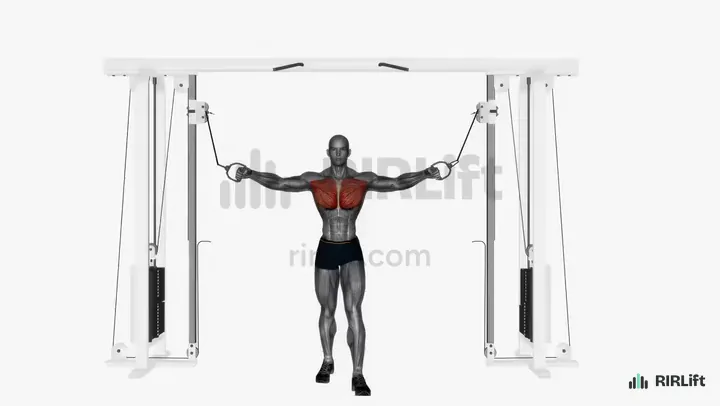
  1. High-to-Low Cable Fly Chest
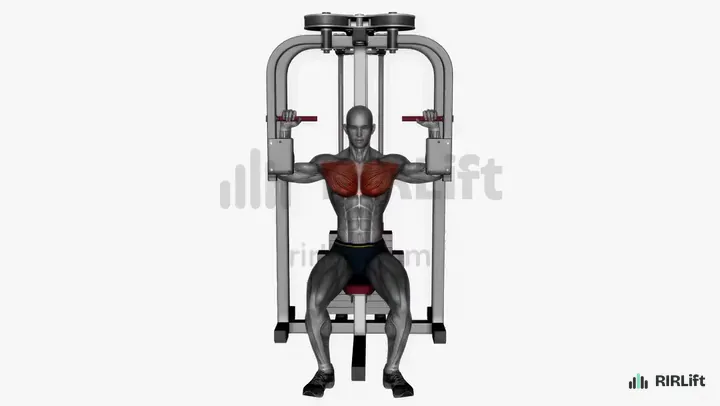
  2. Pec Deck Fly Chest
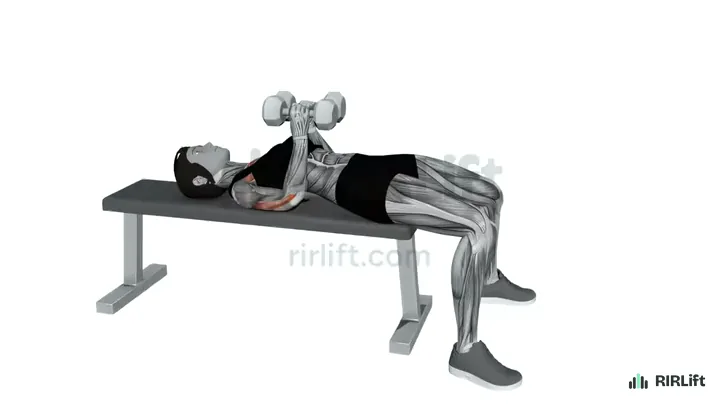
  3. Dumbbell Hex Press Chest
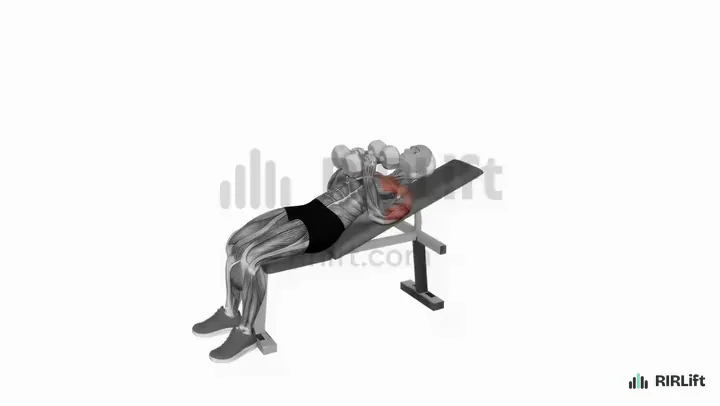
  4. Incline Dumbbell Squeeze Press Chest
  5. Single-Arm Cable Fly Chest
  6. Close-Grip Bench Press Triceps, Chest
  7. Svend Press Chest

Flies that finish in the middle

The pecs pull your arms across your body, and the last part of that movement, hands together in front of you, is where the fibers next to the breastbone work hardest. Cables and machines keep the load on at that point; dumbbells lose it.

Chest, cable fly from above

High-to-Low Cable Fly

Chest

The cables pull from high and wide, and the handles meet in front of your hips, so the chest is still under load as the hands come together. Pause there for a second on every rep.

How to do it

  1. Pin both pulleys at their highest notch, grab both handles and step forward to the middle with one foot in front of the other.
  2. Lean your torso slightly forward and let your arms open out to the sides and up, elbows soft, until you feel a stretch across your chest.
  3. Sweep the handles down and together in a big arc until they meet in front of your hips.
  4. Pause for a second with your chest squeezed, then let the cables pull your arms back open along the same path.

Cues

  • Hug a wide tree
  • Hands finish at belt height
  • Same elbow bend all set

Common mistakes

  • Bending the elbows more as you pull, which turns the fly into a press: lock the elbow angle in and lighten the stack.
  • Letting the stack slam between reps: stop the return when your hands are just behind your shoulders and keep tension on.

Swap for: Cable Fly, Single-Arm Cable Fly, Flat-Bench Cable Fly

Upper chest, low-to-high cable fly

Cable Fly

Chest

Sweeping the handles up from a low pulley and together in front of your face puts the squeeze on the upper part of the inner chest, the spot most people mean by an upper-inner chest gap.

How to do it

  1. Set both pulleys at the lowest notch and take a handle in each hand.
  2. Stand in the middle with your feet about shoulder width and knees soft, arms low and slightly behind your hips, elbows softly bent.
  3. Sweep both handles forward and up in a wide arc until they meet in front of your chest.
  4. Lower them back down and out along the same arc until your chest is stretched, then repeat.

Cues

  • Scoop up and in
  • Elbows stay soft and fixed
  • Squeeze for a second where the hands meet

Common mistakes

  • Bending and straightening your elbows each rep: that turns the fly into a press. Lock the elbow angle and move only at the shoulder.
  • Leaning back to heave the handles up: stand tall and take a plate off the stack.

Swap for: High-to-Low Cable Fly, Single-Arm Cable Fly, Dumbbell Chest Fly

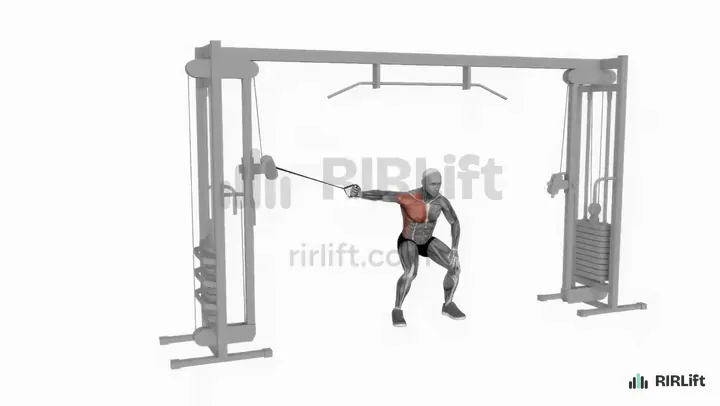
Chest, one-arm cable fly

Single-Arm Cable Fly

Chest

One arm at a time lets the hand travel past the middle of your body, a longer squeeze than a two-arm fly can reach. Useful when one side of the chest is smaller.

How to do it

  1. Set one pulley at about chest height and stand beside the tower, feet a little wider than your shoulders.
  2. Sit your hips back, bend your knees and tip your chest forward, resting your free hand on your knee.
  3. Take the handle in the hand nearest the pulley, arm reaching wide toward it, elbow slightly bent.
  4. Sweep the handle across in a wide arc until your hand passes your midline.
  5. Return slowly until you feel the stretch, finish the reps, then switch sides.

Cues

  • Free hand on your knee
  • Turn only at the shoulder
  • Reach past the middle

Common mistakes

  • Twisting your torso to move the handle: keep your hips and shoulders still and use less weight.
  • Letting the cable yank your arm back at the stretch: control the opening as slowly as the squeeze.

Swap for: Cable Fly, Low-to-High Cable Fly, Pec Deck Fly

Chest, machine fly

Pec Deck Fly

Chest

The machine fixes the path and keeps tension as the pads meet, so you can push hard at the point where the inner chest works most without balancing anything.

How to do it

  1. Set the seat so your upper arms are level with your shoulders when your forearms rest on the pads.
  2. Sit tall with your back on the pad, elbows bent to about 90 degrees, forearms against the pads and hands on the handles.
  3. Drive your elbows forward and together until the pads nearly meet in front of your chest.
  4. Let the pads swing back slowly until your elbows are level with your shoulders, then repeat.

Cues

  • Push with your elbows, not your hands
  • Squeeze for a second
  • Chest up, shoulders down

Common mistakes

  • Letting the weight drag your elbows behind your shoulders: stop the return when they line up with your shoulders.
  • Hunching forward to close the pads: sit tall and use less weight.

Swap for: High-to-Low Cable Fly, Dumbbell Chest Fly, Single-Arm Cable Fly

Chest, dumbbell fly

Dumbbell Chest Fly

Chest

The dumbbell fly loads the chest hardest in the stretch at the bottom. Stop with the dumbbells a few inches apart at the top, where they still pull on the chest, and pair it with a cable fly for the squeeze.

How to do it

  1. Lie on the bench, dumbbells pressed up over your chest, palms turned in.
  2. Bend your elbows slightly and keep that angle fixed for the whole set.
  3. Open your arms in a wide arc until you feel a deep stretch across your chest.
  4. Pull the weights back up along the same arc as if hugging a big barrel.
  5. Stop when the dumbbells are a few inches apart over your chest.

Cues

  • Fixed elbows, moving shoulders
  • Wide arc down, hug up
  • Stretch, do not strain

Common mistakes

  • Turning the fly into a press by bending the elbows more on the way down: lighter weights and a locked elbow angle fix it.
  • Going so deep that your shoulders roll forward off the pad: stop at the point where your chest is stretched and your shoulder blades still touch the bench.

Swap for: Incline Dumbbell Fly, Flat-Bench Cable Fly, Decline Dumbbell Fly

Squeeze presses

Pressing two dumbbells or a plate together while you push adds a constant inward squeeze to a press. Use moderate weights and 10 to 15 reps; the squeeze matters more than the load.

Chest, dumbbells pressed together

Dumbbell Hex Press

Chest

Squeezing two dumbbells into each other for the whole press keeps the chest pulling inward while it pushes up. It is the go-to inner chest press when you only have dumbbells and a bench.

How to do it

  1. Lie on a flat bench holding two dumbbells pressed together over your chest, palms facing each other.
  2. Squeeze them into each other hard enough that they stay touching every rep.
  3. Lower the pair to the middle of your chest with your elbows tucked.
  4. Press back to straight arms while keeping the squeeze.

Cues

  • Crush the dumbbells together
  • Elbows along the ribs
  • Slow down, drive up

Common mistakes

  • Letting the dumbbells drift apart at the bottom: that is where the squeeze stops working, so go lighter.
  • Lowering toward your neck: the handles belong at the middle of your breastbone.

Swap for: Incline Dumbbell Squeeze Press, Svend Press, Close-Grip Push-Up

Upper chest, incline squeeze press

Incline Dumbbell Squeeze Press

Chest

The same squeeze on a 30-degree bench shifts the work toward the upper chest. Use it when the upper and middle of your chest both look flat.

How to do it

  1. On a 30-degree bench, hold two dumbbells together over your chest with your palms facing each other.
  2. Press them into each other hard enough that they cannot separate.
  3. Lower the pair to your chest with your elbows close to your sides, still squeezing.
  4. Drive them back up to straight arms without letting the squeeze go.

Cues

  • Dumbbells never separate
  • Elbows tucked
  • Squeeze harder at the top

Common mistakes

  • Going heavy and losing the squeeze: the point is the squeeze, so pick a pair you can crush together.
  • Rushing the reps: three seconds down keeps the chest working the whole way.

Swap for: Dumbbell Hex Press, Incline Dumbbell Press, Svend Press

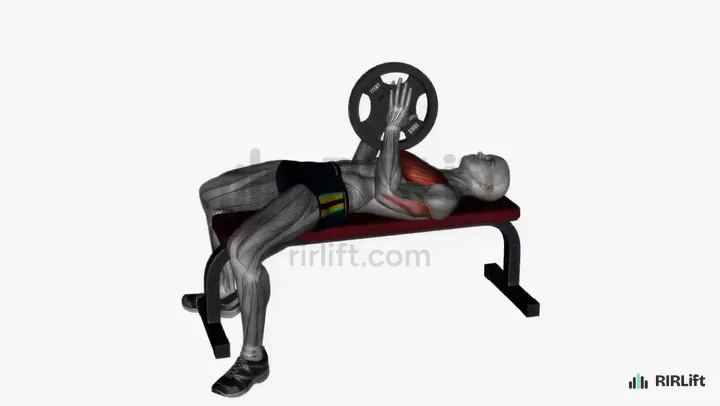
Chest, plate squeeze press

Svend Press

Chest

Pressing a light plate between your palms makes the inward squeeze the whole exercise. It is light work, best at the end of a session for high reps.

How to do it

  1. Lie back on a bench and press a light plate between your palms at your chest.
  2. Squeeze the plate hard and push it straight up over your chest.
  3. Bring it back to your chest while you keep squeezing.

Cues

  • Squeeze the plate
  • Slow and controlled

Common mistakes

  • Letting the squeeze go on the way down: the squeeze is the exercise.

Swap for: Single-Arm Band Chest Fly, Dumbbell Chest Fly

Close-grip presses

Bringing the hands in moves more of the press onto the triceps and the middle of the chest. These let you go heavier than any squeeze press.

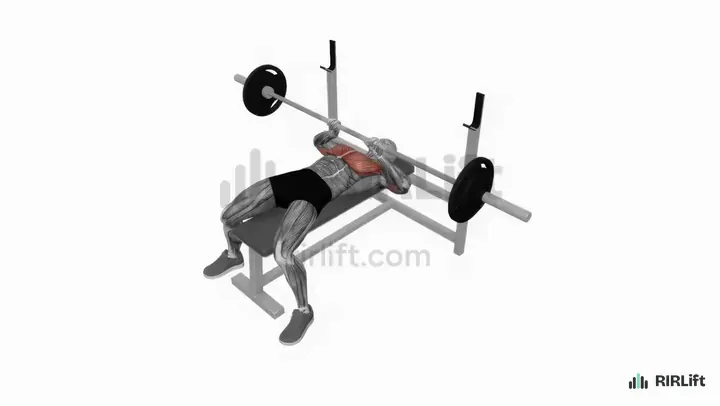
Triceps and chest, narrow barbell press

Close-Grip Bench Press

Triceps, Chest

A shoulder-width grip lets you press heavy with the hands closer to the middle of the chest. It builds the inner chest and triceps together with real load.

How to do it

  1. Lie on a bench and grip the bar about shoulder width.
  2. Lower it to your lower chest with the elbows close to your sides.
  3. Press back up to straight arms.

Cues

  • Shoulder-width grip
  • Elbows tucked

Common mistakes

  • Gripping so narrow the wrists bend: shoulder width is enough.

Swap for: Close-Grip Push-Up, EZ-Bar Skullcrusher, Cable Triceps Pressdown

Triceps and chest, narrow push-up

Close-Grip Push-Up

Triceps, Chest

The no-equipment version of the close-grip press. Hands under the shoulders and elbows close to the ribs; raise your feet on a step to make it harder.

How to do it

  1. Get into a high plank with your hands directly below your shoulders.
  2. Lower yourself with your elbows sliding back past your ribs.
  3. Stop just above the floor, then push up to locked elbows.
  4. Drop to your knees for the last reps if your hips start to sag.

Cues

  • Hands under shoulders
  • Elbows travel back
  • Full lockout

Common mistakes

  • Flaring the elbows into a T: that moves the work to your chest.
  • Half reps near the top: lower until your chest is close to the floor.

Swap for: Kneeling Push-Up, Incline Push-Up

The lift for overall size

A bigger chest overall makes the middle look fuller too. Keep one heavy press in the week and put the inner chest work after it.

Chest, heavy barbell press

Barbell Bench Press

Chest

The heaviest chest press, and the base the inner chest work sits on. Most of the size of your chest comes from heavy pressing, so it stays in every plan.

How to do it

  1. Lie on the bench with your eyes under the bar, feet planted, and squeeze your shoulder blades back and down into the pad.
  2. Grip the bar a little wider than shoulder width, unrack it, and hold it over your shoulders with locked elbows.
  3. Lower the bar to your lower chest, around nipple height, with your elbows angled roughly 45 to 70 degrees from your sides.
  4. Touch your chest without bouncing, then press the bar up and slightly back until it is over your shoulders again.

Cues

  • Shoulder blades stay pinned
  • Bar to the nipple line
  • Drive your feet into the floor

Common mistakes

  • Flaring the elbows straight out to the sides: let them sit a bit closer to your ribs so your shoulders stay comfortable.
  • Lifting your hips off the bench to finish a rep: keep your glutes down and count that rep as your last.

Swap for: Flat Dumbbell Press, Smith Machine Bench Press, Machine Chest Press

Put them together: example sessions

Each session below picks from the exercises above for one situation, with the sets, reps, rest and RIR filled in.

Session 1

Gym, two chest days, middle lagging

  • Workouts2× a week
  • Working sets20 a week
  • Per workout~30 min
  • EquipmentBarbells, Flat Bench, Dumbbells, Cable Crossover +1

You train chest twice a week at a gym, your bench press is fine, but the middle of your chest still looks flat next to the outer part.

Each chest day keeps a heavy press and adds two inner chest exercises, about 10 sets per day and 20 a week. The heavy lift builds overall size, the flies and squeeze presses give the middle extra work at the end of the range.

Day A: Heavy and cables
ExerciseSets × repsRIRRest
Barbell Bench Press2 warm-up sets first 4 × 5–8 2 3 min
Dumbbell Hex Press 3 × 10–12 2 90 s
High-to-Low Cable FlyPause 1 s with hands together. 3 × 12–15 1 1 min
Day B: Close grip and machine
ExerciseSets × repsRIRRest
Close-Grip Bench Press2 warm-up sets first 4 × 6–10 2 2:30 min
Pec Deck FlyPause 1 s with pads together. 3 × 12–15 1 1 min
Single-Arm Cable FlyPer arm. 3 × 12–15 1 1 min
How to run it
Run Day A and Day B on your two chest days, at least 72 hours apart. If you train on a push/pull/legs split, use them as your two push days with your shoulder and triceps work after.
How to progress
Double progression on the presses: add weight once every set reaches the top of the range at 2 reps in reserve. On flies, push to 1 rep in reserve and add reps before weight. A one-second pause with the hands together counts as part of the rep.

Session 2

Home with dumbbells and a bench

  • Workouts2× a week
  • Working sets20 a week
  • Per workout~20 min
  • EquipmentDumbbells, Flat Bench, Barbells, Incline Bench

You train at home with adjustable dumbbells, a flat-to-incline bench and a plate, and want a fuller middle of the chest without cables.

Without cables, the squeeze comes from pressing the weights together, so each session has a press, a squeeze press and a light finisher, about 10 sets. Twice a week gives 20 chest sets, the top of the useful range for most people.

Session 1
ExerciseSets × repsRIRRest
Dumbbell Hex Press1 warm-up set first 4 × 8–12 2 90 s
Dumbbell Chest Fly 3 × 10–15 2 75 s
Svend Press 3 × 12–20 1 1 min
Session 2
ExerciseSets × repsRIRRest
Incline Dumbbell Squeeze Press1 warm-up set first 4 × 8–12 2 90 s
Close-Grip Push-Up 3 × 8–20 1 75 s
Svend Press 3 × 12–20 1 1 min
How to run it
Train twice a week with two or three rest days between sessions.
How to progress
Add reps first, then move to heavier dumbbells. On the hex press, go up only when the dumbbells stay touching on every rep. On push-ups, raise your feet once 20 reps are easy.

Session 3

The gap is at the top of your chest

  • Workouts1× a week
  • Working sets13 a week
  • Per workout~35 min
  • EquipmentDumbbells, Incline Bench, Cable Crossover, Barbells +1

The lower and outer chest look full, but there is a visible gap at the top near the collarbones, and you have cables and an incline bench.

Moving the main work to incline angles and low-to-high cable flies puts 10 of the session's 13 sets into incline squeezes and flies that finish with the hands together. Once a week here, plus your normal chest day, keeps total chest volume reasonable.

Upper-inner day
ExerciseSets × repsRIRRest
Incline Dumbbell Squeeze Press2 warm-up sets first 4 × 8–12 2 2 min
Cable FlyHands meet in front of your face. 4 × 12–15 1 1 min
Close-Grip Bench Press 3 × 8–10 2 2 min
Single-Arm Cable FlyPer arm. 2 × 12–15 1 1 min
How to run it
Use this as one of your two chest days and keep your regular flat-press day for the other. Leave at least 72 hours between them.
How to progress
Add weight to the squeeze press when every set hits 12 reps at 2 in reserve. On the low-to-high fly, add reps up to 15 with a pause at the top, then go up one plate.

Make it fit you

Questions

Can you target the inner chest?

You can bias it, not isolate it. The inner chest is part of the same pec muscle, but exercises that finish with your hands together, like cable flies and hex presses, load that region harder at the end of each rep.

How do you fill in the middle of your chest?

Build the whole chest with heavy presses, then add flies and squeeze presses that bring the hands fully together. Part of the gap is set by where your pecs attach to the breastbone, which training does not change, but more muscle makes it look fuller.

What push-ups hit the inner chest?

Close-grip push-ups, with the hands under your shoulders and elbows tucked. Diamond push-ups, with the hands touching, work the triceps even more and are harder on the wrists.

Why isn't my upper middle chest growing?

Usually because most of the pressing is flat. Add an incline squeeze press and a low-to-high cable fly, and give them a full session of attention rather than a few sets at the end of a workout.

How many sets a week for the inner chest?

Count it as chest work: 10 to 20 hard sets a week over two sessions, with three or four of the exercises from this page in each session.

Is the inner chest a separate muscle?

No. It is the part of the pectoralis major that attaches along the breastbone. Every chest exercise works it to some degree; the ones on this page work it harder.