
Exercises for karate: stances, kicks, hip snap and kime
Published October 24, 2026
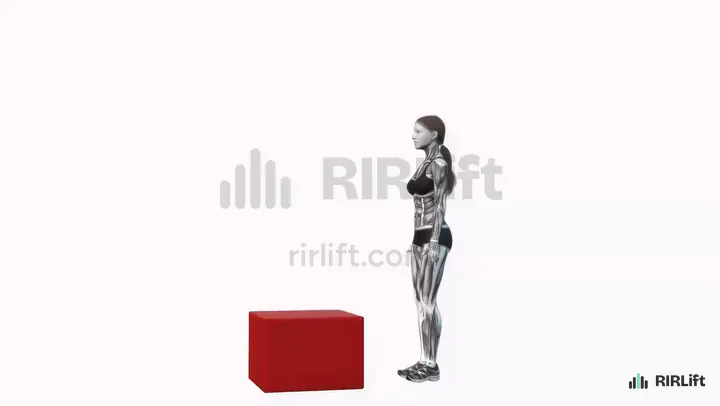
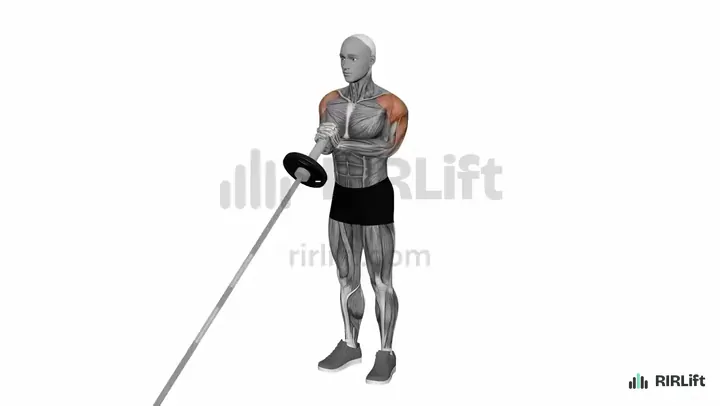
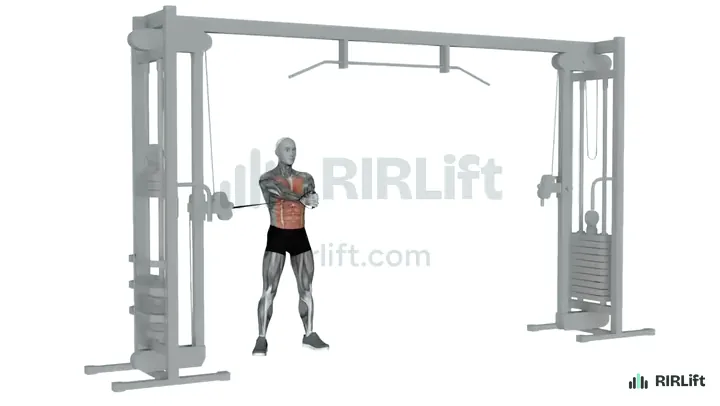
The best exercises for karate are the Bulgarian split squat and Cossack squat for deep stances, the standing cable hip flexion and hanging knee raise for a faster kick chamber, the kettlebell swing and box jump for hip snap, the landmine press and push-up for punching, and the Pallof press for kime. Do them in one or two short gym sessions a week, a few reps short of failure, so your legs are fresh for the dojo. Push-ups, squats and core work are good starting points, but a karateka gets more from single-leg strength, loaded knee lifts and explosive hip extension than from bodybuilding splits.
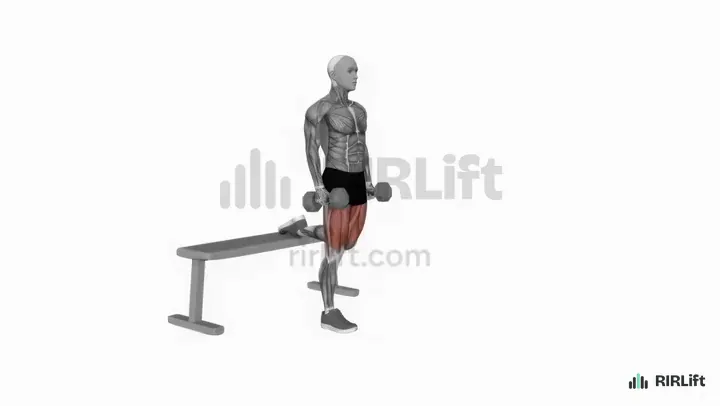
- Bulgarian Split Squat Quads, Glutes
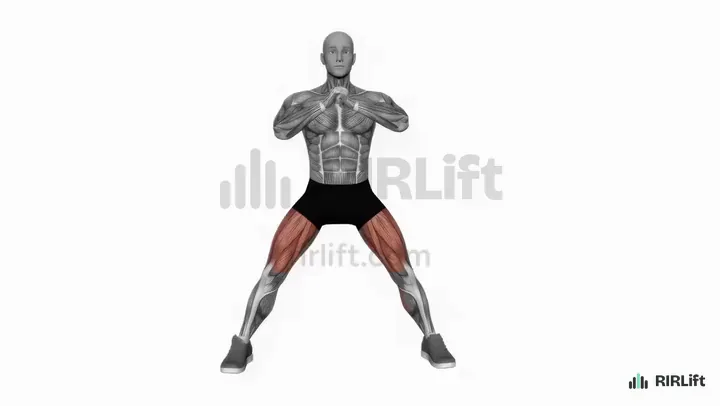
- Cossack Squat Quads, Adductors
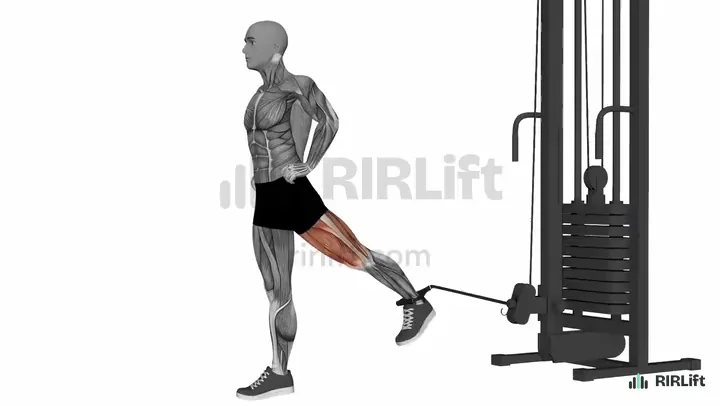
- Standing Cable Hip Flexion Abs
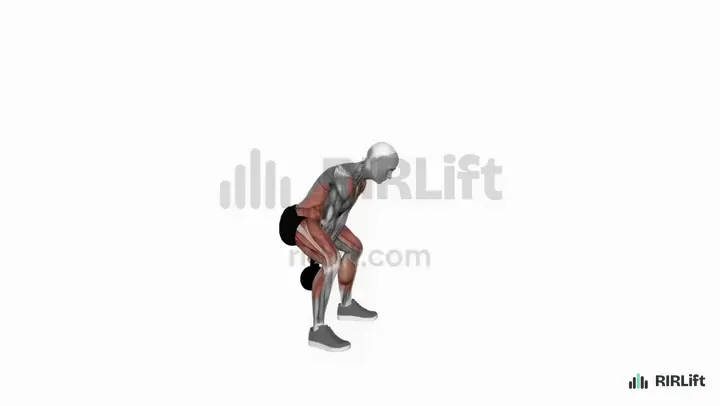
- Kettlebell Swing Glutes, Hamstrings
- Box Jump Quads, Glutes, Hamstrings
- Landmine Press Shoulders
- Pallof Press Abs
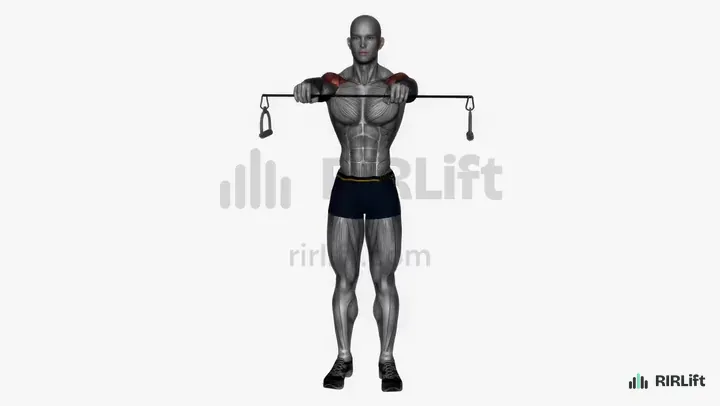
- Band Pull-Apart Shoulders, Upper Back
Put them together: example sessions
Each session below picks from the exercises above for one situation, with the sets, reps, rest and RIR filled in. Open one in the session builder to change a pick, price it from a recent set, and add it to RIRLift.
-
Session 1
Kumite competitor in tournament season
You fence points in kumite three or four nights a week and have a tournament every few weeks, so the gym has to sharpen you without leaving you slow.
2× a week · 24 sets a week · ~25 min
-
Session 2
Off-season strength build
You have a gap between competitions or train mainly kata, and you want stronger legs, a higher kick and more power for the next season.
2× a week · 30 sets a week · ~35 min
-
Session 3
Adult beginner training twice a week at the dojo
You started karate as an adult, train two evenings a week, and have never followed a lifting plan.
2× a week · 24 sets a week · ~30 min
Session 1
Kumite competitor in tournament season
- Workouts2× a week
- Working sets24 a week
- Per workout~25 min
- EquipmentPlyo Box, Kettlebells, Dumbbells, Landmine +1
You fence points in kumite three or four nights a week and have a tournament every few weeks, so the gym has to sharpen you without leaving you slow.
In season the dojo is the main work, so this plan is one short session done twice a week, with the jumps and swings first while you are fresh, then a few strength sets kept 2 to 3 reps short of failure so your legs are not sore for the next class. 14 working sets is enough to hold strength without stealing speed. Drop the second session in a tournament week.
| Exercise | Sets × reps | RIR | Rest |
|---|---|---|---|
| Box JumpStep down every rep. | 3 × 3–5 | 3 | 90 s |
| Kettlebell SwingSnap hard, stop when the bell slows. | 3 × 8–12 | 2 | 75 s |
| Bulgarian Split SquatPer leg. | 2 × 6–8 | 2 | 90 s |
| Landmine PressReach at the end. | 2 × 6–8 | 2 | 75 s |
| Pallof PressPer side, 2 s hold. | 2 × 8–10 | 2 | 45 s |
- How to run it
- Lift on two non-consecutive days that are not the day before hard sparring, for example after a light technique class. Rest fully between jump sets; they are about speed, not fatigue.
- How to progress
- Keep the loads where they are for the season and only add weight when a set feels like 4 reps in reserve or more. Stop every jump set the moment a rep gets slower.
Session 2
Off-season strength build
- Workouts2× a week
- Working sets30 a week
- Per workout~35 min
- EquipmentKettlebells, Dumbbells, Resistance Bands, Adjustable Cable +2
You have a gap between competitions or train mainly kata, and you want stronger legs, a higher kick and more power for the next season.
With fewer hard dojo nights you can recover from more lifting, so this plan runs two different sessions a week with heavier sets 1 to 2 reps short of failure. Session A builds stance and hip power; session B builds the kick chamber, the punching press and the trunk. Each has 15 to 16 working sets, and nothing goes to failure, because you still have classes on the other days.
| Exercise | Sets × reps | RIR | Rest |
|---|---|---|---|
| Kettlebell Swing | 3 × 10–15 | 2 | 75 s |
| Bulgarian Split SquatPer leg. | 3 × 6–10 | 1 | 2 min |
| Cossack SquatPer side, add a goblet weight when bodyweight is easy. | 3 × 6–8 | 2 | 90 s |
| Band Pull-Apart | 3 × 15–20 | 1 | 45 s |
| Dead BugPer side. | 3 × 8–10 | 2 | 45 s |
Open Session A: Stance and Power in the session builder
| Exercise | Sets × reps | RIR | Rest |
|---|---|---|---|
| Standing Cable Hip FlexionPer leg. | 3 × 8–12 | 1 | 1 min |
| Hanging Knee Raise | 3 × 8–12 | 1 | 75 s |
| Landmine Press | 3 × 8–10 | 1 | 90 s |
| Push-Up | 3 × 8–20 | 1 | 75 s |
| Pallof PressPer side. | 3 × 10–12 | 2 | 45 s |
Open Session B: Kick and Punch in the session builder
- How to run it
- Do Session A and Session B once each per week with at least two days between them, on lighter dojo days.
- How to progress
- Add a rep each week until every set reaches the top of its range at the target RIR, then add the smallest weight step and start again at the bottom of the range. After six weeks, take a lighter week before the season.
Session 3
Adult beginner training twice a week at the dojo
- Workouts2× a week
- Working sets24 a week
- Per workout~30 min
- EquipmentDumbbells, Resistance Bands, Adjustable Cable
You started karate as an adult, train two evenings a week, and have never followed a lifting plan.
A new karateka gets most of their progress from technique, so the lifting should make classes easier rather than compete with them. This is one full-body session done twice a week with simple movements, kept 2 to 3 reps short of failure, so you learn the exercises and leave without the kind of soreness that ruins your next class. It has 12 working sets.
| Exercise | Sets × reps | RIR | Rest |
|---|---|---|---|
| Bulgarian Split SquatPer leg. Bodyweight first. | 2 × 8–10 | 3 | 90 s |
| Push-UpFrom the knees if needed. | 2 × 6–12 | 2 | 75 s |
| Cossack SquatPer side, only as deep as the heel stays down. | 2 × 5–8 | 3 | 75 s |
| Band Pull-Apart | 2 × 12–15 | 2 | 45 s |
| Standing Cable Hip FlexionPer leg. | 2 × 10–12 | 2 | 45 s |
| Dead BugPer side. | 2 × 6–8 | 2 | 45 s |
- How to run it
- Lift on two days that are not your dojo nights. Start each exercise with a weight you could lift for far more reps than asked, and log how many you had left.
- How to progress
- When every set hits the top of the rep range at 2 reps in reserve, add a little load or a harder version: a goblet weight for the Cossack squat, dumbbells for the split squat. After eight weeks you can move to the off-season plan.
Make it fit you
-
Tournament this weekend
Skip the gym in the three days before competing, or do only the jumps and swings at half the sets on the first of those days. Strength holds for a week without lifting; slow legs on the mat do not.
-
Kata is your focus
Use the off-season plan all year, and add one extra set of Cossack squats and split squats, because long low stances and slow transitions reward leg endurance more than jump height.
-
No cable machine
Swap the standing cable hip flexion for lying knee raises with a light ankle weight, the Pallof press for a side plank, and the landmine press for a one-arm dumbbell press done standing in a split stance.
-
Knees feel beaten up after class
Lower the box, keep the split squat at 3 reps in reserve, and replace the Cossack squat with a shallower lateral lunge for a few weeks. Bring the depth back slowly.
-
Log the reps you had left
Write the reps in reserve next to every set. If you log in RIRLift, it picks your next session's weight from that number, so in season you keep the same effort even when a hard class has left you tired.
Questions
What are the basic exercises for karate?
Push-ups, squats, lunges and core work like planks and dead bugs, plus the karate basics themselves: stances, punches, blocks and kicks. In the gym, the most useful additions are a single-leg squat such as the Bulgarian split squat, a loaded knee lift for kicks, a hip hinge like the kettlebell swing, and an anti-rotation core exercise.
Is strength training good for karate?
Yes, when it is short and kept a few reps short of failure. Stronger legs hold low stances longer, stronger hip flexors lift the kick chamber faster, and explosive hinges and jumps add power to techniques. The risk is only fatigue: lifting to failure the day before sparring leaves you slow, which is why every plan here stops 1 to 3 reps short.
How often should a karateka lift weights?
Twice a week works for most people training karate three or four nights a week. In tournament season, one or two short sessions hold your strength; in the off-season, two longer ones build it. Put lifting on lighter dojo days or after technique classes, not before hard sparring.
What muscles does karate use most?
The legs and hips do the most work: quads and inner thighs for stances, hip flexors for kicks, glutes for driving off the floor. The trunk transfers that force to the hands, and the shoulders and triceps finish punches and blocks. A good karate workout trains all of them, with the legs and hips first.
Can I do a karate workout at home?
Yes. Push-ups, Cossack squats, split squats with your back foot on a couch, dead bugs and band pull-aparts need only a band. Add a kettlebell for swings and you cover everything except the cable exercises, which you can replace with lying knee raises and a side plank.
Related templates
-
Exercises for taekwondo: kicking power, balance, hips and conditioning
A kick-heavy art with more emphasis on height and spinning kicks than karate.
-
Exercises for martial arts: strength, power and conditioning
The general strength picks that apply across striking and grappling arts.
-
Exercises for kickboxing: strength for kicks, punches and the clinch
Strength work for full-contact striking with more rounds and more conditioning.
-
The best workout for legs, built for your situation
Fuller leg sessions when you want more off-season volume for your stances.
-
How to use reps in reserve (RIR)
How to judge the 1 to 3 reps in reserve targets that keep you fresh for class.