Exercises for kickboxing: strength for kicks, punches and the clinch

The best exercises for kickboxing are the trap bar deadlift and Bulgarian split squat for leg drive, medicine ball rotational throws and the landmine rotational press for hip-powered strikes, pull-ups and one-arm rows to balance all the punching, the Pallof press and hanging knee raise for the trunk, and neck curls and extensions for the clinch. Two full-body sessions a week, stopped 2 reps short of failure, add strength without leaving your legs heavy for class. Keep doing rope rounds and bag work for conditioning; the gym's job is strength and power.

  1. Trap Bar Deadlift Quads, Glutes
  2. Bulgarian Split Squat Quads, Glutes
  3. Med Ball Rotational Throw Abs
  4. Landmine Rotational Press Shoulders, Abs
  5. Pull-Up Lats
  6. Pallof Press Abs
  7. Lying Neck Curl Neck
  8. Jump Rope Calves, Quads

Leg drive and hip strength

Power for kicks, knees and punches starts at the floor. One heavy two-leg lift and two single-leg lifts cover the drive and the balance you need when you are standing on one leg to strike.

Hip drive, heavy lower-body base

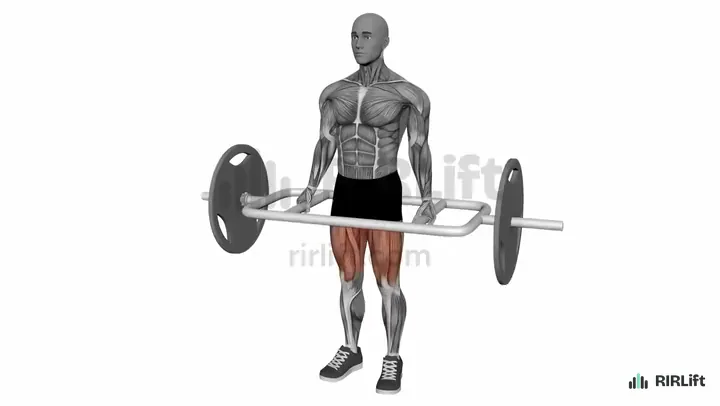
Trap Bar Deadlift

Quads, Glutes

Every kick and every punch starts with the feet pushing into the floor. The trap bar lets you pull heavy with an upright torso, so your legs and hips get strong without the lower-back strain a straight bar adds on top of sparring.

How to do it

  1. Step into the middle of the hex bar, feet under your hips, and grab the handles at their center.
  2. Push your hips back, bend the knees, and set your chest tall with your arms long.
  3. Drive the floor away until you stand straight with hips and knees locked out together.
  4. Sit the bar back down under control along the same path and reset before the next rep.

Cues

  • Push the floor, don't pull the bar
  • Chest up through the whole lift
  • Lock hips and knees at the same moment

Common mistakes

  • Letting the hips shoot up first and turning it into a stiff-leg pull: keep chest and hips rising together.
  • Grinding slow reps near failure the day before sparring: leave two or three reps in the tank.

Swap for: Barbell Deadlift, Kettlebell Deadlift, Dumbbell Romanian Deadlift

Single-leg strength for stance and kicks

Bulgarian Split Squat

Quads, Glutes

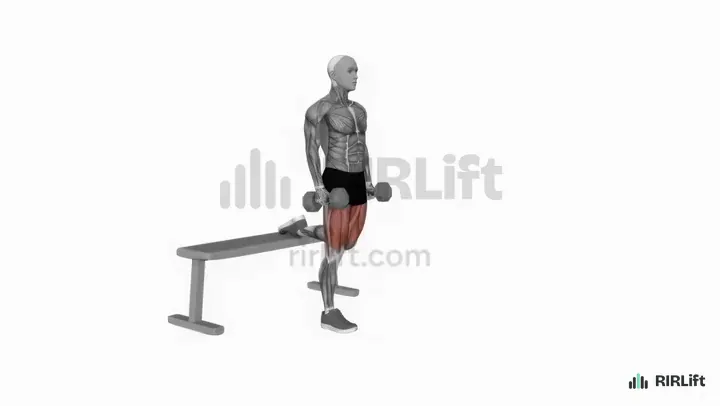
Kickboxing is fought on one leg at a time: you post on the lead leg to throw a round kick and push off the rear leg to close distance. The rear-foot-elevated split squat builds each leg separately and stretches the hip flexor of the back leg, which tends to tighten from a fighting stance.

How to do it

  1. Stand a long stride ahead of a bench and rest the top of your back foot on it.
  2. Hold dumbbells at your sides and lower straight down until the back knee nearly touches the floor.
  3. Push through the whole front foot to stand back up without leaning onto the back leg.
  4. Finish all reps on one side, then switch legs.

Cues

  • Front foot stays flat
  • Drop the back knee straight down
  • Torso slightly forward is fine

Common mistakes

  • Standing too close to the bench so the front heel lifts: scoot forward until your shin stays near vertical at the bottom.
  • Bouncing out of the bottom: pause for a beat so the leg does the work.

Swap for: Dumbbell Split Squat, Reverse Lunge, Step-Up

Balance and hamstrings for kicking

Single-Leg RDL

Hamstrings, Glutes

Throwing a teep or a high round kick means balancing on one leg while the other swings at speed. The single-leg Romanian deadlift loads the standing hamstring and glute and teaches your ankle and hip to stay steady while your torso tips.

How to do it

  1. Hold a dumbbell in the hand opposite your standing leg and soften that knee slightly.
  2. Hinge at the hip and let the free leg float back as your chest lowers toward the floor.
  3. Stop when your torso is near parallel or your hips start to twist open.
  4. Squeeze the standing glute to return to tall, then repeat before switching sides.

Cues

  • Hips stay square to the floor
  • Reach the back heel to the wall behind you
  • Slow down, fast up

Common mistakes

  • Rotating the hip of the free leg toward the ceiling: point those toes down the whole time.
  • Bending the standing knee into a squat: keep the bend small and fixed.

Swap for: Dumbbell Romanian Deadlift, Dumbbell B-Stance RDL, Romanian Deadlift

Inner-thigh strength for checks and stance

Copenhagen Plank

Adductors, Abs

Checking a leg kick and switching stance both load the adductors on the inside of the thigh. The Copenhagen plank strengthens them by holding your body up on the top leg's inner thigh.

How to do it

  1. Lie on your side and rest the top leg on a bench, from the knee or the ankle depending on difficulty.
  2. Prop up on your bottom forearm with the elbow under your shoulder.
  3. Lift your hips until your body forms a straight line, with the bottom leg hanging or tucked.
  4. Hold for time, then switch sides.

Cues

  • Top leg presses into the bench
  • Hips high and stacked
  • Start at the knee if new

Common mistakes

  • Letting the hips sag toward the floor: shorten the hold and keep the line.
  • Starting from the ankle before you can hold the knee version: build up to it.

Swap for: Side Plank, Hip Adduction Machine, Dumbbell Side Plank

Rotational power for strikes

Hooks, crosses and round kicks all come from the hips turning and the trunk passing that turn to the hand or foot. Train it fast with throws and presses, and train the opposite skill, holding still under a twist, with the Pallof press.

Rotational power for hooks and kicks

Med Ball Rotational Throw

Abs

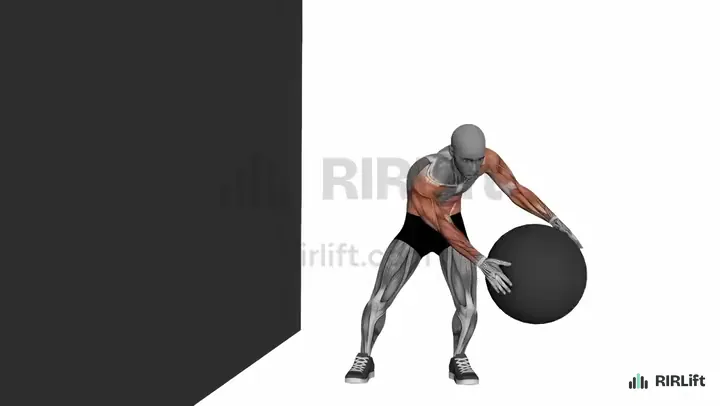
A hook and a round kick both come from the hips turning hard and the trunk passing that turn to the limb. Throwing a medicine ball sideways into a wall trains the same quick hip-to-shoulder rotation with something you can release, so you stay fast instead of slowing down to protect a weight.

How to do it

  1. Stand side-on to a solid wall about an arm's length plus a step away, holding a medicine ball at your back hip.
  2. Load your weight into the back leg as you turn the ball away from the wall.
  3. Drive the back hip around and let the arms follow to throw the ball into the wall.
  4. Catch the rebound, reset your stance, and repeat. Do both sides.

Cues

  • Hips first, arms last
  • Pivot the back foot like a cross
  • Throw through the wall

Common mistakes

  • Throwing with the arms while the hips stay still: start every rep by turning the back knee and hip.
  • Using a ball so heavy the throw goes slow: pick one you can launch hard for every rep.

Swap for: Med Ball Woodchop, Landmine Rotational Press, Cable Woodchop

Hip-to-hand power for straight punches

Landmine Rotational Press

Shoulders, Abs

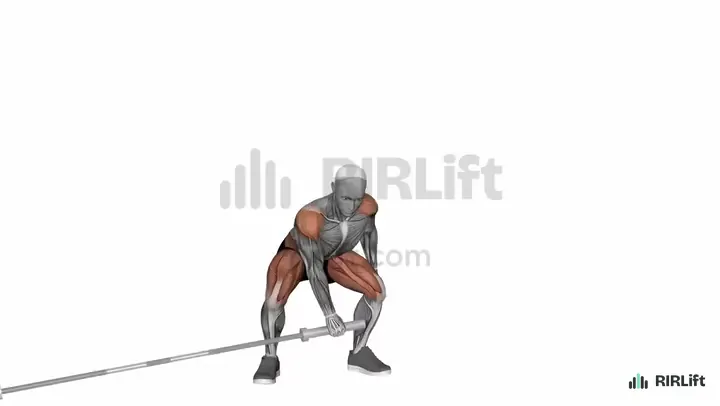
A cross is a leg drive and a hip turn that ends in an extended arm. The landmine rotational press copies that chain under load: push from the back foot, turn the hips, and finish with the arm reaching forward on an angle.

How to do it

  1. Set a barbell in a landmine and stand side-on to it, then squat and grip the end of the bar low outside your back hip.
  2. Drive from the back foot, pivot it, and turn your hips toward the bar's anchor as you stand.
  3. Carry the bar up and across your body and press it until the arm is long, letting the shoulder reach.
  4. Bring it back down to your hip as the hips turn back, then repeat. Train both sides.

Cues

  • Foot, hip, then hand
  • Finish with the shoulder reaching
  • Keep the ribs down

Common mistakes

  • Pressing with the arm before the hips move: the bar should start rising only as your back heel turns.
  • Arching the lower back to finish the press: brace and let the hips do the turning.

Swap for: Landmine Press, Single-Arm Dumbbell Shoulder Press, Dumbbell Push Press

Anti-rotation trunk for absorbing body shots and kicks

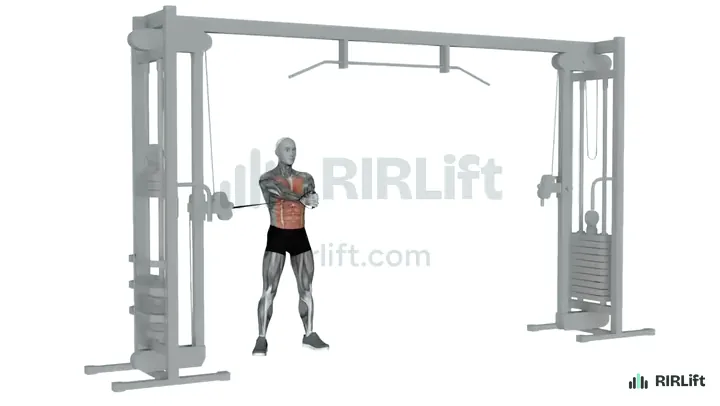
Pallof Press

Abs

Your trunk has to turn fast and also stop turning when a kick lands or you check one. The Pallof press trains the second job: holding the torso still while a cable tries to twist you.

How to do it

  1. Set a cable at chest height and stand side-on to it, holding the handle at your sternum.
  2. Step away until there is real tension and stand in a short fighting stance.
  3. Press the handle straight out from your sternum without letting it pull you around.
  4. Hold for a breath, bring it back, and repeat. Train both sides.

Cues

  • Hands stay on the midline
  • Ribs down, glutes tight
  • Breathe out as you press

Common mistakes

  • Letting the arms drift toward the stack: stand closer or use less weight.
  • Leaning away from the cable to resist it: stay upright and let the trunk do the work.

Swap for: Landmine Twist, Side Plank, Band Face Pull

Trunk flexion for knees and teeps

Hanging Knee Raise

Abs

Throwing a knee or a teep means snapping the hip up and curling the pelvis. Hanging knee raises train the abs and hip flexors in that exact direction and add grip work on the bar for free.

How to do it

  1. Grip the bar firmly and hang and your shoulders pulled slightly down.
  2. Curl your knees up toward your chest, rolling your pelvis under at the top.
  3. Lower your legs slowly without letting them swing back.
  4. Pause at the bottom to kill the swing before the next rep.

Cues

  • Curl the tailbone up
  • Slow on the way down
  • No swinging

Common mistakes

  • Lifting the knees only to hip height with no pelvic curl: finish each rep by tucking the hips.
  • Using momentum from a swing: pause between reps.

Swap for: Captain's Chair Knee Raise, Reverse Crunch, Hanging Leg Raise

Upper body push and pull

Punching wants a fast push, and guarding and clinching want a strong pull. Keep the pushing explosive and light, and give the pulling at least as many sets so your shoulders stay balanced.

Fast upper-body push

Clap Push-Up

Chest

Punches need speed through the chest, shoulders and triceps more than they need a heavy bench press. Clap push-ups teach you to push hard and leave the floor quickly, and the reps stay short so they don't eat into recovery from bag work.

How to do it

  1. Set up in a push-up position with hands a little wider than your shoulders and your body in one straight line.
  2. Lower your chest close to the floor under control.
  3. Push up explosively so your hands leave the floor, clap once, and catch with soft elbows.
  4. Reset for a breath at the top if needed so every rep is fast.

Cues

  • Push the floor away hard
  • Land soft, then go again
  • Body stays one plank

Common mistakes

  • Doing them tired and slow: stop the set as soon as the hands barely leave the floor.
  • Sagging at the hips on landing: tighten your glutes before each rep.

Swap for: Explosive Push-Up, Push-Up, Med Ball Chest Throw

Pulling strength for the clinch and posture

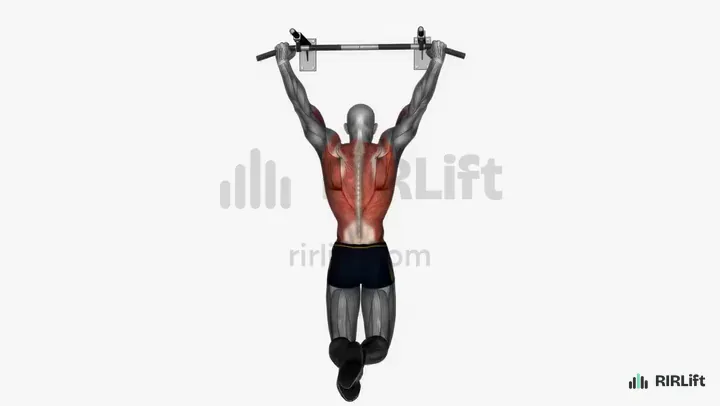
Pull-Up

Lats

Punching all day rounds the shoulders forward. Pull-ups build the lats and upper back that pull your arms back to guard and hold position in the clinch, and they balance all the pushing you do on the bag.

How to do it

  1. Hang from the bar with hands just wider than your shoulders, palms facing away.
  2. Pull your shoulder blades down, then drive the elbows toward your ribs.
  3. Rise until your chin passes the bar without kicking the legs.
  4. Lower all the way to straight arms before the next rep.

Cues

  • Elbows to the back pockets
  • Chest to the bar
  • Full hang at the bottom

Common mistakes

  • Half reps that never reach straight arms: lower all the way, even if you get fewer reps.
  • Swinging the legs for momentum: keep them still and squeezed together.

Swap for: Lat Pulldown, Assisted Pull-Up, Inverted Row

Build a session with Pull-Up

Single-arm pull to balance punching

One-Arm Dumbbell Row

Lats, Upper Back

Rowing one arm at a time lets each side pull its own weight, which matters in a sport where you favor one stance. It is also easy on the lower back, so it fits on days after heavy leg work.

How to do it

  1. Brace your free hand and knee on a bench with your back flat.
  2. Let the dumbbell hang straight down from your working shoulder.
  3. Row the elbow back to your hip until the dumbbell touches your side.
  4. Lower to a full stretch and repeat, then switch arms.

Cues

  • Pull to the hip, not the armpit
  • Shoulder blade reaches at the bottom
  • Torso stays still

Common mistakes

  • Twisting the torso to heave the weight: use a load you can row without turning.
  • Shrugging the shoulder toward the ear: lead with the elbow.

Swap for: Seal Row, Kettlebell Row, Single-Arm Cable Row

Neck strength and conditioning

Two short neck sets after lifting and a few rounds of rope work finish the session. The rope rounds also double as a warm-up on lifting days.

Neck strength for taking shots

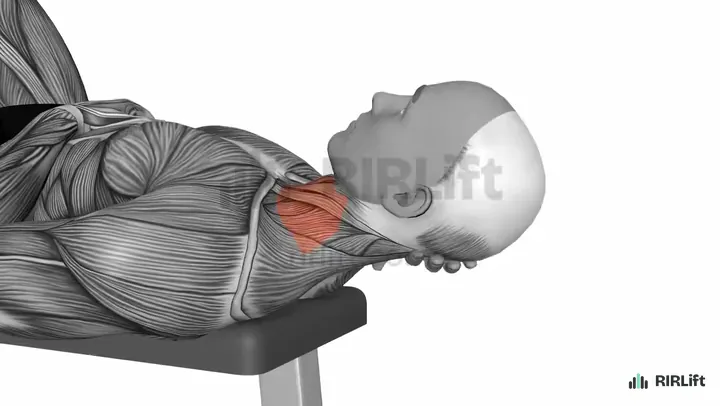
Lying Neck Curl

Neck

A thicker, stronger neck helps you keep your head in position when a punch or a clinch knee pulls on it. Your head's weight and slow reps are enough to start, and two short sets fit at the end of any session.

How to do it

  1. Lie on your back on a bench with your head and neck past the end.
  2. Lower your head back slowly below the line of the bench.
  3. Curl your chin toward your chest.
  4. Keep the movement slow and smooth through the full range.

Cues

  • Slow both ways
  • Chin tucks toward the chest
  • Light weight, high reps

Common mistakes

  • Jerking the head, or adding a plate before high reps feel easy: build up in small steps.
  • Cutting the range short: move through the full comfortable range each rep.

Swap for: Lying Neck Extension, Plate Halo, Dumbbell Shrug

Back-of-neck strength for the clinch

Lying Neck Extension

Neck

In the clinch your opponent pulls your head down. Training the back of the neck alongside the front keeps both sides strong enough to hold posture.

How to do it

  1. Lie on your front on the floor, propped up on your forearms with your legs straight.
  2. Let your chin drop toward your chest.
  3. Lift your head back until it is in line with your spine and your eyes look forward.
  4. Move slowly and stop each rep at neutral rather than cranking upward.

Cues

  • Lift to neutral, no further
  • Slow reps
  • Shoulders stay relaxed

Common mistakes

  • Throwing the head back past neutral: stop when your head lines up with your body.
  • Shrugging up into the lift: keep the shoulders down.

Swap for: Lying Neck Curl, Face Pull, Dumbbell Shrug

Footwork rhythm and conditioning

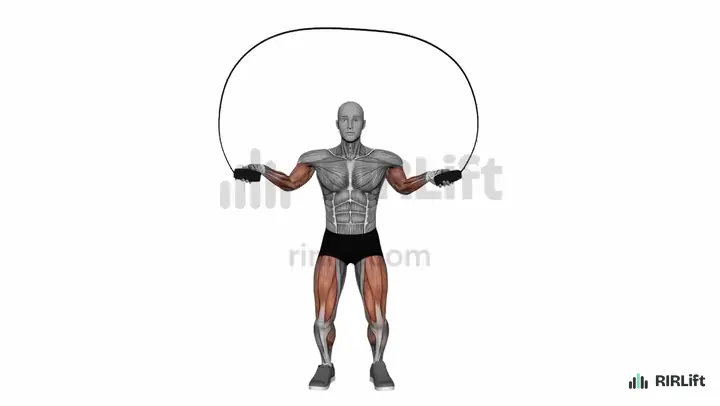
Jump Rope

Calves, Quads

Rope work is the oldest piece of fight conditioning for a reason: it trains light, quick feet and calf stiffness, and you can turn it into rounds that match your fight time.

How to do it

  1. Hold the handles at hip height with elbows close to your sides.
  2. Turn the rope with your wrists, not your shoulders.
  3. Jump just high enough to clear the rope, landing on the balls of your feet.
  4. Work in timed rounds and switch between two-foot and alternating-foot bounces.

Cues

  • Wrists turn the rope
  • Small, quiet hops
  • Stay on the balls of the feet

Common mistakes

  • Jumping high and landing flat-footed: keep hops low and springy.
  • Swinging the arms in big circles: keep the elbows close and turn from the wrists.

Swap for: Jump Rope Alternating Foot, Skipping in Place, Fast Feet

Build a session with Jump Rope

Put them together: example sessions

Each session below picks from the exercises above for one situation, with the sets, reps, rest and RIR filled in. Open one in the session builder to change a pick, price it from a recent set, and add it to RIRLift.

Session 1

Two lifting days next to regular kickboxing classes

Open in the session builder
  • Workouts2× a week
  • Working sets30 a week
  • Per workout~40 min
  • EquipmentTrap Bar, Landmine, Pull-Up Bar, Adjustable Cable +3

You train kickboxing three or four times a week and want to add strength without dragging your legs into class.

Two full-body sessions cover legs, rotation, push, pull and neck in about 45 minutes each. Every set stops 2 reps short of failure, and the heavy lifts sit at 3 to 6 reps so you get stronger without the soreness that high-rep leg work leaves behind. Session A puts the heavy trap bar lift first; Session B shifts to single-leg work and rotational throws so the same tissues are not hammered twice.

Strength A
ExerciseSets × repsRIRRest
Trap Bar Deadlift2 warm-up sets firstLeave 2 reps in reserve. 3 × 3–6 2 3 min
Landmine Rotational PressPer side. 3 × 5–8 2 90 s
Pull-Up 3 × 5–10 2 2 min
Pallof PressPer side. 2 × 10–12 2 1 min
A1 Lying Neck CurlSlow reps. 2 × 15–25 2 45 s
A2 Lying Neck ExtensionSlow reps. 2 × 15–25 2 45 s

Open Strength A in the session builder

Strength B
ExerciseSets × repsRIRRest
Med Ball Rotational ThrowPer side. Max intent. 3 × 5–6 3 1 min
Bulgarian Split SquatPer leg. 3 × 6–10 2 90 s
Clap Push-UpStop when speed drops. 3 × 4–6 3 90 s
One-Arm Dumbbell RowPer arm. 3 × 8–12 2 1 min
Hanging Knee Raise 3 × 8–15 2 1 min

Open Strength B in the session builder

How to run it
Lift on your lightest training days or after technique classes, never the day before hard sparring. Keep at least one day between A and B.
How to progress
Add weight to the trap bar deadlift and split squat when every set reaches the top of the rep range at 2 reps in reserve. Keep the throws and clap push-ups fast; add reps, not load.

Session 2

Fight camp: three to six weeks out

Open in the session builder
  • Workouts1× a week
  • Working sets13 a week
  • Per workout~30 min
  • EquipmentJump Rope, Medicine Ball, Trap Bar, Pull-Up Bar +1

You have a bout coming and sparring and pad work are at their hardest. Lifting has to keep your strength without costing you anything in the gym.

In camp, kickboxing training is the priority, so lifting drops to one short session of mostly power work. Sets fall to two, reps stay low and every set ends 3 reps short of failure, which keeps the strength you built with almost no soreness. Rope rounds stay in because they help conditioning instead of taking from it.

Camp Session
ExerciseSets × repsRIRRest
Jump Rope3-minute rounds. 3 × 1 3 1 min
Med Ball Rotational ThrowPer side. 2 × 4–5 3 1 min
Trap Bar DeadliftLast heavy weight from off-camp. 2 × 3 3 3 min
Clap Push-Up 2 × 3–5 3 90 s
Pull-Up 2 × 4–6 3 90 s
Lying Neck Curl 2 × 15–20 3 45 s
How to run it
Do this session once a week, at least two days before your hardest sparring. Stop lifting entirely in the final week before the fight.
How to progress
Do not chase heavier weights in camp. Hold the loads from your last off-camp block and keep every rep fast.

Session 3

New to lifting, training kickboxing for fitness

Open in the session builder
  • Workouts2× a week
  • Working sets26 a week
  • Per workout~35 min
  • EquipmentDumbbells, Landmine, Adjustable Cable

You take kickboxing classes for fitness and have never followed a lifting plan.

This plan swaps the heavy barbell work for movements you can learn in a week and load with dumbbells. Rep ranges sit at 8 to 12 and every set stops 3 reps short of failure, which is enough to get stronger in your first months while you learn how hard a set should feel. The single-leg work and plank-style holds also build the balance and trunk control that make kicks feel steadier.

Full Body
ExerciseSets × repsRIRRest
Bulgarian Split SquatPer leg. Bodyweight first. 2 × 8–12 3 90 s
Single-Leg RDLPer leg. 2 × 8–12 3 1 min
One-Arm Dumbbell RowPer arm. 3 × 8–12 3 1 min
Landmine Rotational PressPer side. 2 × 8–10 3 1 min
Copenhagen PlankSeconds per side. 2 × 15–20 3 45 s
Pallof PressPer side. 2 × 10–12 3 45 s
How to run it
Do the session twice a week on days you don't have class, or after a lighter class. Keep at least a day between sessions.
How to progress
When every set reaches 12 reps at 3 reps in reserve, add the smallest dumbbell jump. After eight weeks, move to the two-day plan.

Make it fit you

Questions

undefined

undefined

undefined

undefined

undefined

undefined