
Isometric exercises: 12 holds that build real strength
Published October 29, 2026
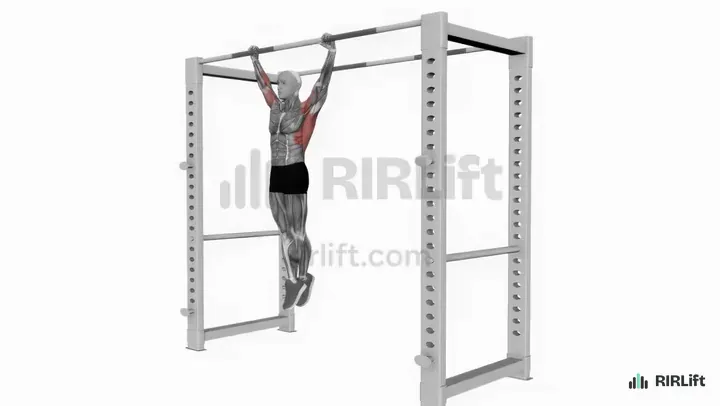
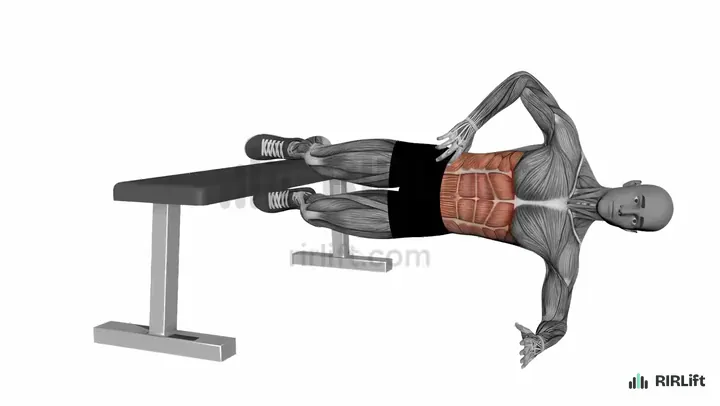
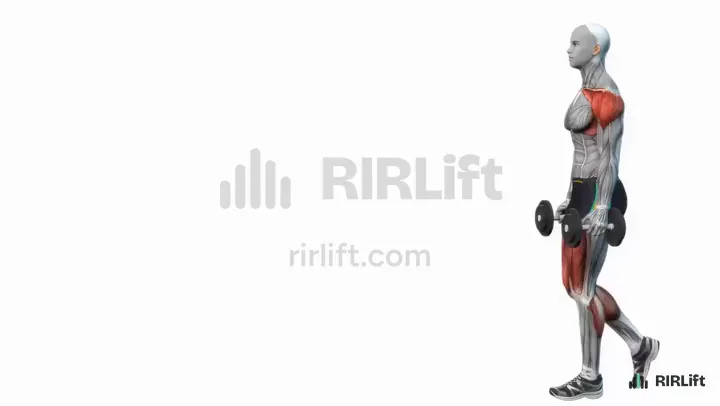
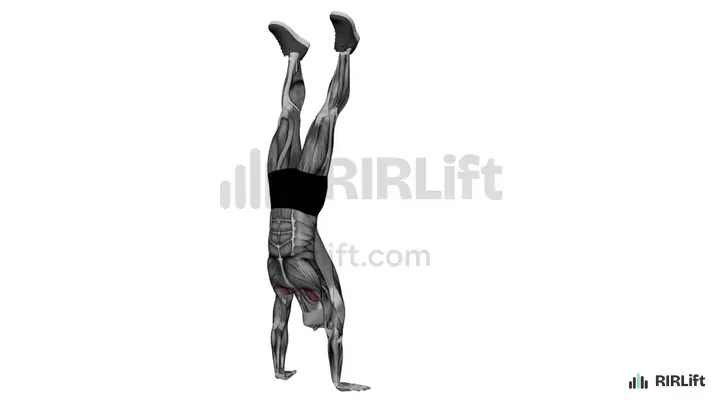
The best isometric exercises are the wall sit and Copenhagen plank for your legs, the plank, side plank and hollow hold for your trunk, the dead hang, handstand hold and L-sit for your shoulders and grip, and loaded carries like the farmer's walk, where your whole body holds still under weight. Do 2 to 4 holds of 20 to 60 seconds each, end every hold a few seconds before your position breaks, and make it harder each week with more time, a longer lever or a heavier weight.
- Wall Sit Quads
- Plank Abs
- Side Plank Abs
- Plate Hollow Hold Abs
- Dead Hang Forearms
- Copenhagen Plank Adductors, Abs
- Farmer's Walk Forearms, Traps, Shoulders
- Handstand Hold Shoulders
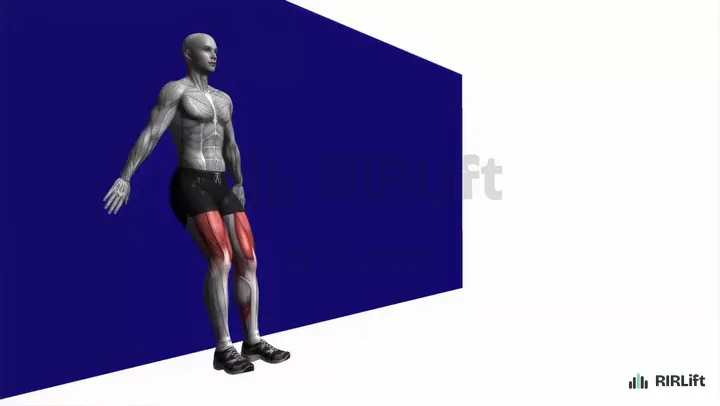
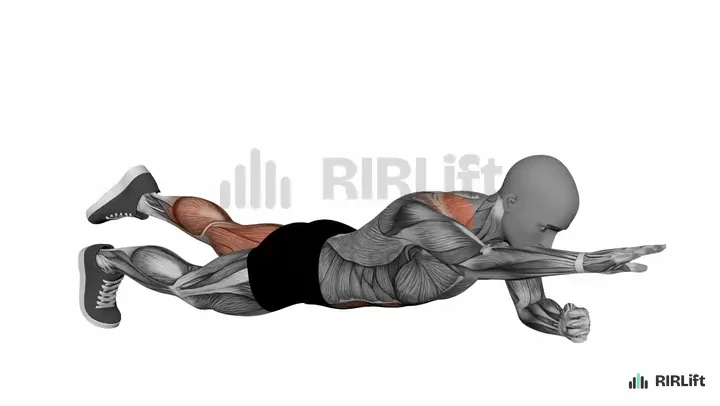
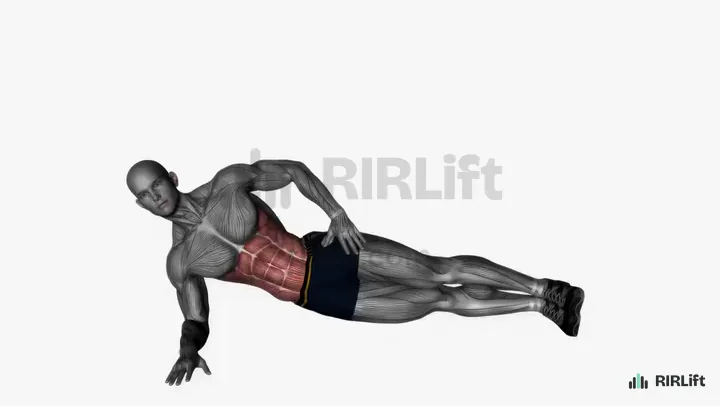
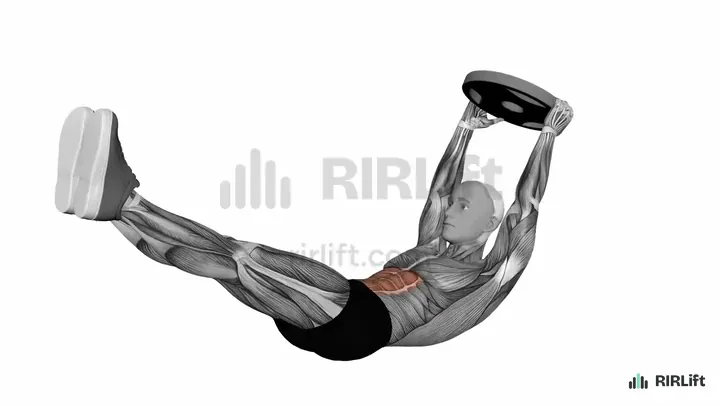
Put them together: example sessions
Each session below picks from the exercises above for one situation, with the sets, reps, rest and RIR filled in.
-
Session 1
No equipment, three short sessions at home
You are new to strength work or coming back to it, you train at home, and you have a wall, a floor and a sturdy chair.
3× a week · 30 sets a week · ~20 min
-
Session 2
Holds added to the end of your lifting days
You already lift two or more times a week in a gym and want stronger grip, trunk and shoulder stability without another training day.
2× a week · 14 sets a week · ~15 min
-
Session 3
Building toward a handstand, L-sit and long hang
You train with bodyweight, you have a pull-up bar and a wall, and you want the static strength that calisthenics skills are built on.
2× a week · 18 sets a week · ~20 min
Session 1
No equipment, three short sessions at home
- Workouts3× a week
- Working sets30 a week
- Per workout~20 min
- EquipmentBodyweight
You are new to strength work or coming back to it, you train at home, and you have a wall, a floor and a sturdy chair.
Four holds cover your legs, inner thighs, front and sides of the trunk: three rounds of the wall sit and plank plus two per side of the side plank and Copenhagen plank make 14 holds per session, about 20 minutes. Three sessions a week is enough repetition to add time to every hold almost weekly.
| Exercise | Sets × reps | RIR | Rest |
|---|---|---|---|
| Wall SitSeconds per hold. | 3 × 30–60 | 2 | 90 s |
| PlankSeconds per hold. | 3 × 20–45 | 2 | 1 min |
| Side PlankSeconds per side. | 2 × 15–30 | 2 | 1 min |
| Copenhagen PlankSeconds per side. Knee on the chair to start. | 2 × 10–25 | 2 | 1 min |
- How to run it
- Run this session on three days with a rest day after each, such as Monday, Wednesday and Friday. Hold each position until you feel you have a few seconds left, then stop, rather than shaking through the last seconds.
- How to progress
- Log the seconds you hold. When every set reaches the top of the range with a few seconds still in reserve, make the position harder: sit lower on the wall, put the ankle instead of the knee on the chair, or move your elbows forward in the plank.
Session 2
Holds added to the end of your lifting days
- Workouts2× a week
- Working sets14 a week
- Per workout~15 min
- EquipmentDumbbells, Pull-Up Bar, Barbells
You already lift two or more times a week in a gym and want stronger grip, trunk and shoulder stability without another training day.
Ten minutes after your main lifts is enough, because these holds carry heavy weights and your lifts already work the same muscles. Each finisher is 7 hard sets, 14 a week, split so grip work and trunk work alternate between days.
| Exercise | Sets × reps | RIR | Rest |
|---|---|---|---|
| Farmer's WalkSeconds of walking. Heaviest pair you can hold tall. | 3 × 30–45 | 2 | 90 s |
| Dead HangSeconds per hold. | 2 × 30–60 | 1 | 90 s |
| Long Lever PlankSeconds per hold. | 2 × 20–40 | 2 | 1 min |
| Exercise | Sets × reps | RIR | Rest |
|---|---|---|---|
| Dumbbell Suitcase CarrySteps per hand. | 3 × 20–40 | 2 | 1 min |
| Dumbbell Single-Arm Overhead CarrySteps per arm. | 2 × 20–30 | 2 | 1 min |
| Plate Hollow HoldSeconds per hold. | 2 × 20–40 | 2 | 1 min |
- How to run it
- Add Finisher A to the end of one lifting day and Finisher B to another. If a heavy deadlift or row day already wrecked your grip, put the dead hang on the other day.
- How to progress
- For the carries, add 5 pounds per hand once every set reaches the top of the range with your posture still tall. For the holds, add 5 seconds per set until you reach the top of the range, then move to the harder version or a heavier plate.
Session 3
Building toward a handstand, L-sit and long hang
- Workouts2× a week
- Working sets18 a week
- Per workout~20 min
- EquipmentBarbells, Pull-Up Bar
You train with bodyweight, you have a pull-up bar and a wall, and you want the static strength that calisthenics skills are built on.
Skill holds respond to fresh practice, so each day opens with its hardest hold and keeps the sets short of shaking. Day 1 has 9 sets and Day 2 has 9, about 25 minutes each, with the handstand and L-sit each getting a day where they come first.
| Exercise | Sets × reps | RIR | Rest |
|---|---|---|---|
| Handstand HoldSeconds per hold. Back to the wall. | 4 × 15–40 | 2 | 2 min |
| Plate Hollow HoldSeconds per hold. No plate to start. | 3 × 20–40 | 2 | 1 min |
| Side PlankSeconds per side. | 2 × 30–60 | 2 | 1 min |
| Exercise | Sets × reps | RIR | Rest |
|---|---|---|---|
| L-Sit HoldSeconds per hold. Tuck the knees until straight legs hold 10 s. | 4 × 10–30 | 2 | 2 min |
| Dead HangSeconds per hold. | 3 × 30–60 | 1 | 90 s |
| Wall SitSeconds per hold. Thighs level with the floor. | 2 × 30–60 | 2 | 90 s |
- How to run it
- Do Day 1 and Day 2 on non-consecutive days, and keep each hold short of the point where your form slips. A sloppy 40-second handstand teaches less than a clean 20-second one.
- How to progress
- Add 5 seconds per set when all sets reach the top of the range cleanly. Then make the position harder: hands closer to the wall in the handstand, one leg straight in the L-sit, or a weight vest for the dead hang.
Make it fit you
-
Holds feel too easy
Once a hold passes 60 seconds, more time mostly trains endurance. Change the lever or the load instead: lower wall sit, long-lever plank, a plate on the hollow hold, or heavier dumbbells on the carries, and bring the time back down to 20 to 40 seconds.
-
Pair holds with lifting
Isometrics build strength mostly at the angle you hold, so they work best next to full-range lifting rather than instead of it. If you already squat, a wall sit at the depth where you get stuck is a useful extra.
-
Breathe through every hold
Short, steady breaths behind a braced trunk let you hold far longer than holding your breath does. If you cannot breathe, the position is too hard for that length of hold.
-
Track seconds like reps
Log each hold's seconds in RIRLift along with how many seconds you had left. When every set reaches the top of the range with time to spare, the next session is the one to add seconds or move to the harder position.
-
Only a few minutes
Pick one leg hold, one trunk hold and one carry or hang, and do two rounds. That is under 10 minutes and still trains every area on this page each week if you do it three times.
Questions
Is an isometric workout good for building strength?
Yes, at the positions you train. Holding a wall sit or a dead hang makes those muscles stronger, mostly at and near the angle you hold. That is why the plans on this page mix angles and use holds alongside full-range lifts rather than replacing them.
How long should you hold an isometric exercise?
20 to 60 seconds per hold works for most people, for 2 to 4 sets. Stop each hold a few seconds before your position breaks. When 60 seconds is easy, make the position harder rather than holding longer.
Do isometric exercises build muscle?
They can when the holds are hard, close to the point where you could not hold any longer. Heavy carries and long-lever holds build more than an easy plank. For the most muscle, use them with exercises that move through a full range.
What is the difference between isometric and isotonic exercise?
In an isometric exercise the muscle works without the joint moving, like a wall sit. In an isotonic exercise the joint moves through a range, like a squat. Most strength programs use mostly isotonic lifts and add holds for grip, trunk and specific angles.
Can isometric exercises help bone density?
Bone responds to load, and the heavier the load the stronger the signal. Of the holds here, the farmer's walk and suitcase carry put the most weight through your skeleton. Pair them with lifting and walking or jumping if bone density is your main reason for training.
Can I do isometric exercises every day?
Easy holds, yes. Hard holds taken close to your limit need a day off between sessions, the same as any strength work. The home plan uses three days a week for that reason.
Related templates
-
Isometric core exercises: planks, side holds and anti-rotation work
Every trunk hold on its own page, with plans for each direction your core resists.
-
Plank alternatives: what to do when planks hurt, bore you or stop working
Other ways to train your trunk when a plank no longer fits.
-
Bodyweight exercises for strength, and the progression that keeps each one hard
Moving bodyweight exercises to pair with these holds.
-
Time under tension
What the seconds under load actually do for strength and muscle.
-
How to use reps in reserve (RIR)
How to judge how many seconds you had left in a hold.