
Lacrosse workout: speed, strength and shooting power
Published October 24, 2026
A lacrosse workout starts with a jump, bound or sled push while you are fresh, then one heavy lower-body lift like the trap bar deadlift or Bulgarian split squat, then a pull and a press paired with core work, and finishes with rotational med ball throws for shooting power. Lift three days a week in the off-season and two days in season, a couple of reps short of failure so practice and games do not suffer. The exercises that matter most are the trap bar deadlift, Bulgarian split squat, single-leg RDL, skater hop, sled push, med ball rotational throw, Pallof press and neutral-grip pull-up.
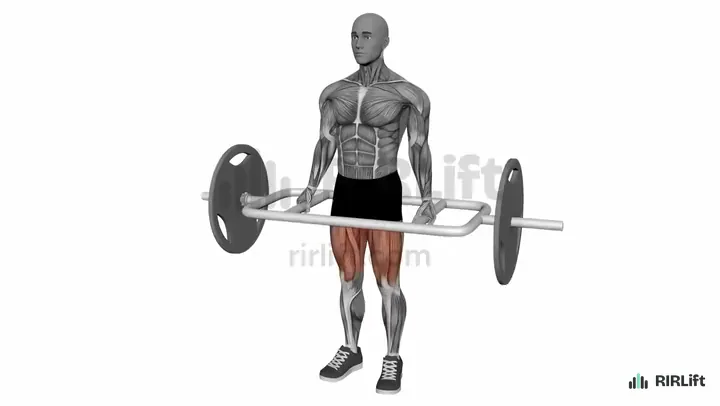
- Trap Bar Deadlift Quads, Glutes
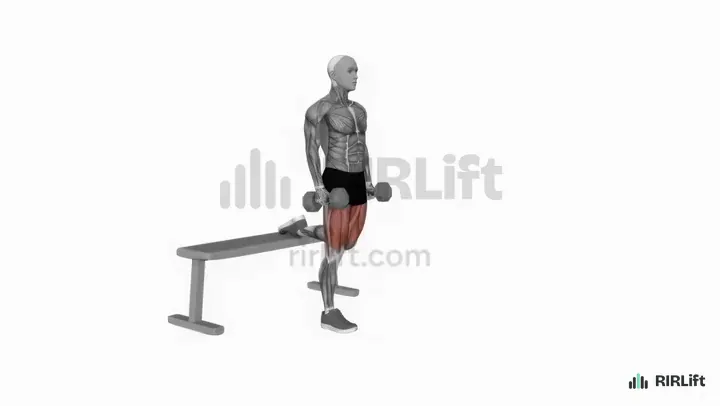
- Bulgarian Split Squat Quads, Glutes
- Single-Leg RDL Hamstrings, Glutes
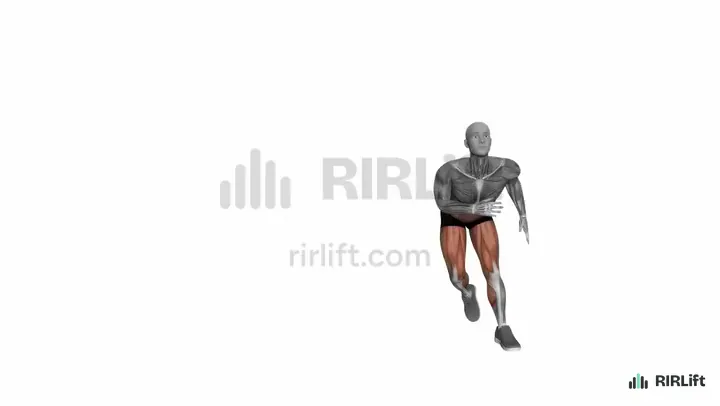
- Skater Hop Glutes, Quads, Abductors
- Sled Push Quads, Glutes
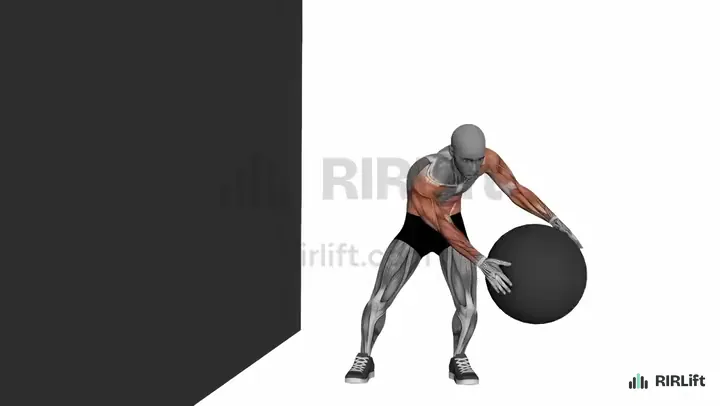
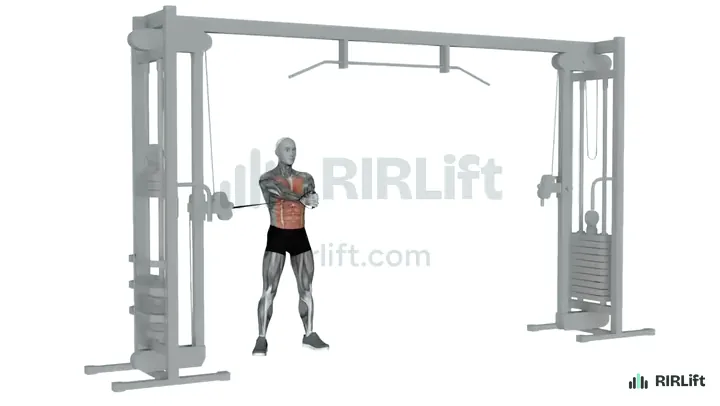
- Med Ball Rotational Throw Abs
- Pallof Press Abs
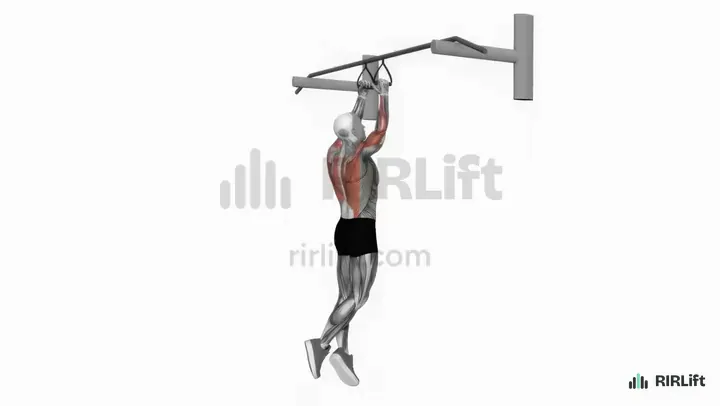
- Neutral-Grip Pull-Up Lats


Put them together: example sessions
Each session below picks from the exercises above for one situation, with the sets, reps, rest and RIR filled in. Open one in the session builder to change a pick, price it from a recent set, and add it to RIRLift.
-
Session 1
Off-season, three lifting days
Your season is over, practices are off or light, and you have three days a week to get faster and stronger for next spring.
3× a week · 46 sets a week · ~40 min
-
Session 2
In season, practice most days
You practice four or five days a week and play one or two games, and you want to keep your strength and speed through the season.
2× a week · 24 sets a week · ~30 min
-
Session 3
High school player new to the weight room
You play lacrosse at school or club level and this is your first time following a lifting plan.
2× a week · 24 sets a week · ~30 min
Session 1
Off-season, three lifting days
- Workouts3× a week
- Working sets46 a week
- Per workout~40 min
- EquipmentPlyo Box, Trap Bar, Pull-Up Bar, Adjustable Cable +5
Your season is over, practices are off or light, and you have three days a week to get faster and stronger for next spring.
A typical lacrosse workout starts with jumps or sprints, moves to one heavy lower-body lift, then pairs upper-body work with core, and finishes with rotational power. Three sessions give each quality two exposures a week. Main lifts run at 1 to 2 reps in reserve to build strength; jumps and throws stop well short of fatigue because speed is the point. Each session is 14 to 16 working sets.
| Exercise | Sets × reps | RIR | Rest |
|---|---|---|---|
| Box Jump | 3 × 3–5 | 3 | 90 s |
| Trap Bar Deadlift | 4 × 4–6 | 2 | 3 min |
| A1 Neutral-Grip Pull-Up | 3 × 6–10 | 1 | 90 s |
| A2 Pallof PressPer side. | 3 × 10–12 | 2 | 45 s |
| Med Ball Rotational ThrowPer side. | 3 × 6–8 | 3 | 1 min |
Open Day 1: Hinge and Pull in the session builder
| Exercise | Sets × reps | RIR | Rest |
|---|---|---|---|
| Skater HopPer side. | 3 × 5–6 | 3 | 75 s |
| Bulgarian Split SquatPer leg. | 3 × 6–10 | 1 | 2 min |
| A1 Incline Dumbbell Press | 3 × 6–10 | 1 | 90 s |
| A2 One-Arm Dumbbell RowPer arm. | 3 × 8–12 | 1 | 1 min |
| Landmine Rotational PressPer side. | 3 × 6–8 | 2 | 1 min |
Open Day 2: Single Leg and Press in the session builder
| Exercise | Sets × reps | RIR | Rest |
|---|---|---|---|
| Sled Push15 yd hard push. | 4 × 1 | 3 | 2 min |
| Single-Leg RDLPer leg. | 3 × 8–10 | 1 | 75 s |
| Neutral-Grip Pull-Up | 3 × 6–10 | 1 | 90 s |
| Med Ball Rotational ThrowPer side. | 3 × 6–8 | 3 | 1 min |
| Pallof PressPer side. | 2 × 10–12 | 2 | 45 s |
Open Day 3: Speed and Hamstrings in the session builder
- How to run it
- Do Day 1, Day 2 and Day 3 on Monday, Wednesday and Friday or similar. Keep one day for conditioning or wall ball and one full rest day.
- How to progress
- Add load on the main lift whenever all sets hit the top of the range at the target RIR. Every four weeks, take a lighter week with one set less per exercise.
Session 2
In season, practice most days
- Workouts2× a week
- Working sets24 a week
- Per workout~30 min
- EquipmentPlyo Box, Trap Bar, Pull-Up Bar, Dumbbells +4
You practice four or five days a week and play one or two games, and you want to keep your strength and speed through the season.
Practice and games already provide sprints and conditioning, so this plan only keeps strength and power alive. Each session has one jump or power exercise, one lower-body lift, one pull, one press and one core exercise, 12 sets total, all at 2 to 3 reps in reserve. That is enough to stop the slow loss of strength that happens over a season without leaving your legs heavy for games.
| Exercise | Sets × reps | RIR | Rest |
|---|---|---|---|
| Box Jump | 2 × 3–4 | 3 | 90 s |
| Trap Bar Deadlift | 3 × 4–5 | 3 | 2:30 min |
| Neutral-Grip Pull-Up | 3 × 6–8 | 2 | 90 s |
| Incline Dumbbell Press | 2 × 8–10 | 2 | 75 s |
| Pallof PressPer side. | 2 × 10 | 2 | 45 s |
Open In-Season A in the session builder
| Exercise | Sets × reps | RIR | Rest |
|---|---|---|---|
| Skater HopPer side. | 2 × 4–5 | 3 | 75 s |
| Bulgarian Split SquatPer leg. | 3 × 6–8 | 3 | 90 s |
| One-Arm Dumbbell RowPer arm. | 3 × 8–10 | 2 | 1 min |
| Landmine Rotational PressPer side. | 2 × 6–8 | 2 | 1 min |
| Med Ball Rotational ThrowPer side. | 2 × 5–6 | 3 | 1 min |
Open In-Season B in the session builder
- How to run it
- Lift the day after a game and again two days before the next one. Skip the second session in a week with three games.
- How to progress
- Keep the weights from the end of the off-season. Add load only if a set feels like 4 or more reps left.
Session 3
High school player new to the weight room
- Workouts2× a week
- Working sets24 a week
- Per workout~30 min
- EquipmentPlyo Box, Trap Bar, Dumbbells, Incline Bench +1
You play lacrosse at school or club level and this is your first time following a lifting plan.
New lifters get stronger from almost anything done consistently, so this plan focuses on learning the main movements with good form: a hinge, a single-leg squat, a pull, a press, a rotation and a trunk exercise. Every set stops 2 to 3 reps short of failure, and there are no heavy maximal attempts. Each session is 12 working sets and takes under an hour.
| Exercise | Sets × reps | RIR | Rest |
|---|---|---|---|
| Box JumpLow box. | 2 × 3–5 | 3 | 90 s |
| Trap Bar Deadlift | 2 × 6–8 | 3 | 2 min |
| Bulgarian Split SquatPer leg, bodyweight or light dumbbells. | 2 × 8–10 | 2 | 90 s |
| One-Arm Dumbbell RowPer arm. | 2 × 10–12 | 2 | 1 min |
| Incline Dumbbell Press | 2 × 8–12 | 2 | 75 s |
| Pallof PressPer side. | 2 × 10 | 2 | 45 s |
- How to run it
- Lift on two non-consecutive days a week, for example Monday and Thursday, alongside practice. Use a weight you could lift for several more reps than the target.
- How to progress
- When every set of an exercise reaches the top of its range at 2 reps in reserve, add the smallest weight step. After two to three months, move to the off-season plan.
Make it fit you
-
Goalie
Keep the lower-body and trunk work, swap the sled push for extra skater hops, and add a set of pull-ups. Goalies need lateral power and quick hands more than long acceleration.
-
No sled
Replace the sled push with 15-yard hill sprints or short sprints from a three-point start, with full rest between reps.
-
No medicine ball or wall
Use the landmine rotational press for both rotation slots, or a cable woodchop done fast with a moderate weight.
-
Short on time
Keep the first three exercises of each session and drop the rest. The jump, the main lift and the pull carry most of the benefit.
-
Track reps in reserve
Note how many reps you had left on each set. RIRLift sets the next session's weight from that number, so the weight comes down by itself after a hard practice week.
Questions
What workouts are good for lacrosse?
Workouts that combine speed and jumps, single-leg and hinge strength, rotational power and upper-body pulling. A session typically opens with box jumps or skater hops, moves to a trap bar deadlift or split squat, pairs a pull with a press and core work, and ends with medicine ball throws.
Does lacrosse have a lot of running?
Yes, especially for midfielders, who run repeated sprints with short breaks for the whole game. That is why the off-season plan includes sled pushes and why in season, practice covers your conditioning so the gym can focus on strength.
How many days a week should lacrosse players lift?
Three days in the off-season and two in season works for most players. In season, lift the day after a game and leave at least a day before the next one.
How do I get a harder lacrosse shot?
Train rotational power from the ground up: medicine ball rotational throws, landmine rotational presses, and a strong lower body from deadlifts and split squats. Combine that with shooting practice, because technique transfers the power to the stick.
Should young lacrosse players lift weights?
Yes, with good coaching and moderate weights. The first-year plan here keeps every set 2 to 3 reps short of failure and focuses on learning the movements before adding load.
Related templates
-
Hockey workout: strength and power for the ice
A sport with the same mix of speed, rotation and contact.
-
Exercises for soccer players: speed, strength and durable legs
Field-sport strength work with more emphasis on kicking and long running.
-
Single-leg RDL: how to do it without losing balance
Every detail of the one-leg hinge used in all three plans.
-
The best workout for legs, built for your situation
More lower-body sessions for an off-season with extra time.
-
How to use reps in reserve (RIR)
How to judge the reps in reserve targets in season and out.