
Single-leg RDL: how to do it without losing balance
Published October 19, 2026
A single-leg RDL is a hip hinge on one leg: you hold a dumbbell, push your hips back and tip your torso forward while the free leg rises behind you, then stand back up by squeezing the glute of the standing leg. Hold the weight in the hand opposite the standing leg, keep a soft knee, and keep your hips square to the floor.
- WorksHamstrings, Glutes
- AlsoAdductors, Abductors
- EquipmentDumbbells
- Start with3 × 8–12, 2 in reserve, 2:30 min rest
How to do the single-leg RDL
Working one leg at a time makes each hamstring and glute pull its own load and trains the hip to hold the pelvis level. It loads the back of the legs hard with a single light dumbbell, which makes it useful at home and as a lighter partner to a heavy two-leg RDL.
Steps
- Stand on your left foot holding a dumbbell on your right side, arm hanging straight, and unlock your left knee a little.
- Push your hips back and let your chest tip forward as your right leg lifts behind you in line with your body.
- Keep the dumbbell close to your standing leg and your hips pointing at the floor, not rotating open.
- Lower until you feel a strong stretch in the back of the left thigh, usually with your torso near parallel to the floor.
- Drive the left heel down and squeeze the left glute to bring your torso and back leg up together, then switch sides after the set.
Cues
- Hips back, chest forward
- Back leg and torso move as one
- Hip bones face the floor
Common mistakes
- Squatting down instead of hinging: keep the standing knee only slightly bent and let the hips travel back.
- Opening the hip so the back toes turn out: point the back toes at the floor and keep both hip bones level.
- Rounding the back to reach lower: stop where the hamstring stretch peaks and your back is still flat.
Swap for: Dumbbell Romanian Deadlift, Dumbbell B-Stance RDL, Single-Leg Glute Bridge
Muscles the single-leg RDL works
The single-leg RDL works your hamstrings and glutes on the standing side, with the glute medius on the outside of the hip working hard to stop the pelvis tipping. Your lower back holds your spine flat, and your foot and ankle keep you balanced.
Sets, reps and reps in reserve for the single-leg RDL
| Goal | Sets × reps | RIR | Rest |
|---|---|---|---|
| Build muscle | 3 × 8–12 per leg | 1–2 | 90 s |
| Rest briefly between legs; start with your weaker side. | |||
| Learning the balance | 2–3 × 6–8 per leg | 3 | 60 s |
| Lightly touch a wall or bench with the free hand until you can stay steady. | |||
| Home with light dumbbells | 3 × 12–20 per leg | 0–1 | 60–90 s |
| Slow the lowering to 3 seconds to make a light weight count. | |||
Single-leg RDL variations
-
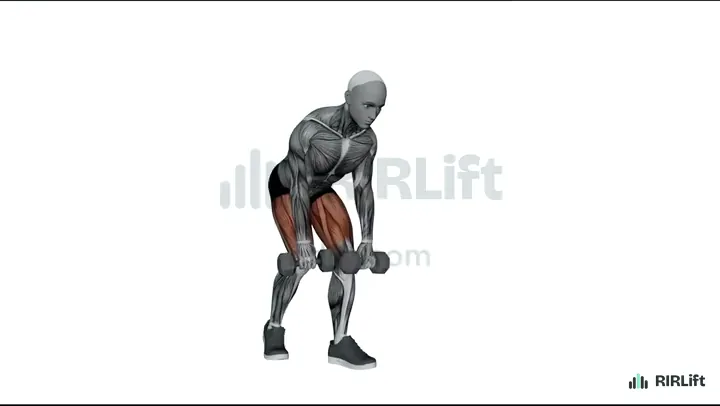
Dumbbell B-Stance RDL
Keep the back toe on the floor for balance when you want to load heavier with less wobble.
Build a session with it -
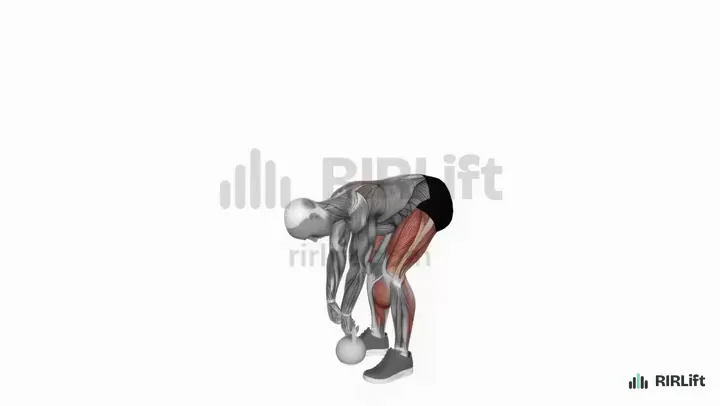
Kettlebell Deadlift
Use a kettlebell when that is what you have; the hinge is the same.
Build a session with it -
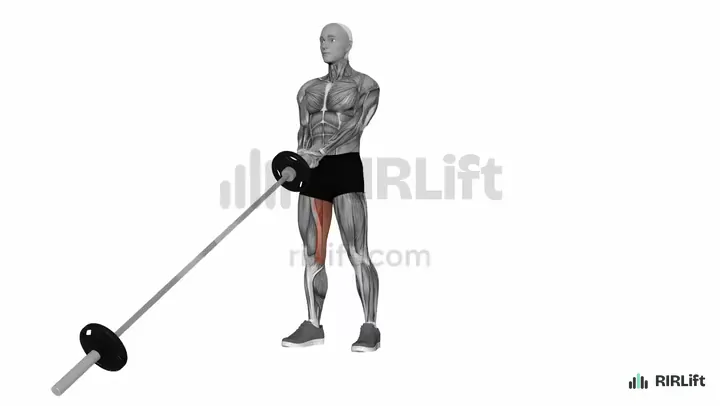
Landmine RDL
Use a landmine when you want the bar path guided and the hinge on two legs.
Build a session with it
Single-leg RDL alternatives
Two-leg hinges
-
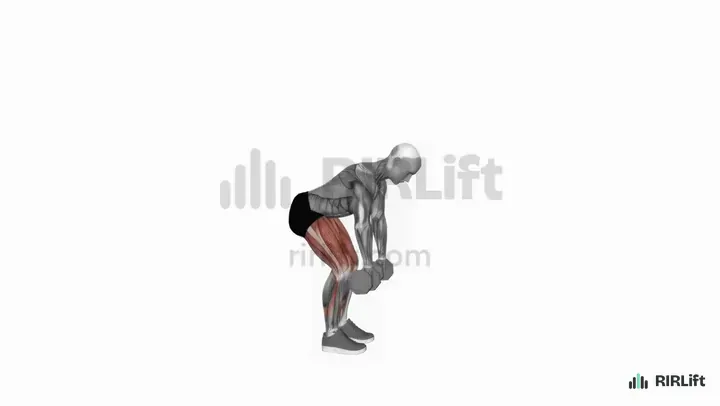
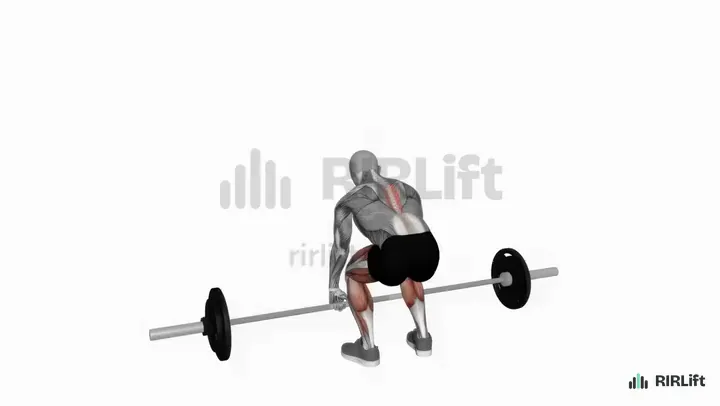
Dumbbell Romanian Deadlift
Hinge on both legs when you want to load the hamstrings heavier.
Build a session with it -
Glute-focused single-leg work
-
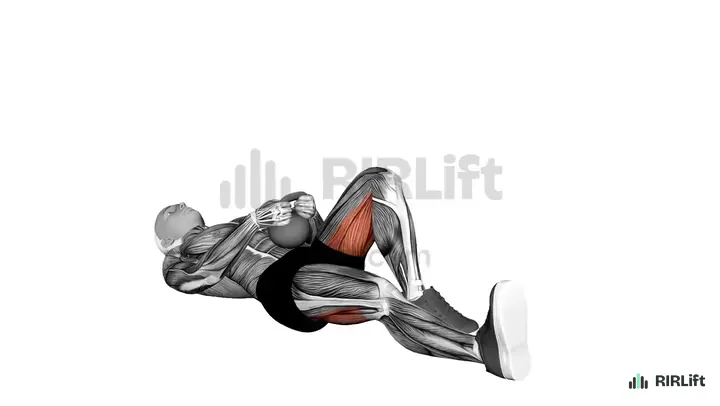
Single-Leg Glute Bridge
Bridge on one leg when balance is the limit and you want the glute work.
Build a session with it -
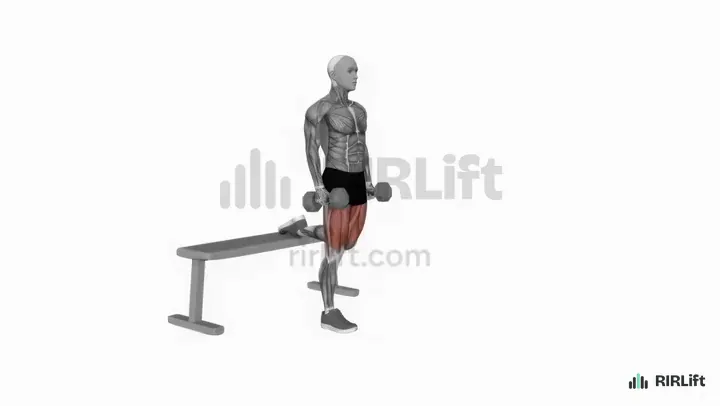
Bulgarian Split Squat
Use a split squat when you want quads and glutes together on one leg.
Build a session with it
Which hand holds the dumbbell?
Hold it in the hand opposite your standing leg: right hand when standing on the left foot. The weight on the far side wants to twist your hips open, and resisting that makes the glute of the standing leg work harder. Holding it on the same side is easier to balance and fine while you learn. With two dumbbells, hold one in each hand and load heavier.
Should single-leg RDLs be heavy?
Heavy enough to reach your rep target with one or two reps left, but balance usually runs out before your hamstrings do. If you are wobbling before the muscle is working, go lighter or use the kickstand version with your back toe down. Save the heaviest loads for two-leg RDLs and use this one for more reps per side.
Questions
What does the single-leg RDL work?
The hamstrings and glutes of the standing leg, plus the outer hip muscles that keep your pelvis level and your lower back.
Which arm do you hold the weight in for a single-leg RDL?
Usually the arm opposite the standing leg. It makes the glute work harder to stop your hips twisting. Same-side is easier to balance.
How does the single-leg RDL help?
It trains each hamstring and glute separately, improves balance on one leg, and loads the back of the legs hard with a light weight.
Is a single-leg RDL better than a regular RDL?
Neither is better. The two-leg RDL lets you lift much heavier; the single-leg version trains each side and your balance. Many programs use both.
Why do I lose balance on single-leg RDLs?
Usually the standing knee is too straight or too bent, or your hips are rotating open. Soften the knee, point both hip bones at the floor, and look at a spot on the floor a few feet ahead.
Should your back leg stay straight?
Yes, mostly straight and in line with your torso, so leg and chest move together like a seesaw.
Related templates
-
Romanian deadlift: how to do it, and what to swap it for
The two-leg barbell version for heavier loads.
-
Dumbbell Romanian deadlift: form, muscles worked, and how heavy to go
The two-leg dumbbell hinge.
-
Dumbbell hamstring exercises: hinges, swings and thrusts
More ways to train hamstrings with dumbbells.
-
RDL vs deadlift
How the Romanian deadlift differs from a conventional pull.
-
The best workout for hamstrings, built for your situation
A full hamstring session with sets and RIR targets.