
Gym machine exercises for abs, station by station
Published October 29, 2026
The best gym machine exercises for abs are the ab crunch machine and the cable crunch for the six-pack, the decline bench crunch when both are taken, the captain's chair knee raise and hanging leg raise for the lower abs, and the cable woodchop, Pallof press and landmine twist for the obliques. Pick one crunch, one leg raise and one rotation move, do 3 sets of 8 to 15 reps each, and stop 1 or 2 reps short of failure. Because a weight stack goes up in small steps, add load whenever every set hits the top of the range.
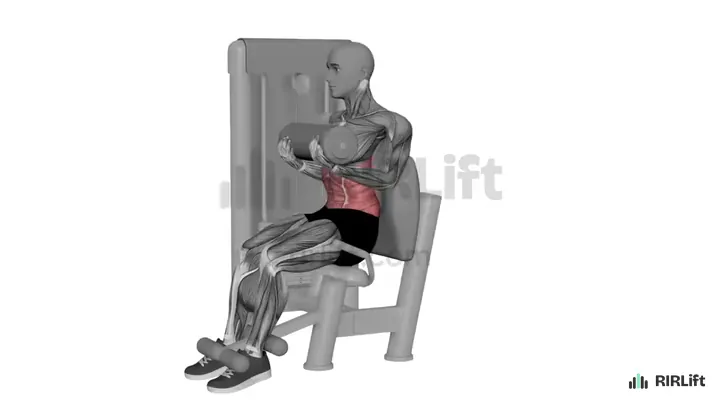
- Machine Crunch Abs
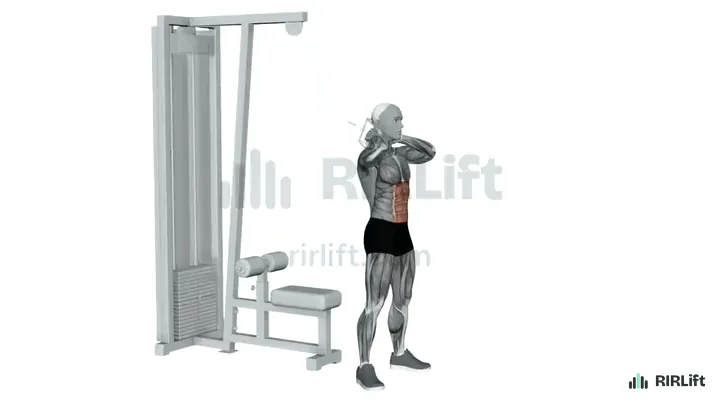
- Cable Crunch Abs
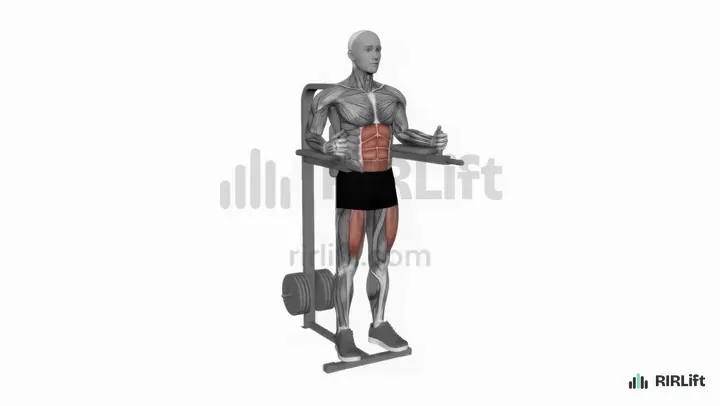
- Captain's Chair Knee Raise Abs
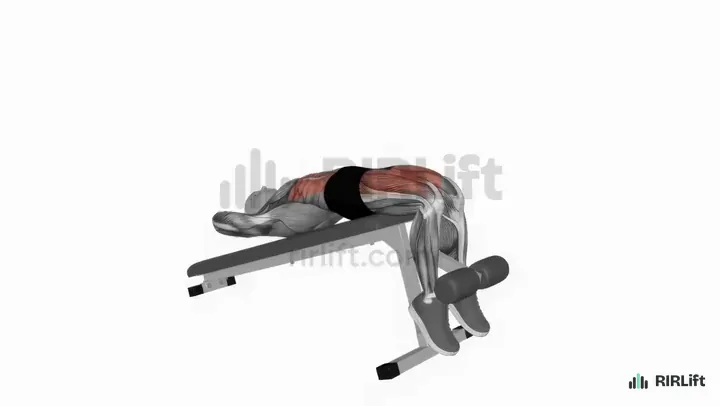
- Decline Crunch Abs
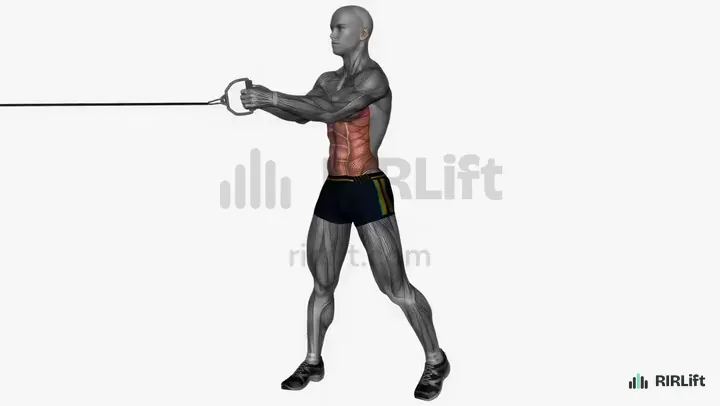
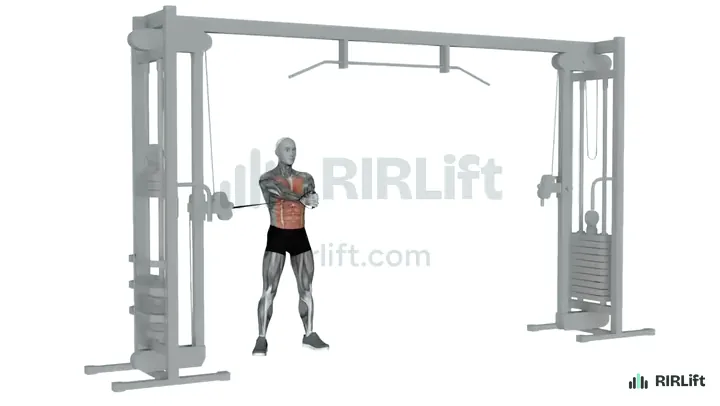
- Cable Woodchop Abs
- Pallof Press Abs
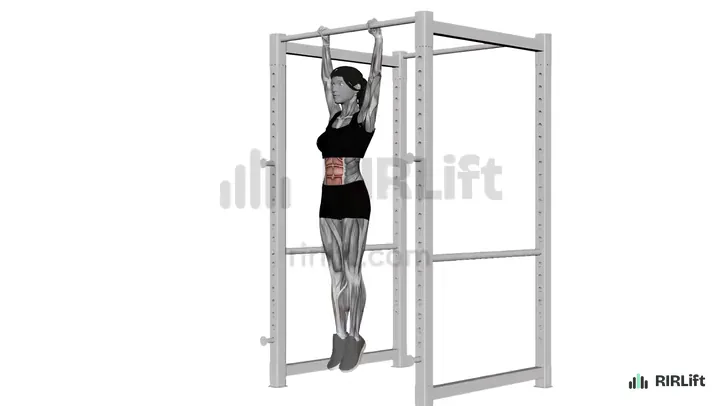
- Hanging Leg Raise Abs
Put them together: example sessions
Each session below picks from the exercises above for one situation, with the sets, reps, rest and RIR filled in.
-
Session 1
Your gym has an ab machine and a captain's chair but no free cable
You train at a budget or hotel-style gym with selectorized machines, an ab crunch machine, a captain's chair and a decline bench, and you want a short ab block after your workout.
2× a week · 18 sets a week · ~20 min
-
Session 2
Loading your abs heavy for more visible definition
You already lift four or more days a week, your abs show at lower body fat or you want them to, and you are ready to train them like any other muscle with heavier weights and lower reps.
2× a week · 16 sets a week · ~20 min
-
Session 3
You play a rotational sport: golf, tennis, baseball or hockey
You swing a club, racket, bat or stick and want your gym ab work to train turning hard and stopping the turn, with only enough crunching to cover the front.
2× a week · 17 sets a week · ~20 min
Session 1
Your gym has an ab machine and a captain's chair but no free cable
- Workouts2× a week
- Working sets18 a week
- Per workout~20 min
- EquipmentAb Crunch Machine, Dip Bar, Decline Bench
You train at a budget or hotel-style gym with selectorized machines, an ab crunch machine, a captain's chair and a decline bench, and you want a short ab block after your workout.
Three stations for three sets is 9 hard sets per session and 18 a week, enough for the abs to grow without cutting into your main training. Each move has its own lever to make it harder: the pin, the leg position and a plate on the chest.
| Exercise | Sets × reps | RIR | Rest |
|---|---|---|---|
| Machine Crunch | 3 × 10–15 | 1 | 75 s |
| Captain's Chair Knee Raise | 3 × 8–15 | 1 | 75 s |
| Decline Crunch | 3 × 10–15 | 1 | 75 s |
- How to run it
- Do it at the end of two of your regular gym sessions, at least two days apart. Rest 60 to 90 seconds between sets; the whole block takes about 12 minutes.
- How to progress
- On the machine crunch, add one plate when all three sets reach 15 reps at 1 rep in reserve. On the captain's chair, move from bent knees to straighter legs once 15 is easy. On the decline bench, add a plate on your chest after 15 bodyweight reps.
Session 2
Loading your abs heavy for more visible definition
- Workouts2× a week
- Working sets16 a week
- Per workout~20 min
- EquipmentAdjustable Cable, Pull-Up Bar, Ab Crunch Machine, Landmine
You already lift four or more days a week, your abs show at lower body fat or you want them to, and you are ready to train them like any other muscle with heavier weights and lower reps.
Heavier crunches in the 8 to 12 range build thickness in the six-pack the same way heavy rows build the back. A two-exercise day and a three-exercise day come to 16 hard ab sets a week, inside the range most muscles grow on.
| Exercise | Sets × reps | RIR | Rest |
|---|---|---|---|
| Cable Crunch | 4 × 8–12 | 1 | 90 s |
| Hanging Leg Raise | 3 × 6–12 | 1 | 90 s |
| Exercise | Sets × reps | RIR | Rest |
|---|---|---|---|
| Machine Crunch | 3 × 8–12 | 1 | 90 s |
| Standing Cable Hip FlexionPer leg. | 3 × 8–12 | 1 | 1 min |
| Landmine TwistOne rep is one side. | 3 × 8–12 | 2 | 90 s |
- How to run it
- Run Day A and Day B on two separate days, three or more days apart, after your main lifts or on a lighter day. Keep the order: the heaviest crunch first, while you are fresh.
- How to progress
- Use double progression on the stack: hold the weight until all sets reach 12 reps at 1 rep in reserve, then move the pin one plate. For the hanging leg raise, once 12 reps come easily, add a one-second pause at the top of every rep, then hold a light dumbbell between your feet.
Session 3
You play a rotational sport: golf, tennis, baseball or hockey
- Workouts2× a week
- Working sets17 a week
- Per workout~20 min
- EquipmentAdjustable Cable, Pull-Up Bar, Landmine, Dip Bar
You swing a club, racket, bat or stick and want your gym ab work to train turning hard and stopping the turn, with only enough crunching to cover the front.
Most of the sets here go to the obliques, in both directions, because that is where a swing's turn and its braking come from. Two short sessions give about 11 sets for the obliques and 6 for the front of the abs each week.
| Exercise | Sets × reps | RIR | Rest |
|---|---|---|---|
| Cable WoodchopPer side. | 3 × 8–12 | 2 | 1 min |
| Hanging Oblique CrunchPer side. | 3 × 6–10 | 2 | 75 s |
| Cable Crunch | 3 × 10–15 | 1 | 75 s |
| Exercise | Sets × reps | RIR | Rest |
|---|---|---|---|
| Pallof PressPer side. Hold each press for 2 seconds. | 3 × 8–12 | 2 | 1 min |
| Landmine TwistOne rep is one side. | 2 × 8–12 | 2 | 90 s |
| Captain's Chair Knee Raise | 3 × 10–15 | 1 | 75 s |
- How to run it
- Do it after your lifting on two days that are not the day before a match or round. In season, cut each exercise to two sets and keep the weights where they are.
- How to progress
- Add a pin to the woodchop and Pallof press when both sides reach the top of the range at 2 reps in reserve; for the Pallof press, lengthen the hold to 3 seconds before adding weight. Count each side separately and train your weaker side first.
Make it fit you
-
Set the machine to your body
On the ab crunch machine, line the pivot up with your belly button and set the seat so your feet hook the pads with your knees bent. On the cable crunch, stand far enough from the stack that the weight lifts off at the start. A bad setup turns either one into a hip or arm exercise.
-
When your hip flexors take over
If you feel leg raises mostly at the front of your hips, stop each rep only when your pelvis curls up off the pad or tilts forward under the bar. Bent knees make that easier to find than straight legs.
-
Stations taken? Swap by motion
Swap a crunch for a crunch, a leg raise for a leg raise and a rotation for a rotation: machine crunch to cable crunch or decline bench, captain's chair to the hanging bar, woodchop to landmine twist. The sets and reps stay the same.
-
Women training abs at the gym
The same machines, rep ranges and plans apply, because ab muscle grows the same way in anyone. Pick the plan by the gear your gym has and how heavy you want to train, and log the pin each week so the load keeps rising.
-
Track the pin, not just the burn
Ab work is easy to repeat forever at the same weight because it always burns. Write the pin position and the reps you had left. RIRLift sets the next session's weight from the reps in reserve you log, so the stack keeps going up.
Questions
What machines are used for abs?
The seated ab crunch machine, the cable column (for cable crunches, woodchops and the Pallof press), the captain's chair, a pull-up bar for hanging raises, the decline bench and a landmine. Most commercial gyms have at least the first four.
How do you work on abs at a gym?
Pick one crunch station, one leg-raise station and one rotation station, do 3 sets of each at 8 to 15 reps, and add weight when you reach the top of the range. Twice a week after your main workout is enough. Ab definition shows up through overall fat loss from diet and training together; these exercises build the muscle that shows once it does.
Is the ab crunch machine better than floor crunches?
For building muscle, usually yes, because you can add weight in small steps once 15 reps get easy. Floor crunches stop progressing at that point unless you hold a plate, which is what the decline bench version does.
How many sets of ab machine exercises should I do?
About 10 to 18 hard sets a week split over two sessions suits most people; three exercises of three sets each, twice a week, is the top of that. More than that rarely helps unless the abs are your main focus for a training block.
What is the 3-3-3 rule for weight training?
It is usually read as three exercises, three sets, three days a week. For machine ab work, three exercises of three sets fits well, but two days a week is enough since your abs also work during every heavy squat and deadlift.
Related templates
-
Ab exercises at the gym: machines, cables and stations
The wider gym list, with the barbell rollout and carries alongside the machines.
-
Ab crunch machine: how to use it and get your abs to do the work
Setup and form for the seated ab crunch machine in detail.
-
Cable crunch: how to do it standing or kneeling, and how heavy to go
Rope position, stance and how heavy to go on the cable crunch.
-
Machine exercises for every muscle, with sessions for where you are
Machine picks for every other muscle, to build the rest of the session.
-
Double progression method
The reps-then-weight rule these plans use on the stack.