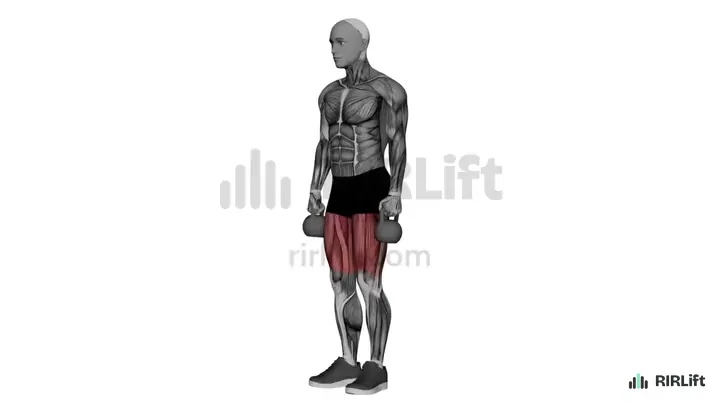
Pistol squat alternatives that train one leg without the balance act

The best pistol squat alternative is the skater squat: still one leg and bodyweight, but your free leg folds behind you, so tight hips and hamstrings no longer stop you. With dumbbells and a bench, the Bulgarian split squat trains one leg harder with far less balance. If your knees or ankles limit depth, step-ups let you pick the range, and in a gym the single-leg leg press loads each leg with no balance at all.

What a pistol squat alternative has to replace

The pistol squat trains one leg at a time through a very deep knee bend, mostly your quads and glutes, while the other leg hangs straight out in front. It asks for four things at once: leg strength, balance, ankle mobility, and enough hip flexor strength and hamstring flexibility to hold the free leg up.

Pick the alternative that removes the part stopping you and keeps the rest: one leg, deep range, and sets taken close to failure.

How to do the pistol squat

Bodyweight swaps

Each of these removes one of the pistol's hard parts. Use them on their own, or as steps toward the full pistol.

Closest swap: one leg, no equipment

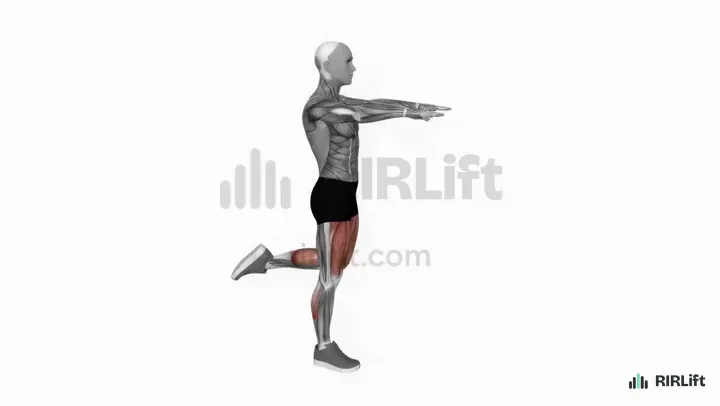
Skater Squat

Quads, Glutes

Still a one-leg squat on bodyweight, but your free leg folds behind you instead of reaching out in front. That removes the hip flexor strength and hamstring flexibility a pistol needs to hold the free leg up. Touch your back knee to a folded towel to keep the depth honest.

How to do it

  1. Stand on one foot and bend the other knee so that foot is behind you, arms straight out in front as a counterweight.
  2. Push your hips back and lean your chest forward as you bend the standing knee.
  3. Lower until the back knee is just above the floor.
  4. Drive through your standing foot to stand tall; sets are per leg.

Cues

  • Arms forward as the counterweight
  • Chest leans, back stays flat
  • Back knee to a folded towel

Common mistakes

  • Only going down a few inches: put a folded towel or cushion where your knee should land and touch it every rep.
  • Letting the standing knee collapse inward: track it over your toes, and slow the lowering if it wobbles.

Easier single-leg swap with no equipment

Reverse Lunge

Quads, Glutes

Your back foot stays on the floor, so balance is no longer the limit, but the front leg still does most of the work. Use it for higher-rep sets, and hold a kettlebell or dumbbell once 20 reps a leg is easy.

How to do it

  1. Stand tall with your feet hip-width apart.
  2. Step one foot back and lower until your back knee hovers just above the floor and your front shin is roughly vertical.
  3. Drive through your front heel to stand back up, bringing your feet together.
  4. Do all reps on one leg, then switch; sets are per leg.

Cues

  • Front shin vertical
  • Back knee kisses the floor
  • Push through the front heel

Common mistakes

  • Leaning forward and pushing off the back foot: the front leg should do the work, so stand up through that heel.
  • Short steps that jam the front knee past your toes: step back far enough that the front shin stays upright.

When the bottom of the pistol is the problem

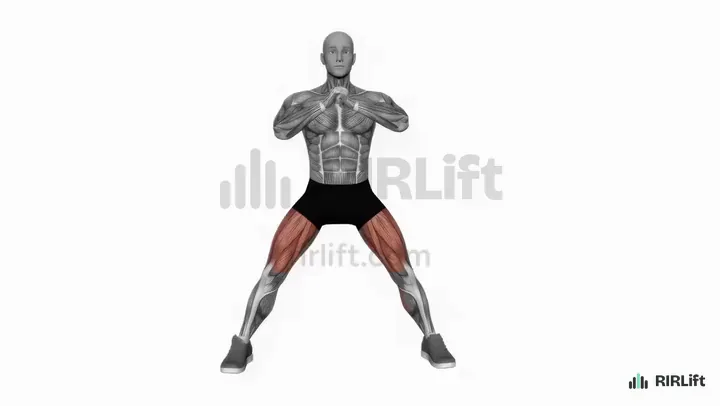
Cossack Squat

Quads, Adductors

You sit deep over one leg while the other stays straight out to the side. It trains the same deep knee and hip bend as the bottom of a pistol, with your other foot on the floor for support, and works your inner thighs hard.

How to do it

  1. Take a very wide stance, about twice the width of your shoulders, with the toes turned out a little.
  2. Bend your right knee and sit your hips down toward your right heel, letting the left leg straighten with the toes pointing up.
  3. Sink as deep as you can with the right foot flat and your chest lifted.
  4. Press the floor away with the right foot to return to the middle, then sit to the left.

Cues

  • Sit down, not forward
  • Flat foot on the bent side
  • Long leg stays straight

Common mistakes

  • Folding the chest down to the knee to get lower: hold a light weight out in front as a counterbalance instead.
  • Rushing from side to side: stop in the middle for a breath between reps.

Quad strength with no balance

Sissy Squat

Quads

Leaning back from your knees loads your quads hard with nothing to balance on. If your legs, not your balance, give out in a pistol, this builds the missing strength.

How to do it

  1. Kneel on a soft surface, knees about hip-width apart, toes tucked or flat, and your body upright from knees to head.
  2. Keep your hips pushed forward so your body stays in one straight line, and lean back slowly from the knees.
  3. Go back as far as you can control, until you feel a strong pull along the front of your thighs.
  4. Pull yourself back to upright with your quads, keeping the hips from folding.

Cues

  • Hips forward, body straight
  • Lean back from the knees only
  • Slow on the way back

Common mistakes

  • Bending at the hips to lean back: that takes the stretch off the quads. Squeeze your glutes to stay straight.
  • Going further back than you can return from: start with a short lean and increase it as you get stronger.

With dumbbells and a bench

Once the balance is handled, dumbbells give you a way to keep making one leg work harder.

Best loaded swap

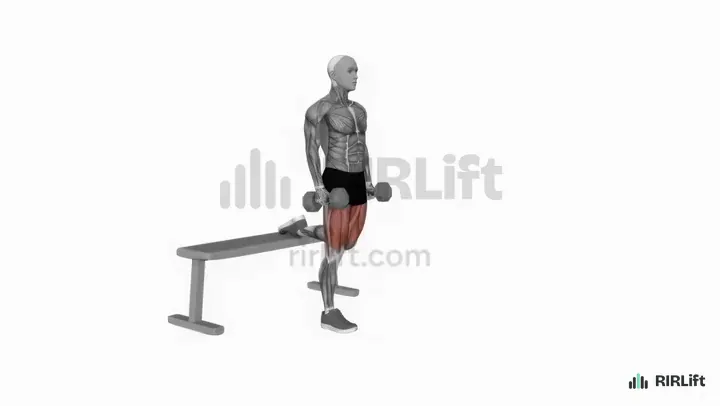
Bulgarian Split Squat

Quads, Glutes

Your back foot rests on a bench, so the front leg does most of the work with far less balance than a pistol. You can hold dumbbells, which means you can keep adding load long after bodyweight pistols would get easy.

How to do it

  1. Stand a long stride in front of a bench, facing away, and rest your back foot on it, laces down.
  2. Hold a dumbbell in each hand with your arms hanging at your sides, and keep your front foot flat.
  3. Drop your back knee straight toward the floor until the front thigh is close to level.
  4. Press through the front foot to rise, then finish all reps before switching legs.

Cues

  • Go deep for the inner thigh
  • Front foot flat
  • Rear foot is just a kickstand

Common mistakes

  • Pushing up with the back leg: let it relax and make the front leg do the work.
  • Front knee collapsing inward: keep it pointed the same way as your toes.

When knees or ankles limit your depth

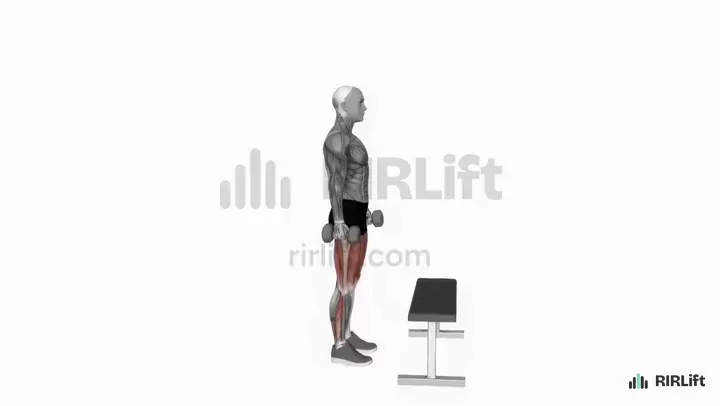
Step-Up

Quads, Glutes

You pick the box height, so you train one leg through the range your knees and ankles allow and raise the box as they improve. Hold dumbbells to make it hard.

How to do it

  1. Stand facing the bench with two dumbbells.
  2. Place one whole foot on the bench.
  3. Lean forward a little and push through the top foot to stand up on the bench.
  4. Bring the other foot up only to touch, then lower it back to the floor.
  5. Finish all reps on one leg before switching.

Cues

  • Whole foot on the bench
  • Push through the top heel
  • Lower slowly, do not drop

Common mistakes

  • Pushing off the floor with the back foot: that halves the work. Keep the trailing foot light.
  • Using a bench so high that your knee is far above your hip: you will rock instead of step.
Build a session with Step-Up

Simplest one-leg swap to load

Dumbbell Split Squat

Quads, Glutes

Both feet stay on the floor in a long stance, so it is the most stable single-leg exercise here. Use it to learn to load one leg before moving to the Bulgarian split squat.

How to do it

  1. Set up in a long split stance with a dumbbell at each side, feet roughly hip-width apart side to side so you do not wobble.
  2. Lower your back knee straight toward the floor and let the front knee drift forward.
  3. Stop when the back knee is a hand width off the floor.
  4. Stand back up without moving your feet, finish the reps, then switch sides.

Cues

  • Feet on train tracks, not a tightrope
  • Straight down, straight up
  • Weight over the front foot

Common mistakes

  • Rising onto the toes of the front foot: keep the heel down by making the stance longer.
  • Leaning the torso forward over the front leg: stay tall to keep the quad working.

One leg, more glutes

Dumbbell Curtsy Lunge

Quads, Glutes

Stepping your back leg behind and across makes your front-side glute work harder to keep your hips and knee lined up, the same job it does in a pistol.

How to do it

  1. Stand tall with your feet under your hips and a pair of dumbbells held up at your chest, elbows bent.
  2. Step your right foot back and across, landing it behind and outside your left heel on the ball of the foot.
  3. Bend both knees and sink straight down until your front thigh is close to parallel and your back knee hovers just off the ground.
  4. Keep your hips and chest facing forward, with your front knee pointing over your front toes.
  5. Push through the whole front foot to stand, bring the back foot home, and repeat on the same side or switch.

Cues

  • Hips square to the front
  • Sink down, not forward
  • Front knee over front toes

Common mistakes

  • Twisting your hips toward the back leg: step only as far across as you can while your belt buckle still faces forward.
  • Letting the front knee cave inward: push it out over your middle toes, and use lighter dumbbells until it stays there.
  • Shifting your weight onto the back foot: keep most of your weight on the front heel and midfoot, and let the back leg only balance you.

Two-leg squat for depth practice

Goblet Squat

Quads, Glutes

A dumbbell held at your chest counterbalances you, so you can practice sitting as deep as a pistol on two legs. Use it as a warm-up or for high-rep sets.

How to do it

  1. Hold one dumbbell vertically at your chest, cupping the top end, with your feet a bit wider than your hips.
  2. Brace your trunk and sit down between your heels, keeping your elbows inside your knees.
  3. Go as deep as you can with a flat back and your heels on the floor.
  4. Stand up by driving through your whole foot, keeping the dumbbell tight to your chest.

Cues

  • Sit between your heels
  • Elbows inside the knees
  • Chest tall all the way

Common mistakes

  • Cutting the depth short: the inner thighs work most in the bottom third.
  • Heels lifting as you go down: widen your stance a little or elevate the heels on a thin plate.

Gym and barbell

For heavy single-leg training, a machine or a barbell takes balance out of the picture so the leg is the limit.

Gym swap with no balance at all

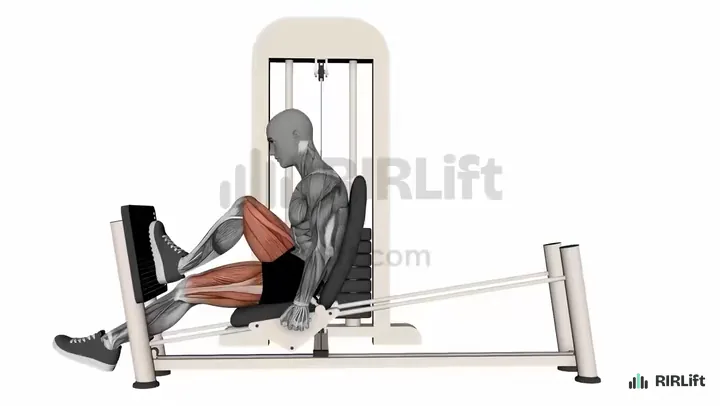
Single-Leg Leg Press

Quads

The machine handles the balance, so you can push one leg close to failure with real weight. It is the pick when you want each leg trained hard and the pistol's balance is not the goal.

How to do it

  1. Sit in the press and set one foot in the middle of the platform, the other resting on the floor or frame.
  2. Lower the platform with control until your working knee is well bent and your hip stays on the seat.
  3. Push the platform away with that one foot without twisting your pelvis.
  4. Finish all reps on one side, then switch.

Cues

  • Hips square
  • Same depth on both legs
  • Smooth, not jerky

Common mistakes

  • Rotating the hips to cheat the platform up: drop the weight until both hips stay flat.
  • Starting with your stronger leg and doing extra reps: match the weaker side's reps on both.

Heaviest single-leg swap

Barbell Bulgarian Split Squat

Quads, Glutes

The bar on your back lets you load one leg more than dumbbells allow. Use it in a gym or home gym with a rack once dumbbell split squats get light.

How to do it

  1. Set the bar on your upper back and stand about one long step in front of a bench, facing away.
  2. Put the top of one foot on the bench behind you and square your hips.
  3. Lower straight down until your back knee is just above the floor.
  4. Push through your front foot to stand, finish all reps, then switch legs.

Cues

  • Front foot far enough forward to stay flat
  • Straight down, not forward
  • Sets are per leg

Common mistakes

  • Standing too close to the bench, which pushes your front knee far past your toes: step out until your front shin stays near vertical at the bottom.
  • Rushing the setup and losing balance: get the bar settled and your foot placed before the first rep, and keep the weight light enough to balance.

Hamstrings to pair with them

The sessions below add one hamstring exercise, since single-leg squats mostly train the front of your thighs.

Hamstrings and glutes on one leg, to pair

Single-Leg RDL

Hamstrings, Glutes

Pistols and their swaps train the front of your thighs most. A single-leg Romanian deadlift covers the back of them and trains the same one-leg balance.

How to do it

  1. Stand on your right leg with the dumbbell in your right hand, the standing knee straight but not locked.
  2. Hinge forward at the right hip while your left leg extends straight behind you, keeping your hips level.
  3. Lower until your torso and back leg are close to parallel to the floor or the standing hamstring stops you.
  4. Drive through the standing heel to come back up, then finish the set before switching sides.

Cues

  • Back leg and torso move as one
  • Hips level, toes of the back foot down
  • Slow on the way down

Common mistakes

  • Opening the hip so the back leg rotates out: point the back toes at the floor the whole time.
  • Touching the free foot down between reps to rebalance: slow down and hold a wall with your free hand if needed.

Hamstrings on a machine, to pair

Lying Leg Curl

Hamstrings

In a gym session, a leg curl covers the hamstrings the squat swaps leave out, with nothing to balance.

How to do it

  1. Adjust the roller so it rests on your lower calves, with your knees just past the end of the pad.
  2. Lie chest-down, grip the handles, and press your hips into the bench.
  3. Curl the roller toward your glutes as far as possible.
  4. Lower it over a slow count of three and repeat.

Cues

  • Hips glued down
  • Full curl, slow lowering
  • Toes pulled toward shins

Common mistakes

  • Hips popping up at the top: reduce the weight until they stay flat.
  • Bouncing at the bottom: keep the stack from touching between reps.

Example sessions without the pistol squat

Session 1

Bodyweight, building toward a pistol

Open in the session builder
  • Workouts3× a week
  • Working sets36 a week
  • Per workout~30 min
  • EquipmentBodyweight

You train with no equipment and want to get strong enough on one leg to do a pistol squat.

Skater squats train the one-leg squat without the free-leg problem, Cossack squats build the deep bottom position, reverse lunges add volume, and sissy squats build quad strength with no balance. 12 working sets.

Legs
ExerciseSets × repsRIRRest
Skater SquatSets are per leg. 4 × 5–8 1 90 s
Cossack SquatReps are per side. 3 × 6–10 2 1 min
Reverse LungeSets are per leg. 3 × 12–20 1 1 min
Sissy Squat 2 × 8–12 1 75 s
How to run it
Two or three times a week. Try a pistol at the end of each week to see what is still missing.
How to progress
Add reps until you reach the top of each range, then make the skater squat harder: hold a light weight out in front or touch a lower target. Slow the lowering to four seconds on the others.

Session 2

Home with dumbbells and a bench

Open in the session builder
  • Workouts2× a week
  • Working sets24 a week
  • Per workout~35 min
  • EquipmentDumbbells, Flat Bench

You have dumbbells and a bench at home and want one-leg training without fighting for balance.

Bulgarian split squats lead because they load one leg hardest, step-ups add range you control, a single-leg Romanian deadlift covers your hamstrings, and curtsy lunges finish your glutes. 12 working sets.

Legs
ExerciseSets × repsRIRRest
Bulgarian Split Squat1 warm-up set firstSets are per leg. 4 × 8–12 2 90 s
Step-UpSets are per leg. 3 × 10–12 2 75 s
Single-Leg RDLSets are per leg. 3 × 8–12 2 75 s
Dumbbell Curtsy LungeSets are per leg. 2 × 10–12 1 1 min
How to run it
Twice a week on non-consecutive days.
How to progress
When every set reaches the top of its range at the RIR shown, move up a dumbbell and start again at the bottom. At your heaviest dumbbell, add a two-second pause at the bottom.

Session 3

Gym, heavy single-leg work

Open in the session builder
  • Workouts2× a week
  • Working sets20 a week
  • Per workout~30 min
  • EquipmentBarbells, Leg Press, Lying Leg Curl

You train in a gym and want each leg trained hard on its own, without pistol balance in the way.

Barbell Bulgarian split squats take the heavy slot at lower reps and longer rest, the single-leg leg press pushes each leg close to failure, and a leg curl covers the hamstrings. 10 working sets.

Legs
ExerciseSets × repsRIRRest
Barbell Bulgarian Split Squat1 warm-up set firstSets are per leg. 4 × 6–10 2 2:30 min
Single-Leg Leg PressSets are per leg. 3 × 10–15 2 90 s
Lying Leg Curl 3 × 10–12 1 75 s
How to run it
Twice a week, or once next to a two-leg squat day.
How to progress
Add the smallest weight jump when every set reaches the top of its range, and match the weaker leg's reps on both sides.

Make it fit you

Questions

What can I do instead of pistol squats?

Skater squats are the closest because they stay one-leg and bodyweight. Bulgarian split squats, step-ups and the single-leg leg press train one leg hard with less balance.

Why can't I do a pistol squat?

Usually one of four things: tight ankles, weak or tight hips that drop the free leg, not enough leg strength at the bottom, or balance. Try one to a high box to see which one fails first.

Is a skater squat easier than a pistol squat?

For most people, yes. The free leg folds behind you, so you need far less hip flexibility, though the working leg still carries all your bodyweight.

Are pistol squats better than regular squats?

Not for most lifters who want bigger legs. They are a great bodyweight leg exercise, but a loaded two-leg squat or a Bulgarian split squat is easier to keep progressing over months.

What does it mean if you can do pistol squats?

You have strong legs relative to your bodyweight, good balance and enough ankle and hip mobility for a full one-leg squat. To keep progressing, hold a weight or switch to a loaded single-leg lift.