Rowing workout: erg sessions and strength training for rowers

A rowing workout is an erg session, often followed by strength work. On the machine, most sessions are long and easy (30 to 60 minutes at a pace you could talk at), and one or two a week are intervals such as 4 rounds of 4 minutes hard with 3 minutes easy. On two days a week, add 40 minutes of lifting after an easy row: a heavy squat or trap bar deadlift for leg drive, a Romanian deadlift for the hip swing, a chest-supported row and pull-ups for the finish, and a trunk exercise. Keep the lifting 2 to 3 reps short of failure so it builds strength without stealing from your rowing.

  1. Rowing Machine Quads, Hamstrings, Glutes, Lats
  2. Front Squat Quads, Glutes, Adductors
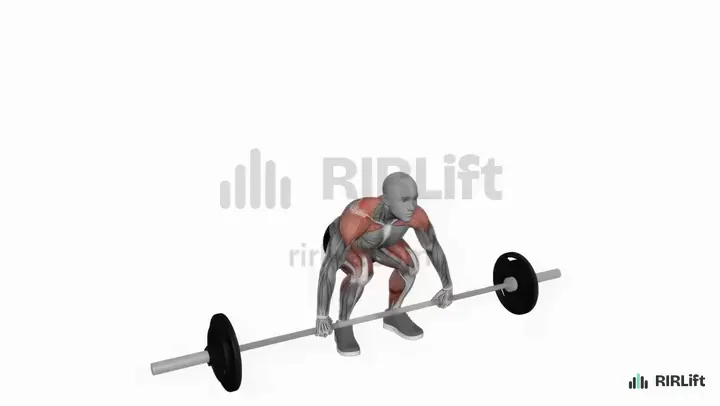
  3. Trap Bar Deadlift Quads, Glutes
  4. Romanian Deadlift Hamstrings, Glutes
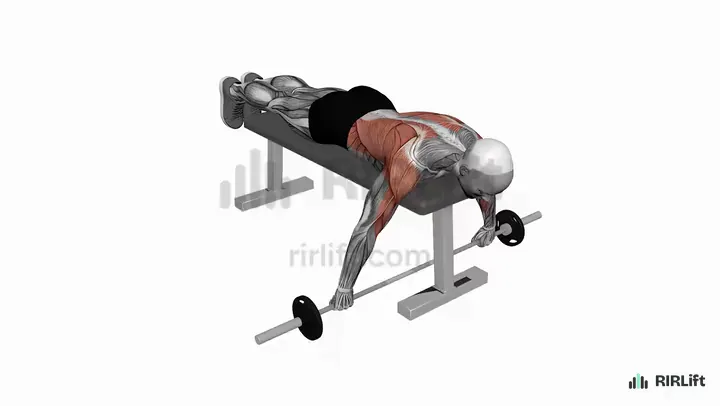
  5. Seal Row Upper Back, Lats
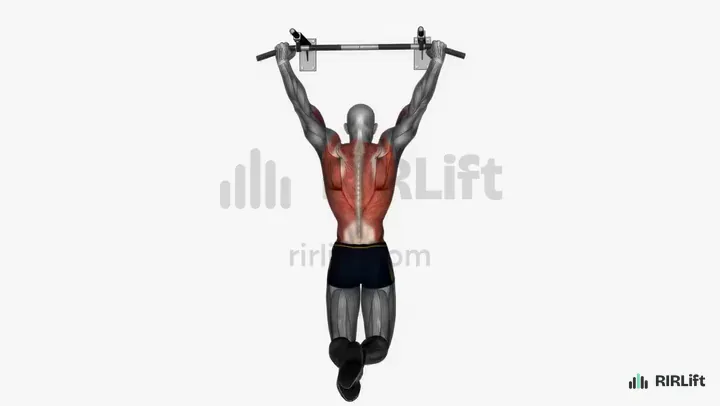
  6. Pull-Up Lats
  7. Power Clean Glutes, Hamstrings, Traps
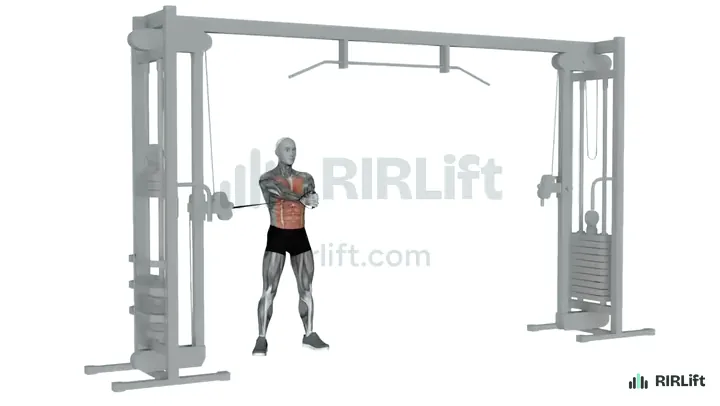
  8. Pallof Press Abs

Erg work: the aerobic engine

Most of a rower's training is aerobic, and the machine is where you build it on land. Plan most erg minutes as long, easy pieces you could talk through, and only one or two interval sessions a week; the ski erg covers some of that work when your legs need a break from the slide.

Conditioning, the sport itself on land

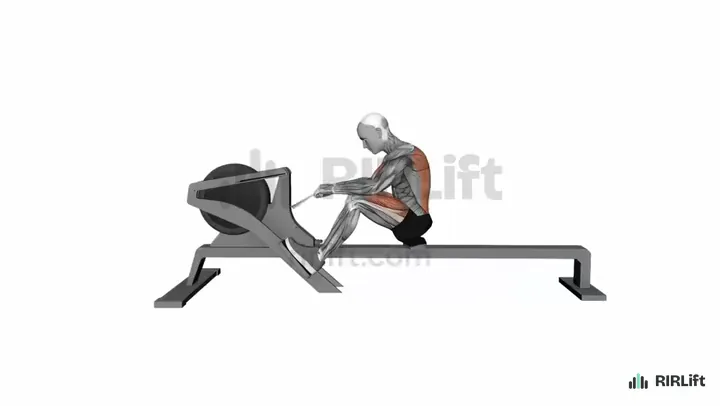
Rowing Machine

Quads, Hamstrings, Glutes, Lats

The rowing machine is where a rower builds the aerobic engine and rehearses the stroke, so it opens every session on this page: as the warm-up on lifting days and as the whole workout on erg days. Long easy pieces build the base; short hard intervals sharpen race pace.

How to do it

  1. Strap your feet in so the strap crosses the widest part of your foot, and set the damper low to middle so the stroke feels like a boat, not a wall.
  2. Start at the catch: shins vertical, arms long, torso tipped slightly forward from the hips.
  3. Push with your legs first, swing your torso back once the legs are nearly straight, and only then draw the handle to the bottom of your ribs.
  4. Return in the reverse order, arms away, body over, then knees up, and take about twice as long coming forward as you did driving back.

Cues

  • Legs, body, arms; arms, body, legs
  • Quick drive, slow slide
  • Handle stays level

Common mistakes

  • Pulling with the arms before the legs finish: the handle should not move toward you until your knees are nearly flat.
  • Cranking the damper to the top to feel strong: a heavy setting tires your back before your legs, so keep it low to middle.

Swap for: Ski Erg, Stationary Bike, Air Bike

Conditioning, upper-body pull and trunk

Ski Erg

Shoulders, Upper Back

The ski erg works the same lats and trunk that finish a rowing stroke but in a standing, top-down pull, so it adds hard aerobic work without another hour sitting on a slide. It is a good swap on days your legs are still heavy from the water.

How to do it

  1. Stand a foot from the machine, feet hip-width, and reach both handles up above your head with soft elbows.
  2. Hinge at the hips and crunch down as you pull the handles past your face toward your thighs.
  3. Finish with the handles beside your hips and your torso folded forward, knees softly bent.
  4. Rise back up and let the cords pull your arms overhead before the next pull.

Cues

  • Pull with your lats, not just your arms
  • Hinge, then crunch
  • Let the cords lift you

Common mistakes

  • Squatting deep on every pull, which turns it into a leg exercise: bend the knees a little and let the hips and trunk do the work.
  • Short, choppy pulls: drive the handles all the way past your hips each stroke.

Swap for: Rowing Machine, Straight-Arm Pulldown, Battle Rope Slam

Build a session with Ski Erg

Leg drive: squat and deadlift strength

The drive starts with the legs, so a stronger squat and deadlift give you more to push the foot stretcher with. These are done heavy for few reps, leaving one to three reps in reserve, because the goal is force, not more fatigue on top of your water sessions.

Leg drive, quads and upright trunk

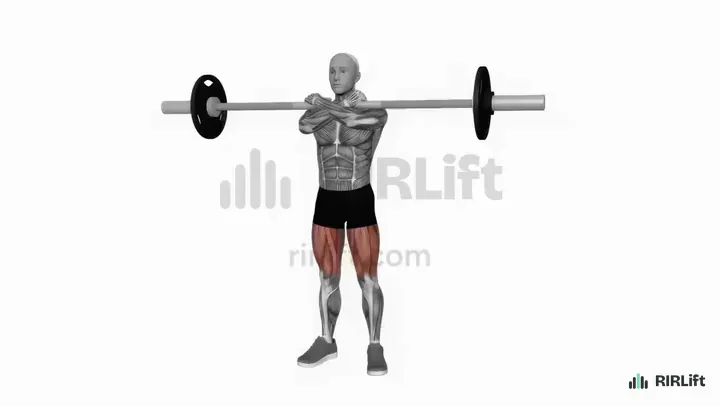
Front Squat

Quads, Glutes, Adductors

The drive off the foot stretcher is mostly quads and glutes, and the front squat loads exactly that while forcing your trunk to stay upright under the bar. It costs your lower back less than a back squat, which matters when that back already holds thousands of strokes a week.

How to do it

  1. Set the bar on the front of your shoulders with your fingers under it, or arms crossed, elbows high.
  2. Stand with feet about shoulder-width and toes turned out slightly, then brace your trunk.
  3. Sit straight down between your heels, keeping the elbows high and the chest tall, until your thighs pass parallel or as deep as you can stay upright.
  4. Drive up through your whole foot, keeping the elbows up until you are standing again.

Cues

  • Elbows high the whole rep
  • Sit down, not back
  • Brace before every rep

Common mistakes

  • Letting the elbows drop as you come up: the bar rolls forward and your back rounds. Lead the rise with the elbows.
  • Cutting depth as the set gets heavy: hold the depth and lower the load instead.

Swap for: Goblet Squat, Barbell Back Squat, Leg Press

Leg drive and hinge, heavy full-body pull

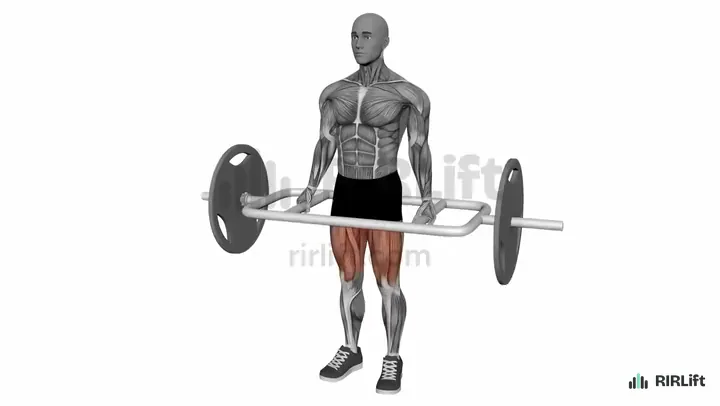
Trap Bar Deadlift

Quads, Glutes

A rowing stroke is a leg push and a hip swing linked through a braced back, and the trap bar deadlift trains that whole chain under heavy load with the handles at your sides. It is the easiest heavy pull to learn and the kindest to the lower back.

How to do it

  1. Step into the middle of the bar with feet about hip-width and grip the handles at their center.
  2. Push your hips back and bend your knees until you can hold the handles with straight arms and a flat back.
  3. Brace, then push the floor away until you stand tall with your hips through.
  4. Lower by reaching your hips back first and bending the knees as the bar passes them, then set it down.

Cues

  • Push the floor away
  • Chest tall, back flat
  • Stand all the way up

Common mistakes

  • Yanking the bar off the floor: squeeze the slack out of your arms first, then push.
  • Leaning back at the top: finish with hips under shoulders, not past them.

Swap for: Barbell Deadlift, Romanian Deadlift, Kettlebell Deadlift

Leg drive, one leg at a time

Bulgarian Split Squat

Quads, Glutes

Rowers push with both legs at once, but small left-right differences show up as a boat that pulls to one side. Training one leg at a time evens that out and loads the quads and glutes hard with a pair of dumbbells.

How to do it

  1. Holding two dumbbells, stand a long stride ahead of a bench and rest the top of your back foot on it.
  2. Lower straight down until your back knee nearly touches the floor, front shin close to vertical.
  3. Push through the whole front foot to stand back up.
  4. Finish all reps on one side, then switch.

Cues

  • Most of your weight on the front foot
  • Straight down, straight up
  • Torso tall or slightly forward

Common mistakes

  • Standing too close to the bench, which drives the front knee far forward: move your front foot out until the shin stays near vertical at the bottom.
  • Pushing off the back foot: it only balances you.

Swap for: Dumbbell Split Squat, Step-Up, Reverse Lunge

Hip swing and back endurance

After the legs, the hips open and the back holds the trunk steady while the handle comes through. One heavy hinge and one high-rep back exercise cover both qualities.

Hip extension, hamstrings and back strength

Romanian Deadlift

Hamstrings, Glutes

The body swing that follows the leg drive comes from the hips, and the Romanian deadlift trains hamstrings and glutes through that swing while your back holds still. It also teaches the long flat-back hinge you hold at the catch.

How to do it

  1. Stand with the bar at your hips, hands just outside your thighs, knees softly bent.
  2. Push your hips back and let the bar slide down your thighs while your back stays flat.
  3. Stop when you feel a strong hamstring stretch, usually just below the knees.
  4. Push your hips through to stand, squeezing your glutes at the top.

Cues

  • Bar touches your legs all the way
  • Hips back, knees soft
  • Stop at the stretch

Common mistakes

  • Squatting the bar down by bending the knees more: the knees stay at the same slight bend from top to bottom.
  • Chasing depth with a rounded back: end the rep where your back stays flat.

Swap for: Dumbbell Romanian Deadlift, Single-Leg RDL, Good Morning

Back endurance, spinal erectors

45-Degree Back Extension

Glutes, Hamstrings

Your back muscles hold your trunk rigid for every stroke of a long piece, so they need endurance more than a heavy one-rep max. Higher-rep back extensions build that without the load of another deadlift.

How to do it

  1. Set the pad so it sits just below your hip crease and hook your heels under the rollers.
  2. Cross your arms over your chest, or hold a plate there once bodyweight gets easy.
  3. Fold forward from the hips until your torso is near vertical to the floor.
  4. Raise yourself until your body is in one straight line, without arching past it, then lower again.

Cues

  • Hinge at the hip crease
  • Finish in a straight line
  • Slow on the way down

Common mistakes

  • Arching hard at the top: stop at a straight line from head to heels.
  • Setting the pad at your belly so the movement comes only from the lower back: lower the pad so the hips can fold.

Swap for: Weighted Back Extension, Back Extension, Superman

Pulling strength for the finish

Rowing already gives you thousands of pulls at a light load, so gym pulling is about heavier rows and a vertical pull for balance. A chest-supported row spares the lower back, which is why it leads this group.

Pulling strength, chest-supported row

Seal Row

Upper Back, Lats

Lying face-down on a high bench takes your legs and lower back out of the row, so the lats and upper back do all the work. For a rower whose back is already busy on the water, it is the safest way to row heavy in the gym.

How to do it

  1. Set a flat bench high enough that your arms hang straight without the bar touching the floor, or stand it on blocks.
  2. Lie face-down and take the bar with an overhand grip about shoulder-width.
  3. Pull the bar up until it touches the underside of the bench, driving your elbows past your torso.
  4. Lower until your arms are straight and your shoulder blades spread, then repeat.

Cues

  • Chest stays on the bench
  • Elbows past your ribs
  • Full hang every rep

Common mistakes

  • Lifting your chest off the bench to finish reps: that brings the back in. Lower the weight.
  • Stopping short of a full hang: reach long at the bottom like the catch.

Swap for: Incline Dumbbell Row, Chest-Supported Row, Pendlay Row

Build a session with Seal Row

Pulling strength, vertical pull

Pull-Up

Lats

Pull-ups build the lats from a different angle than rowing, which keeps your shoulders balanced and makes the arms stronger for the finish of the stroke. They also need nothing but a bar.

How to do it

  1. Hang from the bar with an overhand grip slightly wider than your shoulders, arms straight.
  2. Pull your shoulder blades down, then drive your elbows toward your ribs.
  3. Rise until your chin passes the bar.
  4. Lower slowly to a full hang before the next rep.

Cues

  • Shoulders down before you pull
  • Elbows to your ribs
  • Full hang at the bottom

Common mistakes

  • Kicking or swinging to get over the bar: keep your legs quiet and stop the set when you need them.
  • Half reps from a bent arm: every rep starts from straight elbows.

Swap for: Assisted Pull-Up, Lat Pulldown, Chin-Up

Build a session with Pull-Up

Pulling strength, one side at a time

One-Arm Dumbbell Row

Lats, Upper Back

Rowing one arm at a time with a hand braced on a bench lets you pull a heavy dumbbell through a long range and spot any side-to-side difference. Sweep rowers in particular pull harder with one side all season.

How to do it

  1. Brace one hand and knee on a bench with your back flat, the dumbbell hanging from the other hand.
  2. Let the shoulder blade drop toward the floor at the bottom.
  3. Row the dumbbell toward your hip with the elbow close to your side.
  4. Lower to a full stretch, finish all reps, then switch sides.

Cues

  • Elbow toward your hip
  • Long stretch at the bottom
  • Shoulders square

Common mistakes

  • Twisting the torso to heave the dumbbell up: keep both shoulders level.
  • Short range: start every rep from a straight arm.

Swap for: Dumbbell Lawnmower Row, Seated Cable Row, Kettlebell Row

Power for starts and sprints

A race start asks for force applied fast. A few sets of cleans or jumps, done fresh at the start of a session, train that speed without adding much fatigue.

Power, fast hip and leg extension

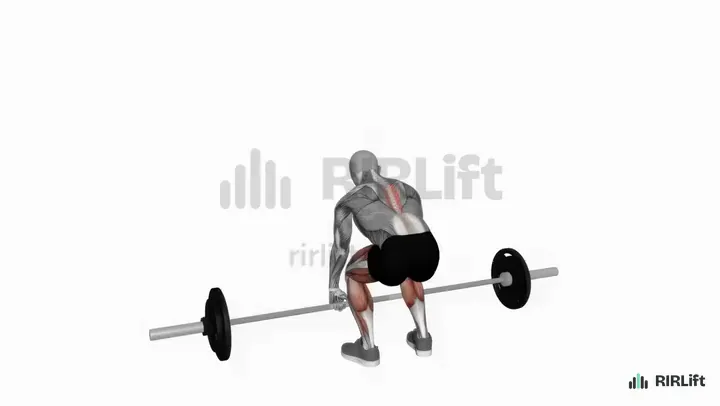
Power Clean

Glutes, Hamstrings, Traps

The power clean trains the same sequence as a hard stroke, legs then hips then arms, but done as fast as possible. In small doses it teaches a rower to apply force quickly, which is what a race start asks for.

How to do it

  1. Stand with feet hip-width, the bar over the middle of your feet, gripping just outside your knees.
  2. Lift the bar to your knees by pushing with your legs while your back angle stays the same.
  3. As it passes your thighs, jump hard: hips and knees snap straight and your shoulders shrug.
  4. Drop under and receive the bar on the front of your shoulders in a quarter squat, elbows high, then stand.

Cues

  • Slow off the floor, fast past the knees
  • Jump, then catch
  • Elbows whip through

Common mistakes

  • Pulling early with the arms: the arms stay long until your hips have opened.
  • Catching with low elbows: snap them forward so the bar sits on your shoulders, not in your hands.

Swap for: Hang Clean, Kettlebell Swing, Box Jump

Power, leg drive without load

Box Jump

Quads, Glutes, Hamstrings

Box jumps train the leg drive as an explosive push with very little fatigue, so they slot in before strength work even in season. Landing on the box keeps the impact low.

How to do it

  1. Stand a short step from a sturdy box, feet hip-width.
  2. Swing your arms back as you dip into a quarter squat.
  3. Throw your arms forward and jump up, touching down on the box quietly with both feet flat.
  4. Stand up tall on the box, then step down rather than jumping off.

Cues

  • Land quiet
  • Box height you can stand up on
  • Step down every rep

Common mistakes

  • Picking a box so high you land in a deep squat: the goal is jump height, not tucking your knees.
  • Rushing reps: reset fully between jumps so each one is fast.

Swap for: Jump Squat, Lateral Box Jump, Single-Leg Box Jump

Build a session with Box Jump

Trunk control

Your trunk links the legs to the handle. These two hold it still against bending and twisting, and they take five minutes at the end of a session.

Trunk control, anti-extension

Dead Bug

Abs

At the catch and the finish your trunk has to stay braced while your limbs move, and the dead bug trains exactly that pattern lying on your back. It costs no recovery, so it fits at the end of any session.

How to do it

  1. Lie face-up with your arms pointing at the ceiling and your knees bent above your hips.
  2. Press your lower back gently into the floor.
  3. Slowly reach one arm overhead and the opposite leg out long, stopping before your back lifts.
  4. Bring them back and repeat on the other side.

Cues

  • Lower back stays down
  • Breathe out as you reach
  • Slow and controlled

Common mistakes

  • Letting the back arch as the leg goes out: shorten the reach until the back stays flat.
  • Rushing side to side: take two to three seconds per reach.

Swap for: Plank, Ab Wheel Rollout, Pallof Press

Build a session with Dead Bug

Trunk control, anti-rotation

Pallof Press

Abs

Sweep rowers pull with the oar on one side, and the trunk has to resist being twisted every stroke. The Pallof press trains that resistance directly with a cable.

How to do it

  1. Set a cable handle at chest height and stand side-on to the machine, a step away.
  2. Hold the handle at your chest with both hands and brace your trunk.
  3. Press the handle straight out in front of you without letting your torso turn toward the machine.
  4. Bring it back to your chest, finish the reps, then face the other way.

Cues

  • Hips and shoulders face forward
  • Press straight out
  • Pause with arms long

Common mistakes

  • Rotating toward the stack as the arms extend: step closer until you can hold still.
  • Leaning away to fight the pull: stand tall and let your trunk do the work.

Swap for: Dead Bug, Side Plank, Cable Woodchop

Put them together: example sessions

Each session below picks from the exercises above for one situation, with the sets, reps, rest and RIR filled in. Open one in the session builder to change a pick, price it from a recent set, and add it to RIRLift.

Session 1

Winter base: two gym days next to erg training

Open in the session builder
  • Workouts2× a week
  • Working sets33 a week
  • Per workout~50 min
  • EquipmentBarbells, Pull-Up Bar, Trap Bar, Dumbbells +2

You row five or six times a week through the winter on the erg or water, and you have two days to lift.

Winter is when strength can grow, because racing is months away. Each session opens with heavy lower-body work at 2 reps in reserve, adds a chest-supported or one-arm row and a hinge, and ends with trunk work. Stopping two reps short keeps the legs fresh enough for the next erg piece, and the two sessions total about 18 and 17 hard sets.

Strength A
ExerciseSets × repsRIRRest
Front Squat2 warm-up sets firstElbows high. 4 × 4–6 2 3 min
Seal Row 4 × 6–8 2 2 min
Romanian Deadlift 3 × 6–8 2 2 min
Pull-Up 3 × 5–8 2 2 min
Dead BugReps per side. 3 × 6–10 2 45 s

Open Strength A in the session builder

Strength B
ExerciseSets × repsRIRRest
Trap Bar Deadlift2 warm-up sets first 4 × 3–5 2 3 min
Bulgarian Split SquatReps per leg. 3 × 6–8 2 90 s
One-Arm Dumbbell RowReps per arm. 3 × 8–10 2 90 s
45-Degree Back Extension 3 × 12–15 2 1 min
Pallof PressReps per side. 3 × 10–12 2 45 s

Open Strength B in the session builder

How to run it
Lift after an easy erg piece or on its own day, never before your hardest interval session. Warm up with 10 minutes on the rower at an easy pace and two lighter sets of the first lift.
How to progress
When you hit the top of the rep range at 2 reps in reserve on every set, add 5 to 10 pounds next session. Every fourth week, drop one set from each exercise.

Session 2

Race season: one short session to keep strength

Open in the session builder
  • Workouts1× a week
  • Working sets11 a week
  • Per workout~35 min
  • EquipmentBarbells, Trap Bar, Adjustable Cable

You are racing or in a heavy water block, and the gym has to give back more than it takes.

In season, the goal is to hold on to winter strength while the water training gets harder. One session with low reps, few sets and 3 reps in reserve does that: you leave every set feeling fast, and the soreness that would hurt Saturday's race never shows up. Power work goes first while you are fresh. That is 11 hard sets in total.

Maintenance
ExerciseSets × repsRIRRest
Power Clean2 warm-up sets firstFast reps only. 3 × 2–3 3 2:30 min
Trap Bar Deadlift 3 × 3–4 3 3 min
Seal Row 3 × 5–6 3 2 min
Pallof PressReps per side. 2 × 10 3 45 s
How to run it
Do it early in the week, at least two days before a race. Skip it entirely in the week of a major regatta.
How to progress
Keep the weights from the end of winter. If every set moves fast at 3 reps in reserve, add 5 pounds; never chase rep records in season.

Session 3

Fitness rower new to lifting: erg and weights in one session

Open in the session builder
  • Workouts2× a week
  • Working sets26 a week
  • Per workout~35 min
  • EquipmentDumbbells, Barbells, Rowing Machine

You row on a machine for fitness, three or four times a week, and you have never followed a lifting plan.

This plan keeps the row as the heart of the workout and adds a short full-body circuit after it. Light loads, moderate reps and 3 reps in reserve let you learn each lift without wrecking the next day's row. Two short erg bursts at the end keep it a rowing workout, and the strength work is 13 sets in total.

Row and Lift
ExerciseSets × repsRIRRest
Bulgarian Split SquatReps per leg. Start with no weight. 3 × 8–12 3 90 s
One-Arm Dumbbell RowReps per arm. 3 × 10–12 3 1 min
Romanian DeadliftLight bar or dumbbells. 3 × 8–10 3 2 min
Dead BugReps per side. 2 × 6–10 3 45 s
Rowing MachineSeconds, hard but smooth. 2 × 30–45 2 90 s
How to run it
Row 20 minutes at an easy pace first, then do the lifts in order. Do this session twice a week and keep your other rows as they are.
How to progress
Add a rep each week until you reach the top of every range, then add the smallest weight jump you can and start again from the bottom. After four weeks, drop the target to 2 reps in reserve.

Make it fit you

Questions

What does a rowing workout look like?

A warm-up of 5 to 10 easy minutes on the rower, a main set, and a few minutes of easy rowing to finish. The main set is either a long steady piece, 20 to 60 minutes at a conversational pace, or intervals with hard work and easy recovery, such as 8 rounds of 1 minute hard and 1 minute easy. Rowers add strength sessions on top, usually two a week.

What are the best exercises for rowers?

A squat (front squat or trap bar deadlift) for the leg drive, a Romanian deadlift for the hip swing, a chest-supported row and pull-ups for the pull, and a trunk exercise such as the Pallof press. Cleans or box jumps add speed. Those six or seven lifts cover what the boat asks for.

How often should rowers lift weights?

Two sessions a week through the winter base, and one short session in race season. That is enough to build and keep strength while most of your time stays on the water or the erg.

Is rowing 20 minutes a day a good workout?

Yes, as long as most days are at an easy pace. Twenty minutes of steady rowing works your legs, back and arms and builds aerobic fitness. Make one or two days a week harder with intervals rather than pushing every session.

Should rowers train to failure in the gym?

No. Leaving 2 to 3 reps in reserve builds nearly the same strength while leaving your legs and back fresh for the next row. Failure sets mostly add soreness, which costs you erg and water sessions.

Can rowing replace strength training?

Rowing builds endurance in the muscles it uses, but each stroke is light compared to a heavy squat or row. You need the gym to build maximal strength, which is what gives each stroke more force.