
Single-arm lat pulldown: how to do it, why it helps, and what to swap it for
Published October 19, 2026
A single-arm lat pulldown is a lat pulldown done one arm at a time with a single handle on the high cable. Working one side lets you reach higher at the top and pull your elbow lower and farther behind you than with a bar, so the lat stretches and contracts through a bigger range. It also shows you if one side is weaker. Drive your elbow down toward your hip and keep your torso from twisting.
- WorksLats
- AlsoBiceps, Upper Back
- EquipmentLat Pulldown
- Start with3 × 8–12, 2 in reserve, 2 min rest
How to do the single-arm lat pulldown
With a single handle your arm isn't fixed to a bar, so you can line the pull up with your lat fibers and get a full stretch at the top. Training one side at a time also lets the weaker side do its own work. It fits right after your main pulldown or pull-ups on back day.
Steps
- Clip a single D-handle to the high pulley, set the thigh pad snug, and sit facing the stack.
- Reach up and take the handle with one hand, letting your arm go fully straight and your shoulder rise so you feel your lat stretch.
- Hold the pad or seat with your free hand, then start by pulling your shoulder down before your elbow bends.
- Drive your elbow down and slightly back toward your hip until your hand is near your shoulder, keeping your chest facing forward.
- Let the handle rise slowly until your arm is straight and the stretch is back, then finish all reps before switching sides.
Cues
- Elbow to back pocket
- Chest stays facing forward
- Full stretch at the top
Common mistakes
- Twisting your torso to drag the weight down: hold the seat with your free hand and lower the weight until your chest stays square.
- Pulling with your biceps: think of your hand as a hook and move your elbow, not your fist, toward your hip.
- Shortening the top: let the arm go fully straight and the shoulder rise every rep, since that stretch is the reason to do the one-arm version.
Swap for: Lat Pulldown, Single-Arm Cable Row, One-Arm Dumbbell Row
Muscles the single-arm lat pulldown works
The single-arm lat pulldown works your lats first, along with the teres major just under the armpit. Your rhomboids and lower traps help pull your shoulder blade down, and your biceps and rear delts assist the elbow. Because you can pull your elbow farther behind you than with a bar, the lower lat gets more work at the bottom.
Sets, reps and reps in reserve for the single-arm lat pulldown
| Goal | Sets × reps | RIR | Rest |
|---|---|---|---|
| Build lats | 3 × 10–15 per arm | 1–2 | 60–90 s |
| Rest between sides is the time the other arm works, so you rarely need extra. | |||
| Fix a weaker side | 3 × 8–12 per arm | 1–2 | 60 s |
| Start with your weaker arm and stop the stronger side at the same reps. | |||
| Finisher after heavy pulls | 2 × 12–20 per arm | 0–1 | 60 s |
| After pull-ups or rows, go close to failure with a slow, full stretch. | |||
Single-arm lat pulldown variations
-
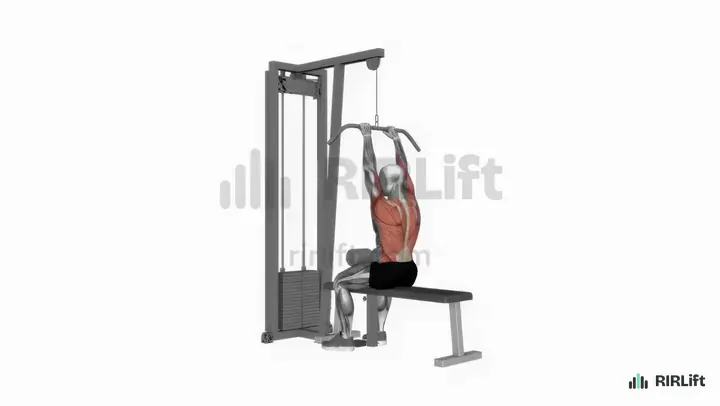
Neutral-Grip Lat Pulldown
Go back to two hands on a neutral handle when you want to load the same lat pull heavier.
Build a session with it -
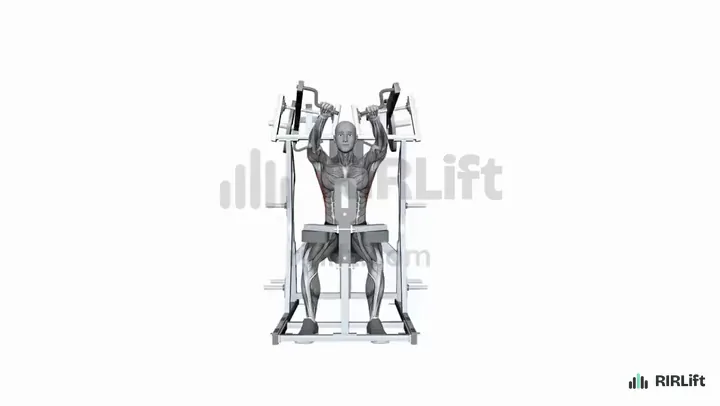
Single-Arm High Row
Use a one-arm high row machine when you want a guided one-arm pull with a chest pad instead of a cable.
Build a session with it -
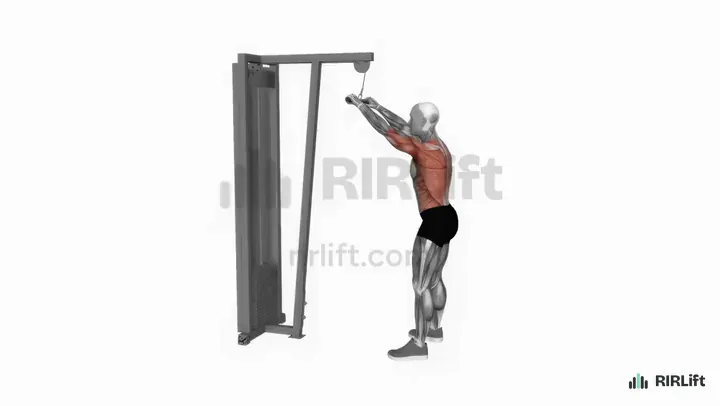
Straight-Arm Pulldown
Keep your arms straight on the high cable when you want the lats working with no biceps help.
Build a session with it
Single-arm lat pulldown alternatives
Same pull, two arms
-
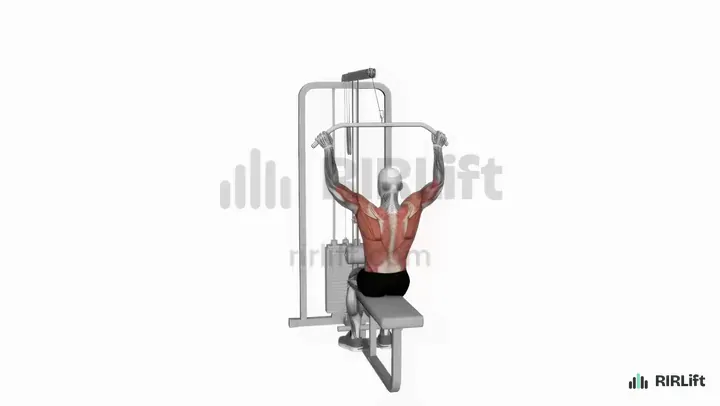
Lat Pulldown
Use the bar when you want the heaviest pulldown and have no side-to-side difference to work on.
Build a session with it -
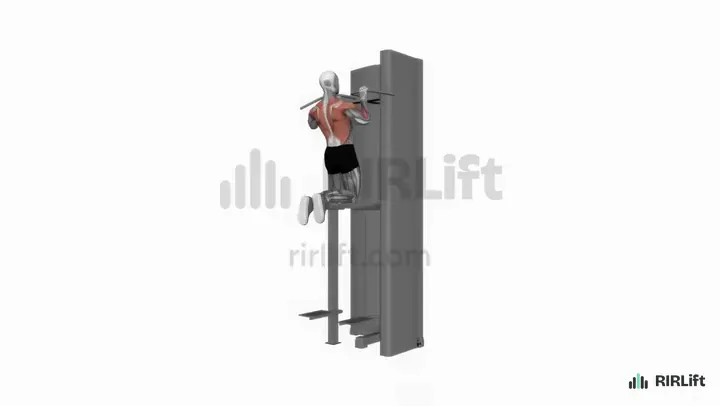
Assisted Pull-Up
Use the assisted pull-up machine when you want a vertical pull with your body moving instead of the handle.
Build a session with it
No cable machine
-
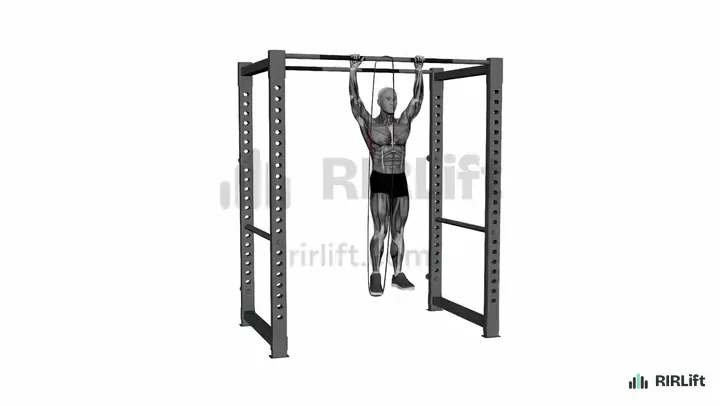
Band-Assisted Pull-Up
Loop a band over a pull-up bar for a vertical pull at home when full pull-ups are still too hard.
Build a session with it -
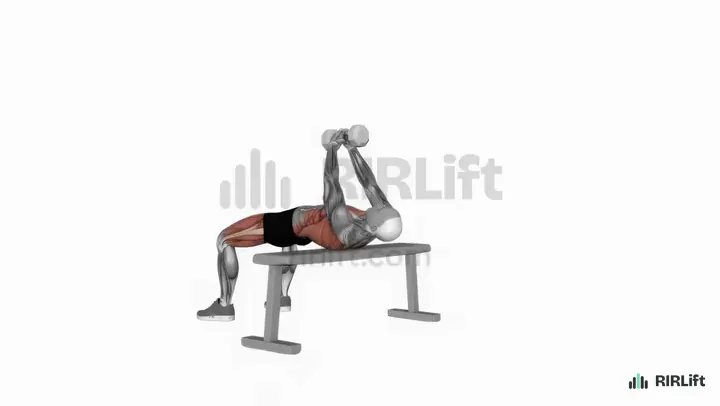
Dumbbell Lat Pullover
Lie on a bench and lower a dumbbell behind your head when you want a lat stretch with only a dumbbell.
Build a session with it
Are single-arm lat pulldowns better?
Not better, just different. The bar pulldown lets you move more weight in total and is quicker to load and track. The single-arm version gives each lat a longer range and lets you line up the pull with your arm's natural path, and it stops a stronger side from taking over.
Most people do well with one bar or pull-up movement first in the session and the single-arm pulldown second, for 2–3 sets per side.
Seated, kneeling or standing?
Seated with the thigh pad on is the most stable and the easiest to load. Half-kneeling at a cable tower frees your hips and lets you lean in a little for a longer stretch, but you'll need a lighter weight. Pick seated for steady progress and kneeling when the pulldown station is taken.
Questions
Are single-arm lat pulldowns better than regular ones?
They aren't better overall, but they give each lat a bigger range and stop your stronger side from doing more of the work. Use them alongside a bar pulldown or pull-ups.
What muscles does the single-arm lat pulldown work?
Mainly the lats and teres major, with the rhomboids, lower traps, rear delts and biceps helping.
What can I replace a single-arm lat pulldown with?
A one-arm dumbbell row or a single-arm cable row trains each lat on its own. For a vertical pull, use a regular lat pulldown or assisted pull-ups.
How do I do a lat pulldown without a machine?
Do pull-ups or band-assisted pull-ups on a bar. With only dumbbells, a dumbbell pullover and one-arm rows cover the lats.
Is a 70 kg lat pulldown good?
On a two-arm pulldown, 70 kg for clean reps is solid for many lifters. One-arm loads are much lower, often well under half, so don't compare the two numbers.
How heavy should a single-arm lat pulldown be?
Use a weight you can pull for 10–15 reps with your chest square and a full stretch at the top, stopping one or two reps short of failure.
Related templates
-
Lat pulldown: form, grip width and the best alternatives
The two-arm version and every grip it comes in.
-
Straight-arm pulldown: how to do it, what it works, and where it fits
Another cable lat move to pair with it on back day.
-
Back exercises at the gym: machines, cables and barbells
Where this fits among rows, pulldowns and pull-ups.
-
The best workout for back: width, thickness and traps
A full back session to slot the single-arm pulldown into.
-
How to use RIR
How to judge the reps you leave in reserve on every set.