
Spartan race workout: the gym sessions that get you over the obstacles
Published October 24, 2026
A good Spartan race workout is a 45-minute full-body session, done twice a week next to your running: a squat or step-up for the hills, a pull-up and a dead hang for the rigs and walls, a heavy farmer's walk or sandbag clean for the carries, and a short finish of burpees or bear crawls. The best exercises for a Spartan race are pull-ups, dead hangs, farmer's walks, sandbag cleans, step-ups, single-leg Romanian deadlifts, kettlebell swings and burpees. Keep most sets 2 reps short of failure so your legs are ready for the runs.
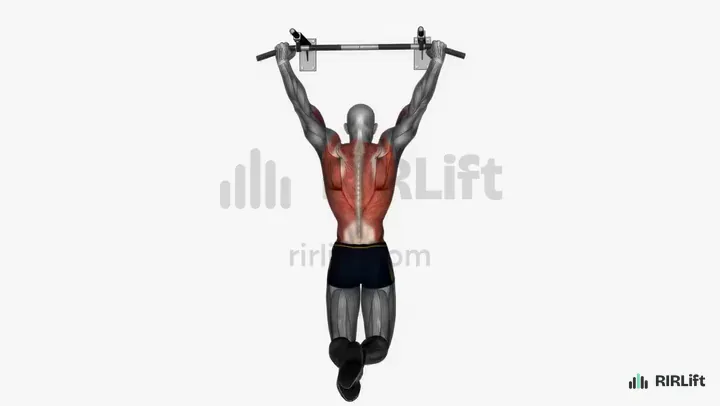
- Pull-Up Lats
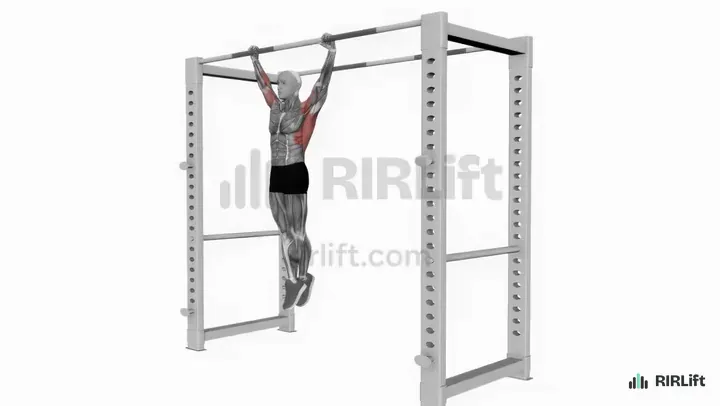
- Dead Hang Forearms
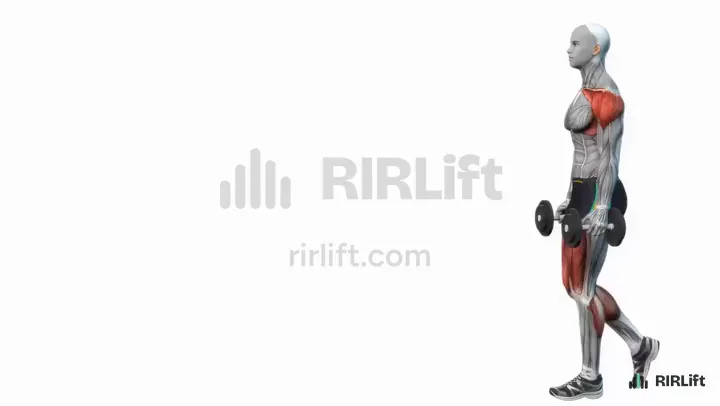
- Farmer's Walk Forearms, Traps, Shoulders
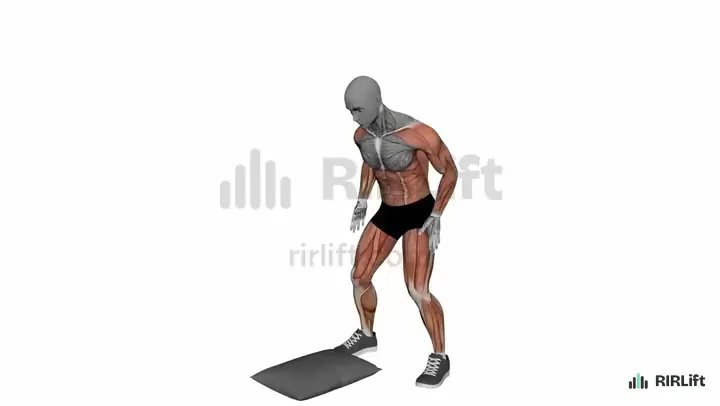
- Sandbag Clean Glutes, Hamstrings, Traps
- Step-Up Quads, Glutes
- Single-Leg RDL Hamstrings, Glutes
- Kettlebell Swing Glutes, Hamstrings
- Burpee Quads, Glutes, Chest, Shoulders
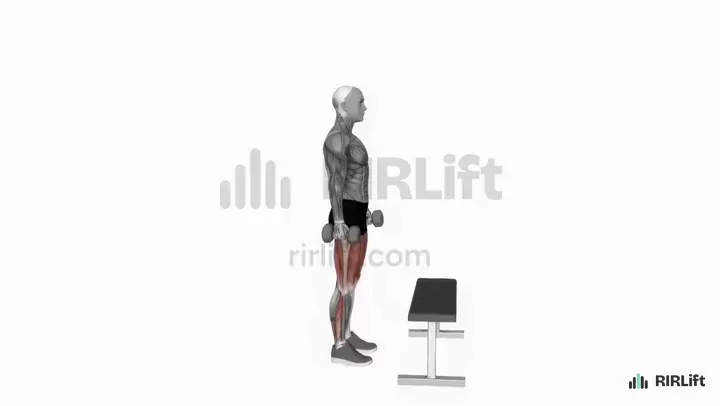
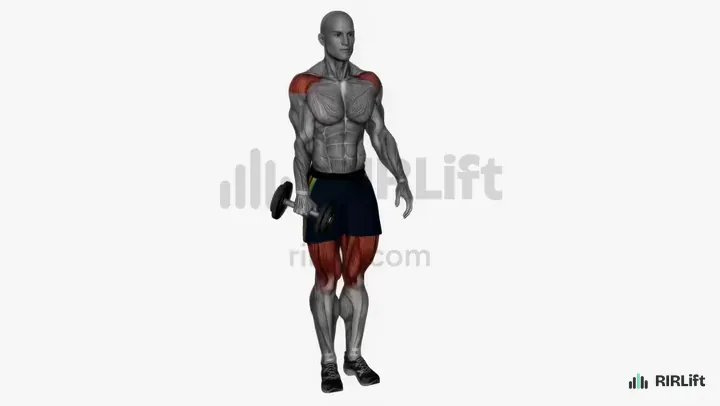
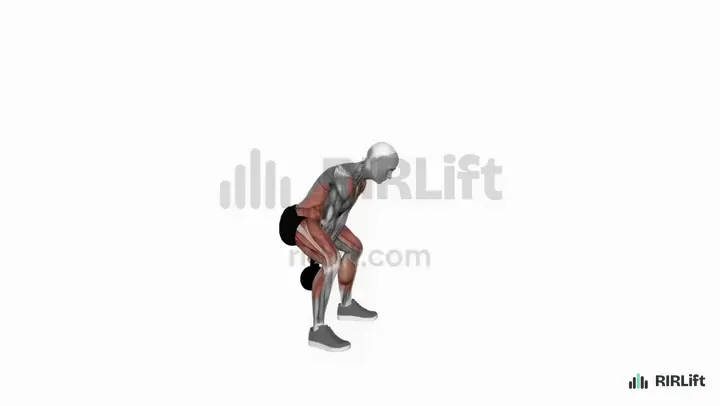
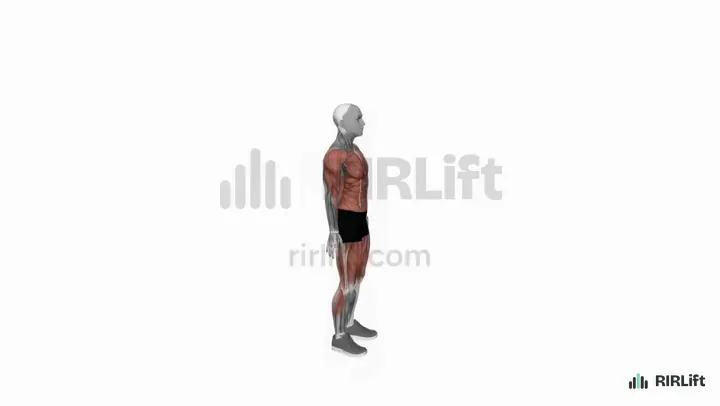
Put them together: example sessions
Each session below picks from the exercises above for one situation, with the sets, reps, rest and RIR filled in. Open one in the session builder to change a pick, price it from a recent set, and add it to RIRLift.
-
Session 1
First Sprint, eight weeks out
You signed up for your first Sprint, you run two or three times a week and you have done some gym work but never trained for obstacles.
2× a week · 28 sets a week · ~30 min
-
Session 2
Super or Beast: strength next to high running volume
You run four or more times a week to build up to a 10K or 21K course, and you need strength that holds up for hours without stealing from your runs.
2× a week · 24 sets a week · ~35 min
-
Session 3
Grip gives out on the rigs
Your running is fine but you fail the monkey bars, multi-rigs or rope and pay for it in burpees.
2× a week · 25 sets a week · ~30 min
Session 1
First Sprint, eight weeks out
- Workouts2× a week
- Working sets28 a week
- Per workout~30 min
- EquipmentDumbbells, Pull-Up Bar, Flat Bench, Barbells +1
You signed up for your first Sprint, you run two or three times a week and you have done some gym work but never trained for obstacles.
Two full-body sessions on non-running days build the grip, carry and leg strength the course needs without eating into your runs. Most sets stop 2 reps short of failure, because a first-timer gains strength fast at that effort and stays fresh for running. Each session ends with a short burpee or crawl finish so penalty burpees feel familiar, and the whole session stays near 45 minutes.
| Exercise | Sets × reps | RIR | Rest |
|---|---|---|---|
| Goblet Squat | 3 × 8–12 | 2 | 90 s |
| Pull-UpUse a band if you cannot do 3. | 3 × 3–8 | 2 | 2 min |
| Single-Leg RDLPer leg. | 3 × 8–10 | 2 | 1 min |
| Farmer's WalkSteps, not reps. | 3 × 30–40 | 2 | 90 s |
| BurpeeSteady race pace. | 2 × 10–15 | 3 | 90 s |
Open Session A in the session builder
| Exercise | Sets × reps | RIR | Rest |
|---|---|---|---|
| Step-UpPer leg. | 3 × 8–10 | 2 | 1 min |
| Inverted Row | 3 × 8–12 | 2 | 90 s |
| Kettlebell Swing | 3 × 15–20 | 2 | 1 min |
| Dead HangSeconds. | 3 × 20–45 | 2 | 90 s |
| Bear CrawlSteps. | 2 × 20–30 | 3 | 1 min |
Open Session B in the session builder
- How to run it
- Do Session A and Session B on two days that are not your longest run day, with at least one day between them. Warm up with two lengths of bear crawl before the first lift.
- How to progress
- Add a rep to each set until you reach the top of the range at the target reps in reserve, then add weight or, on pull-ups and hangs, add a few seconds or a rep. In the last week before the race, do one session at half the sets.
Session 2
Super or Beast: strength next to high running volume
- Workouts2× a week
- Working sets24 a week
- Per workout~35 min
- EquipmentDumbbells, Pull-Up Bar, Flat Bench, Barbells
You run four or more times a week to build up to a 10K or 21K course, and you need strength that holds up for hours without stealing from your runs.
Long courses are lost to fatigue, so the gym work here is heavier with fewer reps and few sets: strength gains come from load, while the running already supplies the endurance. Sets stop 2 to 3 reps short of failure to keep soreness low before long runs. The carries and sandbag cleans go up in weight, not distance, because the trail will provide the distance.
| Exercise | Sets × reps | RIR | Rest |
|---|---|---|---|
| Goblet Squat | 3 × 5–8 | 2 | 2:30 min |
| Pull-UpAdd weight once 6 is easy. | 4 × 4–6 | 2 | 2:30 min |
| Sandbag Clean | 3 × 4–6 | 2 | 2 min |
| Farmer's WalkSteps. Go heavy. | 3 × 30–40 | 2 | 2 min |
Open Strength A in the session builder
| Exercise | Sets × reps | RIR | Rest |
|---|---|---|---|
| Step-UpPer leg. Heavy dumbbells. | 3 × 6–8 | 2 | 2 min |
| Single-Leg RDLPer leg. | 3 × 6–8 | 2 | 90 s |
| Inverted RowFeet raised once it gets easy. | 3 × 8–10 | 2 | 90 s |
| Dead HangSeconds. | 2 × 30–60 | 1 | 2 min |
Open Strength B in the session builder
- How to run it
- Do Strength A after an easy run or on a rest day and Strength B at least two days later. Keep both away from the day before your long run.
- How to progress
- Add weight when you hit the top of the rep range at the target reps in reserve. Every fourth week, drop one set from each exercise and keep the weight the same, then build again.
Session 3
Grip gives out on the rigs
- Workouts2× a week
- Working sets25 a week
- Per workout~30 min
- EquipmentPull-Up Bar, Dumbbells, Barbells, Kettlebells +1
Your running is fine but you fail the monkey bars, multi-rigs or rope and pay for it in burpees.
This plan puts hanging and pulling first in both sessions, when your hands are fresh, and adds the swing and carry so your forearms get trained on every day you lift. Hangs and pulls run close to failure, at 1 rep or a few seconds in reserve, because grip and pulling strength respond to hard sets and recover fast. Legs get one maintenance exercise per session so your running is not affected.
| Exercise | Sets × reps | RIR | Rest |
|---|---|---|---|
| Dead HangSeconds. First thing in the session. | 4 × 20–60 | 1 | 90 s |
| Pull-Up | 4 × 3–8 | 1 | 2 min |
| Farmer's WalkSteps. | 3 × 30–50 | 1 | 90 s |
| Goblet Squat | 2 × 8–12 | 2 | 90 s |
Open Grip A in the session builder
| Exercise | Sets × reps | RIR | Rest |
|---|---|---|---|
| Inverted RowPause at the top. | 4 × 8–12 | 1 | 90 s |
| Kettlebell Swing | 3 × 15–25 | 1 | 1 min |
| Sandbag Clean | 3 × 5–8 | 2 | 90 s |
| Step-UpPer leg. | 2 × 8–10 | 2 | 1 min |
Open Grip B in the session builder
- How to run it
- Do Grip A and Grip B on non-consecutive days. Use the monkey bars at a playground or gym for a few easy traverses on a third day if you have them.
- How to progress
- Add five seconds to each hang or one rep to each pull-up set when you hit the top of the range. Once you can hang for a minute, hang from towels or thick handles to make it harder.
Make it fit you
-
No sandbag at the gym
Use a kettlebell swing or a trap bar deadlift in its place, and finish the session with a farmer's walk. You lose the hugging grip, so carry a heavy dumbbell held against your chest for one round.
-
Training at home with a pull-up bar
Keep the pull-ups, hangs, burpees and bear crawls, and swap the goblet squat for slow step-ups on a sturdy chair with a backpack loaded with books. A full backpack also works for carries.
-
Race is in under four weeks
Stay with the sessions you were already doing and stop adding weight. In the final week, do one session at half the sets, two days or more before the race.
-
Calves and shins sore from hill running
Swap the step-up for the goblet squat that week and keep the hangs and pulls as normal. Running volume is the bigger stress on your lower legs, so cut the lifting before you cut the runs.
-
Log reps in reserve so the weight goes up on its own
Note how many reps you had left on each set. In RIRLift, that number picks the next session's weight for you, so a step-up that felt easy at 2 in reserve gets heavier without you doing the math.
Questions
How should I train for a Spartan race?
Run on hills and trails two to four times a week, and lift twice a week with the exercises on this page: pull-ups and hangs for grip, carries for the heavy objects, step-ups and squats for the climbs, and a few burpees at the end. Put the lifting on easy or rest days so your hard runs stay hard.
Can a normal person do a Spartan race?
Yes. A Sprint can be walked between obstacles, and you can do burpees for any obstacle you fail. If you can walk briskly for an hour and do a few push-ups, eight weeks of the first-race plan here will make the day much more fun.
What are the best exercises for a Spartan race?
Pull-ups, dead hangs, farmer's walks, sandbag cleans, step-ups, single-leg Romanian deadlifts, kettlebell swings and burpees. Between them they cover grip, carries, climbing and the burpee penalty.
How many burpees do you do if you fail an obstacle?
A failed obstacle is paid for with a set of burpees on the spot, and the count can differ by race format and wave, so check the athlete guide for your event. Either way, a couple of sets of 10 to 15 at the end of each session gets you used to them.
Is a Spartan race harder than HYROX?
They are hard in different ways. HYROX is a set sequence of indoor stations between 1 km runs, so pacing matters most; a Spartan race is a trail run with unknown obstacles, hills and mud, so grip and terrain matter more. The strength work overlaps: carries, sleds or sandbags, and leg endurance.
How many days a week should I lift for a Spartan race?
Two. That is enough to build grip and leg strength while leaving three or four days for running, which is still the biggest part of the race. A third day can be a short hang and pull-up session if your grip is the weak point.
Related templates
-
HYROX workout: station sessions and the strength training behind them
Sleds, wall balls and carries for the indoor fitness race.
-
Pull-up bar exercises for back, arms, grip and abs, with plans for your first rep to your first muscle-up
More ways to train grip and pulling with one bar.
-
Farmer's walk: how to do it, what it works, and what to swap it for
The full guide to the carry that builds race-day grip.
-
Kettlebell swing: how to do it, what it works, and what to swap it for
Form and progressions for the hip-power exercise in these sessions.
-
How to use reps in reserve (RIR)
How to judge the 1 to 3 reps in reserve targets in these plans.