
Strength training for body recomposition: build muscle while you lose fat
Published October 29, 2026
Strength training for body recomposition means lifting hard enough to build muscle while eating at or slightly below maintenance. Build it on compound lifts: squats, Bulgarian split squats, Romanian deadlifts and hip thrusts for the legs, bench and incline presses and shoulder presses for pushing, and rows and pulldowns for pulling. Train each muscle twice a week for about 10 to 20 hard sets, stop most sets 1 to 2 reps short of failure, and add weight or reps whenever you hit the top of your range. Pair it with plenty of protein, daily walking and good sleep.
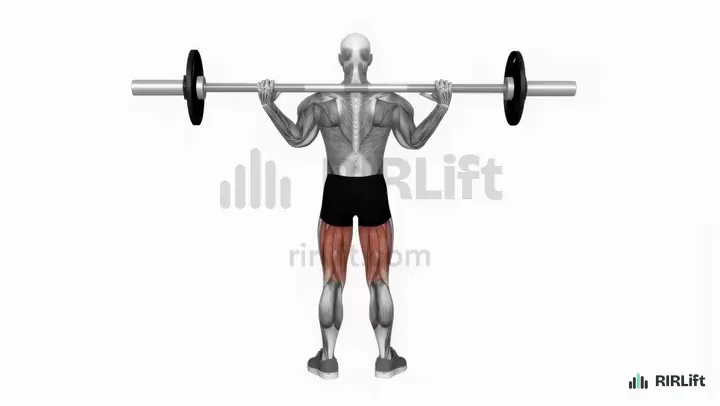
- Barbell Back Squat Quads, Glutes, Adductors
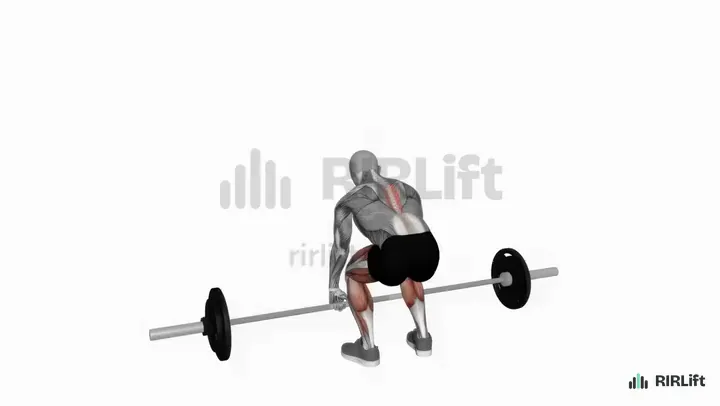
- Romanian Deadlift Hamstrings, Glutes
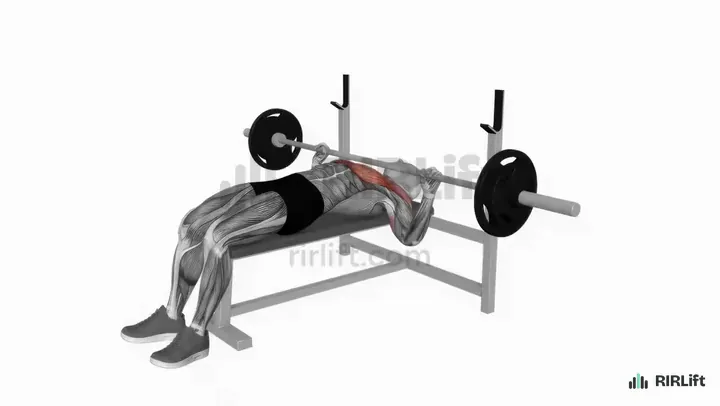
- Barbell Bench Press Chest
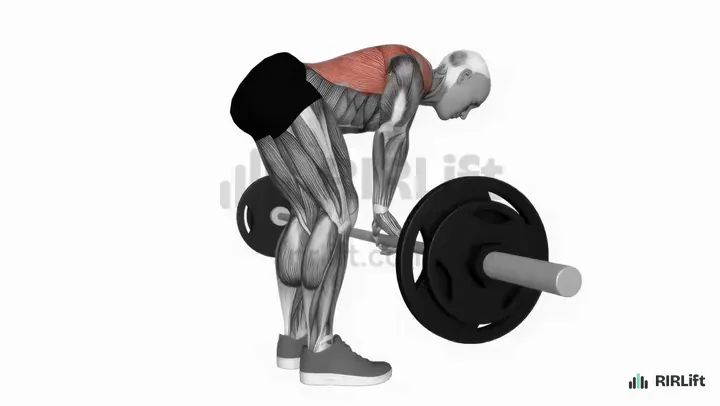
- Barbell Row Upper Back, Lats
- Lat Pulldown Lats
- Bulgarian Split Squat Quads, Glutes
- Dumbbell Shoulder Press Shoulders
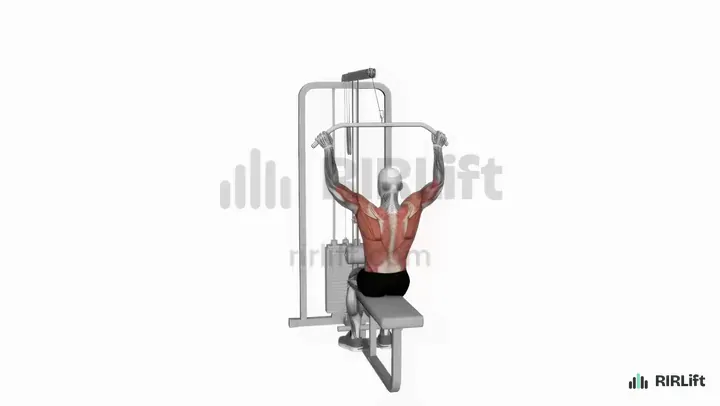
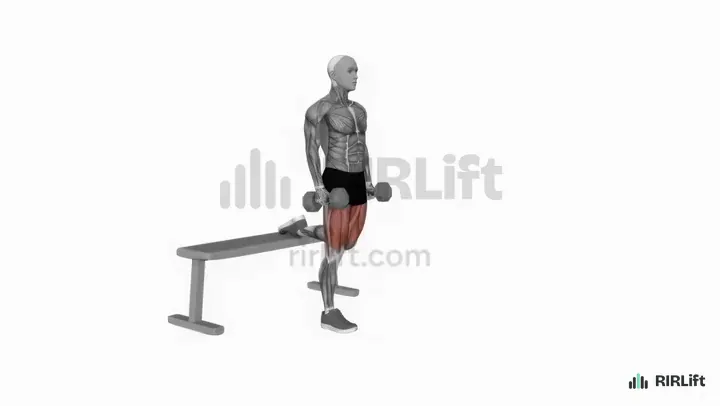
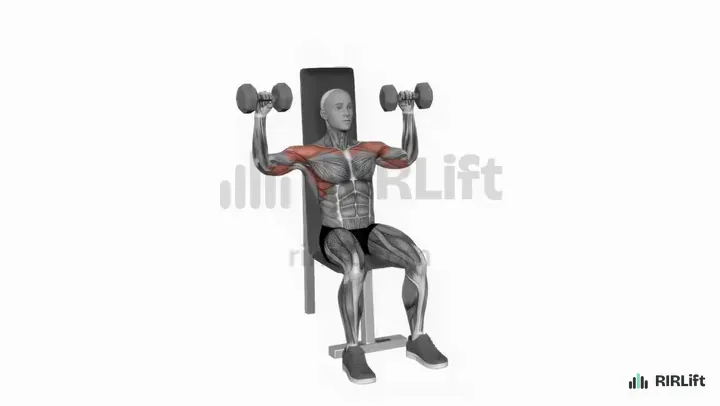
Put them together: example sessions
Each session below picks from the exercises above for one situation, with the sets, reps, rest and RIR filled in.
-
Session 1
Beginner, full body three days a week
You are new to lifting or coming back after a long break, which is when recomposition happens fastest.
3× a week · 33 sets a week · ~35 min
-
Session 2
Experienced lifter, upper/lower four days
You have lifted consistently for a year or more, still carry more fat than you want, and need more weekly work to keep growing.
4× a week · 49 sets a week · ~40 min
-
Session 3
At home with dumbbells and a bench
You train at home with adjustable dumbbells and an adjustable bench, and want the same recomposition results without a barbell.
3× a week · 36 sets a week · ~35 min
Session 1
Beginner, full body three days a week
- Workouts3× a week
- Working sets33 a week
- Per workout~35 min
- EquipmentBarbells, Flat Bench, Dumbbells, Lat Pulldown
You are new to lifting or coming back after a long break, which is when recomposition happens fastest.
Alternating two full-body sessions on three days puts a leg, push and pull exercise in every session, about 6 to 10 hard sets per major muscle weekly. Beginners grow on that, and each session stays near 60 minutes.
| Exercise | Sets × reps | RIR | Rest |
|---|---|---|---|
| Barbell Back Squat2 warm-up sets first | 3 × 6–8 | 2 | 3 min |
| Barbell Bench Press1 warm-up set first | 3 × 6–10 | 2 | 2:30 min |
| Barbell Row | 3 × 8–10 | 2 | 2 min |
| Dumbbell Lateral Raise | 2 × 12–20 | 1 | 1 min |
| Exercise | Sets × reps | RIR | Rest |
|---|---|---|---|
| Romanian Deadlift2 warm-up sets first | 3 × 8–10 | 2 | 2:30 min |
| Dumbbell Shoulder Press | 3 × 8–12 | 2 | 2 min |
| Lat Pulldown | 3 × 8–12 | 1 | 90 s |
| Bulgarian Split SquatPer leg. | 2 × 8–12 | 2 | 90 s |
- How to run it
- Alternate A and B on Monday, Wednesday and Friday. Walk 8,000 steps or more on most days. Leave at least one rest day between sessions.
- How to progress
- Double progression: keep the weight until every set reaches the top of the rep range with the target reps in reserve, then add 5 pounds to upper-body lifts or 10 pounds to squats and deadlifts and start again at the bottom of the range.
Session 2
Experienced lifter, upper/lower four days
- Workouts4× a week
- Working sets49 a week
- Per workout~40 min
- EquipmentBarbells, Flat Bench, Dumbbells, Lat Pulldown +2
You have lifted consistently for a year or more, still carry more fat than you want, and need more weekly work to keep growing.
Four sessions train each muscle twice a week with about 10 to 16 hard sets per muscle, more than the full-body plan because trained lifters need more work to keep growing. Lower days alternate a squat focus and a hinge focus so neither wears you down on fewer calories.
| Exercise | Sets × reps | RIR | Rest |
|---|---|---|---|
| Barbell Bench Press2 warm-up sets first | 4 × 5–8 | 2 | 3 min |
| Barbell Row | 4 × 6–10 | 2 | 2:30 min |
| Dumbbell Shoulder Press | 3 × 8–12 | 1 | 2 min |
| Lat Pulldown | 3 × 10–12 | 1 | 90 s |
| Exercise | Sets × reps | RIR | Rest |
|---|---|---|---|
| Barbell Back Squat3 warm-up sets first | 4 × 5–8 | 2 | 3:30 min |
| Romanian Deadlift | 3 × 8–10 | 2 | 2:30 min |
| Bulgarian Split SquatPer leg. | 3 × 8–12 | 2 | 90 s |
| Exercise | Sets × reps | RIR | Rest |
|---|---|---|---|
| Incline Dumbbell Press1 warm-up set first | 4 × 8–12 | 1 | 2:30 min |
| Seated Cable Row | 4 × 10–12 | 1 | 90 s |
| Dumbbell Lateral Raise | 4 × 12–20 | 1 | 1 min |
| One-Arm Dumbbell RowPer arm. | 3 × 10–12 | 1 | 75 s |
| Exercise | Sets × reps | RIR | Rest |
|---|---|---|---|
| Romanian Deadlift2 warm-up sets first | 4 × 6–8 | 2 | 3 min |
| Hip Thrust | 3 × 8–12 | 1 | 2 min |
| Goblet Squat | 3 × 10–15 | 2 | 90 s |
- How to run it
- Upper A on Monday, Lower A on Tuesday, Upper B on Thursday, Lower B on Friday. Walk on the off days, and keep any conditioning short and easy so it does not cut into leg recovery.
- How to progress
- Main lifts: add weight when all sets reach the top of the range at 2 reps in reserve. Accessories: push to 1 rep in reserve and add reps first. If a main lift stalls for three weeks, cut its sets by one for a week, then build back.
Session 3
At home with dumbbells and a bench
- Workouts3× a week
- Working sets36 a week
- Per workout~35 min
- EquipmentDumbbells, Incline Bench
You train at home with adjustable dumbbells and an adjustable bench, and want the same recomposition results without a barbell.
Dumbbells cover every pattern; the trick is working closer to failure with slower lowering because the loads are lighter. Two alternating sessions on three days give each muscle about 9 to 12 hard sets a week in roughly 50 minutes per session.
| Exercise | Sets × reps | RIR | Rest |
|---|---|---|---|
| Goblet Squat1 warm-up set first | 3 × 10–15 | 2 | 2 min |
| Incline Dumbbell Press | 3 × 8–12 | 1 | 2 min |
| One-Arm Dumbbell RowPer arm. | 3 × 8–12 | 1 | 90 s |
| Dumbbell Lateral Raise | 3 × 12–20 | 1 | 1 min |
| Exercise | Sets × reps | RIR | Rest |
|---|---|---|---|
| Dumbbell Romanian Deadlift1 warm-up set first | 3 × 10–12 | 2 | 2 min |
| Bulgarian Split SquatPer leg. | 3 × 8–12 | 2 | 90 s |
| Dumbbell Shoulder Press | 3 × 8–12 | 1 | 90 s |
| One-Arm Dumbbell RowPer arm. | 3 × 12–15 | 1 | 75 s |
- How to run it
- Alternate A and B on Monday, Wednesday and Friday. Lower each rep over two to three seconds. Walk daily.
- How to progress
- Add reps until every set reaches the top of the range at 1 to 2 reps in reserve, then go up one dumbbell increment. When you run out of weight, add a set or slow the lowering to four seconds.
Make it fit you
-
Eat for it
Recomposition needs enough protein, commonly 0.7 to 1 gram per pound of goal body weight, and calories at maintenance or a few hundred below. Eat too little and the strength stalls; eat too much and the fat stays.
-
Judge by the mirror and the logbook
The scale may barely move during a recomposition. Track your waist measurement and your lifts: a smaller waist with rising weights is the result you are after.
-
Cardio without stealing recovery
Daily walking is the best partner for recomposition. If you add intervals, keep them to one or two short sessions on upper-body days so your legs stay fresh for squats and hinges.
-
Over 40
Use the full-body plan with an extra rest day, swap the back squat for goblet or split squats if it bothers your back, and keep main lifts at 2 to 3 reps in reserve.
-
Log reps in reserve
Log each set's reps and how many you had left. RIRLift sets the next session's weights from that, which keeps progressive overload going on days when low calories make effort hard to judge.
Questions
Is body recomposition difficult?
It is slower than bulking or cutting alone, but very doable for beginners, people returning after a break and anyone carrying extra fat. Lifters who are already lean and experienced find it hardest and usually do better with separate phases.
Can calisthenics be used for body recomposition?
Yes, as long as each exercise stays hard in 5 to 20 reps. Push-ups, pull-ups, split squats and single-leg hinges work, but you have to keep making them harder as you get stronger, which weights do more simply.
What age is hardest to gain muscle?
Muscle gain gets slower with age, but lifters in their 50s, 60s and beyond still build muscle with the same kind of training. They may need a little more protein and recovery between sessions, not a different program.
How many days a week should I lift for body recomposition?
Three full-body days or four upper/lower days. Both let you train each muscle twice a week, which matters more than the split itself.
Should I do cardio during a recomposition?
Daily walking, yes; long hard cardio, sparingly. Walking adds calories burned without hurting recovery, while a lot of intense cardio competes with the lifting that builds muscle.
Related templates
-
Strength training for fat loss: keep your strength while you get leaner
When losing fat is the priority over building muscle.
-
Strength training for skinny fat: build muscle and lose fat together
Recomposition for a slim frame with little muscle.
-
Exercises to build muscle: squat, hinge, push and pull
The best lifts when gaining muscle is the main goal.
-
Am I gaining muscle or fat?
How to tell whether your recomposition is working.
-
Double progression method
How adding reps before weight keeps a recomposition moving on lower calories.