Strength training for fat loss: keep your strength while you get leaner

The strength training that works best for fat loss is heavy compound lifting: the back squat or goblet squat, Romanian deadlift, hip thrust, bench press, barbell row, overhead press and pull-ups, two to four days a week. Keep the weights heavy, 5 to 12 reps stopping 1 to 3 reps short of failure, rather than switching to light, fast circuits. Your diet creates the fat loss; heavy lifting tells your body to keep its muscle, so what you lose is fat and the shape that shows up underneath is muscle.

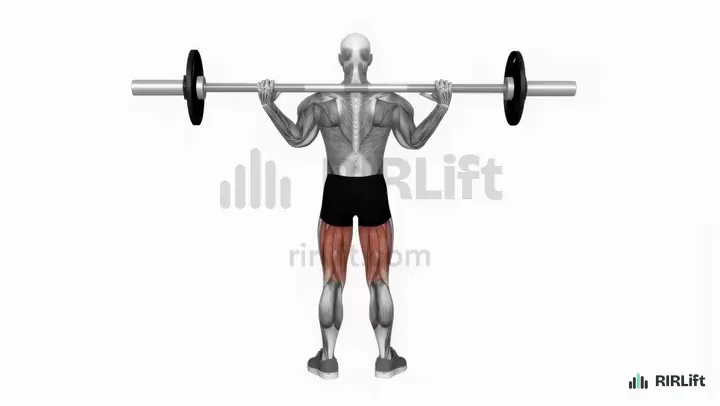
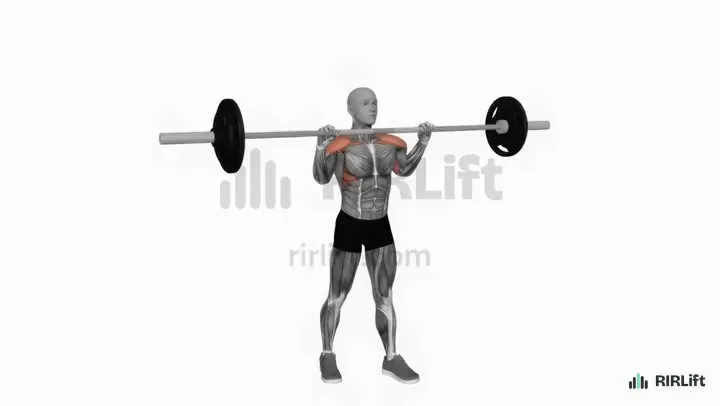
  1. Barbell Back Squat Quads, Glutes, Adductors
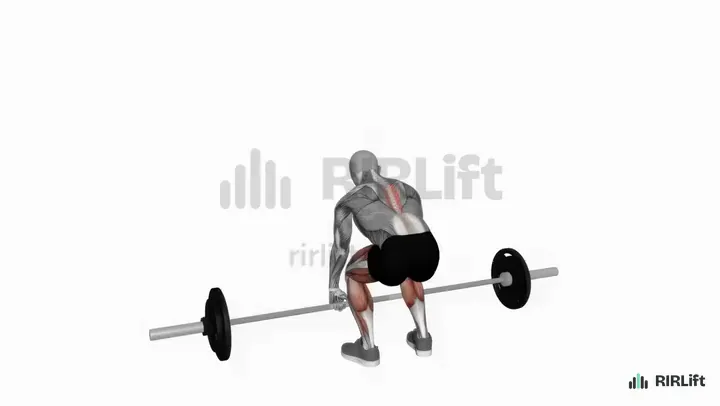
  2. Romanian Deadlift Hamstrings, Glutes
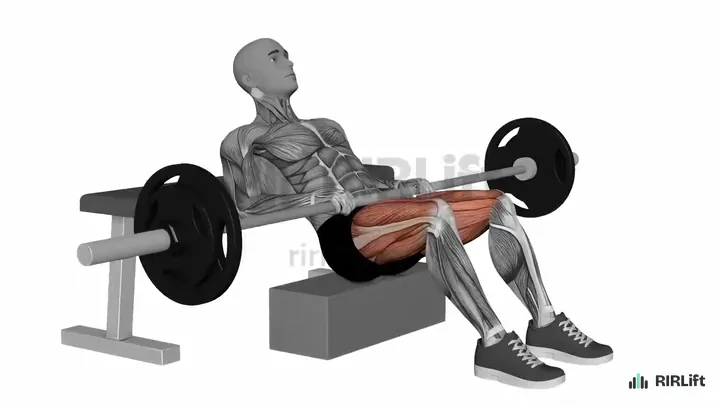
  3. Hip Thrust Glutes
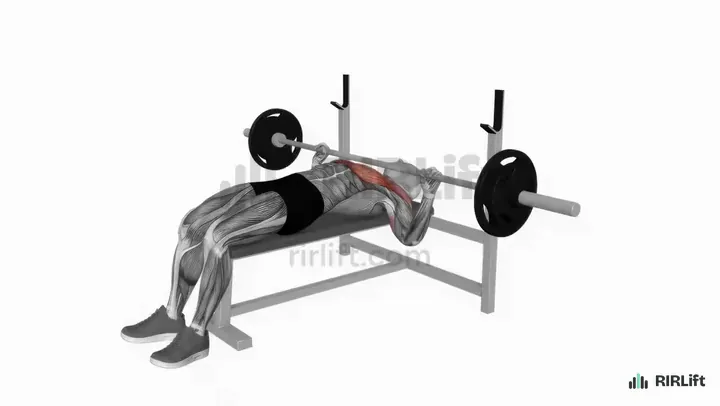
  4. Barbell Bench Press Chest
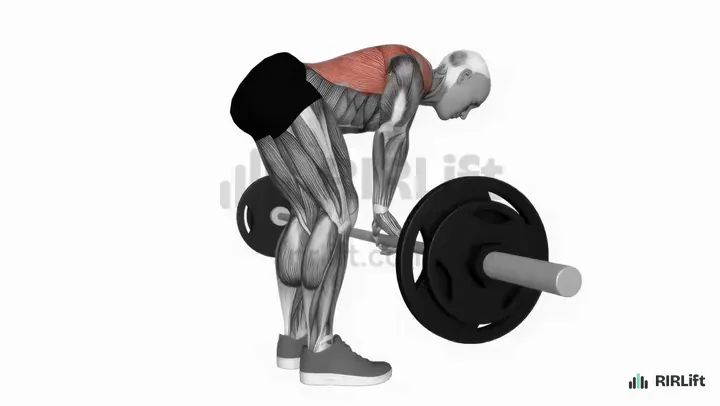
  5. Barbell Row Upper Back, Lats
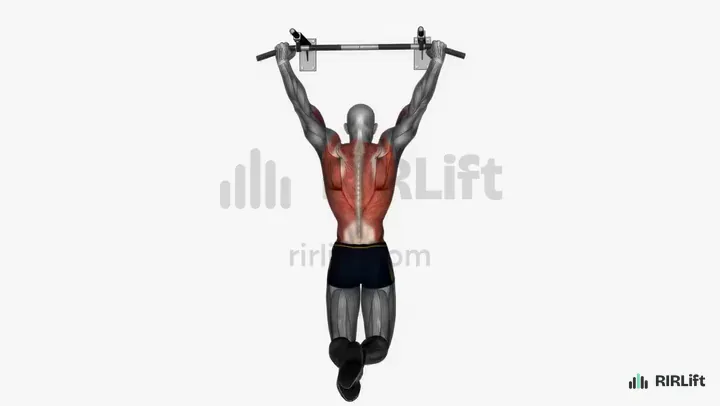
  6. Pull-Up Lats
  7. Barbell Overhead Press Shoulders
Squats that keep your legs strong

Squatting heavy is the clearest signal you can give your leg muscles that they are still needed while you eat less. The back squat is the main lift for experienced lifters, the goblet squat is the starting point, and the Bulgarian split squat trains each leg hard with modest weight.

Quads, glutes and adductors, barbell squat

Barbell Back Squat

Quads, Glutes, Adductors

It lets you put more weight through your legs than any other squat, which matters most when fewer calories make your body look for muscle to give up. Sets of 5 to 8 at 2 reps in reserve keep your strength where it was.

How to do it

  1. Set the bar across your upper back below the neck, hands just outside your shoulders, and unrack it.
  2. Stand with your feet about shoulder-width apart, toes turned out a little.
  3. Breathe in, tighten your stomach as if bracing for a punch, and sit down between your heels.
  4. Stand back up keeping your chest and hips rising together.

Cues

  • Breathe and brace
  • Chest and hips rise together
  • Whole-foot pressure

Common mistakes

  • Hips shooting up first out of the bottom: lighten the bar and keep your chest rising with them.
  • Letting the stomach go soft between reps: re-brace at the top of each one.

Swap for: Front Squat, Box Squat

Quads and glutes, front-loaded squat

Goblet Squat

Quads, Glutes

The beginner's squat in these plans: one dumbbell at your chest, an upright torso and a depth you can control. It is also the high-rep squat on a second lower day for experienced lifters.

How to do it

  1. Hold a dumbbell or kettlebell vertically against your chest.
  2. Sit down between your knees, elbows inside them at the bottom.
  3. Stand up tall.

Cues

  • Elbows nudge the knees out at the bottom.
  • Chest stays up behind the weight.

Common mistakes

  • Letting the weight pull you forward.

Swap for: Bodyweight Squat, Barbell Back Squat

Quads and glutes, rear-foot-elevated split squat

Bulgarian Split Squat

Quads, Glutes

With your back foot on a bench, each leg works almost alone, so a pair of moderate dumbbells feels heavy. It builds the legs hard without the spinal loading of another barbell squat in the same week.

How to do it

  1. Set the top of your back foot on a bench and place your front foot a long stride ahead.
  2. Hold a dumbbell in each hand at your sides, and keep your front foot flat.
  3. Drop your back knee straight toward the floor until the front thigh is close to level.
  4. Press through the front foot to rise, then finish all reps before switching legs.

Cues

  • Go deep for the inner thigh
  • Front foot flat
  • Rear foot is just a kickstand

Common mistakes

  • Pushing up with the back leg: let it relax and make the front leg do the work.
  • Front knee collapsing inward: keep it pointed the same way as your toes.

Swap for: Dumbbell Split Squat, Step-Up, Reverse Lunge

Hinges and hip thrusts for glutes and hamstrings

The Romanian deadlift loads your hamstrings and glutes through a long stretch, and the hip thrust loads your glutes at full lockout. Together they cover the back of your legs, which is often where people want to see shape once fat comes off.

Hamstrings and glutes, barbell hinge

Romanian Deadlift

Hamstrings, Glutes

Lowering the bar along your thighs until your hamstrings are stretched trains the back of your legs with heavy weight and little recovery cost compared with a full deadlift from the floor, which suits training on fewer calories.

How to do it

  1. Stand with a barbell at your thighs, hands just outside your legs, feet under your hips.
  2. Soften your knees and push your hips back, sliding the bar down your thighs.
  3. Stop when your hamstrings are fully stretched, usually just below the knee, with your back flat.
  4. Push your hips forward to stand up, glutes tight at the top.

Cues

  • Hips back
  • Bar stays on your legs
  • Back flat

Common mistakes

  • Bending the knees into a squat: keep them soft and still.
  • Reaching for the floor: stop where your back would round.

Swap for: Weighted Back Extension

Glutes, loaded hip extension

Hip Thrust

Glutes

The hip thrust loads your glutes hardest at the top of the rep, where squats go light. It is the lead lift in the glute-focused plan and an easy one to add weight to week after week.

How to do it

  1. Sit with your shoulder blades against the long side of a flat bench and roll a padded bar over your hips.
  2. Plant your feet flat about hip width apart, close enough that your shins are vertical at the top.
  3. Drive through your heels and lift your hips until your torso and thighs form a straight line.
  4. Hold the top for a second with your chin tucked, then lower your hips most of the way down and repeat.

Cues

  • Chin tucked, ribs down
  • Shins vertical at the top
  • One-second squeeze

Common mistakes

  • Arching your lower back to get higher: stop when your hips are level with your knees and squeeze your glutes there.
  • Feet too far out, which turns it into a hamstring exercise: bring them in until your shins are vertical at lockout.

Swap for: Dumbbell Hip Thrust, Glute Bridge, Dumbbell Glute Bridge

Presses for chest and shoulders

Pressing strength is usually the first to slip on a diet, so keep one heavy press in every upper-body session. The bench press and overhead press handle the most weight; the incline dumbbell press is the second press that fills out the upper chest.

Chest, shoulders and triceps, barbell press

Barbell Bench Press

Chest

The heaviest upper-body press, and the one whose numbers tell you most clearly whether a diet is costing you muscle. Keep it at 5 to 8 reps through a cut.

How to do it

  1. Lie on the bench with your eyes under the bar, feet planted, and squeeze your shoulder blades back and down into the pad.
  2. Grip the bar a little wider than shoulder width, unrack it, and hold it over your shoulders with locked elbows.
  3. Lower the bar to your lower chest, around nipple height, with your elbows angled roughly 45 to 70 degrees from your sides.
  4. Touch your chest without bouncing, then press the bar up and slightly back until it is over your shoulders again.

Cues

  • Shoulder blades stay pinned
  • Bar to the nipple line
  • Drive your feet into the floor

Common mistakes

  • Flaring the elbows straight out to the sides: let them sit a bit closer to your ribs so your shoulders stay comfortable.
  • Lifting your hips off the bench to finish a rep: keep your glutes down and count that rep as your last.

Swap for: Flat Dumbbell Press, Smith Machine Bench Press, Machine Chest Press

Upper chest and shoulders, incline press

Incline Dumbbell Press

Chest

A bench set to about 30 degrees shifts the work toward your upper chest, and dumbbells go easier on your shoulders than a second barbell press. Use it for 8 to 12 reps after the heavy press, or as a beginner's main press.

How to do it

  1. Set the backrest to about 30 to 45 degrees and sit with the dumbbells on your thighs.
  2. Lean back and bring the weights to the outside of your shoulders as your back meets the pad.
  3. Squeeze your shoulder blades back and keep your hips on the seat.
  4. Press up and slightly in until your arms are straight over your upper chest.
  5. Lower under control until your elbows are just below the bench line.

Cues

  • Low incline, not a shoulder press
  • Wrists stacked over elbows
  • Touch the stretch, then press

Common mistakes

  • Setting the bench steeper than about 45 degrees: the front delts take over. Drop it a notch if you mostly feel your shoulders.
  • Lifting your hips off the seat to finish a rep: that turns it back into a flat press.

Swap for: Single-Arm Incline Dumbbell Press, Incline Dumbbell Squeeze Press, Incline Barbell Bench Press

Shoulders and triceps, standing press

Barbell Overhead Press

Shoulders

Pressing a barbell overhead trains your shoulders and asks your whole trunk to stay braced. It is the second heavy press on upper days.

How to do it

  1. Set the bar in a rack at collarbone height and grip it just outside your shoulders, wrists stacked over your elbows.
  2. Unrack it onto your upper chest, take one step back and set your feet about hip width apart.
  3. Squeeze your glutes, brace your abs so your ribs stay down, and take a big breath.
  4. Press straight up, pulling your chin back so the bar clears your face.
  5. Once the bar passes your forehead, push your head through until the bar sits over the middle of your foot with your arms locked.
  6. Lower it along the same line to your upper chest and re-brace before the next rep.

Cues

  • Glutes tight, ribs down
  • Chin back, bar straight up
  • Head through at the top

Common mistakes

  • Leaning back to finish reps, which turns the lift into an incline press: lower the weight until your torso stays vertical for the whole set.
  • Pressing the bar forward around your face: pull your chin back and keep the bar close enough to brush your nose.
  • Stopping short of lockout: finish every rep with the bar over your mid-foot and your arms straight, or the rep doesn't count in your log.

Swap for: Dumbbell Shoulder Press, Landmine Press, Machine Shoulder Press

Rows and pull-ups for your back

A broad, strong back is what makes a leaner waist look narrower. Losing weight makes pull-ups easier, so they become a lift you can measure progress by; the assisted machine gets you there if you cannot do one yet.

Upper back and lats, bent-over row

Barbell Row

Upper Back, Lats

Rowing a barbell trains the whole back with a heavy load and balances the bench press set for set. Keep your torso angle fixed so the weight, not momentum, does the work.

How to do it

  1. Hold the bar at your thighs, hinge forward until your torso is near 45 degrees, back flat.
  2. Row the bar to your lower ribs with the elbows tucked near your sides.
  3. Lower to straight arms and keep the torso angle.

Cues

  • Brace before every rep
  • Bar to the belly button

Common mistakes

  • Standing taller each rep as it gets heavier: if the hinge goes, the set is over.

Swap for: Pendlay Row, Dumbbell Bent-Over Row, T-Bar Row

Lats, bodyweight vertical pull

Pull-Up

Lats

Every pound of fat you lose makes the next rep easier, so pull-ups show progress during a cut even when other lifts stall. Do sets of 5 to 10 and add reps before adding weight.

How to do it

  1. Grab the bar overhand, hands a little wider than your shoulders, and hang from fully straight arms.
  2. Pull your shoulders down away from your ears before your elbows start to bend.
  3. Drive the elbows toward your ribs until your chin passes over the bar.
  4. Lower slowly to a dead hang and pull again.

Cues

  • Shoulders down, then pull
  • Legs still and together
  • Two seconds on the way down

Common mistakes

  • Swinging the legs to cheat reps: cross your ankles and brace the abs.
  • Half reps from a bent-arm start: finish each rep at a full hang.

Swap for: Band-Assisted Pull-Up, Lat Pulldown, Inverted Row

Lats, machine-assisted pull

Assisted Pull-Up

Lats

The counterweight lets you do real pull-ups for 8 to 12 reps before you can lift your full body weight. Reduce the assistance as your strength goes up and your weight comes down.

How to do it

  1. Set the machine's assistance, kneel on the pad, and take the handles overhead with your palms facing away.
  2. Hang with your arms straight and your shoulders pulled slightly down.
  3. Pull your chest toward the handles until your chin passes them, driving your elbows down to your sides.
  4. Lower all the way back to straight arms under control, then repeat.

Cues

  • Shoulders down before you pull
  • Chin over the handles
  • All the way down each rep

Common mistakes

  • Choosing so much assistance that you could do 20 easy reps: set it so 6 to 10 reps leaves 1 to 2 in reserve.
  • Stopping with bent arms at the bottom: a full hang between reps is what builds the strength for a real pull-up.

Swap for: Lat Pulldown, Chin-Up, TRX Row

Trunk work that carries over to the big lifts

You cannot burn the fat off your stomach with ab exercises; it comes off through overall fat loss. What these two do is build the muscle under it and keep your trunk stiff under heavy squats and deadlifts.

Abs, hanging hip flexion

Hanging Knee Raise

Abs

Hanging from a bar and curling your knees toward your chest trains your lower abs and your grip together. It is a short, hard trunk exercise that fits at the end of a lower day.

How to do it

  1. Hang from the bar with straight arms and your legs together.
  2. Draw your knees up toward your chest and curl your pelvis up at the top.
  3. Lower your legs slowly until they hang straight and still.

Cues

  • Curl the pelvis
  • Stop the swing
  • Slow down

Common mistakes

  • Swinging into each rep: pause at the bottom until you are still.
  • Lifting the knees only to hip height, which works the hip flexors more than the abs.

Swap for: Captain's Chair Knee Raise, Reverse Crunch

Obliques and trunk, one-sided carry

Dumbbell Suitcase Carry

Abs, Quads

Walking with a heavy dumbbell in one hand makes the muscles on the opposite side of your waist fight to keep you upright. It trains the trunk in the way squats and deadlifts need it.

How to do it

  1. Pick up one heavy dumbbell and stand tall with it at your side.
  2. Walk with short, steady steps without leaning toward or away from it.
  3. Set it down, switch hands and walk back.

Cues

  • Shoulders level
  • Tall walk
  • Grip hard

Common mistakes

  • Leaning away from the weight to balance it.
  • Picking a dumbbell so light that nothing has to work.

Swap for: Farmer's Walk, Dumbbell Single-Arm Overhead Carry

Put them together: example sessions

Each session below picks from the exercises above for one situation, with the sets, reps, rest and RIR filled in.

Session 1

New to lifting and starting a diet

  • Workouts3× a week
  • Working sets39 a week
  • Per workout~35 min
  • EquipmentDumbbells, Incline Bench, Assisted Machine, Barbells +2

You are starting to train and to eat less at the same time, you have a gym with barbells, dumbbells and an assisted pull-up machine, and you can train three times a week.

Two alternating full-body days give each muscle about 8 to 10 hard sets a week, which builds muscle for a beginner even in a deficit. Reps in reserve stay at 2 to 3 so you can learn each lift with good form before you push it.

Day A
ExerciseSets × repsRIRRest
Goblet Squat1 warm-up set first 3 × 8–12 2 2 min
Incline Dumbbell Press 3 × 8–12 2 2 min
Assisted Pull-Up 3 × 8–12 2 90 s
Hip Thrust 2 × 10–12 2 90 s
Dumbbell Suitcase CarryReps are steps per hand. 2 × 20–30 2 1 min
Day B
ExerciseSets × repsRIRRest
Romanian Deadlift2 warm-up sets first 3 × 8–10 3 2:30 min
Barbell Bench Press1 warm-up set first 3 × 8–10 2 2:30 min
Barbell Row 3 × 8–12 2 2 min
Goblet Squat 2 × 10–15 2 90 s
Hanging Knee Raise 2 × 8–12 2 1 min
How to run it
Train Monday, Wednesday and Friday, alternating Day A and Day B. Walk on the other days.
How to progress
Double progression: work up to the top of each rep range, then add the smallest weight step. Beginners often add weight every week for the first two or three months, even while dieting.

Session 2

Experienced lifter cutting, four days

  • Workouts4× a week
  • Working sets44 a week
  • Per workout~35 min
  • EquipmentBarbells, Dumbbells, Pull-Up Bar, Flat Bench +1

You have lifted for a year or more, you are dieting down from a bulk or just want to get leaner, and you train four days a week.

An upper/lower split runs each muscle twice a week at about 10 to 12 hard sets, the volume you were likely building with, which gives your body a clear reason to keep it. The heavy lifts stay at 5 to 8 reps so your strength is still there when the cut ends.

Lower 1
ExerciseSets × repsRIRRest
Barbell Back Squat3 warm-up sets first 3 × 5–8 2 3 min
Romanian Deadlift 3 × 8–10 2 2:30 min
Bulgarian Split SquatPer leg. 2 × 8–10 2 90 s
Hanging Knee Raise 3 × 10–15 1 1 min
Upper 1
ExerciseSets × repsRIRRest
Barbell Bench Press2 warm-up sets first 3 × 5–8 2 3 min
Barbell Row 3 × 6–10 2 2 min
Barbell Overhead Press 2 × 6–10 2 2 min
Pull-Up 3 × 5–10 1 2 min
Lower 2
ExerciseSets × repsRIRRest
Hip Thrust2 warm-up sets first 3 × 8–12 1 2 min
Bulgarian Split SquatPer leg. 3 × 8–12 2 90 s
Goblet Squat 2 × 12–15 1 90 s
Dumbbell Suitcase CarryReps are steps per hand. 3 × 30–40 1 75 s
Upper 2
ExerciseSets × repsRIRRest
Incline Dumbbell Press1 warm-up set first 3 × 8–12 1 2 min
Pull-Up 3 × 6–10 1 2 min
Barbell Overhead Press 3 × 8–10 2 2 min
Barbell Row 2 × 10–12 1 90 s
How to run it
Lower 1 and Upper 1 early in the week, Lower 2 and Upper 2 after a rest day, for example Monday, Tuesday, Thursday and Friday.
How to progress
Aim to hold your weights on the first lift of each day for the whole cut, and add reps on the rest. If a top lift falls two sessions in a row, drop one set from the accessories for a week rather than lowering the weight.

Session 3

Losing fat and building glutes, three days

  • Workouts3× a week
  • Working sets35 a week
  • Per workout~35 min
  • EquipmentBarbells, Flat Bench, Dumbbells, Incline Bench +2

You want to get leaner and you want your glutes and legs to be the part that shows it, training three days a week in a gym.

Your glutes get 13 hard sets a week from hip thrusts, Romanian deadlifts and split squats, plus 6 more from squats, while your upper body keeps about 6 sets each of pushing and pulling, enough to hold it. Every day still has a heavy lift so the diet does not cost you strength.

Glutes 1
ExerciseSets × repsRIRRest
Hip Thrust2 warm-up sets first 4 × 8–12 1 2 min
Goblet Squat 3 × 10–15 2 90 s
Incline Dumbbell Press 3 × 8–12 2 90 s
Assisted Pull-Up 3 × 8–12 2 90 s
Glutes 2
ExerciseSets × repsRIRRest
Romanian Deadlift2 warm-up sets first 3 × 8–12 2 2:30 min
Bulgarian Split SquatPer leg. Lean forward slightly. 3 × 8–12 1 90 s
Barbell Row 3 × 10–12 2 90 s
Hanging Knee Raise 2 × 8–12 2 1 min
Full Body
ExerciseSets × repsRIRRest
Barbell Back Squat2 warm-up sets first 3 × 6–10 2 3 min
Hip Thrust 3 × 10–15 1 90 s
Barbell Overhead Press 3 × 8–10 2 2 min
Dumbbell Suitcase CarryReps are steps per hand. 2 × 20–30 2 1 min
How to run it
Run Glutes 1, Glutes 2 and Full Body on three nonconsecutive days in that order.
How to progress
Add reps to every set until you reach the top of the range at the target reps in reserve, then add weight. Push the hip thrust first: it is the lift you can add load to longest.

Make it fit you

Questions

Is strength training good for losing fat?

Yes. On its own it burns fewer calories than cardio, but combined with a calorie deficit it keeps your muscle, so more of the weight you lose is fat rather than muscle.

What strength training burns the most fat?

Full-body sessions built on big lifts like squats, deadlifts, presses and rows, because they train the most muscle per set. How much fat you lose is set by your calorie deficit; the lifting decides how much muscle you keep.

Should I lift heavy or do high reps to lose fat?

Keep lifting heavy. Switching to light weights for high reps when you start a diet removes the signal that keeps your muscle. Sets of 5 to 12 reps, stopped 1 to 3 reps short of failure, work for fat loss and for keeping strength.

What is the 30/30/30 rule for fat loss?

It is a popular routine of 30 grams of protein within 30 minutes of waking, then 30 minutes of low-intensity cardio. The protein and the movement can both help, but neither replaces a calorie deficit and two to four lifting sessions a week.

How many days a week should I strength train for fat loss?

Three suits most people: enough to train each muscle twice or more and leave days for walking. Four works well if you split upper and lower body; two still keeps muscle if each session is full body.