
Traditional strength training on Apple Watch: the lifts, and sessions to log from your wrist
Published November 3, 2026
Traditional Strength Training is the Apple Watch workout type for lifting weights: barbell, dumbbell, machine, cable and bodyweight lifts done in sets with rest between them. Log the session in RIRLift on the Watch and every set gets its weight, reps and reps in reserve, the rest timer runs on your wrist, and the workout lands in Apple Health as Traditional Strength Training, each exercise as its own segment.
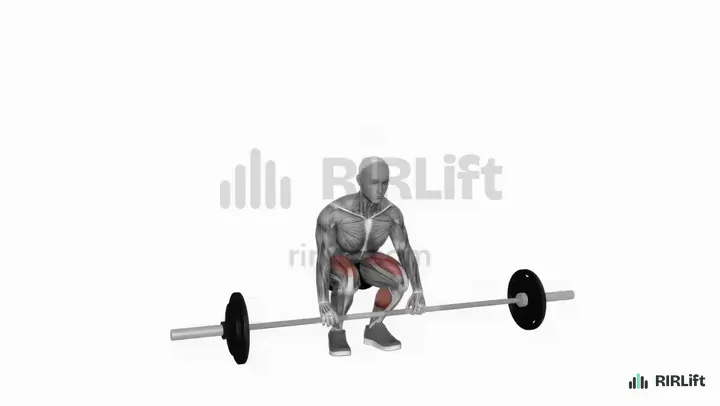
- Barbell Deadlift Glutes, Lower Back
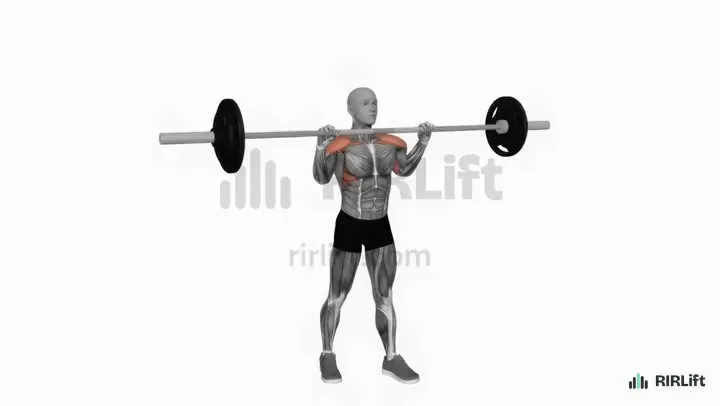
- Barbell Overhead Press Shoulders
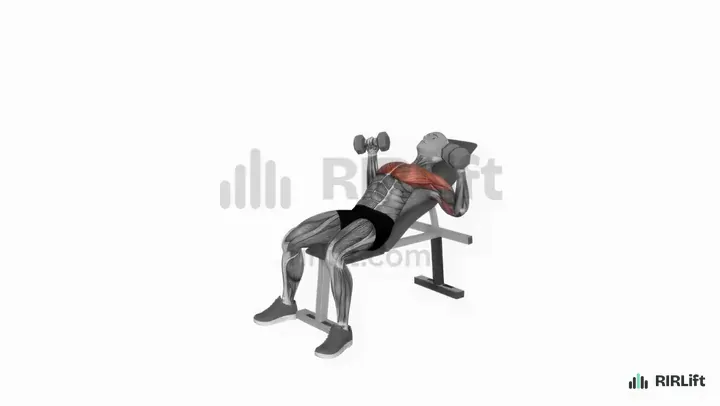
- Incline Dumbbell Press Chest
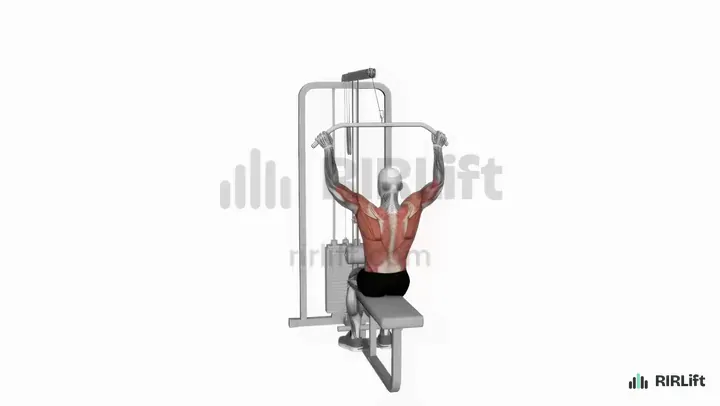
- Lat Pulldown Lats
- Leg Press Quads, Glutes
- Pull-Up Lats
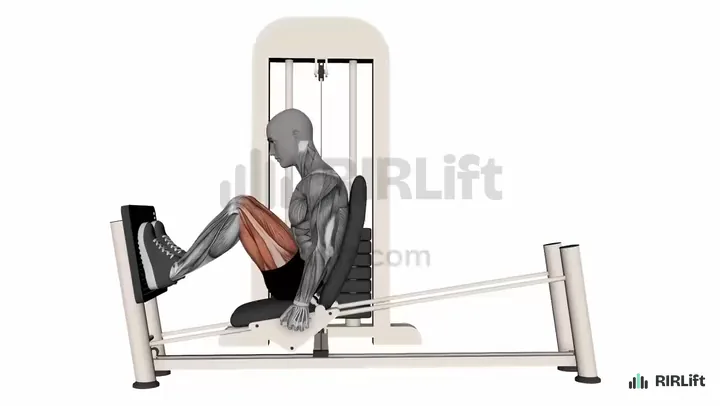
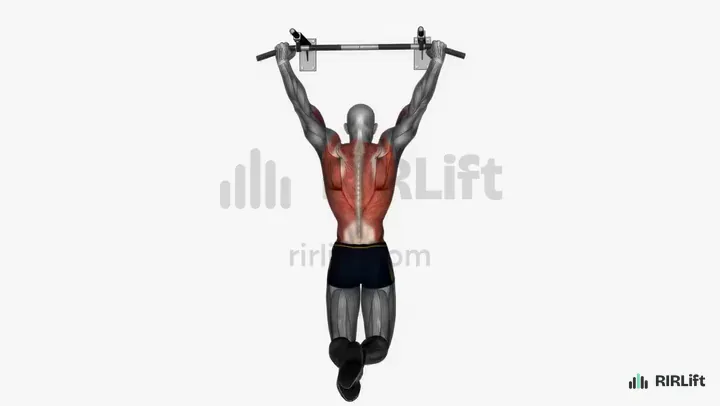
Put them together: example sessions
Each session below picks from the exercises above for one situation, with the sets, reps, rest and RIR filled in.
-
Session 1
Apartment gym: cables and dumbbells, no barbell
Your building gym has a cable tower, a pulldown and a dumbbell rack, but no rack or barbell, and you want a real upper-body day there.
2× a week · 24 sets a week · ~25 min
-
Session 2
Barbell day: deadlift and overhead press
You lift with a barbell in a rack, two or three times a week, and today is the heavy pull and the standing press.
2× a week · 18 sets a week · ~30 min
-
Session 3
Leg press day with a rower finisher
You want a leg day you can do on machines, and you like to finish with a few minutes of cardio before you leave.
1× a week · 14 sets a week · ~25 min
Session 1
Apartment gym: cables and dumbbells, no barbell
- Workouts2× a week
- Working sets24 a week
- Per workout~25 min
- EquipmentLat Pulldown, Dumbbells, Incline Bench, Cable Row +1
Your building gym has a cable tower, a pulldown and a dumbbell rack, but no rack or barbell, and you want a real upper-body day there.
Two pulls, a press and a triceps finisher, 12 working sets. Machines and dumbbells let you start right away and change weights in seconds.
| Exercise | Sets × reps | RIR | Rest |
|---|---|---|---|
| Lat Pulldown | 3 × 8–12 | 2 | 90 s |
| Incline Dumbbell Press | 3 × 8–12 | 2 | 2 min |
| Seated Cable Row | 3 × 10–12 | 2 | 90 s |
| Cable Triceps Pressdown | 3 × 10–15 | 1 | 1 min |
- How to run it
- Start the routine on the Watch. Each set comes prefilled, so most sets are one tap. Use +15 s on the rest timer when the cable needs re-pinning between exercises.
- How to progress
- Incline press with 50 lb dumbbells for 12 / 12 / 12 at 2 left tops the 8 to 12 range: next session it is the 55s for 8. Lat pulldown 140 lb for 11 / 10 / 9 against a target of 9: the weakest set hit it, so the weight holds and the target goes to 10.
Session 2
Barbell day: deadlift and overhead press
- Workouts2× a week
- Working sets18 a week
- Per workout~30 min
- EquipmentBarbells, Pull-Up Bar
You lift with a barbell in a rack, two or three times a week, and today is the heavy pull and the standing press.
One heavy hinge, one heavy press and pull-ups to balance the press. Long rests keep each barbell set heavy, which is what drives the weight up over the weeks.
| Exercise | Sets × reps | RIR | Rest |
|---|---|---|---|
| Barbell Deadlift | 3 × 3–5 | 2 | 3 min |
| Barbell Overhead Press | 3 × 5–8 | 2 | 2:30 min |
| Pull-Up | 3 × 5–8 | 2 | 2 min |
- How to run it
- Warm up with lighter sets marked as warm-ups, then log the three working sets. With Pro, the Watch shows the plates for each side, so you load the bar without the phone.
- How to progress
- Deadlift 275 lb for 5 / 5 / 5 at 2 left tops the 3 to 5 range: next time 280 lb for 3. Press 115 lb for 7 / 6 / 5 against a target of 6: the last set fell short, so the weight and the target both hold until every set reaches it.
Session 3
Leg press day with a rower finisher
- Workouts1× a week
- Working sets14 a week
- Per workout~25 min
- EquipmentLeg Press, Cable Row, Rowing Machine
You want a leg day you can do on machines, and you like to finish with a few minutes of cardio before you leave.
Heavy leg presses and a back exercise, then eight hard minutes on the rower. The lifts drive strength; the row adds conditioning without a separate trip.
| Exercise | Sets × reps | RIR | Rest |
|---|---|---|---|
| Leg Press | 3 × 10–15 | 2 | 2 min |
| Seated Cable Row | 3 × 10–12 | 2 | 90 s |
| Rowing MachineEight minutes, rated Hard. | 8 × 1 min | 2 | 0 s |
- How to run it
- Log the lifts as usual. On the rower, rate each minute on the Watch with an effort level; type the distance from the screen on your iPhone afterwards if you want it kept.
- How to progress
- Leg press 360 lb for 15 / 14 / 12 against a target of 12: the weakest set hit it, so the load holds and the target goes to 13. The session is saved as Traditional Strength Training, with the row as its own segment inside it.
Make it fit you
-
Start from RIRLift, not the Workout app
Open RIRLift on the Watch and start the routine. It records the workout and saves it as Traditional Strength Training, so you do not need a second workout running.
-
Mark your warm-ups
Log ramp-up sets as warm-ups on the Watch. They are not rated and do not count toward your next weight.
-
Save your machines
Add your gym's leg press and cable stack in RIRLift with their weight steps, so each machine keeps its own history and the next weight is one it can be set to.
-
Set rests per lift
Give the deadlift 3 minutes and the pressdown 60 seconds in the routine, then nudge with +15 s on the wrist when needed.
Questions
What is traditional strength training on Apple Watch?
The workout type for lifting weights in sets with rest: barbell, dumbbell, machine, cable and bodyweight lifts. It is the type RIRLift saves any session with a lift in it as.
Can an Apple Watch track weight training?
Yes, with a lifting app. RIRLift logs the weight, reps and reps in reserve of every set on the Watch, times your rest, and sets the next weight from what you logged.
Should I pick traditional or functional strength training for weights?
Traditional. Functional Strength Training is for sleds, battle ropes, tire flips and sandbag cleans. If you log in RIRLift, the type is chosen from what you logged.
What if I finish with cardio?
The workout stays Traditional Strength Training as long as it has a lift in it. The cardio is kept as its own segment. If you want the cardio saved as a separate run or row, finish the lifting session first and start the cardio as its own session.
Related templates
-
Functional vs traditional strength training, and which one your Apple Watch records
How the two styles differ, with a session for each.
-
Functional strength training on Apple Watch: the exercises that count, and sessions to run
The sled, rope, tire and sandbag side.
-
Machine exercises for every muscle, with sessions for where you are
More machine and cable lifts for a busy gym.
-
Double progression
The reps-then-weight rule behind the next weights above.
-
Best workout apps for Apple Watch
How lifting apps on the Watch compare.