
Warm up for rock climbing: shoulders, hips and grip in 10 minutes
Published October 24, 2026
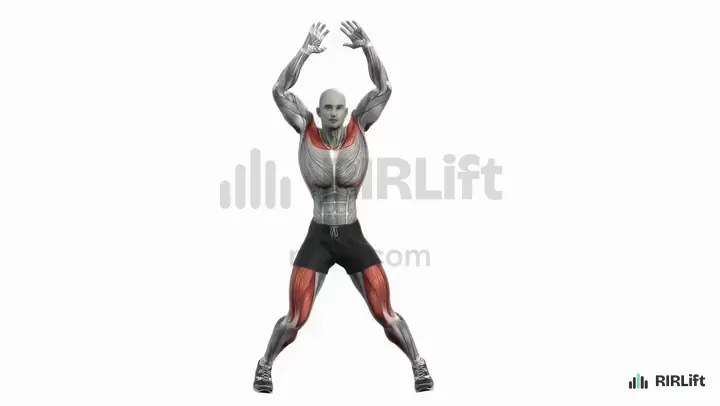
Do 2 minutes of jumping jacks, then 2 minutes of mobility: 10 arm circles each direction, 5 walkouts and 5 cossack squats per side. Prepare the shoulders with 15 band pull-aparts, 10 scapular retractions and 10 external rotations per arm, then hang from a bar for 2 sets of 10-20 seconds and do 2 easy sets of 3-5 pull-ups. Finish with 3-4 easy climbs on big holds, getting a grade harder each time, before you try anything near your limit.
- Jumping Jack Calves, Quads
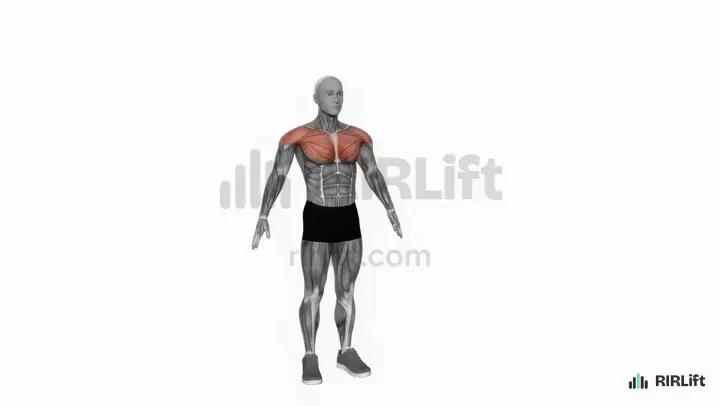
- Arm Circles Shoulders
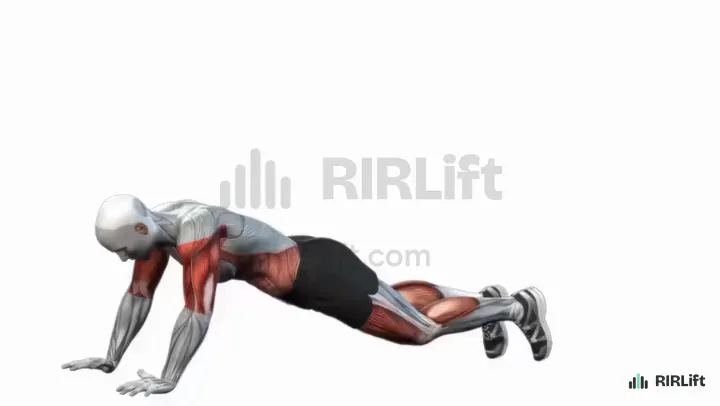
- Walkout Abs, Shoulders, Chest
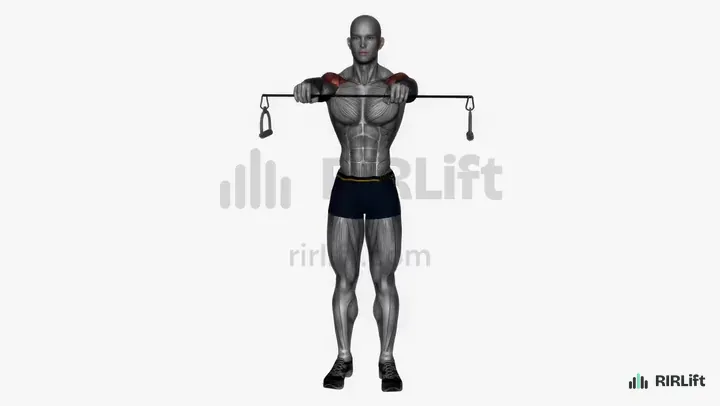
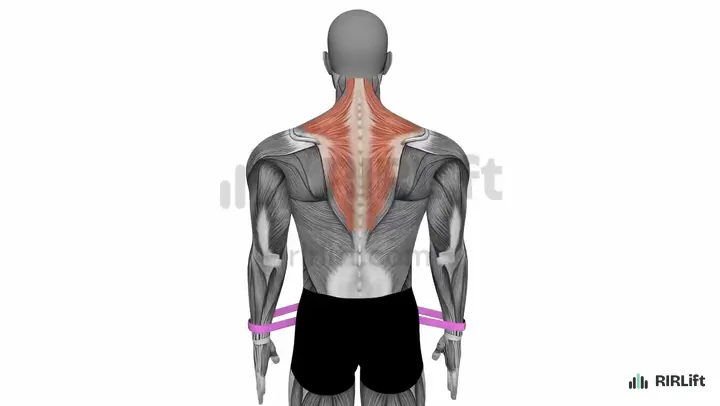
- Band Pull-Apart Shoulders, Upper Back
- Band Scapular Retraction Upper Back
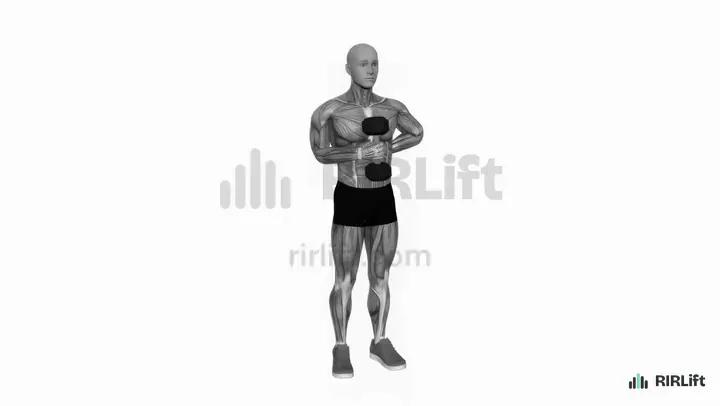
- Dumbbell External Rotation Shoulders
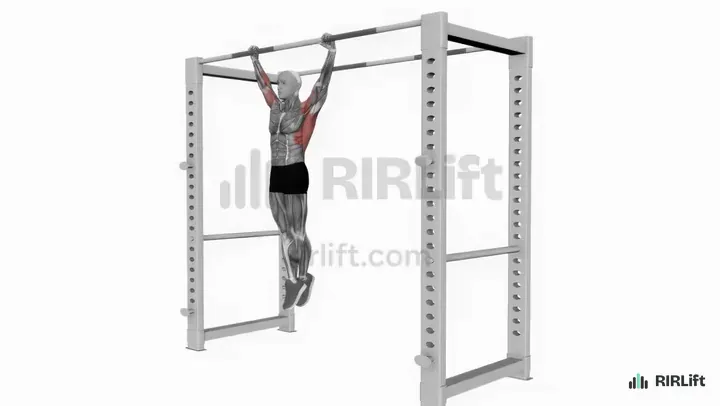
- Dead Hang Forearms
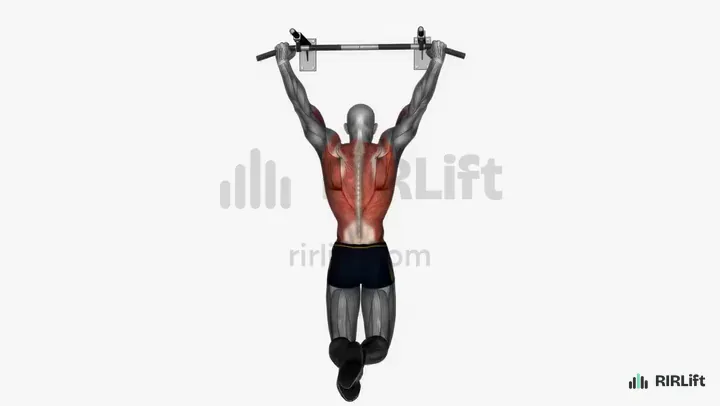
- Pull-Up Lats
Put them together: example sessions
Each session below picks from the exercises above for one situation, with the sets, reps, rest and RIR filled in. Open one in the session builder to change a pick, price it from a recent set, and add it to RIRLift.
-
Session 1
Before a bouldering session
You boulder a few times a week and want to try hard problems without a slow start.
3× a week · 30 sets a week · ~15 min
-
Session 2
Before roped climbing or outdoors
You lead or top-rope and your first route is a long one.
2× a week · 20 sets a week · ~15 min
-
Session 3
Before fingerboard or strength training
You train climbing strength on a board or with weights and want the shoulders ready.
2× a week · 22 sets a week · ~20 min
Session 1
Before a bouldering session
- Workouts3× a week
- Working sets30 a week
- Per workout~15 min
- EquipmentResistance Bands, Pull-Up Bar
You boulder a few times a week and want to try hard problems without a slow start.
Full routine with hangs and pull-ups, then easy problems that build toward your limit. Every set stays far from failure.
| Exercise | Sets × reps | RIR | Rest |
|---|---|---|---|
| Jumping JackSeconds. | 2 × 30–45 | 4 | 15 s |
| Arm CirclesEach direction. | 1 × 10 | 4 | 0 s |
| Walkout | 1 × 5 | 4 | 15 s |
| Band Pull-Apart | 1 × 15 | 3 | 15 s |
| Band Scapular Retraction | 1 × 10 | 3 | 15 s |
| Dead HangSeconds. | 2 × 10–20 | 4 | 30 s |
| Pull-Up1 warm-up set first | 2 × 3–5 | 4 | 1 min |
- How to run it
- Do it on arrival, before your first problem.
- How to progress
- When it feels easy, add one more easy problem, not more pull-ups.
Session 2
Before roped climbing or outdoors
- Workouts2× a week
- Working sets20 a week
- Per workout~15 min
- EquipmentResistance Bands, Dumbbells, Pull-Up Bar
You lead or top-rope and your first route is a long one.
More shoulder activation and the cossack squat for high steps, because long routes ask for steady shoulders more than a big pull.
| Exercise | Sets × reps | RIR | Rest |
|---|---|---|---|
| Jumping JackSeconds. | 2 × 45 | 4 | 15 s |
| Cossack SquatPer side. | 1 × 5 | 4 | 15 s |
| Arm CirclesEach direction. | 1 × 12 | 4 | 0 s |
| Band Pull-Apart | 2 × 15 | 3 | 15 s |
| Dumbbell External RotationPer arm, light. | 2 × 10–12 | 3 | 15 s |
| Plank Shoulder TapPer side. | 1 × 10 | 3 | 20 s |
| Dead HangSeconds. | 1 × 15–20 | 4 | 30 s |
- How to run it
- Do it at the crag or the gym before your first route.
- How to progress
- Make the first route one grade easier on cold days.
Session 3
Before fingerboard or strength training
- Workouts2× a week
- Working sets22 a week
- Per workout~20 min
- EquipmentResistance Bands, Dumbbells, Pull-Up Bar
You train climbing strength on a board or with weights and want the shoulders ready.
Adds weighted-ready pull-up ramp-up sets after the band work, so the session's first working sets start warm.
| Exercise | Sets × reps | RIR | Rest |
|---|---|---|---|
| Jumping JackSeconds. | 2 × 30 | 4 | 15 s |
| Walkout | 1 × 6 | 4 | 15 s |
| Band Scapular Retraction | 2 × 10 | 3 | 15 s |
| Dumbbell External RotationPer arm. | 1 × 10–12 | 3 | 15 s |
| Dead HangSeconds. | 2 × 20 | 4 | 30 s |
| Pull-Up2 warm-up sets first | 3 × 4–6 | 3 | 90 s |
- How to run it
- Do it before any hangboard or pulling session.
- How to progress
- Add a ramp-up set when your working load rises.
Make it fit you
-
No band
Do slow arm circles with your hands in fists and a set of plank shoulder taps instead.
-
No bar
Hang from the biggest jugs on an easy wall with your feet on, taking some weight off your hands.
-
Cold fingers
Do more easy climbing before small holds. Warm hands come from blood flow, and easy routes give the most.
-
Short on time
Keep jumping jacks, pull-aparts, a hang and two easy routes. That is still enough to start your first hard route warm.
-
Log your training sets
Log each pull-up or hang set with its reps in reserve in RIRLift, so the next session's load is picked from it.
Questions
How do you warm up for rock climbing?
Raise your heart rate, move the shoulders and hips, activate the shoulders with a band, hang and pull lightly, then climb a few easy routes that get gradually harder.
How long should a climbing warm-up take?
Around ten minutes off the wall, then 3-4 easy routes. Longer on cold days.
How do you prepare your body for rock climbing?
Train your pulling and grip, keep your shoulders and hips mobile, and warm up before every session with easy climbing that builds toward your limit.
Should I warm up my fingers before climbing?
Yes, with gradual load: hangs on a bar with the whole hand, then easy climbs on big holds before small edges.
Should I stretch before climbing?
Keep it moving before you climb. Longer held stretches fit better after your session.
Related templates
-
Exercises for climbing: pulling, grip, core and the muscles climbing skips
The strength program for climbers.
-
How to warm up for pull-ups: a 6-minute routine
More pull-up warm-up for training days.
-
Shoulder activation exercises: rotator cuff and upper back before you press
More band drills for steady shoulders.
-
Warm-up sets
How ramp-up sets work on your first lift.