Exercises for climbing: pulling, grip, core and the muscles climbing skips

The best exercises for climbing are pull-ups and archer pull-ups for pulling strength, dead hangs and plate pinches for grip, hanging leg raises and hollow holds for core tension, and push-ups, shoulder presses and external rotations to balance all the pulling. Add Bulgarian split squats and Cossack squats for high steps and wide stems. Lift twice a week on non-climbing days, stop sets 2 reps short of failure, and keep finger work light so your hands are fresh for the wall.

  1. Pull-Up Lats
  2. Archer Pull-Up Lats, Upper Back
  3. Dead Hang Forearms
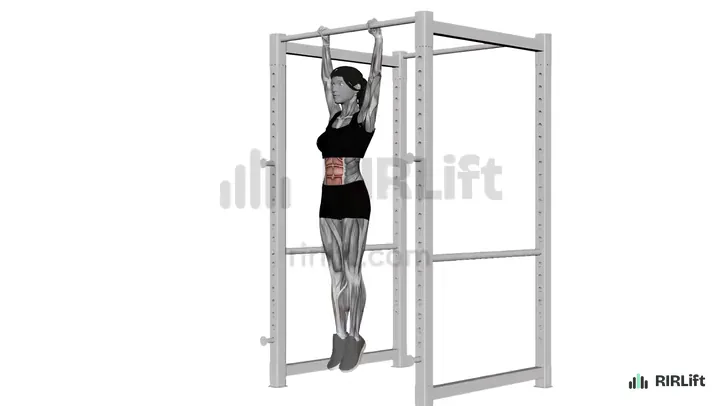
  4. Hanging Leg Raise Abs
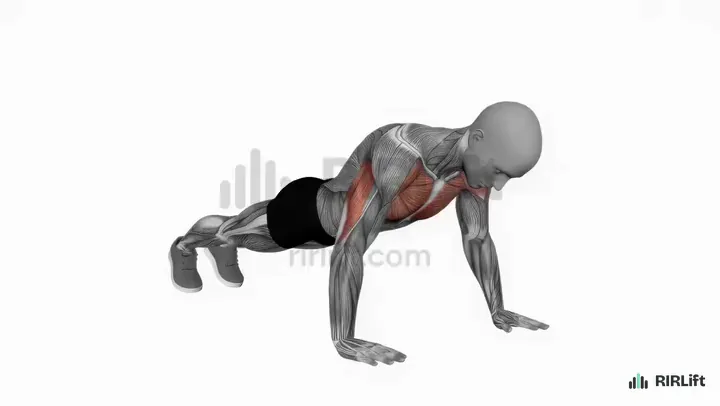
  5. Push-Up Chest
  6. Dumbbell External Rotation Shoulders
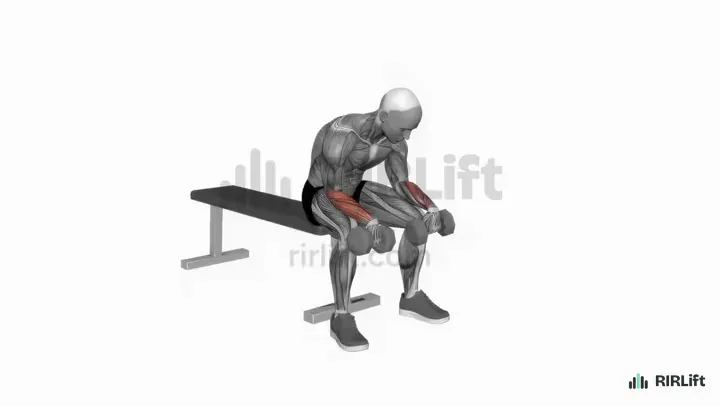
  7. Reverse Wrist Curl Forearms
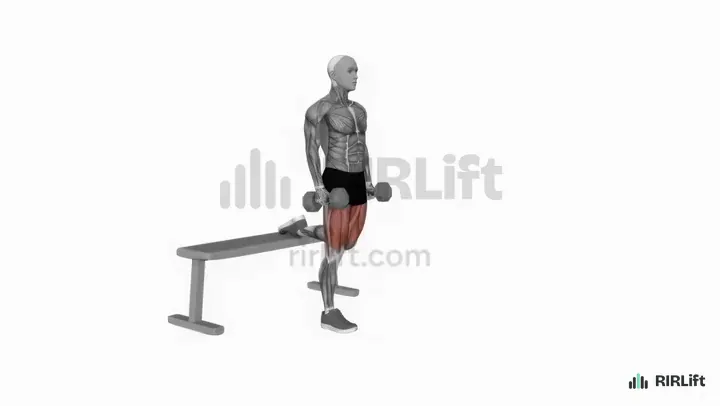
  8. Bulgarian Split Squat Quads, Glutes
Pulling strength

Vertical and one-arm pulls build the strength to move between holds; rows train the mid-back for steep terrain.

Core pulling strength

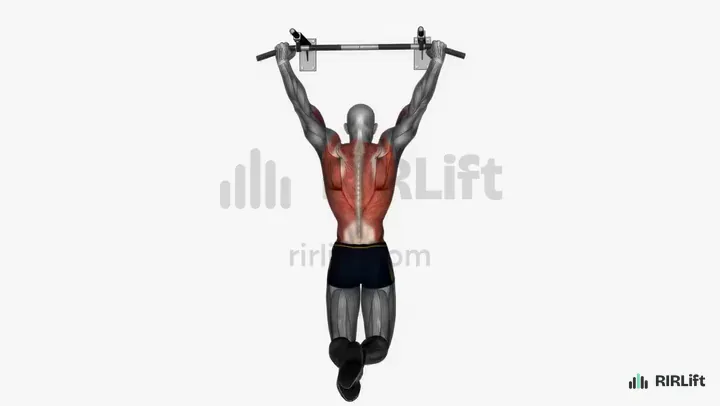
Pull-Up

Lats

Pulling your bodyweight up the wall is the most basic thing climbing asks for. Pull-ups build it directly, and once bodyweight reps get easy you can add weight and keep them in the 3 to 6 range that builds strength without much size.

How to do it

  1. Hang from the bar with an overhand grip a little wider than your shoulders.
  2. Set your shoulders down away from your ears.
  3. Pull until your chin passes the bar, keeping your legs quiet.
  4. Lower to a full hang every rep.

Cues

  • Shoulders down first
  • Drive elbows to the ribs
  • Full hang at the bottom

Common mistakes

  • Kipping to finish reps: keep the body still.
  • Stopping short of straight arms: lower fully.

Swap for: Lat Pulldown, Chin-Up, Assisted Pull-Up

Build a session with Pull-Up

One-arm pulling strength

Archer Pull-Up

Lats, Upper Back

Locking off on one arm to reach a hold is a climbing move a regular pull-up doesn't train. The archer pull-up shifts most of your weight onto one arm while the other only assists.

How to do it

  1. Grip a bar with hands very wide.
  2. Pull toward one hand while the other arm straightens out to the side.
  3. Bring your chin to the working hand.
  4. Lower under control and alternate sides.

Cues

  • Pull to one hand
  • Straight assisting arm
  • Slow lowering

Common mistakes

  • Bending the assisting arm to help more: keep it as straight as you can.
  • Rushing reps: control every one.

Swap for: Pull-Up, Single-Arm Lat Pulldown, Commando Pull-Up

Horizontal pulling

Seated Cable Row

Upper Back, Lats

Rows train the mid-back in a direction climbing uses on steep walls and roofs, and they balance the shoulder blades after lots of overhead pulling.

How to do it

  1. Sit at a cable row with feet on the platform and knees soft.
  2. Grip the handle and sit tall.
  3. Row it to your lower ribs, squeezing your shoulder blades.
  4. Reach forward to a full stretch.

Cues

  • Sit tall
  • Elbows back
  • Stretch forward

Common mistakes

  • Rocking the torso back to move the weight: keep it still.
  • Shrugging: keep shoulders low.

Swap for: One-Arm Dumbbell Row, Inverted Row, Chest-Supported Row

Grip and forearms

Climbing itself trains your fingers best. In the gym, hangs, pinches and wrist curls add volume to grip and balance the forearm.

Grip endurance and shoulder tolerance

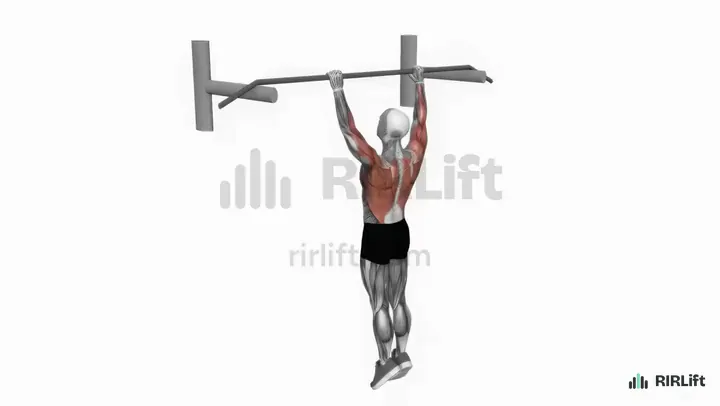
Dead Hang

Forearms

Hanging from a bar trains your fingers and forearms to hold on and gets the shoulders used to bearing your weight overhead. It's the simplest start to grip training before a hangboard.

How to do it

  1. Take a shoulder-width grip on the bar.
  2. Lift your feet and hang with arms straight.
  3. Keep the shoulders gently engaged rather than fully relaxed.
  4. Hold for the target time, then step down.

Cues

  • Active shoulders
  • Straight arms
  • Breathe

Common mistakes

  • Hanging completely loose in the shoulders: pull them slightly down.
  • Holding until your grip fails every set: stop a few seconds short.

Swap for: Farmer's Walk, Plate Pinch Deadlift, Pull-Up

Build a session with Dead Hang

Pinch grip strength

Plate Pinch Deadlift

Forearms

Pinches are common on the wall, and pinching plates together trains the thumb and finger squeeze they need.

How to do it

  1. Set out two pairs of plates, smooth sides out, one pair beside each foot.
  2. Squat down and pinch a pair in each hand.
  3. Stand up with them like a deadlift and hold at the top for a few seconds.
  4. Set them down under control.

Cues

  • Squeeze with the thumb
  • Stand tall
  • Hold at the top

Common mistakes

  • Using plates too heavy to hold: start light.
  • Letting one hand do less: if one pair slips first, use that hand's limit for both.

Swap for: Farmer's Walk, Dead Hang, Dumbbell Suitcase Carry

Forearm flexor strength

Wrist Curl

Forearms

Wrist curls add extra work for the forearm flexors that close your hand, on top of what climbing already does.

How to do it

  1. Sit holding a dumbbell or bar, palms up, forearms on your thighs.
  2. Let the wrists extend down.
  3. Curl the weight up by flexing the wrists.
  4. Lower slowly.

Cues

  • Full range
  • Slow lowering
  • Forearms still

Common mistakes

  • Bouncing reps: control each one.
  • Lifting the forearms: keep them down.

Swap for: Kettlebell Wrist Curl, Farmer's Walk, Dead Hang

Forearm extensor balance

Reverse Wrist Curl

Forearms

Crimping and gripping train the muscles on the palm side of your forearm hard. Reverse wrist curls train the back of the forearm to keep things balanced.

How to do it

  1. Sit holding a light dumbbell or bar, palms down, forearms on your thighs.
  2. Let your wrists bend down.
  3. Lift the backs of your hands toward the ceiling.
  4. Lower slowly.

Cues

  • Light weight
  • Slow reps
  • Forearms stay down

Common mistakes

  • Going heavy: these need very light weight.
  • Lifting the forearms off the thighs: keep them planted.

Swap for: Cable Wrist Extension, Kettlebell Wrist Extension, Reverse Curl

Core tension

Steep climbing is a core exercise. Leg raises and hollow holds build the tension that keeps your feet on.

Core tension for steep climbing

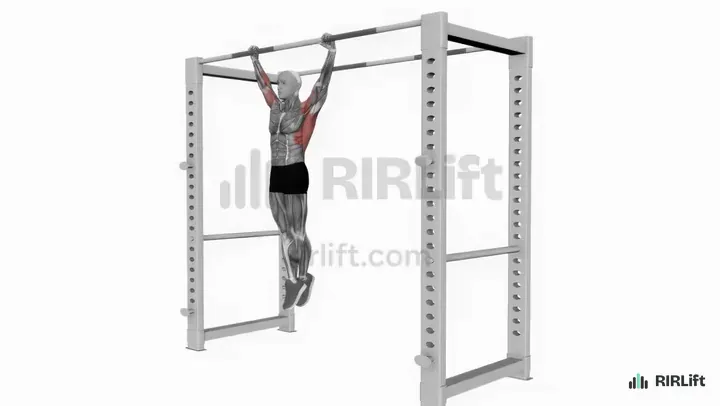
Hanging Leg Raise

Abs

Keeping your feet on the wall on overhangs takes strong abs and hip flexors. Hanging leg raises train them while you hang, just like on the wall.

How to do it

  1. Hang from a bar with straight arms.
  2. Lift your straight legs toward the bar.
  3. Curl your pelvis up at the top.
  4. Lower slowly without swinging.

Cues

  • Legs straight
  • Curl the pelvis
  • Slow down

Common mistakes

  • Swinging up: pause between reps.
  • Bending knees to cheat: bend only if you need the easier version.

Swap for: Hanging Knee Raise, Captain's Chair Knee Raise, Reverse Crunch

Body tension

Plate Hollow Hold

Abs

A hollow hold teaches the whole front of your body to stay tight, the same tension that keeps your feet on small holds.

How to do it

  1. Lie on your back holding a light plate over your chest with straight arms.
  2. Lift your shoulders and legs off the floor.
  3. Press your lower back into the floor.
  4. Hold for time.

Cues

  • Low back down
  • Long body
  • Breathe

Common mistakes

  • Letting the low back arch: raise the legs higher.
  • Holding your breath: breathe steadily.

Swap for: Dead Bug, Plank, Landmine Hollow Hold

Antagonist push and shoulders

Pushing and rotator cuff work balance all the pulling. These are the exercises climbers skip most and need often.

Antagonist push

Push-Up

Chest

Climbing is almost all pulling. Push-ups train the chest and triceps that push the other way, which keeps your shoulders balanced and helps mantles.

How to do it

  1. Hands a bit wider than your shoulders, body in a line.
  2. Sink until the chest is an inch off the floor.
  3. Push up and spread the shoulder blades at the top.
  4. Keep the hips level.

Cues

  • Body like a plank
  • Elbows at 45 degrees
  • Push the floor

Common mistakes

  • Hips sagging: tighten glutes.
  • Half reps: lower fully.

Swap for: Push-Up Plus, Floor Press, Flat Dumbbell Press

Build a session with Push-Up

Overhead antagonist strength

Dumbbell Shoulder Press

Shoulders

Pressing overhead works the opposite direction from pulling down on holds. It also helps on mantles and press-outs.

How to do it

  1. Sit or stand holding dumbbells at shoulder height.
  2. Brace and press them overhead until your arms are straight.
  3. Keep your ribs down.
  4. Lower to the shoulders.

Cues

  • Ribs down
  • Press straight up
  • Control the way down

Common mistakes

  • Leaning back: brace harder or sit.
  • Partial range: lower to the shoulders.

Swap for: Landmine Press, Arnold Press, Pike Push-Up

Rotator cuff for shoulder balance

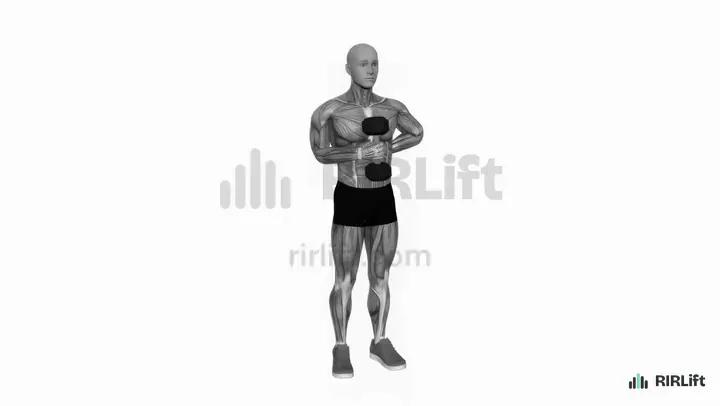
Dumbbell External Rotation

Shoulders

Lots of pulling can leave the back of the shoulder weak relative to the front. External rotations strengthen the small muscles there with very light weight.

How to do it

  1. Stand with a light dumbbell in one hand, elbow bent to 90 degrees against your side.
  2. Start with the forearm across your stomach.
  3. Rotate the forearm out while keeping the elbow on your side.
  4. Return slowly.

Cues

  • Elbow pinned
  • Light weight
  • Slow

Common mistakes

  • Elbow lifting off the side: go lighter.
  • Fast reps: control each one.

Swap for: Dumbbell Lying External Rotation, Face Pull, Band Face Pull

Legs and hips

Strong single legs and mobile hips help with high steps, rockovers and wide stems.

Leg strength for high steps

Bulgarian Split Squat

Quads, Glutes
Climbers often skip legs, but high steps and rockovers on one leg need strength. Split squats train each leg alone.

How to do it

  1. Put the back foot on a bench and step the front foot forward.
  2. Lower until the back knee nearly touches the floor.
  3. Drive up through the front foot.
  4. Finish a side, then switch.

Cues

  • Front foot flat
  • Straight down
  • Push through the heel

Common mistakes

  • Front heel lifting: step further out.
  • Bouncing: pause at the bottom.

Swap for: Pistol Squat, Step-Up, Reverse Lunge

Hip mobility and strength in wide positions

Cossack Squat

Quads, Adductors

Wide stems and drop-knees need hips that are strong in deep, wide positions. The Cossack squat trains strength through that range.

How to do it

  1. Stand in a very wide stance with toes slightly out.
  2. Shift onto one leg and sit deep while the other leg straightens.
  3. Keep the heel of the bent leg down.
  4. Push back to the middle and switch sides.

Cues

  • Sit deep
  • Heel down
  • Straight trail leg

Common mistakes

  • Rising onto the toes of the bent leg: go only as deep as you can with the heel down.
  • Rounding forward: hold a light weight in front as a counterbalance.

Swap for: Dumbbell Lateral Lunge, Kettlebell Lateral Lunge, Sumo Squat

Put them together: example sessions

Each session below picks from the exercises above for one situation, with the sets, reps, rest and RIR filled in. Open one in the session builder to change a pick, price it from a recent set, and add it to RIRLift.

Session 1

Two gym days next to regular climbing

Open in the session builder
  • Workouts2× a week
  • Working sets30 a week
  • Per workout~35 min
  • EquipmentPull-Up Bar, Cable Row, Dumbbells, Barbells

You climb or boulder two or three times a week and want gym strength without hurting your climbing.

Climbing already trains the fingers and pulling muscles hard, so Gym A keeps pulling heavy but short and Gym B is mostly antagonist, shoulders and legs. Sets stop 2 reps short of failure, and finger-heavy work stays light so the forearms are fresh for the wall. Each session takes about 45 minutes.

Gym A
ExerciseSets × repsRIRRest
Pull-Up1 warm-up set firstAdd weight when 8 reps is easy. 4 × 3–6 2 2:30 min
Seated Cable Row 3 × 8–10 2 90 s
Hanging Leg Raise 3 × 6–10 2 1 min
Dead HangSeconds. 3 × 10–20 3 90 s
Reverse Wrist Curl 2 × 15–20 2 45 s

Open Gym A in the session builder

Gym B
ExerciseSets × repsRIRRest
Push-Up 3 × 8–15 2 75 s
Dumbbell Shoulder Press 3 × 6–10 2 90 s
Dumbbell External RotationPer arm. 2 × 12–15 2 45 s
Bulgarian Split SquatPer leg. 3 × 6–10 2 90 s
Cossack SquatPer side. 2 × 6–8 2 1 min
Plate Hollow HoldSeconds. 2 × 20–30 2 45 s

Open Gym B in the session builder

How to run it
Do the gym sessions on non-climbing days or after an easy climbing session. Never do Gym A right before a hard bouldering day.
How to progress
Add weight to pull-ups once you reach 8 clean reps at 2 RIR. Progress hangs by adding seconds, not by going to failure.

Session 2

New to climbing, building a base

Open in the session builder
  • Workouts1× a week
  • Working sets15 a week
  • Per workout~35 min
  • EquipmentPull-Up Bar, Cable Row, Dumbbells, Barbells

You started climbing in the last year and want to get stronger off the wall.

Beginners improve fastest on the wall itself, so this single gym session is about general strength and balance rather than finger training. Rep ranges are 6 to 12, and every set stops 3 reps short of failure. Hangs stay short, since your tendons need time to catch up with your muscles.

Full Body
ExerciseSets × repsRIRRest
Pull-UpUse a band if needed. 3 × 3–8 3 2 min
Push-Up 3 × 8–12 3 1 min
Seated Cable Row 3 × 8–12 3 75 s
Bulgarian Split SquatPer leg. 2 × 8–10 3 75 s
Plate Hollow HoldSeconds. 2 × 15–20 3 45 s
Dead HangSeconds. 2 × 10 3 90 s
How to run it
Do it once a week on a rest day from climbing. Add a second day after a few months if you are recovering well.
How to progress
When every set hits the top of its range at 3 reps in reserve, add a little weight or reps. Move to the two-day plan once you can do 8 pull-ups.

Session 3

Climbing four or more days, antagonist focus

Open in the session builder
  • Workouts2× a week
  • Working sets28 a week
  • Per workout~30 min
  • EquipmentDumbbells

You climb a lot, pulling volume is already high, and your shoulders feel tight and rounded.

This plan adds no pulling at all: climbing already supplies plenty. One short session of pushing, rotator cuff, wrist extensor and leg work balances what the wall overdoes. Everything stops 2 reps short of failure and takes about 30 minutes, so it fits next to a heavy climbing week.

Antagonist
ExerciseSets × repsRIRRest
Push-Up 3 × 10–20 2 1 min
Dumbbell Shoulder Press 3 × 8–12 2 75 s
Dumbbell External RotationPer arm. 3 × 12–15 2 45 s
Reverse Wrist Curl 3 × 15–20 2 45 s
Cossack SquatPer side. 2 × 6–8 2 1 min
How to run it
Do it once or twice a week, after an easy climbing session or on a rest day.
How to progress
Add reps to push-ups and presses first, then load. Keep external rotations and wrist work light and slow.

Make it fit you

Questions

undefined

undefined

undefined

undefined

undefined

undefined