Apple Watch football workout: weight room plans you log on your wrist

Apple's Workout app has a Football type that covers American and Australian football. The weight room is a different session: run it in RIRLift on the Watch, log the weight, reps and reps left for every set, and it is saved to Apple Health as Traditional Strength Training. Below are plans for a summer off-season, a game week, and a crowded high school weight room.

  1. Power Clean Glutes, Hamstrings, Traps
  2. Barbell Back Squat Quads, Glutes, Adductors
  3. Trap Bar Deadlift Quads, Glutes
  4. Barbell Bench Press Chest
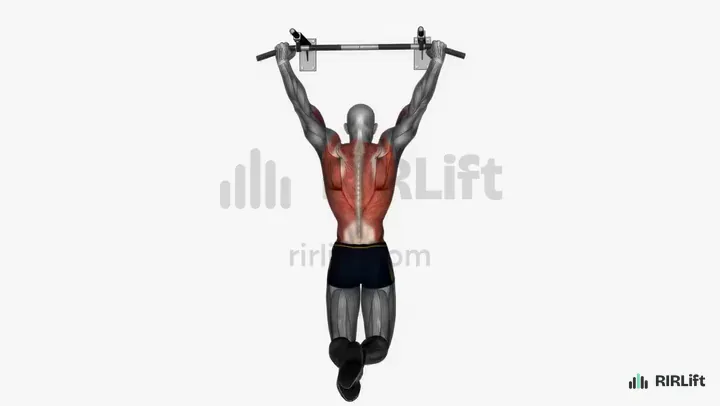
  5. Pull-Up Lats
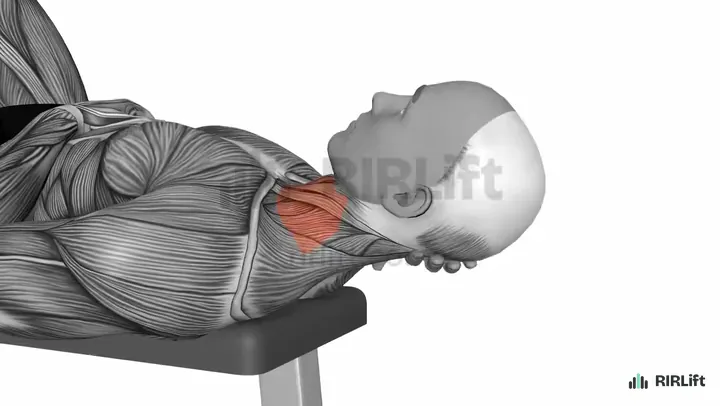
  6. Lying Neck Curl Neck
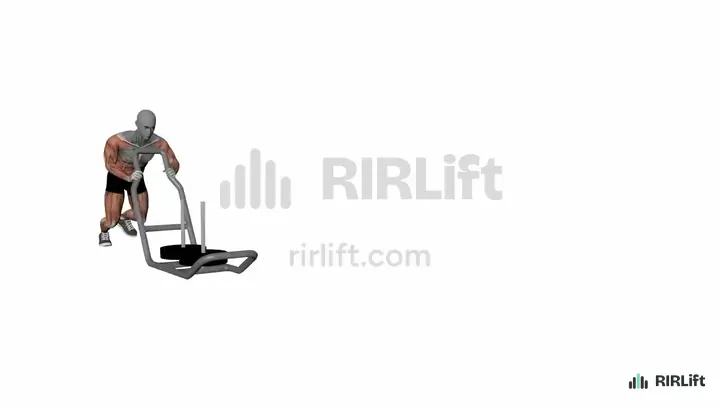
  7. Sled Push Quads, Glutes

Power

Fast lifts first in the session, low reps, and the bar moving quickly on every one. Stop the set when the speed drops.

Explosive hip extension

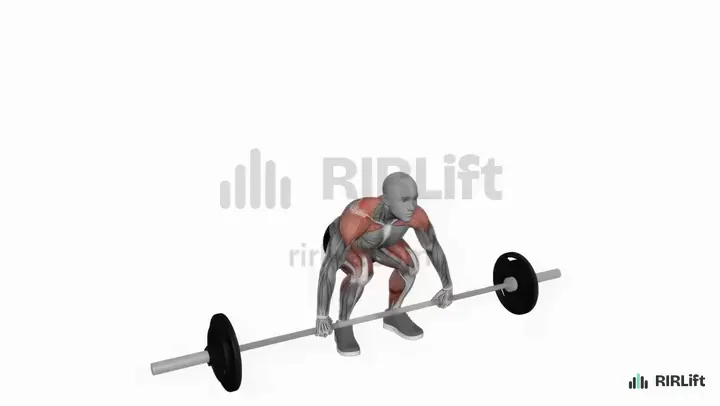
Power Clean

Glutes, Hamstrings, Traps

The bar goes from the floor to your shoulders in one move. Two or three reps a set, warmed up first, logged on the Watch like any lift.

How to do it

  1. Set up with the bar over your midfoot, hands just outside your shins, hips higher than your knees and chest proud.
  2. Push the bar off the floor slowly until it passes your knees, with the bar brushing your legs.
  3. Once it reaches mid-thigh, jump hard, shrug, and pull yourself under the bar.
  4. Catch it on the front of your shoulders with elbows high and knees bent in a quarter squat, then stand up.

Cues

  • Slow off the floor, fast past the knees
  • Jump, then get under
  • Elbows whip through

Common mistakes

  • Pulling with the arms before the hips finish: let the jump move the bar, the arms only guide it.
  • Catching with elbows down and the bar on your hands: drop the weight and drill the fast elbow turnover.

Swap for: Hang Clean, Kettlebell Swing

Jumping power

Box Jump

Quads, Glutes, Hamstrings

A few jumps before squats or deadlifts wake the legs up. Log the reps and step down every time.

How to do it

  1. Stand an arm's length from a sturdy box with feet hip-width apart.
  2. Swing your arms back and dip into a quarter squat.
  3. Throw your arms forward and jump, pulling your knees up to land on the box.
  4. Land quietly in the same quarter squat, stand tall, then step down one foot at a time.

Cues

  • Land as high as you took off
  • Quiet feet
  • Step down, never jump down

Common mistakes

  • Picking a box so tall you land in a deep squat: lower it until you land in the position you jumped from.
  • Rushing reps: reset fully between jumps so every one is a max effort.

Swap for: Jump Squat, Single-Leg Box Jump

Drive and leg speed

Sled Push

Quads, Glutes

A short, heavy push that looks like the first steps of a block. Each push is a timed set; start it from the Watch.

How to do it

  1. Load the sled and grip the low handles with your arms straight or slightly bent.
  2. Lean in until your body forms a straight line from head to back heel.
  3. Drive with short, powerful steps, pushing through the balls of your feet.
  4. Keep your hips low and push for the full distance.

Cues

  • Body like a ramp
  • Short, hard steps
  • Arms stay locked

Common mistakes

  • Standing up tall as you tire: keep the lean so your legs do the work.
  • Overloading so you shuffle: pick a load you can drive with real steps.

Swap for: Sled Pull, Farmer's Walk

Lower body strength

A squat, a deadlift and single-leg work for the legs that drive off the line. The heaviest sets of the week live here.

Main leg strength

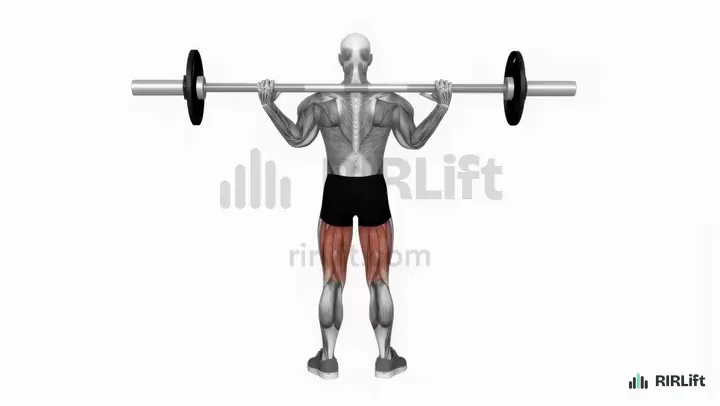
Barbell Back Squat

Quads, Glutes, Adductors

The core lift for the off-season legs. Log each set on the Watch as you rack the bar, and the next weight comes from what you did.

How to do it

  1. Set the bar across your upper back, grip it firmly, and step out with feet about shoulder-width apart.
  2. Take a big breath into your belly and brace.
  3. Sit down between your heels until your thighs are at least parallel to the floor.
  4. Drive up, keeping your chest and hips rising together.

Cues

  • Brace before every rep
  • Knees track over toes
  • Stand up fast

Common mistakes

  • Cutting depth as the weight rises: keep the same depth and load what you can hit there.
  • Folding forward out of the bottom: keep the chest up and drive your upper back into the bar.

Swap for: Front Squat, Goblet Squat

Heavy pull from the floor

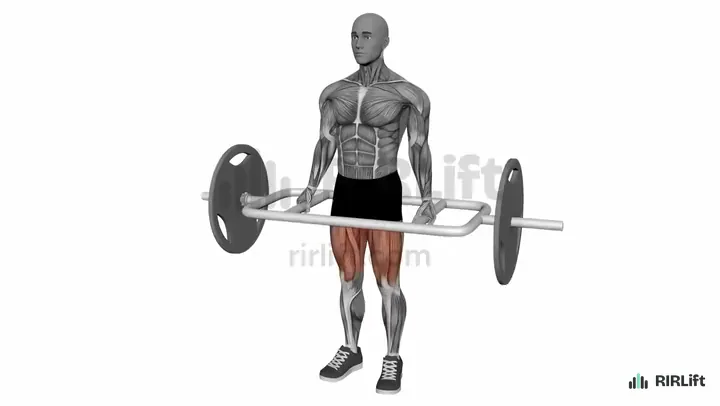
Trap Bar Deadlift

Quads, Glutes

The deadlift that is easiest to learn and to load in season. The handles keep your back more upright than a straight bar.

How to do it

  1. Step into the middle of the bar with feet hip-width apart and grab the handles.
  2. Sit your hips down until your shins angle slightly forward and your back is flat.
  3. Push the floor away, standing up until your hips and knees lock out together.
  4. Lower by reversing the motion, keeping the bar centered under you.

Cues

  • Push the floor away
  • Chest up, back flat
  • Hips and shoulders rise together

Common mistakes

  • Letting your hips shoot up first: push with the legs so the chest and hips rise at the same rate.
  • Leaning back at the top: finish tall with glutes squeezed, no extra lean.

Swap for: Barbell Deadlift, Romanian Deadlift

Learning the squat

Goblet Squat

Quads, Glutes

The first squat for a player new to the weight room. One dumbbell at the chest teaches depth and an upright torso before the bar.

How to do it

  1. Cup the top end of one dumbbell in both hands and hold it upright at your chest.
  2. Set your feet a bit wider than your hips, toes turned slightly out.
  3. Sit down between your heels until your elbows brush the insides of your knees.
  4. Stand up by pushing the floor away, chest staying tall.

Cues

  • Elbows inside the knees
  • Chest proud the whole way

Common mistakes

  • Letting the heels lift at the bottom: widen your stance or squat to a depth your ankles allow.

Swap for: Dumbbell Front Squat, Front Squat, Leg Press

Single-leg strength

Bulgarian Split Squat

Quads, Glutes

One leg at a time, the way you push off. Log the reps for one leg and keep both sides even.

How to do it

  1. Stand about two feet ahead of a bench and place the top of your back foot on it.
  2. Hold one dumbbell per hand at your sides.
  3. Lower straight down until your back knee nearly touches the floor.
  4. Push through the whole front foot to stand back up. Finish all reps, then switch legs.

Cues

  • Torso tall, slight lean is fine
  • Front heel stays down
  • Drop straight down

Common mistakes

  • Setting the front foot too close so the heel lifts: move it forward until your whole foot stays flat.
  • Bouncing off the back knee: stop just short of the floor and control it.

Swap for: Dumbbell Split Squat, Step-Up

Hamstrings for sprinting

Nordic Hamstring Curl

Hamstrings

Few reps, lowered slowly. Fast players need hamstrings that can take the speed.

How to do it

  1. Kneel on a pad with a partner holding your ankles down firmly.
  2. Keep your hips straight so your body is a line from knees to head.
  3. Lower your body toward the floor as slowly as you can, resisting with your hamstrings.
  4. Catch yourself with your hands, push lightly back up, and repeat.

Cues

  • Hips stay locked straight
  • Fight the fall the whole way
  • Hands only catch at the bottom

Common mistakes

  • Bending at the hips to shorten the lever: keep your hips extended even if you lower less far.
  • Doing too many reps early: start with a few slow lowers and build up over weeks.

Swap for: Glute Ham Raise, Lying Leg Curl

Upper body strength

Pressing to strike and shed blocks, pulling to balance it, and a heavy carry for grip.

Pressing strength

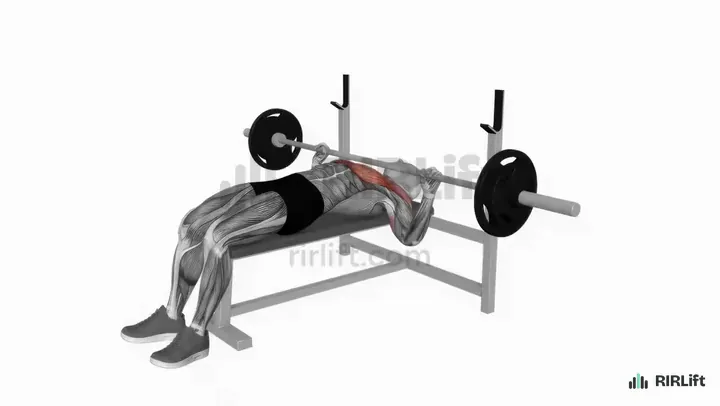
Barbell Bench Press

Chest

The main upper-body press for linemen and skill players alike. Log the bar and the reps; the Watch shows the next set's weight.

How to do it

  1. Lie on the bench with eyes under the bar, feet planted, and shoulder blades pulled together.
  2. Grip a bit outside shoulder width and unrack the bar over your shoulders.
  3. Lower it to your lower chest with elbows angled about 45 degrees from your body.
  4. Press back up to straight arms over your shoulders.

Cues

  • Shoulder blades pinned
  • Touch, then drive
  • Feet push the floor

Common mistakes

  • Flaring the elbows straight out: tuck them slightly to keep the shoulders comfortable.
  • Bouncing the bar off the chest: touch lightly, then press.

Swap for: Flat Dumbbell Press, Push-Up

Pressing with a leg drive

Dumbbell Push Press

Shoulders

A dip and drive with dumbbells, closer to how you strike than a seated press. Log the weight in one hand.

How to do it

  1. Stand with a dumbbell at each shoulder, palms facing in, feet hip-width.
  2. Dip a few inches by bending your knees, keeping your torso upright.
  3. Drive up through your legs and press the dumbbells straight overhead in one motion.
  4. Lower them back to your shoulders under control and reset before the next dip.

Cues

  • Short dip, hard drive
  • Lock out over your ears
  • Ribs stay down

Common mistakes

  • Dipping too deep and turning it into a squat: a quick quarter dip is all you need.
  • Arching your back to finish: brace your abs and squeeze your glutes at lockout.

Swap for: Dumbbell Shoulder Press, Landmine Press

Back and grip

Pull-Up

Lats

Pulling balances the bench. Log the reps, and the added weight once you wear a belt.

How to do it

  1. Hang from a bar with an overhand grip a little wider than shoulder-width.
  2. Pull your shoulder blades down to start the pull.
  3. Drive your elbows toward your ribs until your chin clears the bar.
  4. Lower all the way to straight arms.

Cues

  • Shoulders down first
  • Chest to the bar
  • Full hang every rep

Common mistakes

  • Kicking or swinging to finish reps: stop the set when you need momentum.
  • Half reps at the bottom: lower until your arms are straight.

Swap for: Lat Pulldown, Chin-Up

Upper back strength

Barbell Row

Upper Back, Lats

The heavy pull for the upper back. Keep the torso still so the back does the work.

How to do it

  1. Hinge forward with the bar in an overhand grip, torso about 45 degrees or lower, back flat.
  2. Let the bar hang under your shoulders with straight arms.
  3. Pull it to your lower ribs, driving your elbows back.
  4. Lower it under control without standing up.

Cues

  • Torso angle stays fixed
  • Elbows back, not up
  • Pause at the ribs

Common mistakes

  • Standing up more each rep: lighten the bar and keep your torso still.
  • Jerking the weight with your hips: the back pulls, the legs only hold position.

Swap for: One-Arm Dumbbell Row, T-Bar Row

Grip and trunk

Farmer's Walk

Forearms, Traps, Shoulders

Heavy dumbbells carried for a set distance. Log the weight in one hand and one walk as one rep.

How to do it

  1. Pick up a heavy dumbbell per hand from the floor with a flat back.
  2. Stand tall with shoulders pulled down and back.
  3. Walk with short, quick steps for the set distance or time.
  4. Set the weights down with control by squatting, not bending over.

Cues

  • Tall and tight
  • Crush the handles
  • Short, quick steps

Common mistakes

  • Leaning to one side: keep both weights equal and your shoulders level.
  • Letting the shoulders round forward: pull them back before you take the first step.

Swap for: Dumbbell Suitcase Carry, Trap Bar Deadlift

Neck and traps

Light, controlled sets for the muscles that take contact. They take five minutes at the end of an upper day.

Traps

Dumbbell Shrug

Traps

Short, heavy holds at the top build the traps around the neck.

How to do it

  1. Stand tall with a heavy dumbbell per hand at your sides.
  2. Lift your shoulders straight up toward your ears.
  3. Hold the top for a full second.
  4. Lower slowly to a full stretch.

Cues

  • Straight up and down
  • Hold at the top
  • Arms stay long

Common mistakes

  • Rolling the shoulders: lift and lower only.
  • Bending the elbows to help: keep the arms straight and let the traps work.

Swap for: Barbell Shrug, Trap Bar Shrug

Front of the neck

Lying Neck Curl

Neck

A light plate on your forehead, slow reps, never to failure. Log the plate's weight.

How to do it

  1. Lie on your back on a bench with your head and neck off the end.
  2. Lower your head back slowly until it is just below the bench.
  3. Curl your chin toward your chest.
  4. Lower again under control.

Cues

  • Chin to chest
  • Slow and smooth
  • Body weight first

Common mistakes

  • Jerking the head up: move slowly.
  • Adding a plate too soon: get comfortable with high reps of your head's weight first.

Swap for: Lying Neck Extension, Plate Hollow Hold, Dead Bug

Back of the neck

Lying Neck Extension

Neck

Face down off a bench with a light plate behind your head. Slow, controlled, and the same reps as the curl.

How to do it

  1. Lie on your front on the floor, propped up on your forearms with your legs straight.
  2. Let your chin drop slowly toward your chest.
  3. Lift your head until your face looks forward and your neck lines up with your back.
  4. Pause, then lower slowly again.

Cues

  • Slow both ways
  • Forearms stay planted
  • Stop at neutral

Common mistakes

  • Throwing your head back past neutral: stop when it lines up with your back.
  • Rushing the reps: neck work is slow, high reps.

Swap for: Lying Neck Curl, Dumbbell Shrug, Face Pull

Put them together: example sessions

Each session below picks from the exercises above for one situation, with the sets, reps, rest and RIR filled in.

Session 1

Summer off-season: four days, upper and lower

  • Workouts4× a week
  • Working sets61 a week
  • Per workout~45 min
  • EquipmentBarbells, Dumbbells, Flat Bench, Plyo Box +3

Camp is two to three months out, you lift four days a week, and you want every lift heavier when pads come on.

Two lower days and two upper days. The lower days open with power cleans or box jumps; the upper days end with neck work. 14 to 16 working sets a day, with 2 to 3 minutes of rest on the heavy barbell sets.

Lower A: Clean and squat
ExerciseSets × repsRIRRest
Power Clean2 warm-up sets first 4 × 2–3 2 2:30 min
Barbell Back Squat2 warm-up sets first 4 × 4–6 2 3 min
Bulgarian Split SquatPer leg. 3 × 6–8 2 2 min
Nordic Hamstring Curl 3 × 3–6 1 2 min
Farmer's WalkWalk 30 yards. 2 × 1 2 90 s
Upper A: Bench and row
ExerciseSets × repsRIRRest
Barbell Bench Press2 warm-up sets first 4 × 4–6 2 3 min
Barbell Row 4 × 6–8 2 2 min
Dumbbell Push Press 3 × 6–8 2 2 min
Dumbbell Shrug 3 × 8–12 1 1 min
Lying Neck Curl 2 × 12–15 3 1 min
Lower B: Jump and deadlift
ExerciseSets × repsRIRRest
Box JumpStep down. 3 × 3–5 3 90 s
Trap Bar Deadlift2 warm-up sets first 4 × 3–5 2 3 min
Goblet Squat 3 × 8–12 2 90 s
Sled PushOne 20-yard push. 5 × 15 s 2 2 min
Upper B: Pull-up and press
ExerciseSets × repsRIRRest
Pull-Up 4 × 5–8 2 2 min
Barbell Bench Press 3 × 8–10 2 2 min
Barbell Row 3 × 8–10 2 90 s
Farmer's WalkWalk 30 yards. 2 × 1 2 90 s
Lying Neck Extension 2 × 12–15 3 1 min
How to run it
Monday lower A, Tuesday upper A, Thursday lower B, Friday upper B. Import it, switch to it in My Programs, and its routines show up on the Watch ready to start. Warm up on the bar before the first working set.
How to progress
Double progression, judged on your weakest set. Back squat at 275 lb for 4 to 6: log 6, 6, 6, 6 and every set is at the top, so the next session opens at 280 lb for 4. Within a session, sets move too: bench at 205 lb with a target of 5 and 2 in reserve, you log 5 with 4 left, and the next set goes up to 215 lb (205 × 38 ÷ 36 is about 216, rounded to what you can load). A set never climbs more than one step past your heaviest bench, so if 205 lb is your best, it goes to 210.

Session 2

Friday night games: Monday and Wednesday lifts

  • Workouts2× a week
  • Working sets22 a week
  • Per workout~30 min
  • EquipmentTrap Bar, Barbells, Flat Bench, Pull-Up Bar +2

You play on Friday, practice every afternoon, and the coaches want you lifting twice a week through the season.

Monday is the heavier day, three days after the game and four before the next one: a deadlift, the bench and pull-ups for 13 working sets. Wednesday is short and fast, 9 working sets, and nothing goes near failure two days before kickoff.

Monday: Strength
ExerciseSets × repsRIRRest
Trap Bar Deadlift2 warm-up sets first 3 × 3–5 2 3 min
Barbell Bench Press1 warm-up set first 3 × 4–6 2 2:30 min
Pull-Up 3 × 5–8 2 2 min
Dumbbell Shrug 2 × 10–12 2 1 min
Lying Neck Curl 2 × 12–15 3 1 min
Wednesday: Fast and short
ExerciseSets × repsRIRRest
Box JumpStep down. 3 × 3 3 90 s
Dumbbell Push Press 2 × 5–6 3 2 min
Farmer's WalkWalk 30 yards. 2 × 1 3 90 s
Lying Neck Extension 2 × 12–15 3 1 min
How to run it
Lift Monday and Wednesday before or after practice, as your coaches schedule it. Import it, switch to it in My Programs, and its routines show up on the Watch ready to start. If Friday is a road game with a long bus ride, skip Wednesday's push press and keep the rest.
How to progress
In season the goal is to hold your summer numbers. Trap-bar deadlift at 315 lb with a target of 4: you log 5, 5, 4, the weakest set hit 4, so the bar stays and the target becomes 5. If a heavy game leaves you at 3, 3, 3, that is still inside 3 to 5 and the bar holds. Only three sessions in a row without a new rep bring an offer to drop it about 10%.

Session 3

High school weight room: one rack for three players

  • Workouts3× a week
  • Working sets38 a week
  • Per workout~25 min
  • EquipmentDumbbells, Pull-Up Bar, Barbells, Flat Bench +1

You are new to lifting, the team lifts together, and three of you share one rack for the hour.

Most lifts come in pairs: do your set, step aside for your partner, and do the second exercise while they lift. The bench runs on its own, in turns. Two full-body days alternate, 13 and 12 working sets, all at 2 or 3 reps in reserve while you learn the movements.

Day A: Squat and bench
ExerciseSets × repsRIRRest
A1 Goblet Squat 3 × 10–15 2 90 s
A2 Pull-Up 3 × 3–8 2 90 s
Barbell Bench Press1 warm-up set first 3 × 8–12 3 2 min
B1 Bulgarian Split SquatPer leg. 2 × 8–10 2 90 s
B2 Lying Neck Curl 2 × 12–15 3 90 s
Day B: Deadlift and row
ExerciseSets × repsRIRRest
A1 Trap Bar Deadlift 3 × 6–10 3 2 min
A2 Dumbbell Push Press 3 × 8–10 2 2 min
Barbell Row 3 × 8–12 2 90 s
Farmer's WalkWalk 30 yards. 3 × 1 2 1 min
How to run it
Alternate Day A and Day B three times a week. Import it, switch to it in My Programs, and its routines show up on the Watch ready to start. On the Watch a superset reads Superset 1 of 2 with the round: log the first lift, log the second, and the rest timer starts after the second one.
How to progress
New lifters move up fast, one step at a time. Goblet squat with a 50 lb dumbbell for 15, 15, 15 tops the 10 to 15 range, so the next session opens at 55 lb for 10. Bench at 115 lb for 12, 10, 9 with a target of 9: the weakest set hit 9, so the bar stays at 115 lb and the target becomes 10.

Make it fit you

Questions

Is there a football workout on Apple Watch?

Yes. Apple's Workout app lists Football, covering American and Australian football. Weight room sessions logged in RIRLift are saved separately, as Traditional Strength Training.

Does the sled count as strength training?

RIRLift saves a sled-only session as Functional Strength Training. In these plans the sled sits in a session with deadlifts and squats, so the whole session is saved as Traditional Strength Training.

How many days a week should football players lift?

In the summer, three or four. In season, two: one heavier day early in the week and one short day that stays far from failure.

Can I log the weight room without my phone?

Yes. The session runs on the Watch and each set is saved there as you log it, then syncs to the iPhone when the two are back in range.