HYROX on Apple Watch: the strength sessions behind the stations

Apple Watch has no HYROX workout type, so on race day you record the whole event as one Outdoor Run or Other workout, or use a race-pacing app. Between races, RIRLift runs your strength sessions on the Watch: wall balls, lunges and farmers carries are logged with weight, reps and reps left, and sled and erg bouts as time with an effort level. A session with any lift in it is saved to Apple Health as Traditional Strength Training; a session of only sled work is saved as Functional Strength Training.

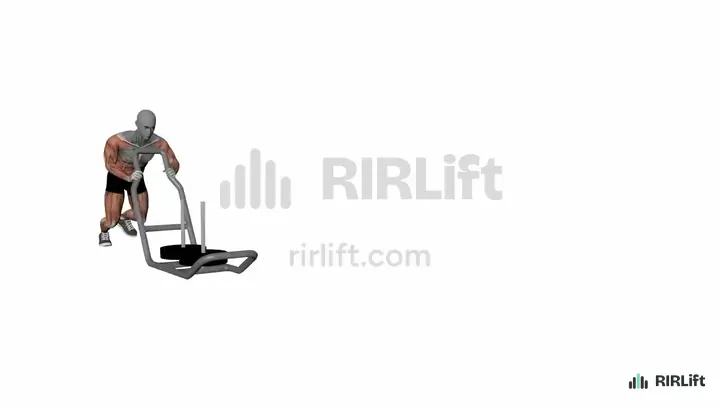
  1. Sled Push Quads, Glutes
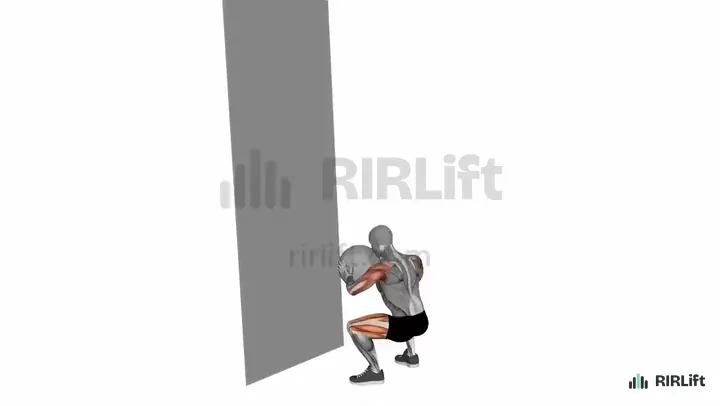
  2. Wall Ball Quads, Glutes, Shoulders
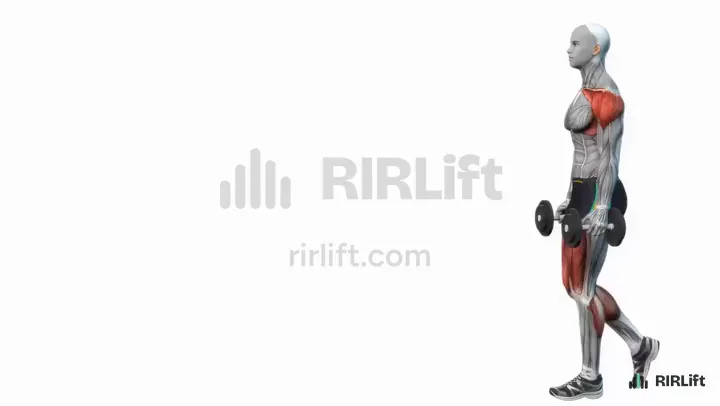
  3. Farmer's Walk Forearms, Traps, Shoulders
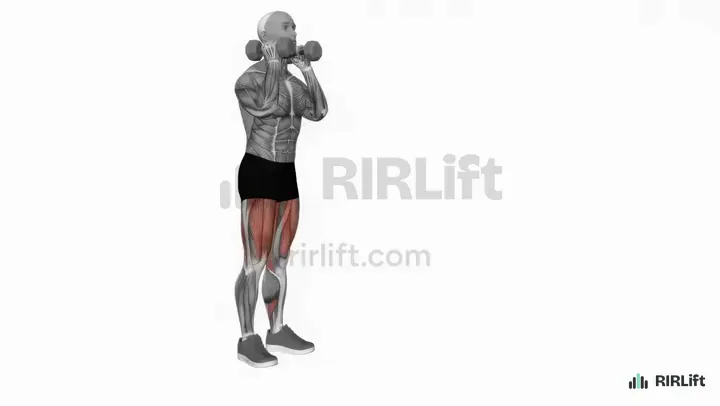
  4. Dumbbell Front Rack Lunge Quads, Glutes
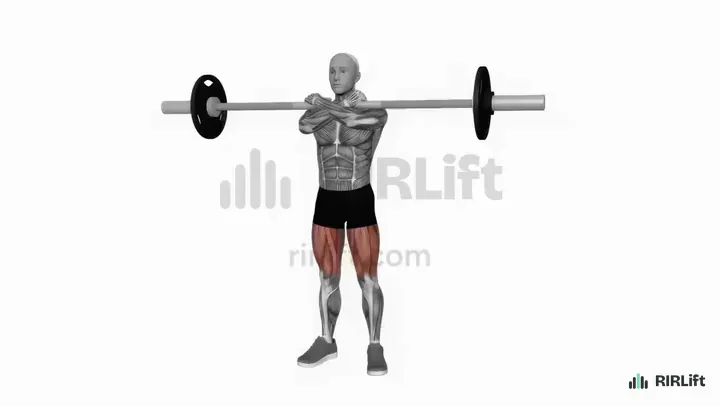
  5. Front Squat Quads, Glutes, Adductors
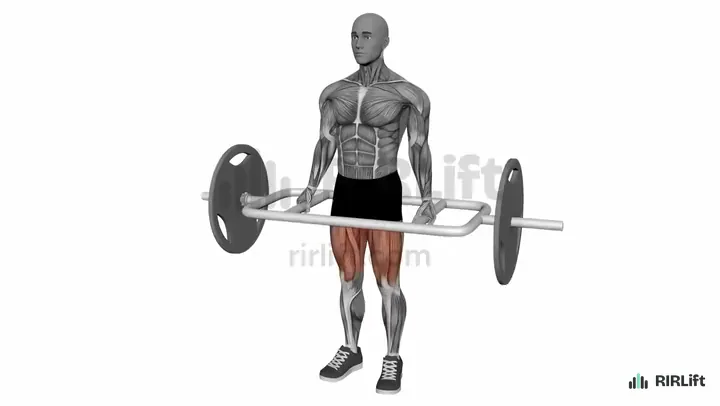
  6. Trap Bar Deadlift Quads, Glutes

Sled stations

The push and the pull are the stations that punish weak legs most. On the Watch each bout is logged as time with an effort level, from Easy to Max.

Station 2, legs under load

Sled Push

Quads, Glutes

Train it heavier than race weight for short bouts, so the race sled moves without grinding. Log each bout's time and how hard it was.

How to do it

  1. Grip the poles with your arms long and lean in until your body is at a low angle.
  2. Drive the sled with short, fast steps, pushing through the balls of your feet.
  3. Keep your hips low and your back flat as the sled moves.
  4. Keep the steps coming to the end of the length; restarting a stopped sled is the hardest part.

Cues

  • Long arms, low hips
  • Short, fast steps
  • Never let it stop

Common mistakes

  • Standing too tall with bent arms: lean in and let your legs do the work.
  • Taking long strides: short steps keep the sled moving.

Swap for: Sled Rope Pull, Front Squat, Bulgarian Split Squat

Station 3, back, grip and legs

Sled Rope Pull

Upper Back, Lats, Biceps

The pull rewards a low, leaning position more than arm strength. Short, heavy bouts with full rest build it.

How to do it

  1. Stand facing the sled with the rope in your hands and your feet set wide.
  2. Sit your hips back and pull the rope hand over hand toward your body.
  3. Use your legs and hips to lean back on each pull, not just your arms.
  4. Step back as the rope piles up so you keep a good pulling position.

Cues

  • Hips back, chest up
  • Hand over hand
  • Lean with the legs

Common mistakes

  • Standing upright and pulling only with the arms: sit into each pull.
  • Letting the rope tangle at your feet: step back as you go.

Swap for: One-Arm Dumbbell Row, Trap Bar Deadlift

Ski erg and rower

The two machine stations. Each bout is logged as time and effort on the Watch.

Station 1, pull and hinge

Ski Erg

Shoulders, Upper Back

The first station after the first run. Practice it with your heart rate already up, as it is on race day.

How to do it

  1. Stand facing the machine with the handles above your head and arms straight.
  2. Pull the handles down toward your thighs, hinging your hips back and bending your knees slightly.
  3. Finish with the hands beside your thighs and your torso leaning forward.
  4. Rise back up and reach high for the next stroke, keeping a steady rhythm.

Cues

  • Reach tall at the top
  • Pull with lats, not just arms
  • Hinge into each stroke

Common mistakes

  • Pulling only with the arms: drive the handles down with your lats and a hip hinge.
  • Going too hard on the first interval: pace so the last one is as strong.

Swap for: Rowing Machine, Battle Rope Wave, Air Bike

Station 5, legs then arms

Rowing Machine

Quads, Hamstrings, Glutes, Lats

Drive with the legs and keep the pace even; going out too hard here costs you the carry and lunges that follow.

How to do it

  1. Strap your feet in and hold the handle with straight arms.
  2. Push with your legs first, then lean back slightly and bring the handle to your lower ribs.
  3. Reverse the order on the way back: arms forward, body tips forward, knees bend.
  4. Keep the pace conversational, around 20 strokes a minute.

Cues

  • Legs, body, arms; arms, body, legs
  • Easy enough to talk

Common mistakes

  • Racing the first minute: this is a warm-up, so finish feeling fresher than you started.

Swap for: Stationary Bike, Air Bike, Jump Rope

Carries, lunges, burpees and wall balls

The stations you can load and count. Carries and lunges are logged with the weight of one dumbbell and the reps; wall balls with the ball's weight and your reps.

Station 6, grip and trunk

Farmer's Walk

Forearms, Traps, Shoulders

Carry heavier than race weight for shorter lengths. Log the weight of one dumbbell and each length as a rep.

How to do it

  1. Pick up a heavy kettlebell or dumbbell in each hand, back flat.
  2. Stand tall with your shoulders down and your arms straight by your sides.
  3. Walk with short, quick steps, keeping the weights from swinging.
  4. Set them down only when the distance is done.

Cues

  • Tall and tight
  • Quick steps
  • Crush the handles

Common mistakes

  • Leaning forward as your grip fades: stay upright and shorten the step.
  • Putting the weights down early: use a lighter load in training and finish every length.

Swap for: Dumbbell Suitcase Carry, Trap Bar Deadlift, Dumbbell Shrug

Station 7, quads and glutes under load

Dumbbell Front Rack Lunge

Quads, Glutes

Dumbbells at the shoulders stand in for the sandbag. Count every step as a rep so the Watch tracks the total.

How to do it

  1. Hold a dumbbell at each shoulder, elbows forward, and stand tall.
  2. Step forward and lower until your back knee nearly touches the floor.
  3. Stay tall, front knee tracking over your toes.
  4. Push through your front foot to step through into the next lunge.

Cues

  • Torso tall
  • Back knee kisses the floor
  • Drive the front heel down

Common mistakes

  • Short, shallow steps: every rep goes low enough for the back knee to nearly touch.
  • Letting the dumbbells pull you forward: keep the elbows up.

Swap for: Walking Lunge, Reverse Lunge, Bulgarian Split Squat

Lunge volume with dumbbells at your sides

Walking Lunge

Quads, Glutes

When the front-rack position tires your arms before your legs, carry the dumbbells at your sides and keep the steps coming.

How to do it

  1. Stand tall; hold a light plate overhead or keep hands on hips.
  2. Step forward into a lunge until your back knee is just above the floor.
  3. Push up and step through into the next lunge.

Cues

  • Long step
  • Upright torso
  • Back knee hovers

Common mistakes

  • Short choppy steps that jam the front knee forward: lengthen the stride.

Swap for: Cardio Lunge, Dumbbell Forward Lunge, Reverse Lunge

Station 8, squat and throw

Wall Ball

Quads, Glutes, Shoulders

The last station, done on tired legs. Sets of 20 to 25 at a steady rhythm teach you to break the 100 into chunks you can keep.

How to do it

  1. Hold the ball at your chest with elbows under it and stand an arm's length from the wall.
  2. Squat until your hips go below your knees.
  3. Drive up hard and use that drive to throw the ball to the target above you.
  4. Catch it at your chest and go straight down into the next squat.

Cues

  • Full squat every rep
  • Legs throw, arms guide
  • Catch and sink

Common mistakes

  • Throwing with the arms from half squats: the legs do the work.
  • Standing too far from the wall: the ball comes back out of reach.

Swap for: Barbell Thruster, Goblet Squat, Medicine Ball Overhead Throw

Station 4, burpee broad jumps

Burpee

Quads, Glutes, Chest, Shoulders

The race adds a broad jump to each rep; plain burpees build the same pace without the floor space. A long, steady set teaches you a pace you can hold. Log the reps of each set so you can see the count climb week to week.

How to do it

  1. Stand tall, then squat and put both palms down.
  2. Jump or step your feet back into a plank and lower your chest to the floor.
  3. Push up, bring your feet back under you, and stand.
  4. Jump forward or up, land softly, and go straight into the next rep.

Cues

  • Steady, not frantic
  • Chest to the floor
  • Land soft

Common mistakes

  • Going all out for the first 10 reps: pick a pace you can keep for every rep.
  • Landing with locked knees: bend to absorb each jump.

Swap for: Half Burpee, Dumbbell Burpee, Mountain Climber

The strength behind the stations

Heavy squats, deadlifts and presses make race-weight sleds and wall balls feel lighter. These are where the next weight is worked out from what you logged.

Quads and upright trunk

Front Squat

Quads, Glutes, Adductors

The upright squat behind wall balls and the lunge. Heavy sets of 4 to 6 in the off-season, fewer and shorter near the race.

How to do it

  1. Rest the bar on the front of your shoulders with your elbows high.
  2. Brace your trunk and sit straight down between your heels.
  3. Go as deep as you can with your chest up and elbows high.
  4. Stand up by driving through your whole foot.

Cues

  • Elbows high
  • Sit between your heels
  • Chest proud

Common mistakes

  • Elbows dropping so the bar rolls forward: lift them up as you stand.
  • Rising hips-first: lead with your chest.

Swap for: Goblet Squat, Dumbbell Front Squat, Barbell Back Squat

Hips and grip, heavy

Trap Bar Deadlift

Quads, Glutes

Builds the hip drive for the sled push and the grip for the carry, with a bar that is easy to learn.

How to do it

  1. Stand inside the trap bar, feet under your hips, and grip the handles.
  2. Sit your hips down until your back is flat and your chest is up.
  3. Push the floor away and stand up tall.
  4. Lower by sending your hips back first, knees following.

Cues

  • Push the floor away
  • Flat back
  • Stand tall at the top

Common mistakes

  • Yanking the bar off the floor: squeeze it up.
  • Leaning back at the top: just stand tall.

Swap for: Barbell Deadlift, Kettlebell Deadlift, Romanian Deadlift

One leg at a time

Bulgarian Split Squat

Quads, Glutes

Strength one leg at a time for 100 m of lunges. Log the reps for one leg and keep both sides even.

How to do it

  1. Stand a stride ahead of a bench and rest one foot on it, laces down.
  2. Hold dumbbells by your sides and lower your back knee toward the floor.
  3. Keep most of your weight on your front foot.
  4. Drive the front heel down to stand back up, then finish the set and switch legs.

Cues

  • Front foot does the work
  • Straight down, not forward
  • Control the bottom

Common mistakes

  • Standing too close to the bench: move out until the front shin stays nearly vertical.
  • Bouncing off the bottom: pause for a beat.

Swap for: Dumbbell Split Squat, Reverse Lunge, Step-Up

Overhead drive for wall balls

Dumbbell Push Press

Shoulders

Legs and arms together, the same drive that sends the wall ball to the target.

How to do it

  1. Hold a dumbbell at each shoulder, feet under your hips.
  2. Dip a few inches by bending your knees, chest tall.
  3. Drive up hard through your legs and press the dumbbells overhead.
  4. Lower them back to your shoulders under control.

Cues

  • Short dip, hard drive
  • Arms finish what the legs start
  • Lock out overhead

Common mistakes

  • Dipping too deep, turning it into a squat: keep it short.
  • Pressing before the legs finish: let the drive send them up.

Swap for: Dumbbell Shoulder Press, Barbell Thruster, Kettlebell Overhead Press

Squat with one dumbbell

Goblet Squat

Quads, Glutes

The wall-ball squat without the ball, for training at home or in a gym with no wall-ball target.

How to do it

  1. Hold a dumbbell or kettlebell vertically against your chest.
  2. Sit down between your knees, elbows inside them at the bottom.
  3. Stand up tall.

Cues

  • Elbows nudge the knees out at the bottom.
  • Chest stays up behind the weight.

Common mistakes

  • Letting the weight pull you forward.

Swap for: Bodyweight Squat, Barbell Back Squat

Put them together: example sessions

Each session below picks from the exercises above for one situation, with the sets, reps, rest and RIR filled in.

Session 1

Off-season in a full gym, two strength days

  • Workouts2× a week
  • Working sets28 a week
  • Per workout~40 min
  • EquipmentBarbells, Dumbbells, Sled, Trap Bar +1

Your next race is three months or more away. You run three or four times a week and lift twice, in a gym with a sled and a rack.

Heavy squats, deadlifts and carries with long rests, plus short sled bouts heavier than race weight. 14 working sets a day, so the strength carries over without wrecking your runs.

Day 1: Squat and carry
ExerciseSets × repsRIRRest
Front Squat 4 × 4–6 2 3 min
Bulgarian Split SquatPer leg. 3 × 6–10 2 2 min
Farmer's WalkEach rep is one 25 m length. Heavier than race weight. 3 × 2–4 2 2 min
Sled PushHeavier than race weight. 4 × 20–30 s 2 2 min
Day 2: Hinge, press and pull
ExerciseSets × repsRIRRest
Trap Bar Deadlift 4 × 3–5 2 3 min
Dumbbell Push Press 3 × 6–10 2 2 min
Sled Rope PullHeavier than race weight. 4 × 20–30 s 2 2 min
Wall Ball 3 × 15–20 3 90 s
How to run it
Lift on easy-run days and keep a day between the two. Import the program, switch to it in My Programs, and both days appear on the Watch. Start the day there, log each set as you finish it, and add 15 seconds of rest from the wrist after a hard sled bout.
How to progress
Front squat at 155 lb for 6, 6, 6 tops the 4 to 6 range, so the next Day 1 opens at 160 lb for 4. Farmers walk with 60 lb dumbbells for 4, 4, 4 lengths tops 2 to 4, so next time it is 65 lb per hand for 2. Sled bouts keep the time you set; when a bout logs as Easy, add a plate yourself.

Session 2

Race in six weeks: strength plus a stations day

  • Workouts2× a week
  • Working sets33 a week
  • Per workout~40 min
  • EquipmentBarbells, Trap Bar, Dumbbells, Ski Ergometer +3

The race is booked. You keep one short heavy day and add one day that strings the stations together on tired legs.

The strength day drops to 9 working sets so the stations day gets your energy. The stations day runs all eight stations in race order with short rests, 24 working sets that teach pacing.

Strength, short
ExerciseSets × repsRIRRest
Front Squat 3 × 3–5 2 3 min
Trap Bar Deadlift 3 × 3–5 3 3 min
Dumbbell Push Press 3 × 6–8 2 2 min
Stations in race order
ExerciseSets × repsRIRRest
Ski Erg 3 × 2 min 2 1 min
Sled PushRace weight. 3 × 20–30 s 2 90 s
Sled Rope PullRace weight. 3 × 20–30 s 2 90 s
Burpee 3 × 10–15 2 1 min
Rowing Machine 3 × 2 min 2 1 min
Farmer's WalkEach rep is one 25 m length. Race weight. 3 × 2–3 2 1 min
Dumbbell Front Rack LungeTotal steps. 3 × 20–24 2 1 min
Wall Ball 3 × 20–25 2 1 min
How to run it
Run the strength day early in the week and the stations day three or four days later, never the day before a long run. On the Watch, log each erg and sled bout as time and effort, and each lunge and wall-ball set as weight and reps.
How to progress
Wall balls with a 14 lb ball for 22, 21, 20 against a target of 20: the weakest set hit it, so the ball stays and the next target is 21. Front-rack lunges with 25 lb dumbbells for 24, 24, 24 steps top the 20 to 24 range, so the next stations day opens at 30 lb per hand for 20.

Session 3

No sled, no rower: dumbbells only

  • Workouts2× a week
  • Working sets30 a week
  • Per workout~30 min
  • EquipmentDumbbells

You train at home or in a small gym with a set of dumbbells and some floor, and your sled and erg work happens at a HYROX class once a week.

The loaded stations you can copy with dumbbells: squats for the wall-ball squat, lunges, carries, presses and burpees. 15 working sets in about 35 minutes, the same two days a week.

Dumbbell stations
ExerciseSets × repsRIRRest
Goblet Squat 3 × 10–15 2 90 s
Walking LungeTotal steps. 3 × 16–24 2 90 s
Farmer's WalkEach rep is one 20 m length. 3 × 2–4 2 90 s
Dumbbell Push Press 3 × 8–12 2 90 s
Burpee 3 × 10–15 2 1 min
How to run it
Twice a week with a day between, with the class as your third session.
How to progress
Goblet squat with a 50 lb dumbbell for 15, 15, 15 tops 10 to 15, so next time it is 55 lb for 10. Push press with 35 lb dumbbells for 10, 9, 8 against a target of 8: the weakest set hit it, so the weight holds and the target becomes 9.

Make it fit you

Questions

Does Apple Watch have a HYROX workout?

No. Apple's list of Workout app types has Functional Strength Training, High Intensity Interval Training, Running and Other, but no HYROX type. For the race, people run one Outdoor Run or Other workout for the whole event, or use a race-pacing app.

How do I track HYROX training on Apple Watch?

Run the strength sessions in RIRLift on the Watch. Lifts are logged with weight, reps and reps left, sled and erg bouts with time and effort, and heart rate is recorded while the session runs.

Can I wear an Apple Watch during a HYROX race?

Yes. Charge it fully the night before and turn off notifications so it does not buzz mid-station.

Is it free?

Logging, the rest timer and the next weight on the Watch are free on iPhone and Apple Watch.