Apple Watch for swimmers: dryland strength, logged from your wrist

Apple Watch tracks swims with its Pool Swim and Open Water Swim workouts: in the pool it tracks your sets and rest and shows the kinds of stroke you swam, and Water Lock turns on while you swim. Dryland strength is a separate session. RIRLift runs it on the same Watch: log each set's weight, reps and reps left between pulls and presses, and the session is saved to Apple Health as Traditional Strength Training next to your swims.

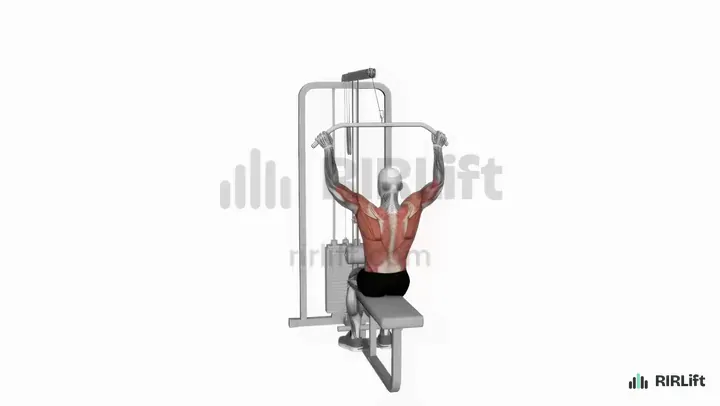
  1. Lat Pulldown Lats
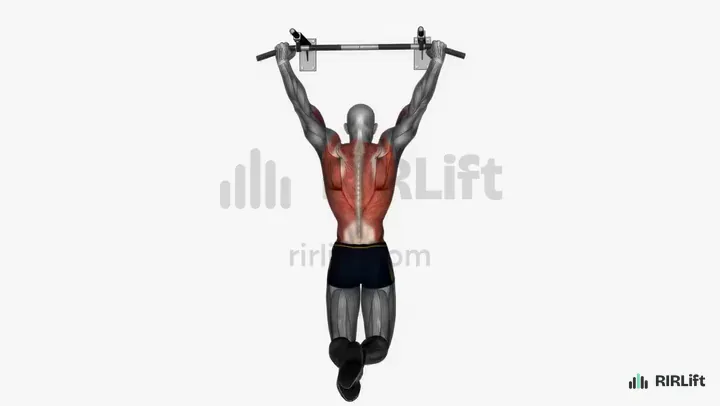
  2. Pull-Up Lats
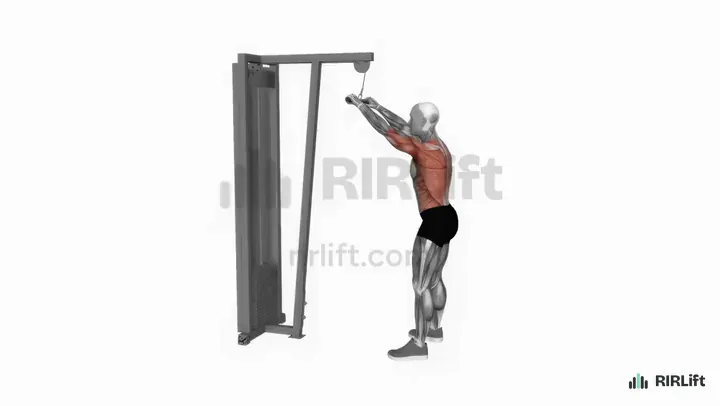
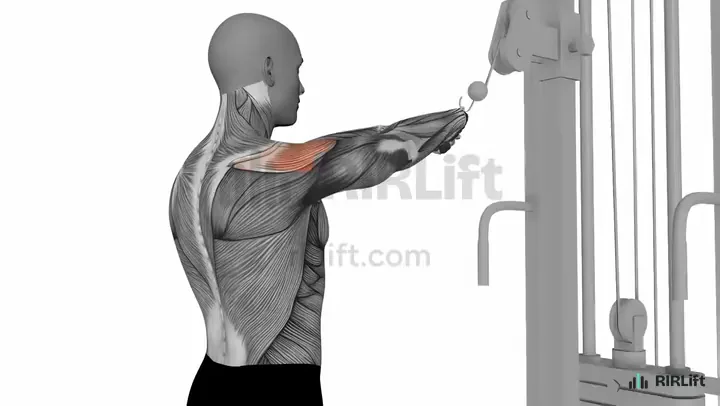
  3. Straight-Arm Pulldown Lats
  4. Face Pull Shoulders, Upper Back
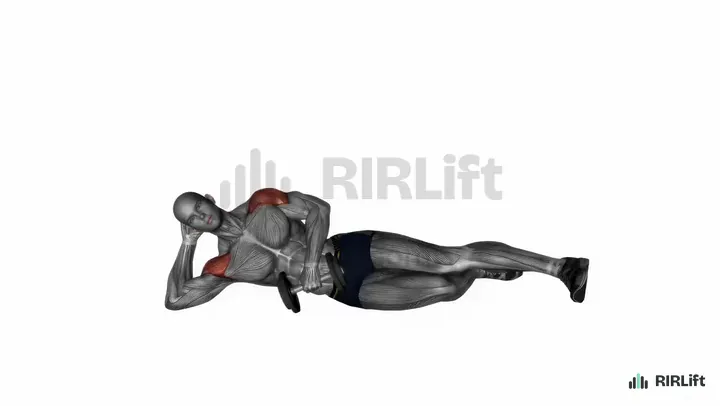
  5. Dumbbell Lying External Rotation Shoulders
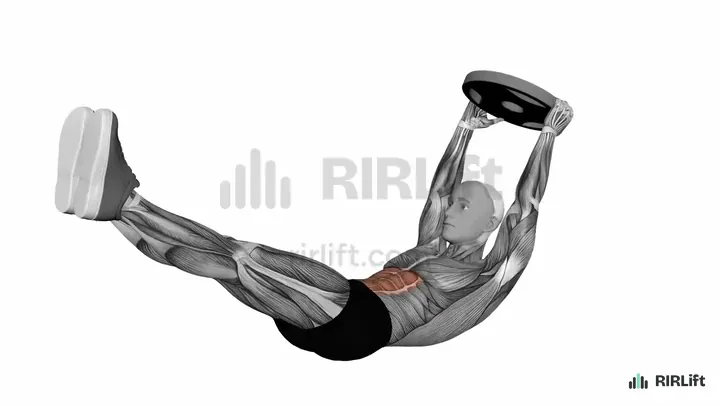
  6. Plate Hollow Hold Abs

The pull

Lats and mid-back, the muscles behind the catch and the pull. Vertical and horizontal pulls, with and without a cable stack.

Lats, bodyweight

Pull-Up

Lats

The swimmer's main strength lift. When bodyweight sets top out, add weight and log it as the load.

How to do it

  1. Hang at arm's length with an overhand grip just outside your shoulders.
  2. Draw your shoulder blades down, then bend your elbows toward your ribs.
  3. Rise until your chin passes the bar.
  4. Lower slowly to a full hang.

Cues

  • Shoulders down first
  • Elbows to the ribs
  • Full stretch at the bottom

Common mistakes

  • Swinging to finish reps: stop the set when strict reps run out.
  • Stopping short of a full hang: the stretched part is the part you swim in.

Swap for: Lat Pulldown, Band-Assisted Pull-Up, Chin-Up

Lats, cable

Lat Pulldown

Lats

The pull-up with a pin, so you can set the exact load. Sets of 8 to 12 leave enough in the arms to swim.

How to do it

  1. Sit with your thighs under the pad and take the bar a little wider than your shoulders.
  2. Lean back a touch and pull the bar to your upper chest.
  3. Squeeze your elbows down toward your sides.
  4. Let the bar rise until your arms are straight and your lats stretch.

Cues

  • Bar to the collarbone
  • Elbows to the hips
  • Long arms at the top

Common mistakes

  • Pulling the bar behind your neck or leaning far back: stay close to upright.
  • Letting the weight yank your arms up: control the return.

Swap for: Pull-Up, Single-Arm Lat Pulldown, Neutral-Grip Lat Pulldown

Lats, straight-arm

Straight-Arm Pulldown

Lats

Follows the arm path of the catch with straight elbows. Light, controlled reps.

How to do it

  1. Stand facing a high cable with a straight bar or rope, arms reaching forward to head height.
  2. Hinge forward slightly at the hips and lock your elbows softly.
  3. Sweep the bar down in an arc until it touches your thighs.
  4. Let it rise back to head height under control.

Cues

  • Arms stay long
  • Sweep to the thighs
  • Ribs down

Common mistakes

  • Bending the elbows to pull more weight: lighten it.
  • Arching the lower back at the top: keep the ribs tucked.

Swap for: Dumbbell Lat Pullover, Lat Pulldown, Kettlebell Pullover

Mid-back, one arm

Single-Arm Cable Row

Upper Back, Lats

Rows one arm at a time keep the two sides even. Log the reps for one arm.

How to do it

  1. Set a cable at chest height and hold the handle in one hand, arm straight.
  2. Stand or kneel side-on with a slight reach forward through the shoulder.
  3. Row the handle to your ribs while your torso rotates a little toward the working side.
  4. Return to the full reach under control and finish all reps before switching.

Cues

  • Reach, then row
  • Elbow close to the ribs
  • Rotate a little, not a lot

Common mistakes

  • Yanking with the whole body: the shoulder and back do the work.
  • Cutting the reach short: let the shoulder blade slide forward each rep.

Swap for: One-Arm Dumbbell Row, Seated Cable Row, TRX Row

Mid-back, bodyweight

Inverted Row

Upper Back, Lats

A row under a bar or a set of rings, for days without a cable stack.

How to do it

  1. Set a bar at about hip height, lie under it, and grip it with your hands a little wider than your shoulders.
  2. Straighten your body from heels to head, or bend your knees with feet flat for an easier version.
  3. Pull your chest up to the bar, leading with your elbows, and keep your hips in line.
  4. Lower until your arms are straight, then pull again.

Cues

  • Body stays a straight plank
  • Chest touches the bar
  • Bend your knees to make it easier

Common mistakes

  • Letting your hips sag so only your chest rises: squeeze your glutes and move as one piece.
  • Pulling the bar to your neck: aim for the bottom of your chest.

Swap for: TRX Row, Lat Pulldown, Assisted Pull-Up

Shoulder balance

Swimming trains the front of the shoulder thousands of times a week. These train the back of it and the shoulder blade.

Rear shoulders

Face Pull

Shoulders, Upper Back

Balances the shoulder that freestyle and fly train forward. Light weight, smooth reps.

How to do it

  1. Set a rope on a cable at face height and hold the ends with your thumbs pointing back.
  2. Step back until the arms are straight and the weight is off the stack.
  3. Pull the rope toward your forehead, spreading the ends apart and turning your hands up.
  4. Hold a moment, then let your arms extend again.

Cues

  • Pull to the forehead
  • Hands finish high
  • Pause at the back

Common mistakes

  • Going too heavy and leaning back: light weight and strict reps.
  • Pulling to the chest: aim higher, at your face.

Swap for: Band Face Pull, Band Pull-Apart, Dumbbell Rear Delt Fly

Rotator cuff

Dumbbell Lying External Rotation

Shoulders

Light and slow. It trains the small muscles that hold the shoulder in place through the stroke.

How to do it

  1. Lie on your side with a light dumbbell held in the upper hand and a folded towel between your elbow and ribs.
  2. Bend the elbow to 90 degrees with the forearm across your stomach.
  3. Rotate the forearm up toward the ceiling, keeping the elbow on the towel.
  4. Lower slowly back down.

Cues

  • Elbow pinned
  • Rotate, do not lift
  • Slow down

Common mistakes

  • Lifting the elbow off the side: keep it on the towel.
  • Using a weight that makes the movement jerky: go lighter.

Swap for: Face Pull, Band Pull-Apart, Dumbbell External Rotation

Upper back, band only

Band Pull-Apart

Shoulders, Upper Back

Rear-shoulder work that fits in a swim bag. Good on the deck before or after practice.

How to do it

  1. Hold a light band at shoulder height with straight arms, hands shoulder-width apart.
  2. Spread your arms out to the sides by squeezing your shoulder blades together.
  3. Pull until the band touches your chest.
  4. Return slowly to the start.

Cues

  • Arms straight
  • Squeeze the blades
  • Slow back

Common mistakes

  • Shrugging up as the band stretches: keep the shoulders low.
  • Bending the elbows to finish: use a lighter band.

Swap for: Face Pull, Band Face Pull, Band Scapular Retraction

Shoulder blades, push

Push-Up Plus

Chest

A push-up with an extra reach at the top, for the muscles that hold the shoulder blade to the ribs.

How to do it

  1. Get into a high plank with your hands under your shoulders.
  2. Lower your chest to the floor with your body straight.
  3. Press back up to straight arms.
  4. At the top, push the floor away a little further so your upper back rounds slightly, then repeat.

Cues

  • Push, then push more
  • Body straight
  • Blades wrap forward at the top

Common mistakes

  • Skipping the extra push: it is the point of the exercise.
  • Letting the hips sag: squeeze your glutes.

Swap for: Push-Up, Incline Push-Up, Plank

Starts and turns

Leg strength and power for the push off the block and the wall.

Legs for the push-off

Goblet Squat

Quads, Glutes

A squat with one dumbbell for the push off the wall. Easy to load and easy to learn.

How to do it

  1. Hold a dumbbell or kettlebell against your chest, both hands cupping it.
  2. Stand with your feet just outside your hips, toes turned out a little.
  3. Sit down between your heels as low as you can with your chest up.
  4. Stand back up through your whole foot.

Cues

  • Weight at the chest
  • Sit between the heels
  • Knees follow the toes

Common mistakes

  • Rounding forward at the bottom: hold the weight higher and stay tall.
  • Heels lifting: widen your stance a little.

Swap for: Front Squat, Bulgarian Split Squat, Dumbbell Squat

Hamstrings and hips

Romanian Deadlift

Hamstrings, Glutes

The hinge that powers the start and the kick off the wall.

How to do it

  1. Stand holding a barbell at your thighs, feet under your hips, knees softly bent.
  2. Send your hips back and let the bar slide down your thighs.
  3. Lower until you feel a strong stretch in your hamstrings, back flat.
  4. Squeeze your glutes to stand tall.

Cues

  • Hips back, bar close
  • Flat back
  • Stand by squeezing the glutes

Common mistakes

  • Bending the knees more as you go down: keep them softly bent, the hips move.
  • Going lower than your back can stay flat: stop at the stretch.

Swap for: Dumbbell Romanian Deadlift, Single-Leg RDL, Good Morning

Leg power

Box Jump

Quads, Glutes, Hamstrings

Fast, fresh reps for starts and turns. Step down between jumps.

How to do it

  1. Stand a short step from a box, feet under your hips.
  2. Swing your arms back and dip into a quarter squat.
  3. Jump onto the box and land softly with your knees bent.
  4. Stand tall, then step down.

Cues

  • Swing and jump
  • Land quiet
  • Step down

Common mistakes

  • Choosing a box so high you land in a deep squat: the jump matters, not the height.
  • Doing them tired: keep reps few and rest long.

Swap for: Jump Squat, Single-Leg Box Jump, Frog Jump

Lats and trunk, explosive

Medicine Ball Overhead Throw

Shoulders, Abs

An overhead throw trains the fast pull from a stretched position, the same shape as the start and the streamline.

How to do it

  1. Hold a medicine ball at your waist with both hands and stand with feet shoulder-width.
  2. Dip quickly into a half squat, lowering the ball between your knees.
  3. Extend your ankles, knees and hips together and swing the ball up and over your head.
  4. Release it as your arms pass overhead so it flies high, then reset for the next rep.

Cues

  • Hips snap first
  • Let go at the top
  • Full extension onto your toes

Common mistakes

  • Lifting the ball with the arms: the hips should launch it.
  • Using a ball so heavy the throw slows down: speed matters more than weight here.

Swap for: Medicine Ball Slam, Kettlebell Swing, Med Ball Jump

Streamline and rotation

A hollow hold for a tight streamline and a woodchop for the trunk rotation in every stroke.

Front trunk, streamline

Plate Hollow Hold

Abs

The streamline position, held on the floor. Time each set.

How to do it

  1. Lie on your back holding a light plate overhead with straight arms.
  2. Press your lower back into the floor and lift your shoulders and legs off it.
  3. Hold your arms by your ears and your legs straight, a few inches up.
  4. Breathe and hold for the set time.

Cues

  • Lower back pinned
  • Arms by the ears
  • Long body

Common mistakes

  • Lower back peeling off the floor: raise the legs higher or bend the knees.
  • Holding your breath: breathe shallow and steady.

Swap for: Dead Bug, Plank, L-Sit Hold

Trunk rotation

Cable Woodchop

Abs

Trains the rotation that connects the pull to the kick. Log the reps for one side.

How to do it

  1. Set a cable high, stand side-on and grip the handle two-handed above the near shoulder.
  2. Chop it on a diagonal to the far hip, turning your chest as your back heel lifts and spins.
  3. Let it return along the same line under control. Finish one side, then switch.

Cues

  • Turn the chest
  • Arms long
  • Pivot the back foot

Common mistakes

  • Pulling with the arms rather than turning the trunk.
  • Going so heavy the stack drags you back on the return.

Swap for: Dumbbell Woodchop, Pallof Press

Put them together: example sessions

Each session below picks from the exercises above for one situation, with the sets, reps, rest and RIR filled in.

Session 1

Masters swimmer: two gym days around three swims

  • Workouts2× a week
  • Working sets24 a week
  • Per workout~25 min
  • EquipmentLat Pulldown, Dumbbells, Adjustable Cable, Barbells +1

You swim three mornings a week with a masters group and have a gym near the pool for two short sessions.

A pull-and-squat day and a hinge-and-row day, each with shoulder or trunk work. 12 working sets each, light enough to swim well the next morning.

Day A: Pull and squat
ExerciseSets × repsRIRRest
Lat Pulldown 3 × 8–12 2 90 s
Goblet Squat 3 × 8–12 2 90 s
Face Pull 3 × 12–15 2 1 min
Plate Hollow Hold 3 × 20–30 s 2 45 s
Day B: Hinge and row
ExerciseSets × repsRIRRest
Straight-Arm Pulldown 3 × 10–12 2 1 min
Romanian Deadlift 3 × 6–10 2 2 min
Single-Arm Cable RowPer arm. 3 × 8–12 2 1 min
Cable WoodchopPer side. 3 × 10–12 2 45 s
How to run it
Lift after a swim or on a day without one, never right before a hard set. Import the program, switch to it in My Programs, and both days appear on the Watch. End the swim workout first, then start the day in RIRLift.
How to progress
Lat pulldown at 110 lb for 12, 12, 12 tops the 8 to 12 range, so the next Day A opens at 120 lb for 8, one step on most cable stacks. Romanian deadlift at 135 lb for 9, 8, 8 against a target of 8: the weakest set hit it, so the bar stays at 135 lb and the target becomes 9.

Session 2

Club swimmer: 30 minutes of dryland on deck

  • Workouts2× a week
  • Working sets30 a week
  • Per workout~25 min
  • EquipmentPlyo Box, Medicine Ball, Resistance Bands, Barbells

Dryland happens on the pool deck before practice, with a medicine ball, a band and a box or bench, and no weights.

Jumps and throws first while you are fresh, then the shoulder work and a hollow hold. 15 working sets, nothing that needs a rack.

Deck dryland
ExerciseSets × repsRIRRest
Box JumpStep down. 3 × 4–6 3 90 s
Medicine Ball Overhead Throw 3 × 6–8 3 1 min
Push-Up Plus 3 × 8–15 2 1 min
Band Pull-Apart 3 × 15–20 2 45 s
Plate Hollow HoldPlate optional. 3 × 20–30 s 2 45 s
How to run it
Twice a week before practice. Start the routine on the Watch, log each set, and end it before you get in the water so the swim can be its own workout.
How to progress
Push-ups plus move by reps: 12, 11, 10 against a target of 10 earns a target of 11. Medicine ball throws with a 10 lb ball for 8, 8, 8 top the 6 to 8 range; move to a heavier ball when your team has one. Hollow holds keep the time the routine sets.

Session 3

Open-water season: one session a week

  • Workouts1× a week
  • Working sets12 a week
  • Per workout~30 min
  • EquipmentPull-Up Bar, Barbells, Dumbbells, Adjustable Cable

Summer, more swims in the lake or the sea and fewer in the pool. You keep one gym session to hold your pull.

A heavier pull-up first, then a row, a squat and the shoulder and trunk work. 12 working sets, once a week.

Weekly pull
ExerciseSets × repsRIRRest
Pull-Up 4 × 4–8 1 2:30 min
Inverted Row 2 × 8–12 2 1 min
Goblet Squat 2 × 6–10 2 90 s
Dumbbell Lying External RotationPer arm. Light. 2 × 12–15 2 45 s
Cable WoodchopPer side. 2 × 10–12 2 45 s
How to run it
Once a week, on a day without a long open-water swim. Enter your bodyweight on the iPhone once, so pull-ups and inverted rows count it.
How to progress
Pull-ups at bodyweight for 8, 8, 8, 8 top the 4 to 8 range. Add a dumbbell between your feet or a weight belt and log its weight as the load; RIRLift counts your bodyweight plus what you log. Inverted rows for 12, 11, 10 against a target of 10 earn a target of 11.

Make it fit you

Questions

Is Apple Watch good for swimmers?

For the swim, it has Pool Swim and Open Water Swim workouts; in the pool it tracks sets, rest, stroke types and distance. For dryland, a lifting app on the Watch logs each set's weight and reps.

Do I need to put my Apple Watch in swim mode?

Starting a swim workout turns on Water Lock by itself. Unlock it after the swim by holding the Digital Crown before you start a dryland session.

How do I track dryland training on Apple Watch?

Start the routine in RIRLift on the Watch and log weight, reps and reps left after each set. Heart rate is recorded while it runs and the session is saved as Traditional Strength Training.

Is it free?

Logging, the rest timer and the next weight on the Watch are free on iPhone and Apple Watch.