Apple Watch volleyball workout: jump and shoulder work logged on your wrist

Apple's Workout app has a Volleyball type for practice and matches. The strength work is a different session: run it in RIRLift on the Watch, log the weight, reps and reps left for every set, and it is saved to Apple Health as Traditional Strength Training. Below are plans for an off-season jump block, a week with two matches, and beach season at home.

  1. Box Jump Quads, Glutes, Hamstrings
  2. Trap Bar Deadlift Quads, Glutes
  3. Goblet Squat Quads, Glutes
  4. Dumbbell Reverse Lunge Quads, Glutes
  5. Single-Leg Hip Thrust Glutes
  6. Dumbbell External Rotation Shoulders
  7. Medicine Ball Overhead Throw Shoulders, Abs
Jumping

Fast, full-effort jumps with full rest, done first while your legs are fresh. Stick every landing.

Vertical jump

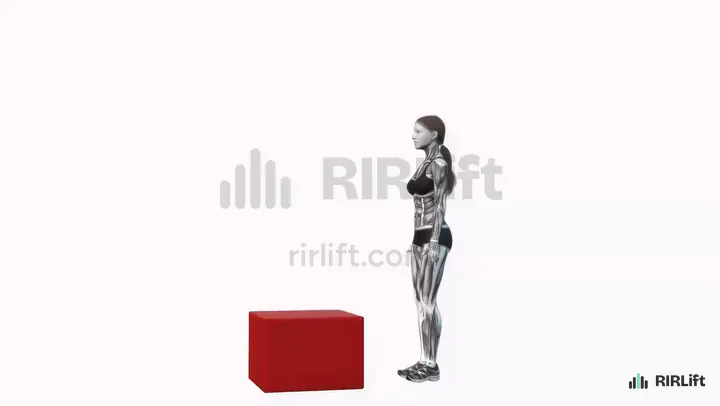
Box Jump

Quads, Glutes, Hamstrings

Jump high, land soft, step down. Three to five reps with full rest; log the reps and leave three or more in reserve.

How to do it

  1. Face a box at a height you can land on with your knees only slightly bent.
  2. Swing your arms back as you drop into a quick quarter squat.
  3. Throw your arms up and jump up, both feet landing flat on top.
  4. Stand up tall on the box, then step down rather than jumping off.

Cues

  • Arms swing, hips snap
  • Land soft and tall

Common mistakes

  • Picking a box so high you land in a deep squat: the box measures how high you jump, not how far you can tuck.

Swap for: Jump Squat, Lateral Box Jump, Single-Leg Box Jump

Jumping from the floor

Jump Squat

Quads, Glutes

A jump with no box, for beach season and the backyard. Land and reset between reps.

How to do it

  1. Stand with your feet at shoulder width, hands at your chest or swinging at your sides.
  2. Sink into a half squat and explode upward as high as you can.
  3. Land on the balls of your feet, let your knees bend to soak it up, and go straight into the next rep.

Cues

  • Quiet landing
  • Every rep max height

Common mistakes

  • Knees caving in on the landing: push them out over your toes, and cut the set when you can't.

Swap for: Box Jump, Lateral Box Jump, Jumping Lunge

Arm swing power

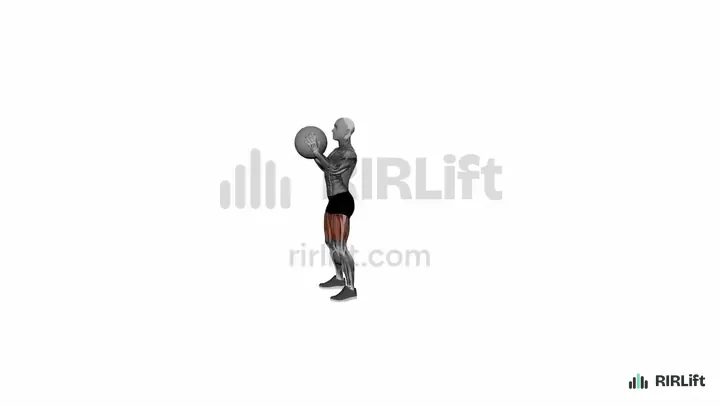
Medicine Ball Overhead Throw

Shoulders, Abs
A two-hand throw overhead into a wall or the sand. Log the ball's weight and the throws.

How to do it

  1. Hold a light medicine ball with both hands and stand facing a wall or open space.
  2. Take the ball behind your head while stepping forward with one foot.
  3. Throw it forward hard, finishing with your arms pointing at the target.
  4. Retrieve or catch it and reset.

Cues

  • Step and throw
  • Whip from overhead
  • Light ball

Common mistakes

  • Throwing only with the arms: let the step and trunk start the throw.
  • Using a heavy ball: light enough to move fast.

Swap for: Medicine Ball Slam, Med Ball Chest Throw, Wall Ball

Legs for the approach

A heavy pull and squat, then single-leg work for the last two steps of an approach and the landing.

Main strength lift

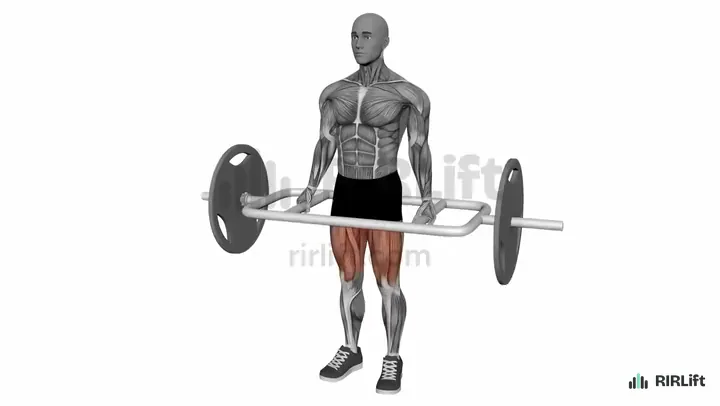
Trap Bar Deadlift

Quads, Glutes

The heavy lift behind a higher jump. The handles at your sides keep it easy to learn.

How to do it

  1. Step inside the trap bar with the handles beside your feet.
  2. Push your hips back, bend your knees, and grip the handles.
  3. Flatten your back, take the slack out, and stand up by pushing the floor away.
  4. Lower under control. Each warm-up set adds weight toward your working sets.

Cues

  • Push the floor away
  • Flat back
  • Slack out before you pull

Common mistakes

  • Yanking the bar off the floor: pull the slack out first.
  • Rounding the back as the weight climbs: hold the ramp until the setup is solid.

Swap for: Barbell Deadlift, Romanian Deadlift, Kettlebell Deadlift

Squat

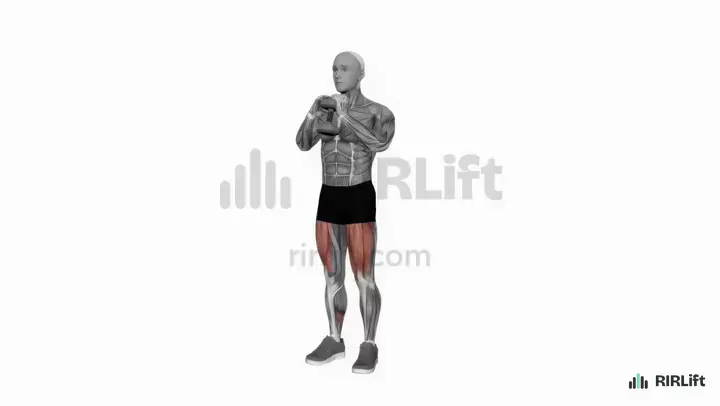
Goblet Squat

Quads, Glutes

The in-season squat: one dumbbell, a few sets, nothing near failure. Log its weight.

How to do it

  1. Cup the top end of one dumbbell in both hands and hold it upright at your chest.
  2. Set your feet a bit wider than your hips, toes turned slightly out.
  3. Sit down between your heels until your elbows brush the insides of your knees.
  4. Stand up by pushing the floor away, chest staying tall.

Cues

  • Elbows inside the knees
  • Chest proud the whole way

Common mistakes

  • Letting the heels lift at the bottom: widen your stance or squat to a depth your ankles allow.

Swap for: Dumbbell Front Squat, Front Squat, Leg Press

Single-leg strength

Dumbbell Reverse Lunge

Quads, Glutes

Stepping back is easy on the knees after a week of landings. Log the weight in one hand and the reps for one leg.

How to do it

  1. Stand tall with two dumbbells.
  2. Step one foot back and lower until your back knee nearly touches the floor.
  3. Drive through your front foot to return to standing, then repeat on the same side or alternate.

Cues

  • Front shin stays near vertical
  • Push through the front heel

Common mistakes

  • Taking a tiny step so the front knee shoots far past the toes: step back far enough that both knees reach about 90 degrees.

Swap for: Bulgarian Split Squat, Step-Up, Dumbbell Split Squat

Hamstrings and glutes

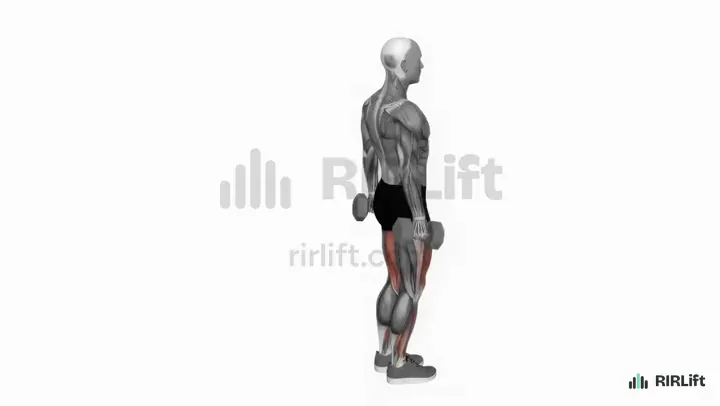
Dumbbell Romanian Deadlift

Hamstrings, Glutes

The hinge for the back of the legs, which brake every landing. Log the weight in one hand.

How to do it

  1. Stand holding two dumbbells in front of your thighs, knees soft.
  2. Send your hips back and slide the dumbbells down your legs, keeping your back flat.
  3. Stop when your hamstrings are fully stretched, usually around mid-shin, then drive your hips forward to stand.

Cues

  • Hips back, not down
  • Dumbbells close to your legs

Common mistakes

  • Rounding the back to reach lower: the range ends where your hamstrings stop you, not at the floor.

Swap for: Romanian Deadlift, Single-Leg RDL, Kettlebell Deadlift

Glutes on one leg

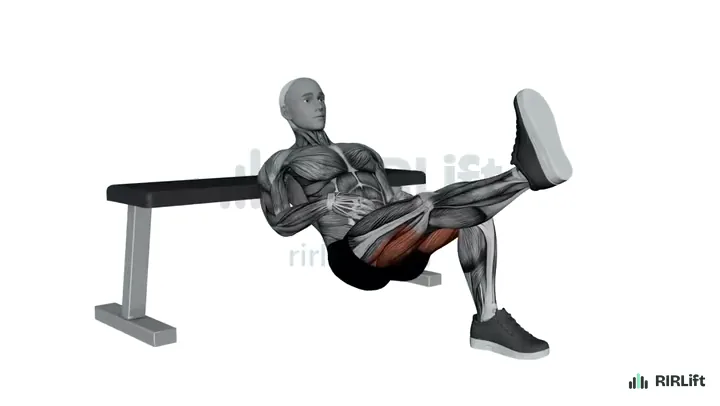
Single-Leg Hip Thrust

Glutes

The glute work for the takeoff leg. Log the reps for one leg.

How to do it

  1. Sit on the floor with your upper back against a bench and one foot planted, the other leg lifted.
  2. Drive through the planted heel to raise your hips until your body is flat from shoulders to knee.
  3. Hold the top for a second and lower under control.

Cues

  • Chin tucked, ribs down
  • Squeeze at the top

Common mistakes

  • Arching the lower back to get the hips higher: stop when your thigh and torso form a straight line.

Swap for: Hip Thrust, Single-Leg Glute Bridge, Dumbbell Hip Thrust

Calves and ankles

Dumbbell Standing Calf Raise

Calves

Every jump leaves from the ball of the foot. Slow reps with a pause at the top.

How to do it

  1. Stand on the edge of a step with one dumbbell, holding a support with the other.
  2. Let your heels drop below the step for a full stretch.
  3. Rise as high as you can onto your toes, pause, then lower slowly.

Cues

  • Pause at the top
  • Full stretch at the bottom

Common mistakes

  • Bobbing through half reps: slow down and use the whole range.

Swap for: Single-Leg Calf Raise, Standing Calf Raise, Seated Calf Raise

The hitting shoulder

Pulling, the muscles behind the shoulder, and a press that is easy on it. Light and controlled on the cuff work.

Upper back

Incline Dumbbell Row

Upper Back, Lats

Chest on an incline bench so the back does the work. Log the weight in one hand.

How to do it

  1. Set a bench to a low incline and lie chest-down on it, two dumbbells hanging straight down.
  2. Row both dumbbells back until your elbows pass your torso, squeezing your shoulder blades together.
  3. Lower slowly until your arms are straight.

Cues

  • Chest stays on the pad
  • Squeeze the shoulder blades

Common mistakes

  • Lifting your chest off the bench to finish the rep: lighten the dumbbells instead.

Swap for: Chest-Supported Row, One-Arm Dumbbell Row, Seated Cable Row

Lower traps

Dumbbell Chest-Supported Y Raise

Shoulders

Light dumbbells raised in a Y. Keeps the shoulder blade moving well for overhead hitting.

How to do it

  1. Set up chest-down on the incline pad, light dumbbells hanging, thumbs up.
  2. Raise your arms forward and outward into a Y until they are in line with your body.
  3. Hold a second and lower slowly.

Cues

  • Thumbs to the ceiling
  • Shoulders away from ears

Common mistakes

  • Shrugging to get the arms up: use lighter weights until your neck stays relaxed.

Swap for: Cable Y Raise, Face Pull, Band Pull-Apart

Rotator cuff

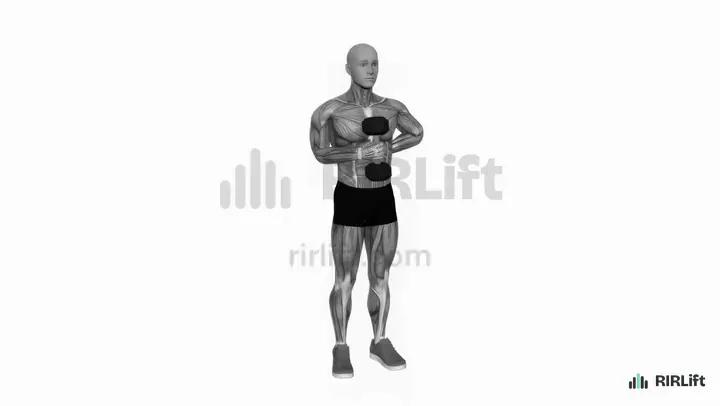
Dumbbell External Rotation

Shoulders

A light dumbbell turned out from the elbow. Slow reps, three in reserve; log the reps for one arm.

How to do it

  1. Stand with a light dumbbell in one hand, elbow bent to 90 degrees and tucked against your ribs.
  2. Rotate your forearm outward, away from your stomach, without letting the elbow leave your side.
  3. Return slowly to the start.

Cues

  • Elbow pinned to your side
  • Slow on the way back

Common mistakes

  • Going heavy and swinging the weight: this muscle is small, so pick a weight you can move for 15 smooth reps.

Swap for: Dumbbell Lying External Rotation, Face Pull, Band Face Pull

Pressing, easy on the shoulder

Landmine Press

Shoulders

The bar travels up and forward, not straight overhead, which spares a shoulder that hits all week.

How to do it

  1. Wedge one end of a barbell in a corner or landmine and stand square to the free end, feet about shoulder width.
  2. Hold the end of the bar at your upper chest with both hands.
  3. Press the bar up and forward until your arms are straight, letting the shoulder blades move with it, then lower to your chest.

Cues

  • Reach up and through
  • Ribs stay down

Common mistakes

  • Leaning way back to make it a flat press: stay tall and let the bar's angle do the work.

Swap for: Single-Arm Dumbbell Shoulder Press, Dumbbell Shoulder Press, Push-Up

Upper back with a band

Band Pull-Apart

Shoulders, Upper Back

The shoulder work for the beach plan. Log the reps.

How to do it

  1. Hold a light band at shoulder height with straight arms and hands about shoulder width apart.
  2. Pull the band apart by sweeping your hands out to the sides until it touches your chest.
  3. Squeeze your shoulder blades together for a moment.
  4. Let the band come back slowly and repeat.

Cues

  • Arms long
  • Squeeze the blades
  • Slow return

Common mistakes

  • Shrugging as you pull: keep the shoulders down.
  • Bending the elbows to cheat the band apart: use a lighter band.

Swap for: Band Face Pull, Band Scapular Retraction, Dumbbell Rear Delt Fly

Trunk

A trunk that stays still while the arms and legs move, for a clean arm swing in the air.

Trunk control

Dead Bug

Abs

Arms and legs move while the low back stays down. Slow reps, both sides.

How to do it

  1. Lie on your back with arms pointing at the ceiling and knees bent over your hips.
  2. Press your lower back into the floor.
  3. Slowly reach one arm overhead and straighten the opposite leg toward the floor, then return and switch sides.

Cues

  • Lower back glued down
  • Move slowly

Common mistakes

  • Letting the lower back arch as the leg goes down: only lower the leg as far as you can keep the back flat.

Swap for: Plank, Pallof Press, Side Plank

Put them together: example sessions

Each session below picks from the exercises above for one situation, with the sets, reps, rest and RIR filled in.

Session 1

Off-season: three days to jump higher

  • Workouts3× a week
  • Working sets50 a week
  • Per workout~40 min
  • EquipmentPlyo Box, Trap Bar, Dumbbells, Incline Bench +2

Club or school season is over, you have six to eight weeks and a full gym, and you want a higher touch when it starts again.

Two days alternate. Day A has box jumps, the trap-bar deadlift, reverse lunges, calf raises and rows, 16 working sets. Day B has jump squats, overhead throws, Romanian deadlifts, single-leg hip thrusts and the shoulder work, 17 working sets. Jumps stay at 3 to 5 reps so each one is a full effort.

Day A: Jump and deadlift
ExerciseSets × repsRIRRest
Box JumpStep down. 4 × 3–5 3 90 s
Trap Bar Deadlift2 warm-up sets first 4 × 4–6 2 3 min
Dumbbell Reverse LungePer leg. 3 × 8–10 2 90 s
Dumbbell Standing Calf Raise 2 × 10–15 1 1 min
Incline Dumbbell Row 3 × 8–12 2 75 s
Day B: Throw, hinge, shoulder
ExerciseSets × repsRIRRest
Jump Squat 3 × 4–5 3 90 s
Medicine Ball Overhead Throw 3 × 5 3 1 min
Dumbbell Romanian Deadlift 3 × 8–12 2 90 s
Single-Leg Hip ThrustPer leg. 3 × 10–12 2 1 min
Landmine PressPer arm. 3 × 8–10 2 75 s
Dumbbell External RotationPer arm. 2 × 12–15 3 45 s
How to run it
Alternate A and B three times a week, with a day between. Import it, switch to it in My Programs, and its routines show up on the Watch ready to start. Jumps first, then log each lift on the Watch before you rest.
How to progress
Double progression, judged on your weakest set. Trap-bar deadlift at 185 lb for 4 to 6: log 6, 6, 6, 6 and every set is at the top of the range, so the next session opens at 190 lb for 4. Calf raises with 40 lb dumbbells for 15 and 12 against a target of 12: the weakest set hit 12, so the weight stays and the target becomes 13.

Session 2

Two matches a week: one 30-minute lift

  • Workouts1× a week
  • Working sets10 a week
  • Per workout~20 min
  • EquipmentDumbbells, Incline Bench

You play Tuesday and Saturday, practice in between, and your legs already jump hundreds of times a week.

Matches and practice do the jumping, so this session has none. It keeps the legs and the shoulder strong in 10 working sets: a goblet squat, a hinge, a row, the Y raise and the cuff. Every set stops 3 reps short of failure.

One lift a week
ExerciseSets × repsRIRRest
Goblet Squat 2 × 6–8 3 2 min
Dumbbell Romanian Deadlift 2 × 8–10 3 90 s
Incline Dumbbell Row 2 × 8–12 3 75 s
Dumbbell Chest-Supported Y Raise 2 × 10–12 3 45 s
Dumbbell External RotationPer arm. 2 × 12–15 3 45 s
How to run it
Once a week, the day after the first match, at least two days before the next. Import it, switch to it in My Programs, and its routines show up on the Watch ready to start. In a week with a tournament, skip it.
How to progress
Goblet squat with a 70 lb dumbbell for 6 to 8: log 8 and 8 and the next session opens at 75 lb for 6. On a tired day the first set is 5 with 1 left: below the range, so the second set comes down to about 65 lb (70 × 35 ÷ 38, rounded to a dumbbell you can lift).

Session 3

Beach season: dumbbells and a band at home

  • Workouts2× a week
  • Working sets23 a week
  • Per workout~25 min
  • EquipmentDumbbells, Resistance Bands, Incline Bench

You play doubles on sand three or four times a week and train at home with a pair of dumbbells and a band.

Sand already loads your calves and jumps, so these two sessions spend their 12 and 11 working sets on single-leg strength, glutes and the shoulder that serves and hits all day. Jump squats stay in, at low reps, for the days you are not on the sand.

Home A: Legs and shoulder
ExerciseSets × repsRIRRest
Jump Squat 2 × 4–5 3 90 s
Dumbbell Reverse LungePer leg. 3 × 10–12 2 75 s
Dumbbell External RotationPer arm. 2 × 12–15 3 45 s
Band Pull-Apart 3 × 15–20 2 45 s
Dead BugPer side. 2 × 8–10 2 45 s
Home B: Glutes and back
ExerciseSets × repsRIRRest
Single-Leg Hip ThrustPer leg. 3 × 10–15 2 1 min
Dumbbell Romanian Deadlift 3 × 10–12 2 75 s
Incline Dumbbell RowBench or a sturdy chair. 3 × 10–12 2 1 min
Dumbbell Chest-Supported Y Raise 2 × 10–12 3 45 s
How to run it
Twice a week, alternating A and B, on days you play less or not at all. Import it, switch to it in My Programs, and its routines show up on the Watch ready to start. Keep the band by the door for the pull-aparts.
How to progress
Reverse lunge with 30 lb dumbbells, target 10: you log 12, 11, 10 for each leg, the weakest set hit 10, so the weight stays and the target becomes 11. At 12, 12, 12 the next session opens at 35 lb for 10. Pull-aparts progress by reps until 20 is easy, then a stronger band.

Make it fit you

Questions

Does Apple Watch have a volleyball workout?

Yes. Apple's Workout app lists Volleyball for practice and matches. Lifting sessions logged in RIRLift are saved to Apple Health as Traditional Strength Training.

Do box jumps count as a strength workout?

In RIRLift a session of only jumps is saved as Cross Training. Every plan here pairs the jumps with a lift, so the whole session is saved as Traditional Strength Training.

How often should volleyball players lift in season?

Once a week in a two-match week, kept short and well short of failure. In the off-season, two or three days.

Do I need my phone for the session?

No. The session runs on the Watch and each set is saved there as you log it, then syncs to the iPhone later.