
Exercises for vertical jump: squat strength, power lifts, jumps and ankles
Published October 29, 2026
The best exercises for vertical jump combine three things: heavy strength from back squats, trap bar deadlifts and Bulgarian split squats; power from hang cleans and wall balls; and jumps themselves, such as box jumps, jump squats, single-leg box jumps and one-leg hops, plus jump rope and single-leg calf raises for springy ankles. Train two or three days a week with 48 hours between jump days, keep jumps to sets of 3 to 6 at full effort, and lift heavy at 1 to 3 reps in reserve.
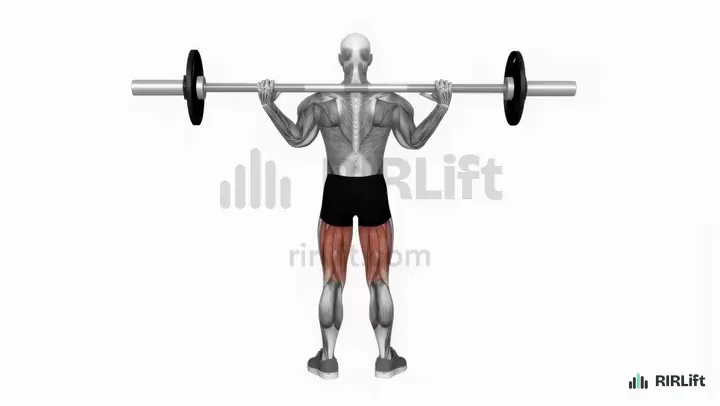
- Barbell Back Squat Quads, Glutes, Adductors
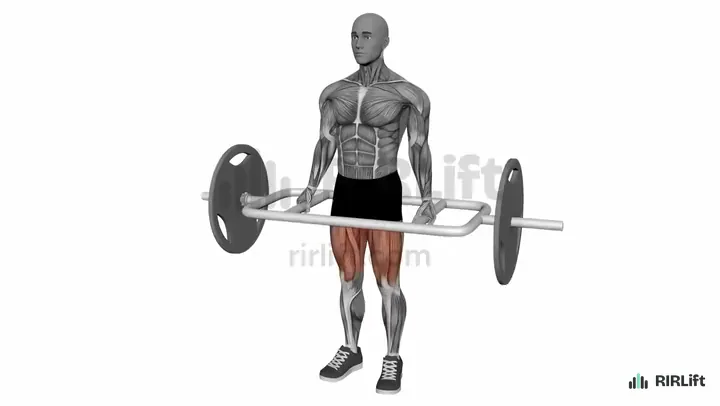
- Trap Bar Deadlift Quads, Glutes
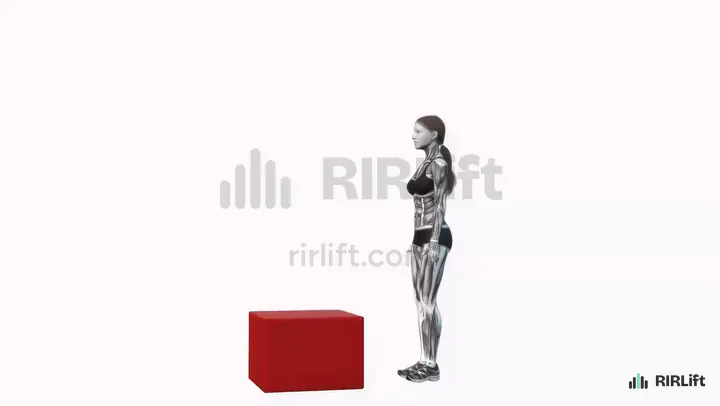
- Box Jump Quads, Glutes, Hamstrings
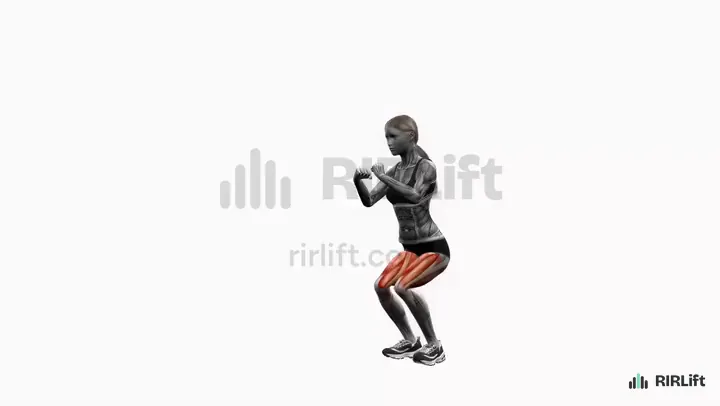
- Jump Squat Quads, Glutes
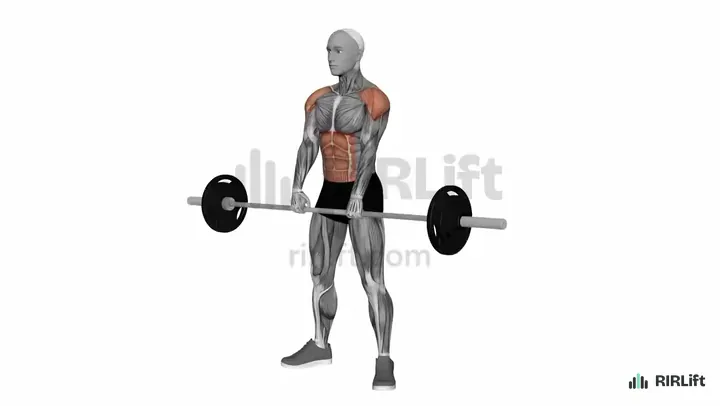
- Hang Clean Traps, Glutes, Hamstrings
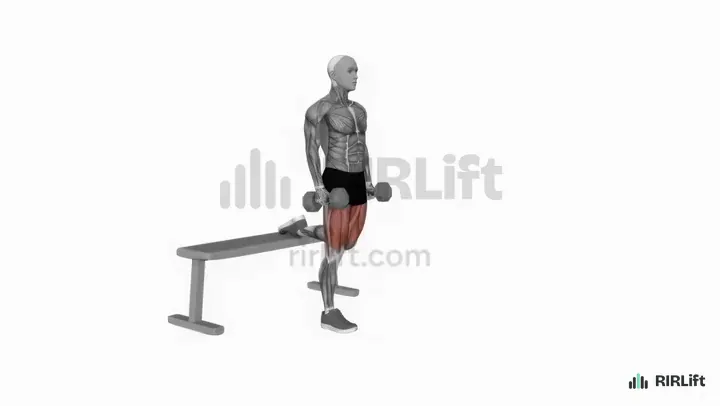
- Bulgarian Split Squat Quads, Glutes
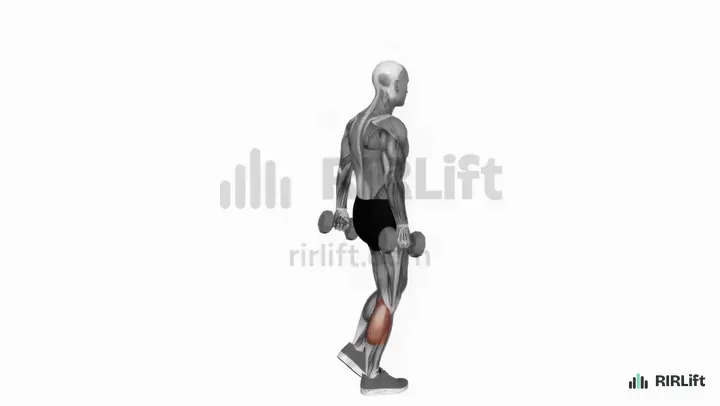
- Single-Leg Calf Raise Calves
Put them together: example sessions
Each session below picks from the exercises above for one situation, with the sets, reps, rest and RIR filled in.
-
Session 1
Off-season, two lifting days
You play basketball, volleyball or another jumping sport, you are between seasons, and you want the biggest jump gain you can get in the next two to three months.
2× a week · 32 sets a week · ~50 min
-
Session 2
In season, games every week
You are playing games and practicing several times a week, so you already jump a lot, and you want to hold your jump instead of losing it by the end of the season.
2× a week · 20 sets a week · ~30 min
-
Session 3
At home with no gym
You want to jump higher but train at home or outside with a jump rope and maybe a pair of dumbbells.
3× a week · 54 sets a week · ~40 min
Session 1
Off-season, two lifting days
- Workouts2× a week
- Working sets32 a week
- Per workout~50 min
- EquipmentJump Rope, Plyo Box, Barbells, Dumbbells +1
You play basketball, volleyball or another jumping sport, you are between seasons, and you want the biggest jump gain you can get in the next two to three months.
The off-season is when strength gets built, so each day pairs one heavy lift with jumps. The week holds about 45 to 65 full-effort jumps across the two days plus rope work, and 14 heavy lower-body sets.
| Exercise | Sets × reps | RIR | Rest |
|---|---|---|---|
| Jump RopeSeconds per round. Low, quick bounces. | 3 × 20–30 | 3 | 1 min |
| Box Jump | 5 × 3–4 | 3 | 90 s |
| Barbell Back Squat3 warm-up sets first | 4 × 3–5 | 2 | 3:30 min |
| Bulgarian Split SquatPer leg. | 3 × 6–8 | 2 | 2 min |
| Single-Leg Calf RaisePer leg. Three seconds down. | 3 × 8–12 | 1 | 1 min |
| Exercise | Sets × reps | RIR | Rest |
|---|---|---|---|
| Jump Squat | 4 × 4–5 | 3 | 90 s |
| Single-Leg Box JumpPer leg. | 3 × 3–4 | 3 | 75 s |
| Hang Clean2 warm-up sets first | 4 × 2–3 | 3 | 2:30 min |
| Trap Bar Deadlift2 warm-up sets first | 3 × 3–5 | 2 | 3 min |
- How to run it
- Lift on two non-consecutive days, such as Monday and Thursday, with at least 48 hours between them. Jumps go first after the warm-up, heavy lifts after.
- How to progress
- Add 5 to 10 pounds to the squat and trap bar deadlift when all sets reach the top of the rep range at 2 reps in reserve. Progress jumps by box height or by hop distance, never by grinding extra reps.
Session 2
In season, games every week
- Workouts2× a week
- Working sets20 a week
- Per workout~30 min
- EquipmentPlyo Box, Trap Bar, Dumbbells
You are playing games and practicing several times a week, so you already jump a lot, and you want to hold your jump instead of losing it by the end of the season.
Practice and games supply most of the jumping, so the gym keeps strength with low volume: 10 working sets and only 9 to 12 jumps per session. Short and heavy holds strength without leaving your legs heavy for the next game.
| Exercise | Sets × reps | RIR | Rest |
|---|---|---|---|
| Box Jump | 3 × 3–4 | 3 | 90 s |
| Trap Bar Deadlift2 warm-up sets first | 3 × 3–4 | 3 | 3 min |
| Bulgarian Split SquatPer leg. | 2 × 5–6 | 3 | 90 s |
| Single-Leg Calf RaisePer leg. | 2 × 10–12 | 2 | 1 min |
- How to run it
- Lift once or twice a week, at least two days before a game. Skip the second session in weeks with three or more games.
- How to progress
- Keep the loads from your off-season and do not chase new maxes. If the weights move fast at 3 reps in reserve, add 5 pounds; if your legs feel flat in games, drop one set from each lift.
Session 3
At home with no gym
- Workouts3× a week
- Working sets54 a week
- Per workout~40 min
- EquipmentJump Rope, Dumbbells
You want to jump higher but train at home or outside with a jump rope and maybe a pair of dumbbells.
Without heavy weights, jumps and single-leg work carry the load. Each session has about 45 to 55 jumps plus rope rounds and 6 strength sets per leg Three sessions a week with a day between them give enough jump practice to improve while your legs recover.
| Exercise | Sets × reps | RIR | Rest |
|---|---|---|---|
| Jump RopeSeconds per round. | 4 × 20–30 | 3 | 45 s |
| Jump Squat | 5 × 4–5 | 3 | 75 s |
| Single-Leg JumpPer leg. | 3 × 4–5 | 3 | 1 min |
| Bulgarian Split SquatPer leg. | 3 × 8–12 | 2 | 90 s |
| Single-Leg Calf RaisePer leg. | 3 × 12–20 | 1 | 1 min |
- How to run it
- Train three times a week on non-consecutive days, on a firm surface such as a gym floor or grass, not concrete if you can avoid it.
- How to progress
- For the jumps, measure: a mark on the wall for jump squats, a taped line for one-leg hops, and try to beat it. For split squats and calf raises, add reps, then hold dumbbells or a loaded backpack once you reach the top of the range.
Make it fit you
-
New to lifting
Spend your first six to eight weeks on the squat, split squat and calf raises with only one set of box jumps per session. Weaker or newer lifters get less from jump training until the strength is there.
-
Land well before you jump more
Land with hips back, knees over your toes and no inward knee collapse. If a landing is loud or your knees cave, lower the box or shorten the hop before adding more jumps.
-
Test it every four weeks
Stand next to a wall, reach as high as you can and mark it, then jump and touch as high as you can. The difference is your vertical. Test fresh, at the start of a session.
-
Log the lifts, measure the jumps
Log the squat, deadlift and split squat with the reps you had left. RIRLift sets the next session's weight from the reps in reserve you log, which keeps the heavy lifts heavy without grinding before jump days.
-
No barbell
Replace the back squat with heavy Bulgarian split squats and the hang clean with wall balls or kettlebell swings. Keep all the jumps as written.
Questions
What is jump training?
Jump training, or plyometrics, means practicing jumps at full effort: box jumps, jump squats, hops and bounds. It trains your legs to turn a quick dip into a fast push, and it works best on top of a base of squat strength.
Do squats increase vertical jump?
Yes, especially if you are not strong yet. A heavier squat gives every jump more force to draw on, and squats combined with jump practice work better than either alone.
How long does it take to increase your vertical jump?
Expect a measurable change in 6 to 10 weeks of consistent training, two or three sessions a week. Test every four weeks so you know whether the plan is working.
How often should you train for vertical jump?
Two or three days a week, with at least 48 hours between jump sessions. More is not better: tired legs jump lower and practice a slower jump.
What are the best exercises to jump higher at home?
Jump squats, one-leg hops, jump rope, Bulgarian split squats and single-leg calf raises. Together they cover jumping, ankle spring and leg strength with no gym, as in the home plan above.
Related templates
-
Explosive exercises: jumps, cleans, swings, throws and sled pushes
Power work for the whole body, beyond jumping.
-
Exercises for basketball: strength, jumps and durability
Jump training inside a full basketball program.
-
Exercises for volleyball: jump higher, land softer, hit harder
Blocking and spiking strength with shoulder care.
-
Plyometric exercises: jumps, hops and throws for power and speed
More jumps and hops to rotate into the plans.
-
How to use reps in reserve
How to judge 2 and 3 reps in reserve on heavy squats.