Baseball workout: strength and power for hitters and pitchers

A good baseball workout opens with a power drill like box jumps or rotational medicine ball throws, moves to a main leg lift such as the trap bar deadlift or reverse lunges, adds single-leg and lateral work, and finishes with pulling and arm care: one-arm rows, face pulls and external rotations. Pitchers follow the same template with more pulling than pushing and pressing on an angle with the landmine press. Lift three days a week in the off-season and two short sessions in season, stopping sets 2 to 3 reps short of failure.

  1. Trap Bar Deadlift Quads, Glutes
  2. Reverse Lunge Quads, Glutes
  3. Med Ball Rotational Throw Abs
  4. Single-Leg RDL Hamstrings, Glutes
  5. One-Arm Dumbbell Row Lats, Upper Back
  6. Face Pull Shoulders, Upper Back
  7. Dumbbell External Rotation Shoulders
  8. Pallof Press Abs

Lower-body drive

Velocity and bat speed both start in the legs. One heavy lift and two single-leg lifts cover forward and sideways force.

Lower-body strength base

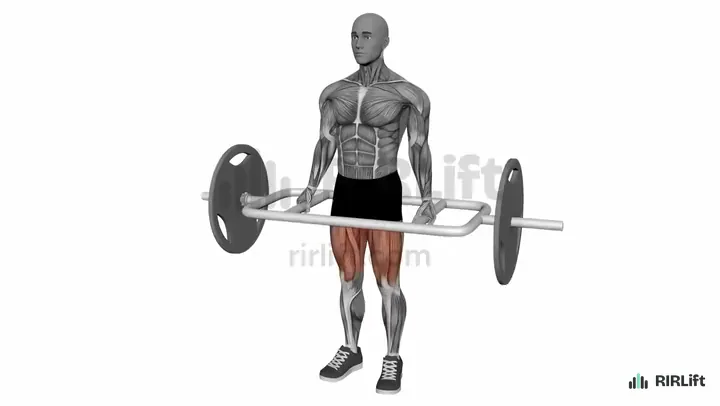
Trap Bar Deadlift

Quads, Glutes

Throwing velocity and bat speed start with the legs pushing into the ground. The trap bar is a heavy lower-body lift most players learn quickly, and it keeps the bar off the shoulders, which matters for anyone who throws.

How to do it

  1. Step into the middle of the hex bar and grip the handles evenly.
  2. Sit the hips back with a flat back and long arms.
  3. Drive through the whole foot until hips and knees lock together.
  4. Lower with control along the same path.

Cues

  • Spread the floor with your feet
  • Flat back
  • Finish tall, don't lean back

Common mistakes

  • Rounding the back to reach the handles: use the raised handles or lower the hips.
  • Turning every set into a max: stop with 2 reps left.

Swap for: Kettlebell Deadlift, Barbell Deadlift, Dumbbell Romanian Deadlift

Single-leg strength for the stride

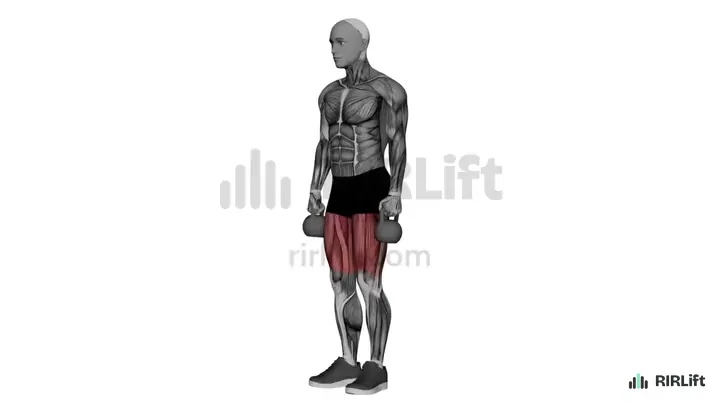
Reverse Lunge

Quads, Glutes

Pitching and hitting both push off one leg and land on the other. Reverse lunges load one leg at a time while the step back is easy on the knees.

How to do it

  1. Stand tall holding a kettlebell in each hand at your sides.
  2. Step one foot back and lower until the back knee nearly touches the floor.
  3. Keep most of your weight on the front foot.
  4. Push through the front foot to step back up, then alternate or finish one side.

Cues

  • Step long, drop straight down
  • Front foot does the work
  • Tall chest

Common mistakes

  • Short steps that push the front knee far over the toes: step back further.
  • Wobbling side to side: narrow the load or slow down.

Swap for: Bulgarian Split Squat, Dumbbell Reverse Lunge, Step-Up

Lateral strength for the leg drive and fielding

Dumbbell Lateral Lunge

Quads, Glutes, Adductors

The pitching delivery moves sideways down the mound, and fielders shuffle and lunge laterally. Lateral lunges build strength and range in that side-to-side direction.

How to do it

  1. Hold a dumbbell at your chest and stand with feet together.
  2. Step wide to one side and sit your hips back over that foot.
  3. Keep the trailing leg straight and both feet flat.
  4. Push off the bent leg to return to the start.

Cues

  • Sit back, not down
  • Trail leg straight
  • Push back hard

Common mistakes

  • Letting the bent knee cave in: keep it over the toes.
  • Lifting the heel of the working foot: sit back further.

Swap for: Cossack Squat, Kettlebell Lateral Lunge, Skater Hop

Balance and hamstrings on one leg

Single-Leg RDL

Hamstrings, Glutes

Every throw finishes with you balanced over the front leg as your torso folds over it. The single-leg RDL trains that same position under control.

How to do it

  1. Hold a dumbbell in the hand opposite your standing leg.
  2. Hinge forward while the free leg reaches back.
  3. Lower until your torso is close to parallel with the floor.
  4. Return to tall by pushing the standing hip forward.

Cues

  • Hips square
  • Long line from head to heel
  • Slow lowering

Common mistakes

  • Twisting open at the hip: point the back toes down.
  • Rushing the reps: take two seconds to lower.

Swap for: Dumbbell Romanian Deadlift, Dumbbell B-Stance RDL, Romanian Deadlift

Rotational power and trunk

Rotational throws build swing and throwing speed, slams build general power, and the Pallof press trains the trunk to stop rotation.

Rotational power for hitting and throwing

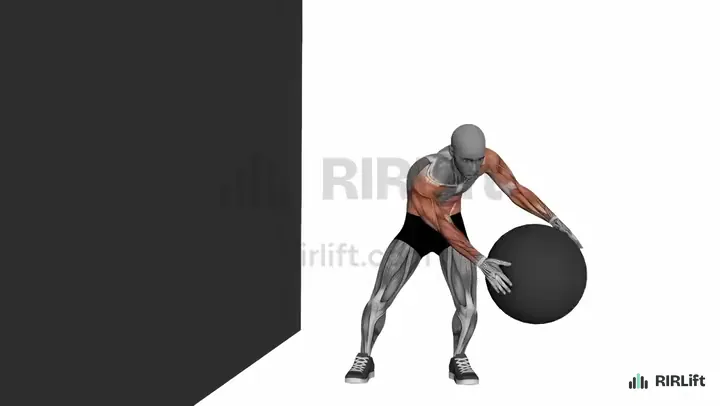
Med Ball Rotational Throw

Abs

Bat speed and arm speed both depend on the hips rotating fast and the trunk passing that speed up the chain. Rotational med ball throws train it explosively, which is why they show up in nearly every baseball program.

How to do it

  1. Stand side-on to a wall in your hitting stance, holding a medicine ball at your back hip.
  2. Load into the back leg as you would before a swing.
  3. Turn the hips hard and throw the ball into the wall.
  4. Catch, reset, and repeat. Train both sides.

Cues

  • Load, then turn
  • Hips lead the arms
  • Throw through the wall

Common mistakes

  • Throwing only with the arms: start with the back hip.
  • Training only your dominant side: do both directions.

Swap for: Med Ball Woodchop, Landmine Rotational Press, Cable Woodchop

Full-body power

Medicine Ball Slam

Lats, Abs

Slams teach you to produce force with the whole body and release it, without any catching. They're a good first power drill for younger players.

How to do it

  1. Stand with feet about shoulder-width holding a medicine ball.
  2. Reach the ball overhead and rise onto your toes.
  3. Slam it into the floor in front of you as hard as you can, bending the hips and knees.
  4. Pick it up and repeat.

Cues

  • Reach tall
  • Slam with the whole body
  • Exhale hard

Common mistakes

  • Slamming with the arms only: hinge the hips into it.
  • Using a bouncy ball: use a slam ball that stays down.

Swap for: Med Ball Rotational Throw, Battle Rope Slam, Kettlebell Swing

Trunk control for the swing

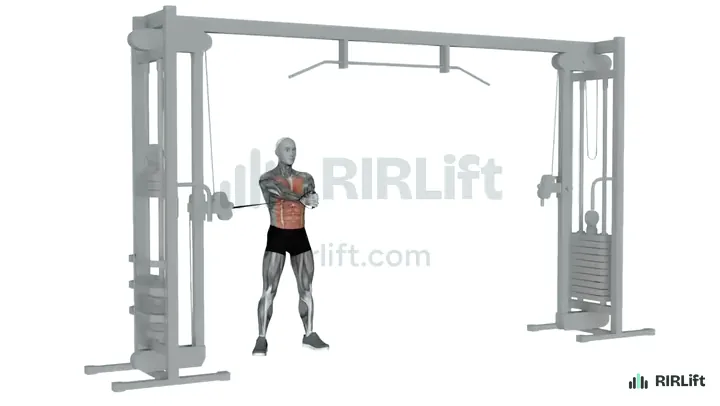
Pallof Press

Abs

Powerful swings need a trunk that rotates on purpose and stops on purpose. The Pallof press trains the stopping part: resisting twist under load.

How to do it

  1. Stand side-on to a cable at chest height, handle at your chest.
  2. Step out until you feel firm pull.
  3. Press the handle out and hold it steady in the middle of your body.
  4. Bring it back in and repeat, then turn around.

Cues

  • Don't let it twist you
  • Ribs down
  • Breathe out on the press

Common mistakes

  • Letting the arms drift to the cable: reduce weight.
  • Leaning away: stay tall.

Swap for: Side Plank, Dead Bug, Landmine Twist

Explosive leg power

Box Jump

Quads, Glutes, Hamstrings

Running the bases and getting a jump on a fly ball need fast force. Box jumps train it with soft landings.

How to do it

  1. Stand a short step from a sturdy box.
  2. Dip into a quarter squat and swing the arms back.
  3. Spring onto the box and absorb the landing quietly.
  4. Straighten up on top, then step back down.

Cues

  • Quick dip
  • Soft landing
  • Step down

Common mistakes

  • Using a box so tall you land in a deep squat: lower the box.
  • Jumping tired: keep sets short.

Swap for: Jump Squat, Lateral Box Jump, Single-Leg Box Jump

Build a session with Box Jump

Upper back and arm care

Throwers need more pulling than pushing. Rows, face pulls and external rotations take care of the back of the shoulder; the landmine press and push-ups are the presses that suit it best.

Upper-back strength for the arm

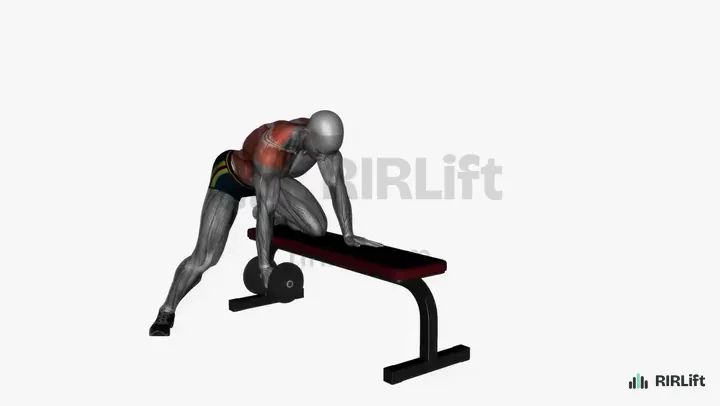
One-Arm Dumbbell Row

Lats, Upper Back

Rows build the upper back and the muscles around the shoulder blade that slow the arm down after a throw. Pulling should outnumber pushing in a thrower's program.

How to do it

  1. Brace one hand and knee on a bench with a flat back.
  2. Hold the dumbbell at arm's length under your shoulder.
  3. Row the elbow back to your hip.
  4. Lower to a full stretch.

Cues

  • Elbow to the hip
  • Shoulder blade moves
  • Torso still

Common mistakes

  • Twisting the torso: keep the shoulders square.
  • Shrugging: lead with the elbow.

Swap for: Seal Row, Single-Arm Cable Row, Inverted Row

Rear shoulder and upper back

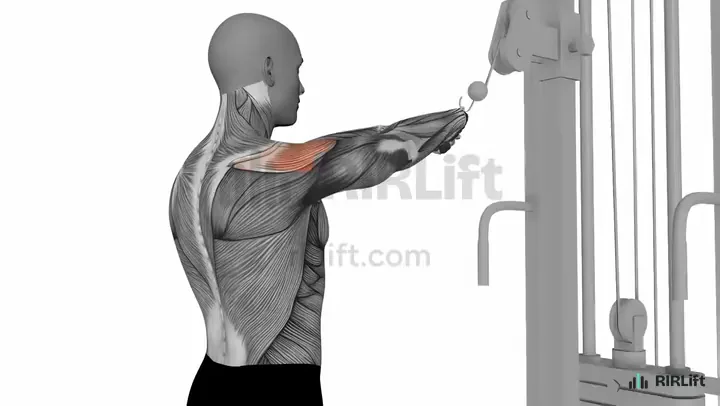
Face Pull

Shoulders, Upper Back

Face pulls work the rear delts and the muscles between the shoulder blades, which tend to lag in throwers. High reps with light weight are enough.

How to do it

  1. Set a rope on a cable at about head height.
  2. Grip with thumbs toward you and step back.
  3. Pull the rope toward your face, spreading the ends apart beside your ears.
  4. Return slowly and repeat.

Cues

  • Pull the rope apart
  • Elbows high
  • Pause at the face

Common mistakes

  • Leaning back to move more weight: stay upright and light.
  • Pulling to the chest: aim for the face.

Swap for: Band Face Pull, Dumbbell Rear Delt Fly, Reverse Pec Deck

Build a session with Face Pull

Rotator cuff strength

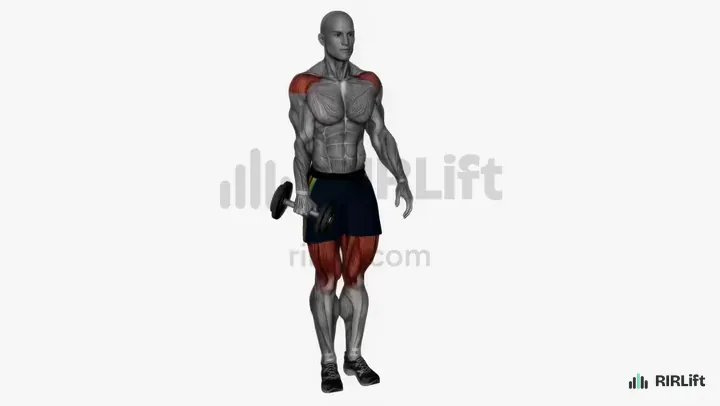
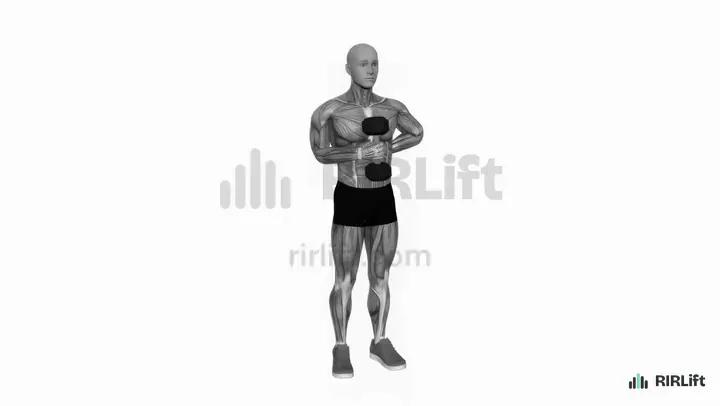
Dumbbell External Rotation

Shoulders

External rotation work strengthens the small muscles on the back of the shoulder. Most baseball programs include it as light, regular arm care.

How to do it

  1. Stand holding a light dumbbell, elbow bent to 90 degrees and tucked against your side, forearm across your belly.
  2. Keep the elbow pinned to your ribs.
  3. Rotate the forearm out to the side as far as you can without the elbow moving.
  4. Return slowly and repeat, then switch arms.

Cues

  • Elbow pinned
  • Slow both ways
  • Very light weight

Common mistakes

  • Using too much weight so the elbow lifts: go lighter.
  • Rushing the reps: take two seconds each way.

Swap for: Dumbbell Lying External Rotation, Band Face Pull, Face Pull

Shoulder-friendly pressing

Landmine Press

Shoulders

Pressing on an angle is easier on throwing shoulders than straight overhead, because the bar travels up and forward on an arc instead of over your head.

How to do it

  1. Wedge one end of a barbell in a landmine or corner and stand square to the free end, feet about shoulder width.
  2. Hold the end of the bar at your upper chest with both hands, elbows under it.
  3. Brace and press the bar up and forward until your arms are straight, letting the shoulder blades move with it.
  4. Lower it back to your chest and repeat.

Cues

  • Reach at the top
  • Ribs down
  • Press on the angle

Common mistakes

  • Arching the lower back: brace harder.
  • Shrugging the shoulder up: let it reach forward instead.

Swap for: Landmine Rotational Press, Push-Up, Single-Arm Dumbbell Shoulder Press

Bodyweight pushing

Push-Up

Chest

Push-ups let the shoulder blades move freely, which is why many throwers prefer them to heavy bench pressing.

How to do it

  1. Place your hands slightly wider than your shoulders.
  2. Keep your body straight from head to heels.
  3. Lower until your chest nearly brushes the floor.
  4. Push back up, spreading the shoulder blades at the top.

Cues

  • Body like a plank
  • Elbows at 45 degrees
  • Push the floor away

Common mistakes

  • Hips sagging: squeeze the glutes.
  • Half reps: lower all the way.

Swap for: Push-Up Plus, Incline Push-Up, Flat Dumbbell Press

Build a session with Push-Up

Grip

Carries give you grip and trunk strength in one exercise.

Grip and trunk stability

Farmer's Walk

Forearms, Traps, Shoulders

Grip strength helps you hold the bat, and walking with heavy weights trains the trunk to stay stable. It's simple and hard to do wrong.

How to do it

  1. Pick up a heavy dumbbell or kettlebell in each hand.
  2. Stand tall with shoulders back.
  3. Walk with short, quick steps for the set distance.
  4. Set the weights down under control.

Cues

  • Tall posture
  • Crush the handles
  • Short steps

Common mistakes

  • Leaning to one side: use even weights.
  • Shuffling with a rounded back: lighten the load.

Swap for: Dumbbell Suitcase Carry, Plate Pinch Deadlift, Dumbbell Single-Arm Overhead Carry

Put them together: example sessions

Each session below picks from the exercises above for one situation, with the sets, reps, rest and RIR filled in. Open one in the session builder to change a pick, price it from a recent set, and add it to RIRLift.

Session 1

Off-season: three days for position players and pitchers

Open in the session builder
  • Workouts3× a week
  • Working sets49 a week
  • Per workout~45 min
  • EquipmentPlyo Box, Trap Bar, Dumbbells, Landmine +2

Your season has ended, throwing is reduced or paused, and you have two to three months to get stronger.

The off-season is where strength is built. Each session starts with power work while you are fresh, then a main leg lift, then pulling and arm care. Pulling sets outnumber pushing sets about two to one. Main lifts stop 2 reps short of failure, which builds strength steadily and keeps you ready to start a throwing program on time.

Day 1
ExerciseSets × repsRIRRest
Box Jump 3 × 3–5 3 90 s
Trap Bar Deadlift2 warm-up sets first 4 × 4–6 2 3 min
One-Arm Dumbbell RowPer arm. 3 × 8–12 2 75 s
Landmine Press 3 × 6–10 2 75 s
Dumbbell External RotationPer arm. 2 × 12–15 2 45 s

Open Day 1 in the session builder

Day 2
ExerciseSets × repsRIRRest
Med Ball Rotational ThrowPer side. 4 × 5 3 1 min
Reverse LungePer leg. 3 × 6–10 2 90 s
Single-Leg RDLPer leg. 3 × 8–10 2 75 s
Face Pull 3 × 12–15 1 45 s
Pallof PressPer side. 3 × 10–12 2 45 s

Open Day 2 in the session builder

Day 3
ExerciseSets × repsRIRRest
Medicine Ball Slam 3 × 5–6 3 1 min
Dumbbell Lateral LungePer side. 3 × 8–10 2 75 s
Trap Bar Deadlift2 warm-up sets first 3 × 3–5 2 3 min
One-Arm Dumbbell RowPer arm. 3 × 8–12 2 75 s
Push-Up 3 × 8–15 2 1 min
Farmer's Walk30 m walks. 3 × 1 2 90 s

Open Day 3 in the session builder

How to run it
Lift three non-consecutive days a week. When throwing ramps back up, move to the in-season plan.
How to progress
Add weight to the trap bar, lunges and rows when every set reaches the top of its range at the target reps in reserve. Keep throws and jumps at the same reps but make each one faster.

Session 2

In season: two short sessions around games or starts

Open in the session builder
  • Workouts2× a week
  • Working sets18 a week
  • Per workout~25 min
  • EquipmentTrap Bar, Dumbbells, Medicine Ball, Adjustable Cable

You're playing games every week. Starting pitchers lift the day after a start and again mid-rotation; position players lift two days away from games.

In season, the goal is to keep strength while games and throwing take priority. Each session has two or three sets, lower reps, and stops 3 reps short of failure so you're never sore for a game. The heavy lift moves to session one, right after a start or game, giving the body the most days to recover before the next one.

Day After
ExerciseSets × repsRIRRest
Trap Bar Deadlift2 warm-up sets first 3 × 3–4 3 3 min
Single-Leg RDLPer leg. 2 × 6–8 3 75 s
One-Arm Dumbbell RowPer arm. 2 × 8–10 3 75 s
Dumbbell External RotationPer arm. 2 × 12–15 3 45 s

Open Day After in the session builder

Mid-Week
ExerciseSets × repsRIRRest
Med Ball Rotational ThrowPer side. 3 × 4 3 1 min
Reverse LungePer leg. 2 × 6–8 3 90 s
Face Pull 2 × 12–15 2 45 s
Pallof PressPer side. 2 × 10 3 45 s

Open Mid-Week in the session builder

How to run it
Session one the day after a start or game. Session two two days later. Skip session two in weeks with extra games.
How to progress
Hold loads steady. If a lift feels lighter than its usual reps in reserve, add a little weight but never a set.

Session 3

High school player new to the weight room

Open in the session builder
  • Workouts2× a week
  • Working sets27 a week
  • Per workout~30 min
  • EquipmentMedicine Ball, Dumbbells, Adjustable Cable

You're a younger player starting to lift for the first time and want a safe, simple plan.

Every exercise here can be learned in a session or two and loaded with dumbbells, kettlebells or bodyweight. Rep ranges sit at 8 to 12 and every set stops 3 reps short of failure, so you build strength while learning what a hard-but-controlled set feels like. Slams and carries cover power and grip without complex technique.

Full Body A
ExerciseSets × repsRIRRest
Medicine Ball Slam 3 × 5–6 3 1 min
Reverse LungePer leg. 3 × 8–10 3 75 s
One-Arm Dumbbell RowPer arm. 3 × 8–12 3 1 min
Push-Up 3 × 8–12 3 1 min
Dumbbell External RotationPer arm. 2 × 12–15 3 45 s

Open Full Body A in the session builder

Full Body B
ExerciseSets × repsRIRRest
Dumbbell Lateral LungePer side. 3 × 8–10 3 75 s
Single-Leg RDLPer leg. 2 × 8–10 3 1 min
Face Pull 3 × 12–15 3 45 s
Pallof PressPer side. 2 × 10–12 3 45 s
Farmer's Walk30 m walks. 3 × 1 3 90 s

Open Full Body B in the session builder

How to run it
Lift twice a week on non-consecutive days, alongside practice.
How to progress
When every set hits 12 reps at 3 reps in reserve, move up to the next dumbbell. After two to three months, move to the off-season plan.

Make it fit you

Questions

undefined

undefined

undefined

undefined

undefined

undefined