
Bodyweight full body exercises: legs, push, pull and core
Published October 19, 2026
The best bodyweight full body exercises are the squat and its harder single-leg versions (cossack, skater and pistol squats) for your legs, the Nordic curl and superman for the back of your body, push-ups and pike push-ups for your chest, shoulders and triceps, pull-ups and chin-ups for your back, and the side plank, hanging knee raise and bear crawl for your core. Pick one from each group and you have trained everything. Without a pull-up bar, your back gets very little work, so a doorway bar is the one thing worth buying.
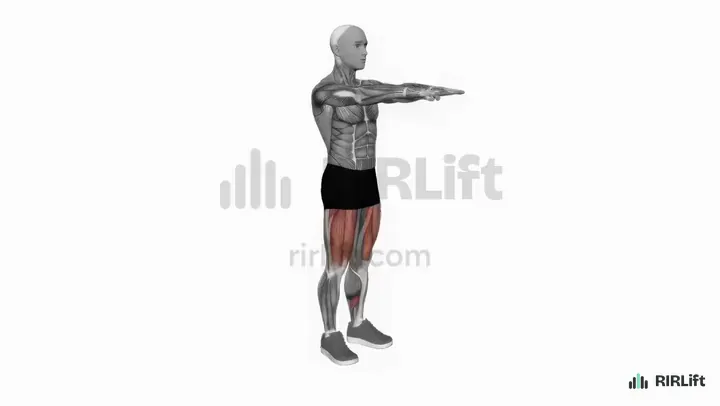
- Bodyweight Squat Quads
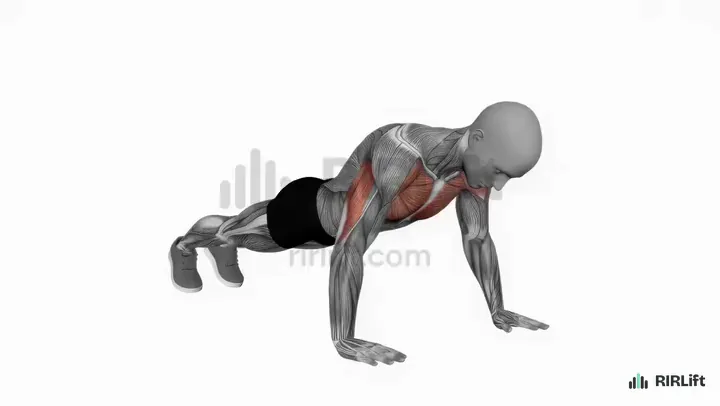
- Push-Up Chest
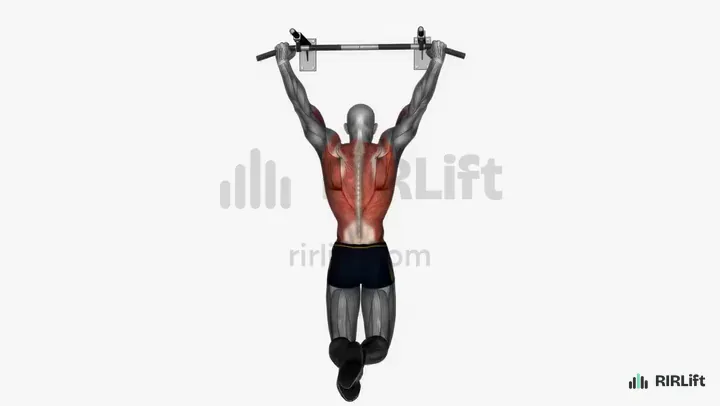
- Pull-Up Lats
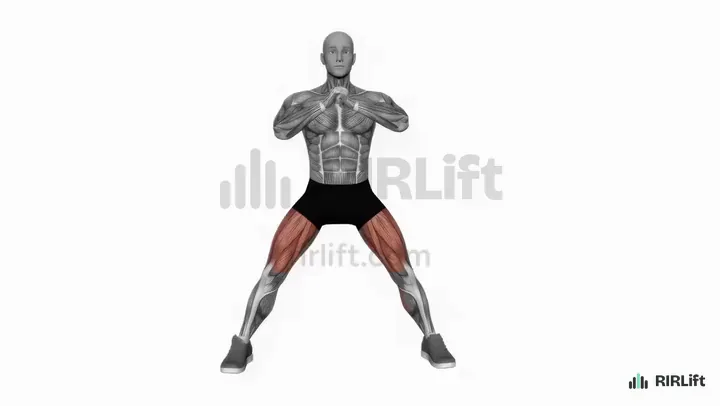
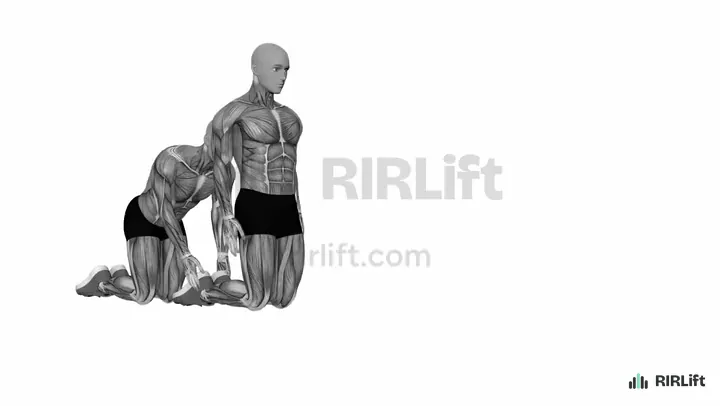
- Cossack Squat Quads, Adductors
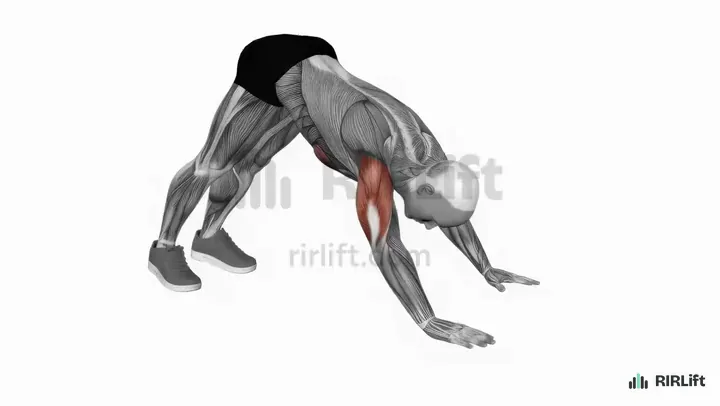
- Pike Push-Up Shoulders
- Nordic Hamstring Curl Hamstrings
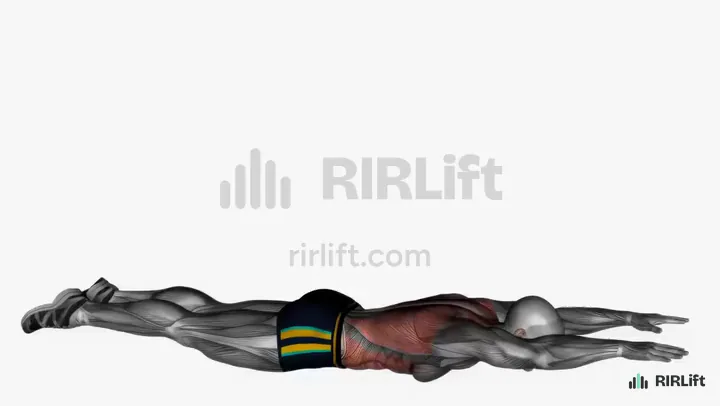
- Superman Lower Back
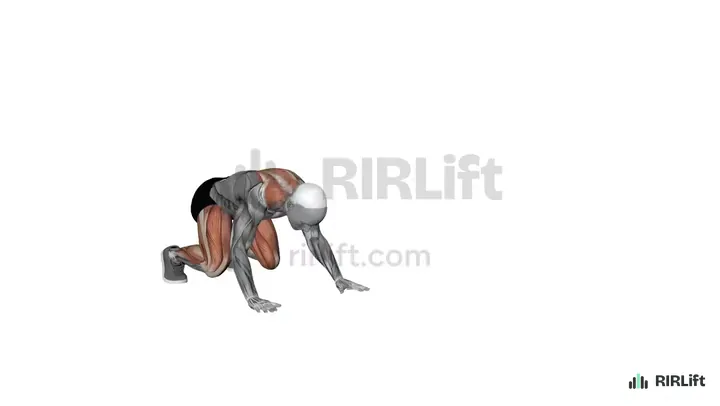
- Bear Crawl Abs, Shoulders
Put them together: example sessions
Each session below picks from the exercises above for one situation, with the sets, reps, rest and RIR filled in. Open one in the session builder to change a pick, price it from a recent set, and add it to RIRLift.
-
Session 1
20 minutes, three times a week, no bar
You have a floor, a wall and about 20 minutes, and nothing to hang from.
3× a week · 36 sets a week · ~25 min
-
Session 2
Doorway bar, upper and lower days
You own a pull-up bar, want to train four days a week, splitting upper and lower body so each session is shorter and harder.
4× a week · 48 sets a week · ~25 min
-
Session 3
Past the basics: single-leg and harder pushes
You can already do 25 push-ups, 8 pull-ups and 15 skater squats a side, and your workouts have turned into long sets of easy reps.
3× a week · 48 sets a week · ~40 min
Session 1
20 minutes, three times a week, no bar
- Workouts3× a week
- Working sets36 a week
- Per workout~25 min
- EquipmentBodyweight
You have a floor, a wall and about 20 minutes, and nothing to hang from.
Six exercises in one session cover legs, push, the back of the body and core without needing anything. With no bar, the superman stands in for pulling and is done every session. Two sets each keeps the session short, and taking each set to 1 rep in reserve, close to failure, is what makes body-weight sets count, because the load can't go up. Twelve working sets, three times a week, gives each muscle six hard sets a week.
| Exercise | Sets × reps | RIR | Rest |
|---|---|---|---|
| Cossack SquatPer side. Go deeper each week. | 2 × 8–15 | 1 | 1 min |
| Push-Up | 2 × 8–25 | 1 | 1 min |
| Bodyweight Squat3 s down, 1 s pause. | 2 × 15–30 | 1 | 45 s |
| Pike Push-UpHips high. | 2 × 6–15 | 1 | 1 min |
| SupermanHold 2 s at the top. | 2 × 10–15 | 1 | 45 s |
| Side PlankSeconds per side. | 2 × 20–45 | 1 | 45 s |
- How to run it
- Do the session three times a week with a day between, for example Monday, Wednesday and Friday. Rest 45 to 60 seconds between sets to stay inside 20 minutes.
- How to progress
- Add reps until you reach the top of the range at 1 rep in reserve. Then make the exercise harder: slow squats with a three-second descent, feet elevated on push-ups, hips higher on pike push-ups, and cossack squats deeper.
Session 2
Doorway bar, upper and lower days
- Workouts4× a week
- Working sets48 a week
- Per workout~25 min
- EquipmentPull-Up Bar
You own a pull-up bar, want to train four days a week, splitting upper and lower body so each session is shorter and harder.
With a bar the upper day can pair every push with a pull: pull-ups with pike push-ups and chin-ups with close-grip push-ups, so your back gets as many sets as your chest and shoulders. The lower day moves to single-leg squats and the Nordic curl, which stay hard without weights. Three sets on the main pull and squat, two on the rest, at 1 rep in reserve; pull-ups go to 2 in reserve because a missed rep there costs form, not just a rep.
| Exercise | Sets × reps | RIR | Rest |
|---|---|---|---|
| A1 Pull-UpFull hang every rep. | 3 × 4–10 | 2 | 90 s |
| A2 Pike Push-Up | 3 × 6–15 | 1 | 90 s |
| B1 Chin-Up | 2 × 5–12 | 1 | 90 s |
| B2 Close-Grip Push-Up | 2 × 8–20 | 1 | 90 s |
| Hanging Knee RaiseTuck the tailbone. | 2 × 8–15 | 1 | 1 min |
Open Upper in the session builder
| Exercise | Sets × reps | RIR | Rest |
|---|---|---|---|
| Skater SquatPer leg. Arms forward. | 3 × 6–15 | 1 | 90 s |
| Nordic Hamstring CurlLower as slowly as you can. | 3 × 3–8 | 1 | 2 min |
| Cossack SquatPer side. | 2 × 8–12 | 1 | 1 min |
| Superman | 2 × 10–15 | 1 | 45 s |
| Side PlankSeconds per side. | 2 × 30–60 | 1 | 45 s |
Open Lower in the session builder
- How to run it
- Train Upper, Lower, rest, Upper, Lower, rest, rest. Superset each push and pull pair: do one set, rest 60 seconds, do the other.
- How to progress
- When pull-ups reach 10 at 2 in reserve, slow the lowering to four seconds. When skater squats reach 15, hold the back foot higher off the floor or add a pause at the bottom. Nordic curls progress by lowering more slowly through a bigger range.
Session 3
Past the basics: single-leg and harder pushes
- Workouts3× a week
- Working sets48 a week
- Per workout~40 min
- EquipmentPull-Up Bar
You can already do 25 push-ups, 8 pull-ups and 15 skater squats a side, and your workouts have turned into long sets of easy reps.
Every exercise here is the hard end of its group: pistols to a box, Nordic curls, plank to push-ups and full pull-ups. Harder versions let you keep reps in the 5 to 15 range, where you can tell how close you are to failure and stop at 1 rep in reserve. Three sessions a week of one routine is 16 working sets, enough for experienced trainees without equipment to keep progressing.
| Exercise | Sets × reps | RIR | Rest |
|---|---|---|---|
| Pistol Squat1 warm-up set firstPer leg. Lower the box over time. | 3 × 5–10 | 1 | 2 min |
| Pull-Up | 3 × 5–12 | 1 | 2 min |
| Plank to Push-UpPer lead arm. | 2 × 6–12 | 1 | 90 s |
| Nordic Hamstring Curl | 2 × 3–8 | 1 | 2 min |
| Pike Push-Up | 2 × 8–15 | 1 | 90 s |
| Hanging Knee Raise | 2 × 10–15 | 1 | 1 min |
| Bear CrawlSteps each way. | 2 × 10–20 | 2 | 1 min |
- How to run it
- Do the session three times a week. Warm up with a set of air squats and push-ups at an easy pace first.
- How to progress
- Lower the pistol box one step whenever you hit 10 reps a side. Add a third set to the pull-up once you reach 10 reps at 1 in reserve. Finish with bear crawls for distance, adding a lap each week.
Make it fit you
-
No pull-up bar and none coming
Run the 20-minute plan and add a third set of supermans. Your back will lag your chest over time, which is why a doorway bar is the best purchase for this kind of training.
-
Can't do a push-up or pull-up yet
Do push-ups with your hands on a counter and lower the surface every week. For pull-ups, jump to the top and lower yourself as slowly as you can for three to five reps.
-
Reps keep climbing past 25
Move to the next exercise down the list in the same section instead of adding reps. Long sets build endurance more than muscle and make it hard to judge how many reps you had left.
-
Hamstrings cramp on Nordic curls
Start with only the top third of the lowering and catch yourself early. Add range a little each week; the cramping usually stops after a few sessions.
-
Want more conditioning
Superset the leg and push exercises with 30 seconds' rest, and finish with bear crawls. The same sets will raise your heart rate far more without cutting the reps you get.
-
Log the RIR, not just the reps
Note how many more reps you had on each set. If you log it in RIRLift, you can see when a variation stops being hard at the top of its range, which is the signal to move to the harder one.
Questions
Can you get fit with only bodyweight?
Yes. Push-ups, squats, pull-ups and their harder versions can build strength, muscle and conditioning, as long as you keep moving to harder variations so sets stay close to failure. The weak spot is pulling: you need a bar for your back to keep up.
What are some good full body exercises I can do at home?
Squats, cossack squats, push-ups, pike push-ups, supermans, side planks and bear crawls need nothing but the floor. Add pull-ups and chin-ups if you can fit a bar in a doorway.
Can you build muscle with bodyweight exercises?
Yes, if each set ends close to failure, within about 1 to 3 reps. That gets harder as you get stronger, so plan on moving from two-leg to single-leg squats and from push-ups to harder angles rather than doing ever more reps.
How do you train your back without equipment?
With almost nothing to pull from, the superman is the main option on the floor. It trains the lower back and glutes but not the lats. For the upper back and lats, a pull-up bar is the practical answer.
How many days a week should you do a bodyweight full body workout?
Three days of a full body session, or four if you split upper and lower body. Leave a day between sessions that train the same muscles.
How many sets and reps for bodyweight exercises?
Two or three sets per exercise, in a range of about 5 to 20 reps, stopping 1 to 2 reps short of failure. If you can do more than 20 or 25, switch to a harder variation.
Related templates
-
Bodyweight exercises: the 18 that build muscle, by muscle group
The wider body-weight library, with more beginner versions and dips.
-
Full body exercises at home, with or without equipment
Full body picks that also use dumbbells, bands and kettlebells.
-
Pull-up bar exercises for back, arms, grip and abs, with plans for your first rep to your first muscle-up
Everything you can do once you have a bar in a doorway.
-
The best workout for home, with little or no equipment
Full home programs for different gear and schedules.
-
RIR vs going to failure
How close to failure to take sets when the load can't go up.