
Full body exercises at home, with or without equipment
Published October 19, 2026
The best full body exercises at home are the bodyweight squat, Bulgarian split squat, single-leg hip thrust, push-up, pike push-up and dead bug, which need no equipment, plus pull-ups if you have a doorway bar and goblet squats, Romanian deadlifts and rows if you own dumbbells. A home session needs one squat or lunge, one hip move, one push, one pull and one core exercise. Do 2 to 4 sets of each, two to three times a week, and stop every set with 1 to 3 reps left.
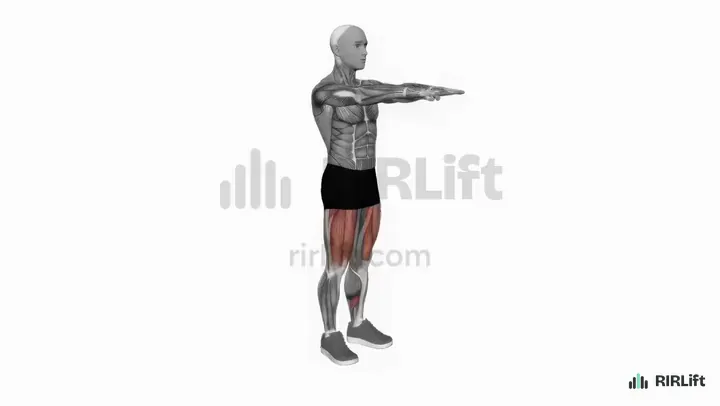
- Bodyweight Squat Quads
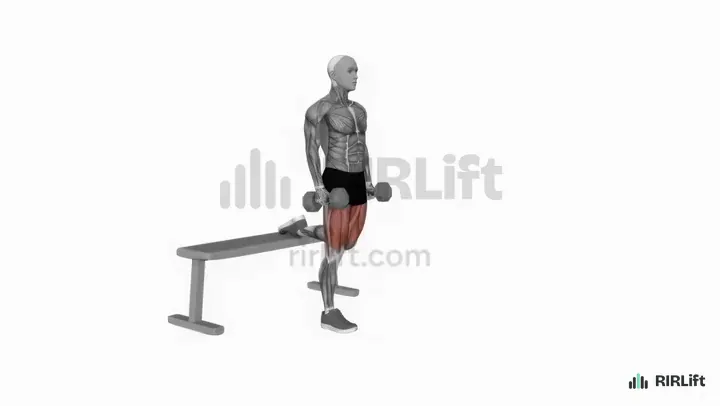
- Bulgarian Split Squat Quads, Glutes
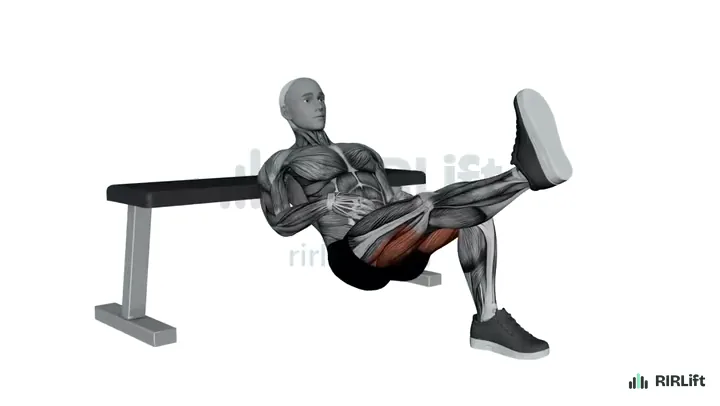
- Single-Leg Hip Thrust Glutes
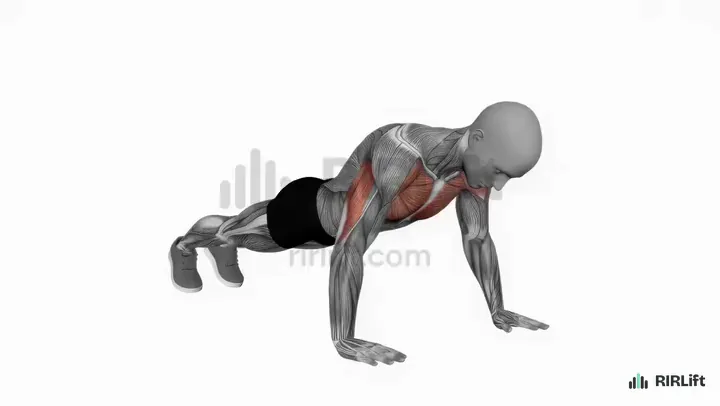
- Push-Up Chest
- Pike Push-Up Shoulders
- Pull-Up Lats
- One-Arm Dumbbell Row Lats, Upper Back
- Dead Bug Abs
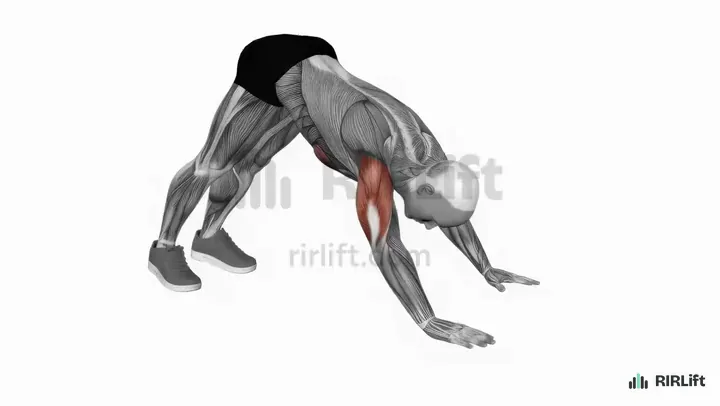
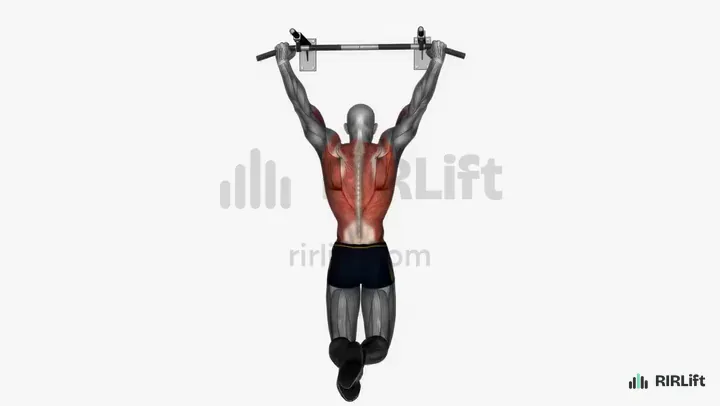
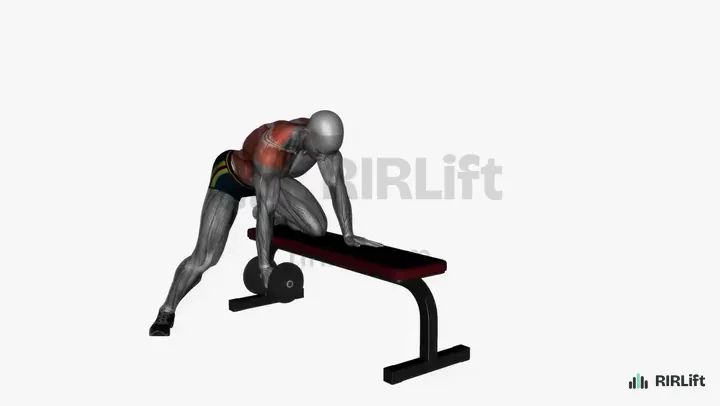
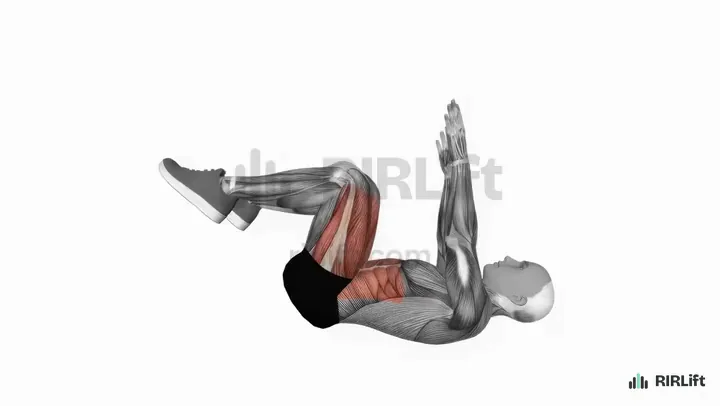
Put them together: example sessions
Each session below picks from the exercises above for one situation, with the sets, reps, rest and RIR filled in. Open one in the session builder to change a pick, price it from a recent set, and add it to RIRLift.
-
Session 1
No equipment at all
You have floor space, a couch or sturdy chair, and nothing else.
3× a week · 54 sets a week · ~40 min
-
Session 2
A doorway pull-up bar or suspension trainer
You have bought one piece of kit for pulling, a bar or straps over a door, and otherwise train with bodyweight.
3× a week · 44 sets a week · ~35 min
-
Session 3
A pair of dumbbells and a chair
You have one pair of dumbbells, a sturdy chair or couch and floor space.
3× a week · 48 sets a week · ~40 min
Session 1
No equipment at all
- Workouts3× a week
- Working sets54 a week
- Per workout~40 min
- EquipmentDumbbells
You have floor space, a couch or sturdy chair, and nothing else.
With only bodyweight, the legs need single-leg work to stay hard, so the session moves from squats to split squats and single-leg hip thrusts, while push-ups and pike push-ups cover the upper body. The superman stands in for a row; it is the one gap a bar would fill. Every set goes to 1 rep in reserve because bodyweight reps are easy to stop early.
| Exercise | Sets × reps | RIR | Rest |
|---|---|---|---|
| Bodyweight Squat3 s down once 25 is easy | 2 × 15–25 | 1 | 1 min |
| Bulgarian Split SquatReps per leg. Back foot on the couch | 3 × 8–15 | 1 | 90 s |
| Push-UpHands on a counter if needed | 3 × 8–20 | 1 | 90 s |
| Single-Leg Hip ThrustReps per leg | 3 × 10–15 | 1 | 1 min |
| Pike Push-Up | 3 × 6–12 | 1 | 90 s |
| Superman2 s hold each rep | 2 × 10–15 | 1 | 1 min |
| Dead BugReps per side | 2 × 8–12 | 1 | 1 min |
- How to run it
- Train three non-consecutive days a week. Go through the list in order; rest 60 to 90 seconds between sets.
- How to progress
- When you reach the top of a rep range, make the move harder rather than doing more reps: slow the lowering to 3 seconds, add a pause at the bottom, raise your feet for push-ups, or switch to the next harder version.
Session 2
A doorway pull-up bar or suspension trainer
- Workouts3× a week
- Working sets44 a week
- Per workout~35 min
- EquipmentPull-Up Bar, Dumbbells, Suspension Trainer
You have bought one piece of kit for pulling, a bar or straps over a door, and otherwise train with bodyweight.
The bar fills the pulling gap, so this plan swaps the superman for pull-ups or rows and gives them as many sets as push-ups. Two routines alternate the main legs and push moves so each gets two days a week. Pull-ups stop at 2 reps in reserve to keep form clean; everything else goes to 1.
| Exercise | Sets × reps | RIR | Rest |
|---|---|---|---|
| Pull-UpUse the TRX row if under 3 reps | 4 × 4–10 | 2 | 2 min |
| Bulgarian Split SquatReps per leg | 3 × 8–15 | 1 | 90 s |
| Push-Up | 3 × 10–20 | 1 | 90 s |
| Single-Leg Hip ThrustReps per leg | 3 × 10–15 | 1 | 1 min |
| Side PlankSeconds per side | 2 × 20–40 | 1 | 1 min |
Open Bar Day A in the session builder
| Exercise | Sets × reps | RIR | Rest |
|---|---|---|---|
| TRX RowFeet further forward to make it harder | 4 × 8–15 | 1 | 90 s |
| Bodyweight Squat3 s down | 3 × 15–25 | 1 | 1 min |
| Pike Push-Up | 3 × 6–12 | 1 | 90 s |
| Superman | 2 × 10–15 | 1 | 1 min |
| Dead BugReps per side | 2 × 8–12 | 1 | 1 min |
Open Bar Day B in the session builder
- How to run it
- Alternate A and B over three or four non-consecutive days. If you cannot do 3 pull-ups, use the suspension row in their place until you can.
- How to progress
- Add one rep per set to pull-ups each week if you can. When you reach the top of the range for all sets, slow the lowering to 3 seconds before adding weight or harder variations.
Session 3
A pair of dumbbells and a chair
- Workouts3× a week
- Working sets48 a week
- Per workout~40 min
- EquipmentDumbbells
You have one pair of dumbbells, a sturdy chair or couch and floor space.
Dumbbells let you load the patterns bodyweight cannot: the goblet squat and Romanian deadlift load the legs and hips, the floor press loads the chest, and the one-arm row braced on a chair gives you a heavy pull. Push-ups stay as a finisher. Weighted lifts sit at 2 reps in reserve so you can add weight in small steps; bodyweight moves go to 1.
| Exercise | Sets × reps | RIR | Rest |
|---|---|---|---|
| Goblet Squat1 warm-up set first | 3 × 10–15 | 2 | 90 s |
| Dumbbell Romanian Deadlift | 3 × 10–15 | 2 | 90 s |
| Dumbbell Floor Press | 3 × 10–15 | 2 | 90 s |
| One-Arm Dumbbell RowReps per arm. Braced on a chair | 3 × 10–15 | 2 | 90 s |
| Push-UpTo 1 rep in reserve | 2 × 8–20 | 1 | 1 min |
| Side PlankSeconds per side | 2 × 20–40 | 1 | 1 min |
- How to run it
- Train three non-consecutive days a week. Use one dumbbell for the goblet squat and the row, and the pair for the Romanian deadlift and floor press.
- How to progress
- Work each lift up to the top of its range, then slow the lowering. When your dumbbells get light for the legs, swap goblet squats for Bulgarian split squats holding both weights.
Make it fit you
-
Make bodyweight moves harder without weights
Before adding reps past 20, slow the lowering to 3 seconds, add a 2-second pause at the bottom, or switch to a one-leg or one-arm version. Each change keeps sets near failure in fewer reps.
-
Short on space
Every exercise here fits in a space the size of a yoga mat, apart from the suspension row. Split squats and hip thrusts only need a couch edge.
-
The one thing to buy
If you can only buy one item, get a doorway pull-up bar or suspension straps, since pulling is the pattern you cannot cover with bodyweight on the floor. Dumbbells come next, mostly for the legs.
-
Short on time
Pair a leg move with an upper-body move and do them back to back, such as split squats with push-ups. The session drops to about 20 minutes with the same sets.
-
Knees or wrists complain
Do push-ups on dumbbell handles or your fists to keep the wrists straight, and swap the Bulgarian split squat for the single-leg hip thrust if the knee bend bothers you.
-
Write down the reps you had left
At home the weight rarely changes, so reps and reps in reserve are your progress. Import a plan into RIRLift and log reps and RIR on every set, to see when a move needs the next harder version.
Questions
What exercises are needed for a full body workout at home?
One squat or lunge, one hip move for the glutes and hamstrings, one push, one pull and one core exercise. At home with nothing, that can be split squats, single-leg hip thrusts, push-ups, supermans and dead bugs; add pull-ups or rows when you get a bar or dumbbells.
Can you build muscle with full body exercises at home?
Yes, as long as each set ends close to failure and the exercises get harder over time. Bodyweight progresses through harder variations and slower reps; dumbbells and a pull-up bar make that easier, especially for legs and back.
How often should a beginner do a full body workout at home?
Two or three times a week, with at least a day off between sessions. That gives each muscle frequent practice and time to recover.
Should beginners use machines or free weights?
Either builds muscle. At home you will mostly use bodyweight and free weights, which work fine: start with the easier versions, learn each movement, and add load or difficulty once you can do the top of the rep range with 1 to 2 reps left.
How long should a full body workout at home take?
20 to 45 minutes. Five to seven exercises of 2 to 3 sets with 60 to 90 seconds of rest takes about 30 minutes; pairing exercises back to back cuts that further.
How do I train my back at home without equipment?
Supermans train the lower back. For the lats and upper back you need something to pull against: a doorway pull-up bar, suspension straps, or a dumbbell for rows. Without any of those, back training stays limited.
How many reps should I do of each exercise?
Anywhere from about 6 to 25 reps builds muscle if the set ends 1 to 3 reps short of failure. If you can do more than 25, switch to a harder variation.
Related templates
-
Bodyweight full body exercises: legs, push, pull and core
Only bodyweight moves, with more push-up, squat and core variations.
-
Full body exercises for beginners: one squat, hinge, push, pull and core
Fewer exercises and longer rep targets if you are just starting.
-
Dumbbell full body exercises, by movement pattern
A full-body list built around a pair of dumbbells.
-
The best workout for home, with little or no equipment
Multi-week home programs built from these exercises.
-
Lifting with limited equipment
How to keep progressing when you only have a few weights.