
Cable pull-through: how to hinge it right, what it works, and what to swap it for
Published October 19, 2026
A cable pull-through is a hip hinge done facing away from a low cable, holding a rope between your legs. You push your hips back until you feel your hamstrings stretch, then drive them forward to stand tall and squeeze your glutes. The cable pulls backward rather than down, so it trains your glutes and hamstrings with very little load on your lower back, and it is one of the easiest ways to learn the hinge.
- WorksGlutes, Hamstrings
- AlsoLower Back
- EquipmentAdjustable Cable
- Start with3 × 8–12, 2 in reserve, 2 min rest
How to do the cable pull-through
Because the cable pulls from behind, your back never has to hold a heavy bar, which makes this a good glute exercise to train close to failure and a gentle way to learn hinging before deadlifts. It also keeps tension at the top, where your glutes finish the movement.
Steps
- Set a rope on the lowest pulley, face away from the stack, and reach between your legs to grab both ends.
- Walk forward two or three steps so the weight lifts off the stack, and set your feet a bit wider than your hips.
- With a soft bend in your knees, push your hips back toward the machine and let the rope travel back through your legs while your back stays flat.
- Stop when you feel a strong stretch in your hamstrings, usually with your torso close to 45 degrees.
- Drive your hips forward until you stand straight, squeezing your glutes, with your arms staying long the whole time.
Cues
- Hips back, not down
- Arms are just hooks
- Stand tall, do not lean back
Common mistakes
- Squatting the weight: if your knees bend a lot and your hips drop, you are using your quads. Keep the shins nearly vertical and reach back with your hips.
- Pulling with your arms: the rope should rise only because your hips extend. Keep your elbows straight.
- Leaning back at the top: finish standing straight with your ribs down; arching past vertical shifts the effort to your lower back.
Swap for: Romanian Deadlift, Kettlebell Swing, Hip Thrust
Muscles the cable pull-through works
The cable pull-through works the glutes and hamstrings, which extend the hip. Your lower back muscles hold your spine still, but they carry much less load than in a deadlift or good morning. Your grip and abs work only lightly.
Sets, reps and reps in reserve for the cable pull-through
| Goal | Sets × reps | RIR | Rest |
|---|---|---|---|
| Build glutes | 3–4 × 10–15 | 1–2 | 90 s |
| Pause for a second at the top of every rep. | |||
| Learning the hinge | 3 × 12–15 | 3 | 60–90 s |
| Light weight; film a set from the side to check that your hips move back. | |||
| Finisher | 2–3 × 15–20 | 0–1 | 60 s |
| Use it after squats or deadlifts when your back is already tired. | |||
Cable pull-through variations
-
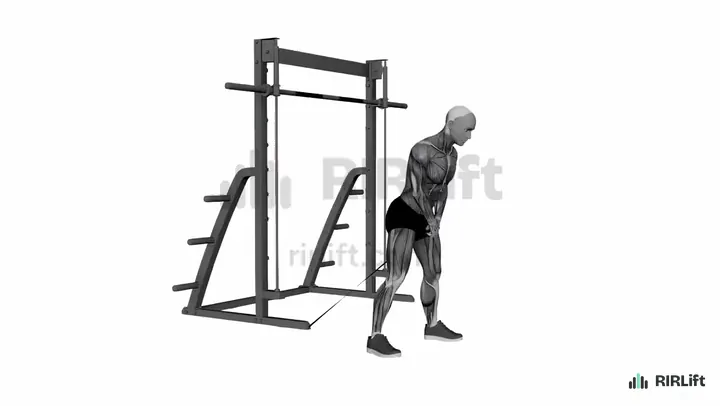
Band Pull-Through
Anchor a band low behind you when you train at home or want to warm up the hinge.
Build a session with it -
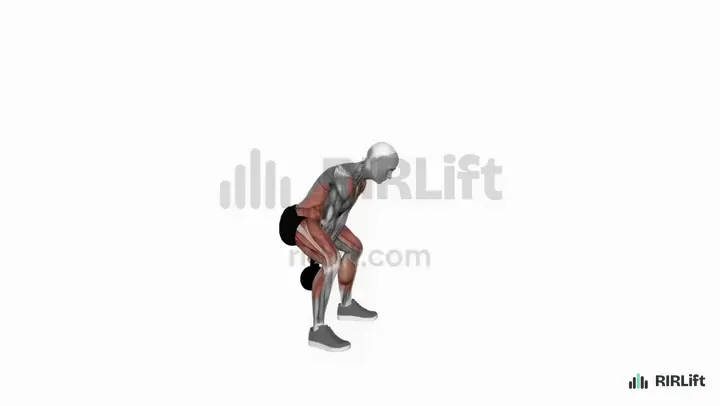
Kettlebell Swing
Swing a kettlebell when you want the same hip drive done fast and explosive.
Build a session with it -
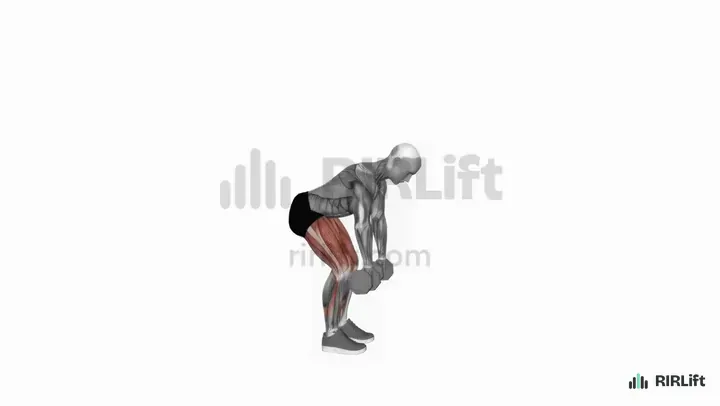
Dumbbell Romanian Deadlift
Hold dumbbells and hinge when you have no cable and want more hamstring stretch.
Build a session with it
Cable pull-through alternatives
Heavier hinges
-
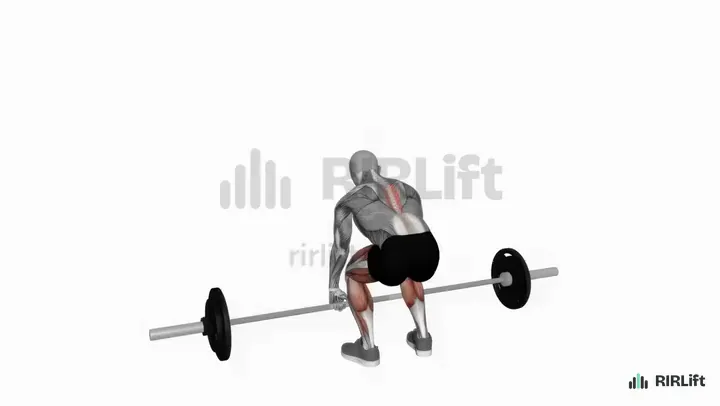
Romanian Deadlift
Use a barbell RDL when you want to load the hamstrings and glutes heavy.
Build a session with it -
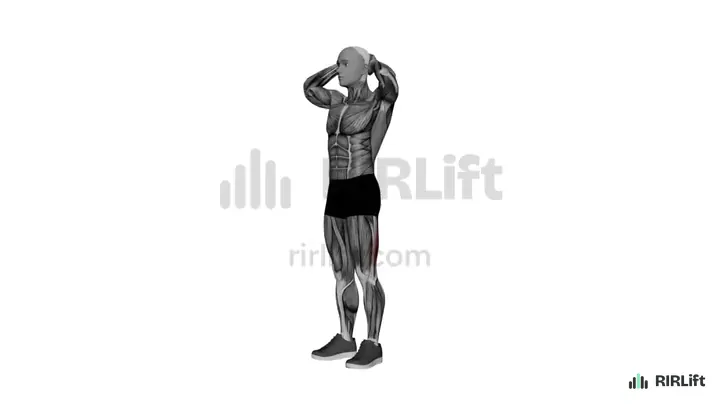
Good Morning
Use the bar on your back when you want a hinge that also builds the lower back.
Build a session with it
Glute-focused
-
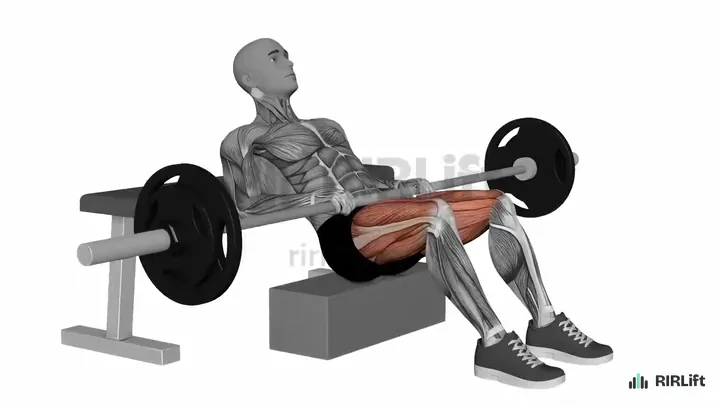
Hip Thrust
Thrust a barbell from a bench when you want the hardest work at the top for the glutes.
Build a session with it -
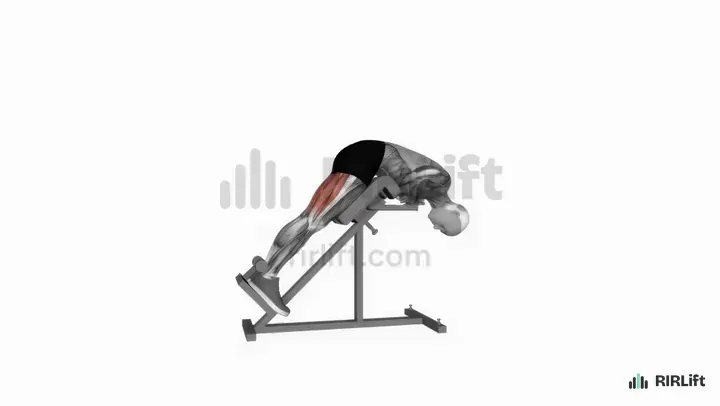
45-Degree Back Extension
Do back extensions on a 45-degree bench, arms crossed at your chest, when you want hinge work without a bar.
Build a session with it
Cable pull-through vs Romanian deadlift
Both are hinges. The RDL loads the hamstrings at a long stretch with a heavy bar and asks your back to hold that weight. The pull-through pulls you backward, so the load is lighter on the back and hardest near lockout, where the glutes do most of the work.
Use the RDL as a heavy main lift for the hamstrings, and the pull-through as a lighter glute exercise you can push close to failure or do on days your back needs a rest.
Is the cable pull-through good for glutes?
Yes, as long as you treat it as a glute exercise: hips back, then a hard squeeze as you stand. Its weak point is that the stack often runs out of weight and the cable tries to pull you backward when it gets heavy. When that happens, add reps or a pause at the top, or move to hip thrusts for your heavy glute work.
Questions
What muscles does the cable pull-through work?
Mainly the glutes and hamstrings, with the lower back holding your spine in place.
Is the cable pull-through good for glutes?
Yes. It is a hip extension exercise with tension at the top, where the glutes are working hardest, and it is easy to take close to failure.
What equipment do you need for a cable pull-through?
A cable station with a low pulley and a rope handle. At home, a band anchored low behind you does a similar job.
How many sets and reps of cable pull-throughs should I do?
Three or four sets of 10 to 15 reps, stopping one or two reps short of failure, suit most people.
What is the best glute exercise?
There is no single best one. A heavy hinge such as an RDL, a thrust such as the hip thrust, and a single-leg exercise together cover the glutes well, and the pull-through fits as the lighter hinge.
Why do I feel cable pull-throughs in my lower back?
Usually because you lean back at the top or round at the bottom. Stand straight at the finish and stop the hinge when your hamstrings are stretched, not when your hands reach the machine.
Related templates
-
Romanian deadlift: how to do it, and what to swap it for
The heavy hinge to pair with the pull-through.
-
Hip thrust: how to do it, what it works, and what to swap it for
A heavier glute exercise for when the stack runs out.
-
Kettlebell swing: how to do it, what it works, and what to swap it for
The same hip drive done fast with a kettlebell.
-
Glute exercises at the gym: barbells, machines and cables
More gym exercises to build a full glute day.
-
How to use RIR
How to judge the reps you leave in reserve on every set.