
What core training on Apple Watch is, with the exercises and sessions to log
Published November 3, 2026
Core Training is the Apple Watch workout type for a session of ab and trunk work: planks, crunches, leg raises, rotations and carries. To keep the numbers, log the session in RIRLift on the Watch: holds as seconds, every other set as reps, weight and reps in reserve, with the rest timer on your wrist. RIRLift logs core work as lifting, so the session is saved to Apple Health as Traditional Strength Training, with each exercise as its own segment.
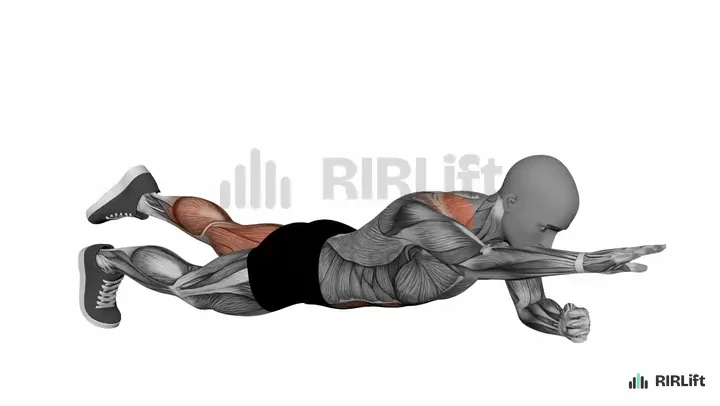
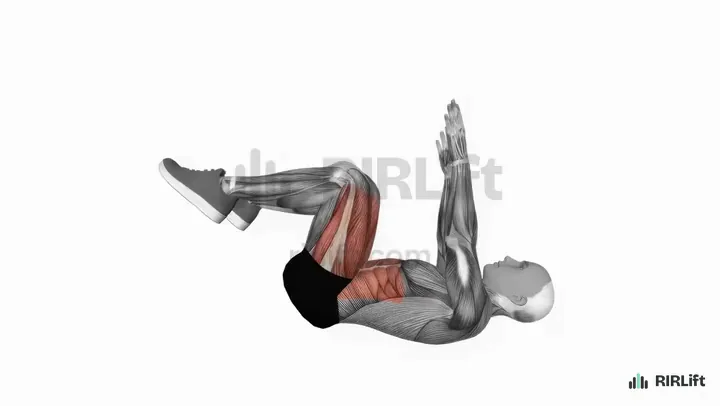
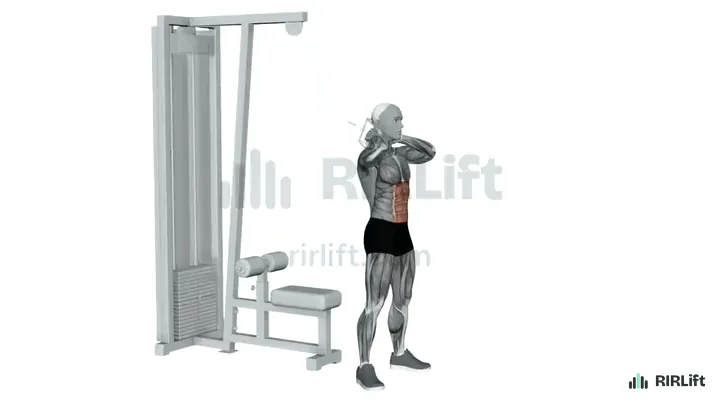
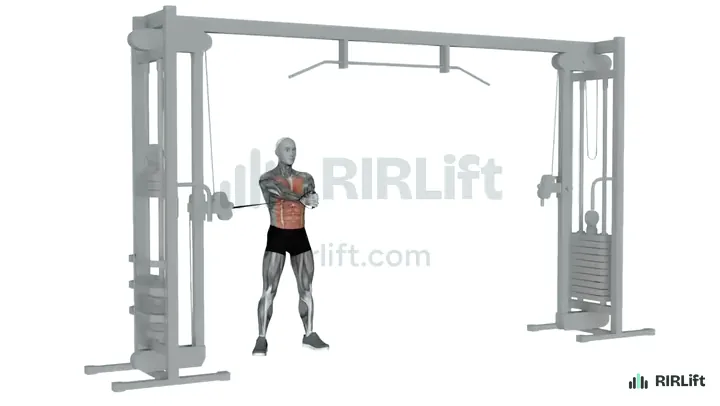
Put them together: example sessions
Each session below picks from the exercises above for one situation, with the sets, reps, rest and RIR filled in.
-
Session 1
Gym, at the end of a lifting day
You lift three or four days a week and want core work you can add to the end of two of them, at the cable stack and the pull-up bar.
2× a week · 18 sets a week · ~15 min
-
Session 2
Living-room floor, no equipment
You train at home with a mat and nothing else, and you want a short core session on the days you do not lift.
3× a week · 36 sets a week · ~20 min
-
Session 3
Ab wheel, woodchops and a heavy carry
Your core work has outgrown planks. You have an ab wheel, a cable stack and a pair of heavy dumbbells, and you want a short session that is hard.
2× a week · 18 sets a week · ~20 min
Session 1
Gym, at the end of a lifting day
- Workouts2× a week
- Working sets18 a week
- Per workout~15 min
- EquipmentAdjustable Cable, Pull-Up Bar
You lift three or four days a week and want core work you can add to the end of two of them, at the cable stack and the pull-up bar.
Three loaded moves, 9 sets: flexion, anti-rotation and a hanging raise. All three progress by weight or reps, so the core gets stronger like your other lifts.
| Exercise | Sets × reps | RIR | Rest |
|---|---|---|---|
| Cable Crunch | 3 × 10–15 | 2 | 1 min |
| Pallof PressReps per side. | 3 × 10–12 | 2 | 45 s |
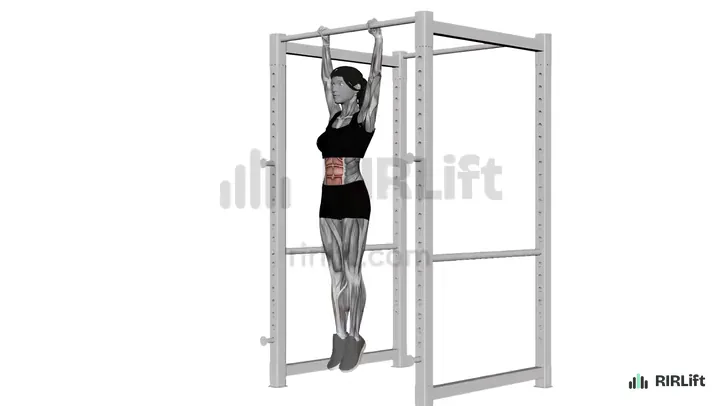
| Hanging Leg Raise | 3 × 6–10 | 2 | 1 min |
- How to run it
- Add it to the end of two lifting routines in RIRLift. Log each set on the Watch as you finish it; the cable crunch and Pallof press keep their own weights.
- How to progress
- Cable crunch 50 lb for 15 / 15 / 15 at 2 left tops the 10 to 15 range: next time it is 60 lb for 10. Hanging leg raises go up a rep at a time; at 10 clean reps every set, hold a light dumbbell between your feet.
Session 2
Living-room floor, no equipment
- Workouts3× a week
- Working sets36 a week
- Per workout~20 min
- EquipmentBodyweight
You train at home with a mat and nothing else, and you want a short core session on the days you do not lift.
Two holds and two slow floor moves, run as a circuit with a minute of rest after each round. Steady work for the front, sides and deep muscles of your trunk.
| Exercise | Sets × reps | RIR | Rest |
|---|---|---|---|
| A1 Plank | 3 × 30–45 s | 2 | 1 min |
| A2 Dead BugReps per side. | 3 × 8–12 | 2 | 1 min |
| A3 Side PlankPer side. | 3 × 20–40 s | 2 | 1 min |
| A4 Russian TwistReps per side. | 3 × 10–16 | 2 | 1 min |
- How to run it
- Run it as a circuit on the Watch: one set of each, then the next round. Start each hold on the wrist and stop it when your form goes; the seconds are logged for you.
- How to progress
- Add 5 seconds to each hold once all three rounds reach the top of the range. On dead bugs and twists, add a rep per side each week until the top of the range, then slow the reps down.
Session 3
Ab wheel, woodchops and a heavy carry
- Workouts2× a week
- Working sets18 a week
- Per workout~20 min
- EquipmentAb Wheel, Adjustable Cable, Dumbbells
Your core work has outgrown planks. You have an ab wheel, a cable stack and a pair of heavy dumbbells, and you want a short session that is hard.
The ab wheel for anti-extension, the woodchop for rotation and a one-hand carry that pulls you sideways. Nine hard sets, done in well under half an hour.
| Exercise | Sets × reps | RIR | Rest |
|---|---|---|---|
| Ab Wheel Rollout | 3 × 6–10 | 2 | 90 s |
| Cable WoodchopReps per side. | 3 × 10–12 | 2 | 1 min |
| Dumbbell Suitcase Carry1 rep = one 20-yard length, switch hands each length. | 3 × 2–4 | 2 | 90 s |
- How to run it
- Do it once or twice a week. Log the carry as one rep per 20-yard length at the dumbbell's weight, and switch hands each length.
- How to progress
- Rollouts progress by reps: when every set reaches 10 from the knees, roll a little further out. Carry a 60 lb dumbbell for 3 lengths; when every set reaches 4, go to the 65.
Make it fit you
-
Put core at the end of a lifting day
Add three core exercises to the end of an existing routine instead of a separate session. Your trunk is not tired for the heavy lifts, and it is one workout in Health.
-
Use the hold timer
On planks and side planks, start the hold on the Watch and stop it when your hips drop. The time logged is the time you held with good form.
-
Load it when it gets easy
Swap the plank for the ab wheel or the cable crunch once you hold 60 seconds. A move you can add weight to keeps progressing.
-
Set short rests
Give core exercises 45 to 60 seconds of rest in the routine so the core work stays short.
Questions
What is core training on Apple Watch?
One of the workout types in the Watch's workout list, meant for sessions of ab and trunk work like planks, crunches and leg raises.
What type does RIRLift save a core session as?
Traditional Strength Training. RIRLift logs core exercises like lifts, with reps, weight and reps in reserve or the seconds of a hold, and saves each exercise as its own segment.
How many core exercises should I do?
Start with two or three at the end of two lifting days, 3 sets each, like the gym session above. Heavy squats and deadlifts already work your trunk, so add a dedicated core day only if core strength is your goal.
How do I log a plank on Apple Watch?
In RIRLift, start the hold on the Watch and stop it when your form goes; the seconds are logged as the set. Other core moves are logged as reps with a tap, prefilled from last time.
Related templates
-
Core exercises at the gym: machines, cables, bars and free weights
More cable, machine and bar core work.
-
Core exercises at home for the front, sides and back
Core work with no equipment or a single dumbbell.
-
The best workout for abs, for your situation
Full ab plans with sets, reps and rest.
-
Traditional strength training on Apple Watch: the lifts, and sessions to log from your wrist
The workout type your core sessions are saved as.