
Dead bug: how to do it, how many to do, and how to make it harder
Published October 19, 2026
Lie face up with your arms pointing at the ceiling and your hips and knees bent to 90 degrees. Breathe out and press your lower back into the floor. Slowly reach one arm back overhead while you straighten the opposite leg toward the floor, stop just before your back starts to arch, return, and switch sides. Move slowly and keep breathing.
- WorksAbs
- EquipmentBodyweight
- Start with3 × 10–15, 1 in reserve, 1 min rest
How to do the dead bug
The dead bug trains your abs to keep your trunk still while your arms and legs move, which is what they do when you squat, deadlift, run or carry something. Lying on your back supports your spine, so it is a safe place to learn to brace, and it is easy to make harder as you get stronger. It needs nothing but floor space.
Steps
- Lie face up on a mat, arms straight up over your shoulders and knees bent 90 degrees directly above your hips.
- Breathe out fully and tilt your pelvis slightly so your lower back presses flat into the floor; keep it there for the whole set.
- Reach your right arm back toward the floor behind your head and straighten your left leg out toward the floor at the same time.
- Stop when your arm and leg hover just above the floor, or sooner if your lower back starts to lift.
- Bring both back to the start, then repeat on the opposite pair. One rep is one side.
Cues
- Lower back glued to the floor
- Exhale as you reach
- Slow is the exercise
Common mistakes
- Letting the lower back arch as the leg goes out: shorten the reach, keep the knee bent more, or lower only the leg until you can hold the position.
- Rushing through the reps: take two or three seconds to reach out and the same to come back; speed lets momentum do the work your abs should do.
- Holding your breath: breathe out as you reach and in as you return, so you learn to brace while breathing.
Swap for: Plank, Pallof Press, Ab Wheel Rollout
Muscles the dead bug works
The dead bug works the deep abdominal wall, including the transverse abdominis, along with the rectus abdominis and obliques. Their job here is to stop your lower back arching and your pelvis tipping while your limbs move. Your hip flexors hold your legs up, and your lats and shoulders control the reaching arm.
Sets, reps and reps in reserve for the dead bug
| Goal | Sets × reps | RIR | Rest |
|---|---|---|---|
| Learning to brace | 2–3 × 6–8 per side | 3 | 60 s |
| Move slowly and stop the set the moment your lower back lifts off the floor. | |||
| Core strength | 3 × 8–12 per side | 1–2 | 60 s |
| Add a light dumbbell in your hands or a slower tempo once 12 per side feels easy. | |||
| Warm-up before lifting | 1–2 × 5 per side | 3+ | 30 s |
| Use it before squats or deadlifts to practice bracing, not to tire your abs. | |||
Dead bug variations
-
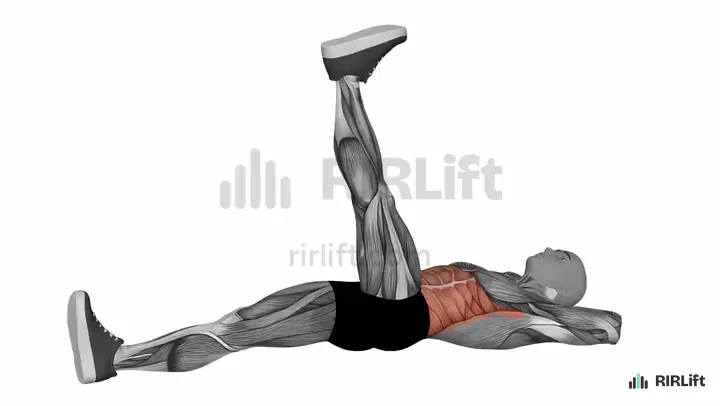
Alternating Leg Raise
Lower one straight leg at a time with your arms still when the full dead bug pulls your back off the floor.
Build a session with it -
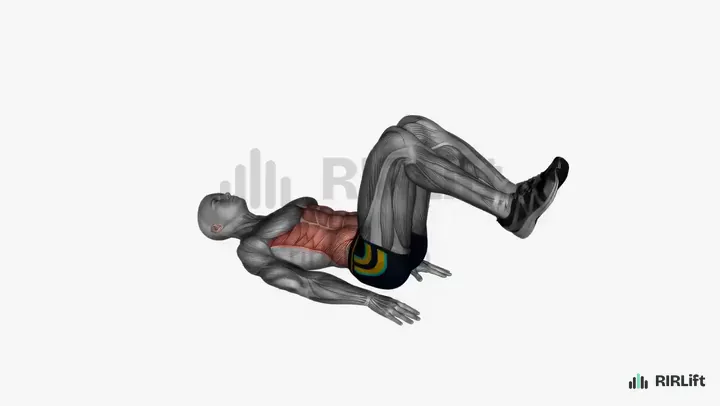
Reverse Crunch
Curl your hips up off the floor when you want to train the abs through movement instead of holding still.
Build a session with it -
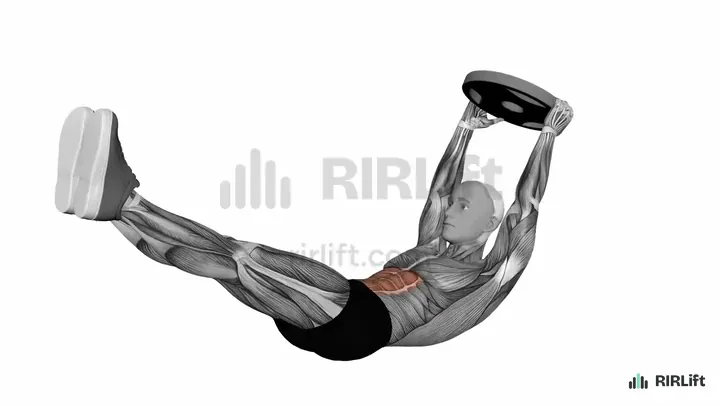
Plate Hollow Hold
Hold the arms-and-legs-extended end position with a plate when you want a harder, static version.
Build a session with it
Dead bug alternatives
Resist arching
-
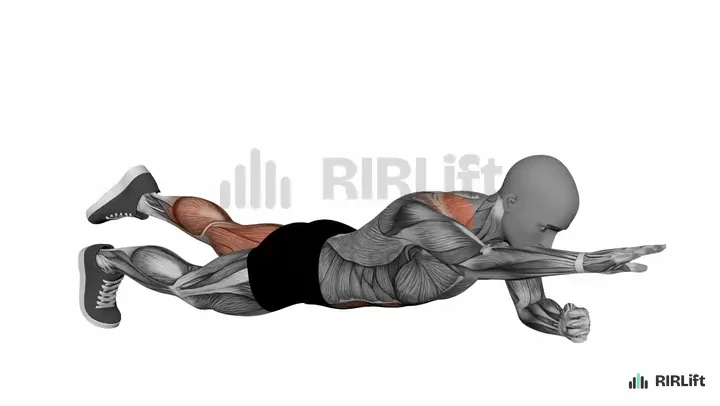
-
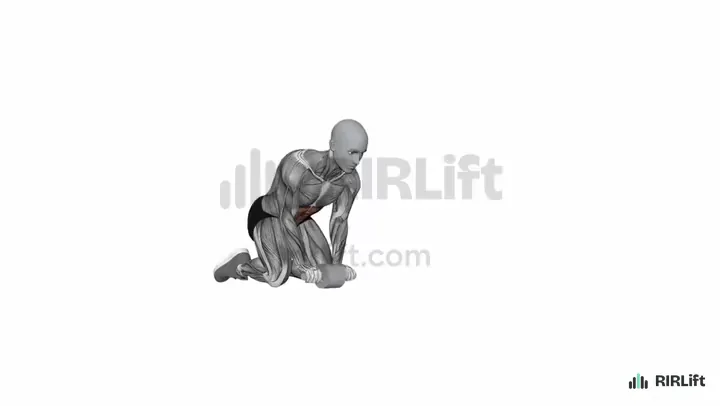
Ab Wheel Rollout
Roll out on an ab wheel when the dead bug is too easy and you want a hard anti-extension exercise.
Build a session with it -
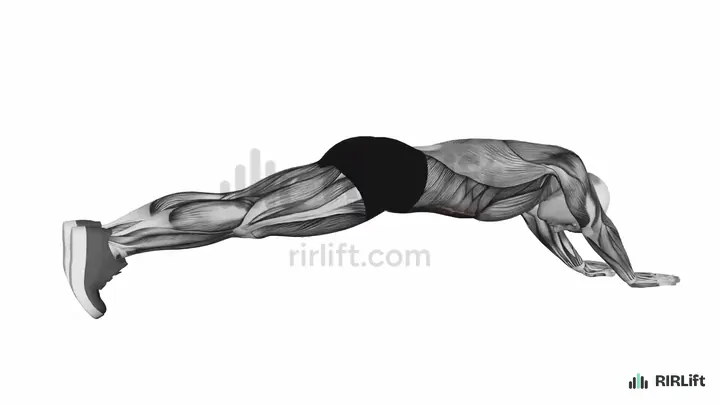
Long Lever Plank
Put your elbows further forward in a plank to make it much harder without equipment.
Build a session with it
Resist twisting and side-bending
-
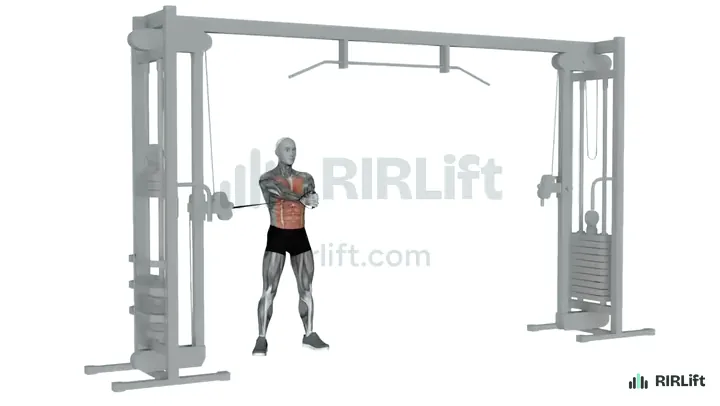
Pallof Press
Press a band or cable out in front of you when you want to train the core against rotation.
Build a session with it -
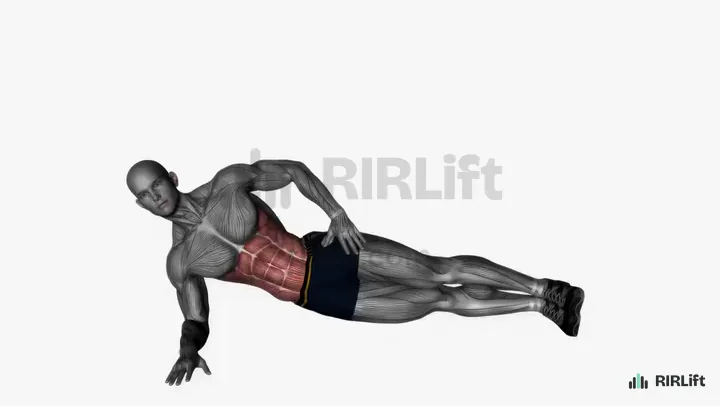
Loaded and standing
-
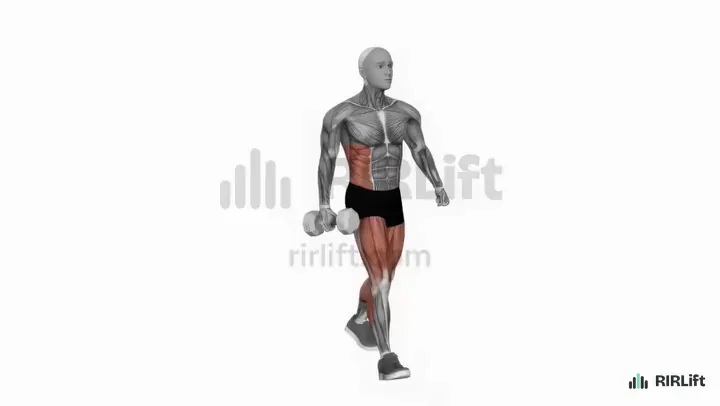
Dumbbell Suitcase Carry
Walk holding one heavy dumbbell when you want your core bracing under load while you move.
Build a session with it
Dead bug vs plank
Both train your abs to stop your lower back arching. The plank holds you still face down; the dead bug makes you keep that position while your arms and legs move, and it is easier to feel when your back lifts because the floor tells you. Neither is better. Beginners often learn bracing faster with the dead bug, and many programs use both.
How many and how often
Beginners do well with 2-3 sets of 6-8 slow reps per side. Once 12 per side stays clean, make it harder rather than doing more: hold a light dumbbell or plate overhead, slow the reach to five seconds, or straighten the legs further. You can do dead bugs most days because they are light, but two or three hard sessions a week is plenty; doing 100 a day mostly builds endurance, not more strength.
Questions
What is the dead bug exercise and how do you do it?
You lie face up with arms up and knees bent at 90 degrees, press your lower back into the floor, and slowly extend the opposite arm and leg without letting your back arch, then switch.
Can you do dead bugs every day?
Yes, they are low load and you can use them as a daily warm-up. For progress, two or three harder sessions a week are enough.
Are dead bugs effective?
Yes, for teaching your abs to hold your trunk still while your limbs move. Make them harder over time so they keep working.
How many dead bugs should a beginner do?
Two to three sets of 6-8 slow reps per side, stopping when your lower back starts to lift.
Is the dead bug better than a plank?
Neither is better. The dead bug adds limb movement and gives clear feedback from the floor; the plank is a static hold. Both train you to resist arching.
What happens if you do 100 dead bugs a day?
Mostly you build endurance. Fewer, slower reps with a harder variation build more strength than piling on easy ones.
Related templates
-
Pallof press: how to do it, what it trains, and what to do instead
An anti-rotation core exercise to pair with dead bugs.
-
Side plank: how to do it, how long to hold, and how to make it harder
A side-on hold for the obliques.
-
Reverse crunch: how to do it right and what it works
An ab exercise that curls the hips instead of holding still.
-
Core exercises at home for the front, sides and back
More floor core work with no equipment.
-
The best workout for abs, for your situation
A full ab session with a dead bug in it.