
Exercises for bigger forearms: wrist curls, reverse curls and grip work
Published October 29, 2026
The best exercises for bigger forearms train the three muscle groups that make up their size: wrist curls for the flexors on the underside, reverse wrist curls and cable wrist extensions for the extensors on top, and reverse, hammer and Zottman curls for the brachioradialis near the elbow. Add farmer's walks, dead hangs and plate pinches for grip. Forearms recover fast, so train them two or three times a week with 7 to 11 hard sets a session, using 12 to 20 reps on wrist work and 8 to 12 on curls, and take the light sets within a rep of failure.
- Wrist Curl Forearms
- Reverse Wrist Curl Forearms
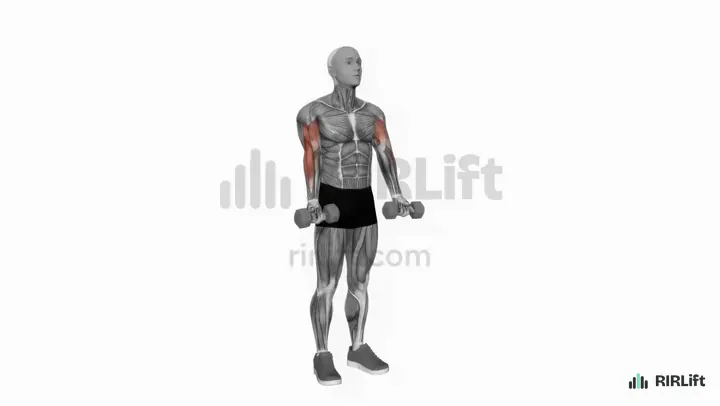
- Reverse Curl Biceps, Forearms
- Hammer Curl Biceps, Forearms
- Zottman Curl Biceps, Forearms
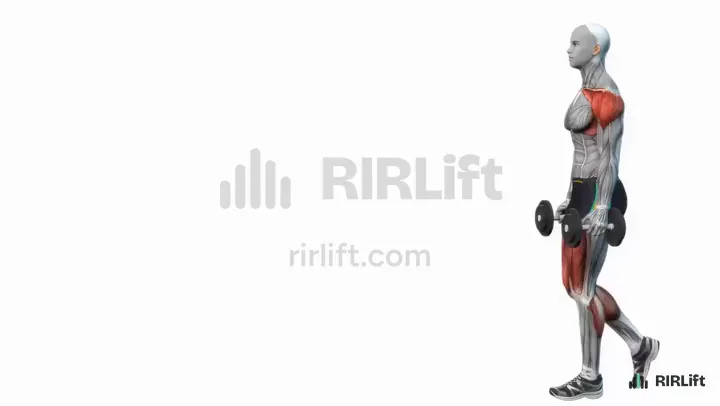
- Farmer's Walk Forearms, Traps, Shoulders
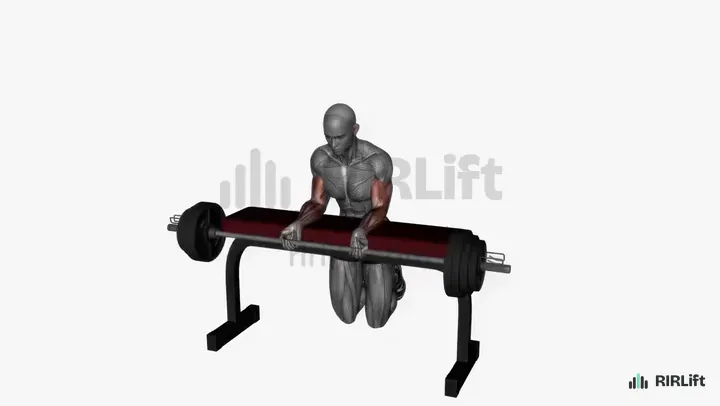
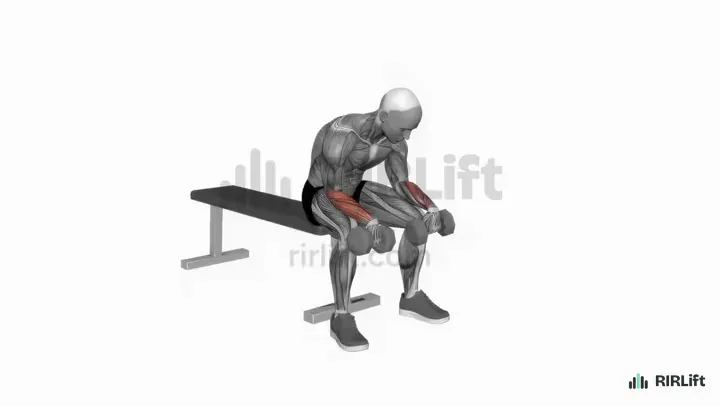
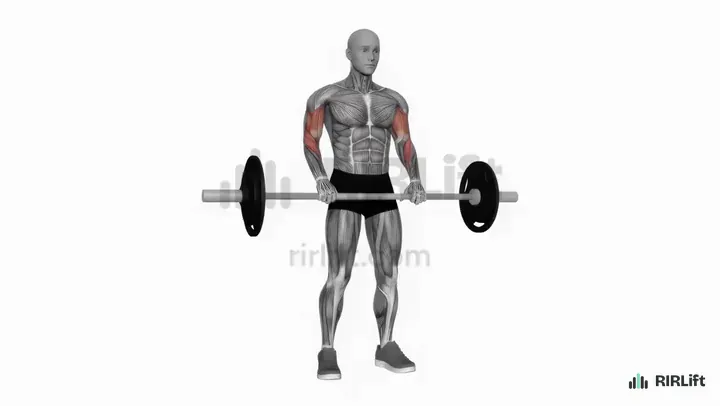
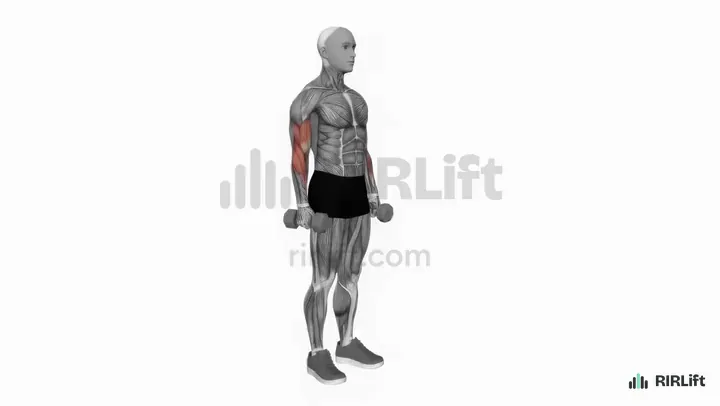
Put them together: example sessions
Each session below picks from the exercises above for one situation, with the sets, reps, rest and RIR filled in.
-
Session 1
Gym, forearms after arm or back days
You lift in a gym four or five days a week and want bigger forearms without a separate session.
2× a week · 20 sets a week · ~20 min
-
Session 2
Dumbbells at home, three short sessions
You train at home with a pair of adjustable dumbbells, and you can spare 10 to 15 minutes three times a week.
3× a week · 26 sets a week · ~20 min
-
Session 3
Grip gives out on deadlifts and pull-ups
Your hands open before your back is tired on heavy deadlifts, rows or pull-ups, and you want stronger, bigger forearms to fix it.
2× a week · 18 sets a week · ~20 min
Session 1
Gym, forearms after arm or back days
- Workouts2× a week
- Working sets20 a week
- Per workout~20 min
- EquipmentBarbells, Dumbbells, Adjustable Cable
You lift in a gym four or five days a week and want bigger forearms without a separate session.
Forearms already work in every row and curl, so two short add-ons of 9 and 11 sets are enough on top. One overhand or neutral curl, one wrist exercise and one grip hold each time covers all three muscle groups twice a week.
| Exercise | Sets × reps | RIR | Rest |
|---|---|---|---|
| Reverse Curl | 3 × 8–12 | 1 | 90 s |
| Wrist Curl | 3 × 12–20 | 0 | 1 min |
| Farmer's WalkSeconds per walk. Heaviest dumbbells you can hold. | 3 × 30–45 | 1 | 90 s |
| Exercise | Sets × reps | RIR | Rest |
|---|---|---|---|
| Hammer Curl | 3 × 8–12 | 1 | 90 s |
| Reverse Wrist Curl | 3 × 15–20 | 0 | 1 min |
| Cable Wrist Extension | 2 × 15–20 | 0 | 1 min |
| Plate Pinch DeadliftHold 3 s at the top of each rep. | 3 × 5–8 | 1 | 90 s |
- How to run it
- Do Session A at the end of an arm or pull day and Session B at the end of another training day at least two days later. Skip the grip hold if a heavy deadlift or row day is next.
- How to progress
- Forearms progress in small steps, so add one rep per set each week on wrist curls and extensions until you hit 20, then add the smallest plate. Carries go up by time first, then by heavier dumbbells. Curls follow the usual rule: weight goes up when every set reaches the top of the range at the target reps in reserve.
Session 2
Dumbbells at home, three short sessions
- Workouts3× a week
- Working sets26 a week
- Per workout~20 min
- EquipmentDumbbells, Barbells
You train at home with a pair of adjustable dumbbells, and you can spare 10 to 15 minutes three times a week.
Forearms tolerate frequent training, so three short sessions of 8 or 9 sets beat one long one. The Zottman curl replaces the barbell reverse curl, and a single dumbbell covers both wrist work and rotation. Rotating them three times a week gives 25 or 26 sets, split between curls, wrist work and carries.
| Exercise | Sets × reps | RIR | Rest |
|---|---|---|---|
| Zottman Curl | 3 × 8–12 | 1 | 90 s |
| Reverse Wrist Curl | 3 × 15–20 | 0 | 1 min |
| Farmer's WalkSeconds per walk. | 2 × 30–60 | 1 | 90 s |
| Exercise | Sets × reps | RIR | Rest |
|---|---|---|---|
| Hammer Curl | 3 × 10–15 | 1 | 90 s |
| Wrist CurlOne dumbbell at a time, forearm on your thigh. | 2 × 15–20 | 0 | 1 min |
| Dumbbell Wrist Pronation-SupinationPer arm. | 2 × 12–15 | 1 | 1 min |
| Farmer's WalkSeconds per walk. | 2 × 30–60 | 1 | 90 s |
- How to run it
- Rotate Session 1 and Session 2 on three days a week, after another workout or on their own. Farmer's walks can be done back and forth across a room or hallway.
- How to progress
- Slow the lowering on Zottman curls to three seconds before adding weight. For wrist work, add reps until 20 is easy, then the next dumbbell. Add 5 seconds per carry each week until 60, then go heavier.
Session 3
Grip gives out on deadlifts and pull-ups
- Workouts2× a week
- Working sets18 a week
- Per workout~20 min
- EquipmentPull-Up Bar, Barbells, Dumbbells
Your hands open before your back is tired on heavy deadlifts, rows or pull-ups, and you want stronger, bigger forearms to fix it.
Grip fails under long, heavy holds, so this plan leans on holds and carries, with one curl or wrist exercise to add size. Day A has 9 sets and Day B has 9, all taken to 1 rep or a few seconds short of letting go.
| Exercise | Sets × reps | RIR | Rest |
|---|---|---|---|
| Dead HangSeconds per hang. | 3 × 30–60 | 1 | 90 s |
| Plate Pinch DeadliftHold 5 s at the top of each rep. | 3 × 5–8 | 1 | 90 s |
| Wrist Curl | 3 × 12–15 | 1 | 1 min |
| Exercise | Sets × reps | RIR | Rest |
|---|---|---|---|
| Farmer's WalkSeconds per walk. Heaviest dumbbells you can hold. | 4 × 30–45 | 1 | 2 min |
| Reverse Curl | 3 × 10–12 | 1 | 90 s |
| Dead HangSeconds per hang. Towel over the bar. | 2 × 20–45 | 1 | 90 s |
- How to run it
- Do Day A and Day B on two days that are not right before a heavy pull day, so your grip is fresh when you deadlift.
- How to progress
- On hangs and carries, add 5 seconds per set each week. When a 60 second hang is easy, hang from a towel or one arm at a time. For pinches, move to wider plates or add a small plate to each side.
Make it fit you
-
Elbow pain on the outside
Drop reverse curls and use hammer curls with a lighter weight, and do reverse wrist curls slowly through a range that feels fine. Extensor work at light weight is usually tolerated better than heavy overhand curls.
-
Forearms that will not grow
Raise the frequency before the sets: three sessions a week of wrist curls instead of two. Use the full range, letting the bar roll to your fingertips, and slow the lowering.
-
No barbell for wrist curls
Use one dumbbell at a time with your forearm on your thigh or a bench. The movement is the same and lets each side work alone.
-
Stop using straps everywhere
Lift without straps for your warm-up sets and lighter rows, and save them for the top sets. Your forearms get extra grip work every session without capping your back training.
Questions
How do I make my forearms bigger?
Train wrist curls, reverse wrist curls and an overhand or neutral curl two or three times a week, take sets close to failure, and add weight or reps steadily. Grip holds add strength on top.
What are the 3 best exercises for bigger forearms?
The wrist curl for the underside, the reverse curl for the top near the elbow, and the farmer's walk for grip. Together they cover all three main forearm muscle groups.
How long do forearms take to grow?
With direct work two or three times a week, a visible change usually takes two to three months. Forearms grow slowly compared with larger muscles, so judge progress by your logbook first.
Why are forearms hard to build?
They carry loads every day, so normal training rarely challenges them enough. Direct wrist and grip work taken close to failure, done often, is what changes them.
Can I get bigger forearms at home?
Yes. With one pair of dumbbells you can do reverse wrist curls, wrist curls, Zottman and hammer curls, pronations and farmer's walks, which covers everything a gym plan does.
Related templates
-
Forearm exercises with dumbbells: wrist curls, hammer curls and carries
More dumbbell-only wrist and grip options.
-
Forearm exercises at home: grip, wrist and elbow work with the gear you own
Grip and wrist work with minimal equipment.
-
Exercises for bigger arms: triceps, biceps and the brachialis
Biceps and triceps plans to go with the forearm work.
-
The best workout for forearms, for your situation
A short forearm session you can follow without planning.
-
The double progression method
How to add reps then weight on small-muscle exercises.