
Exercises for endurance: cardio, conditioning and muscular stamina
Published October 29, 2026
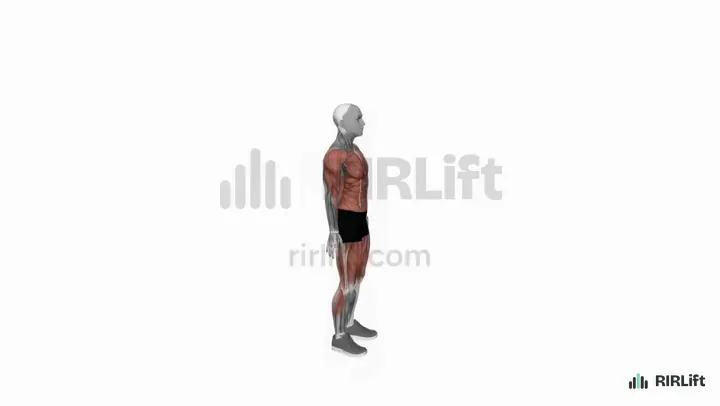
Endurance comes in two kinds, and the best plan trains both. For heart and lungs, use running, the rowing machine, the air bike and jump rope, mostly at an easy, steady pace plus one interval day. For muscular endurance, use push-ups, inverted rows, bodyweight squats, walking lunges and planks for sets of 15 to 30 reps or 30 to 60 seconds with short rest. Kettlebell swings, burpees and farmer's walks train both at once. Three sessions a week is enough to build real stamina.
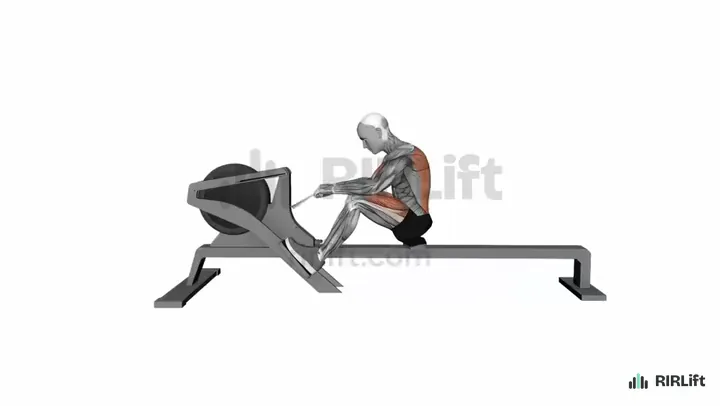
- Rowing Machine Quads, Hamstrings, Glutes, Lats
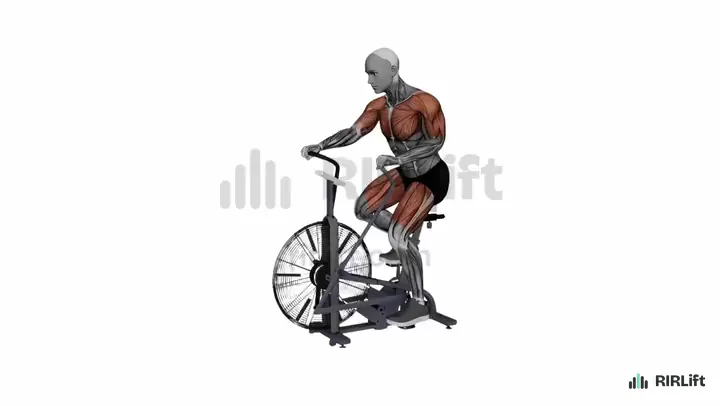
- Air Bike Quads, Hamstrings, Glutes
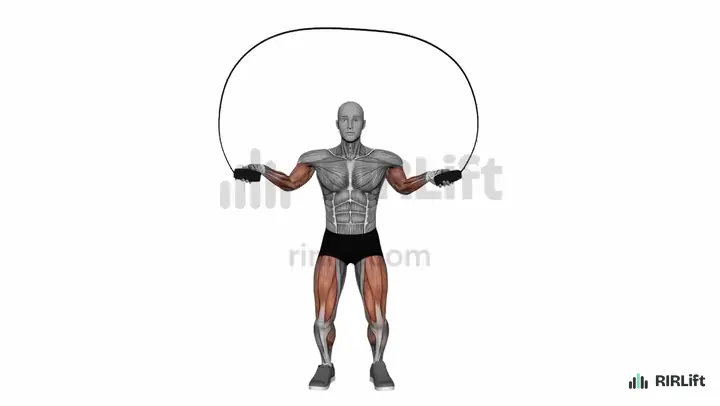
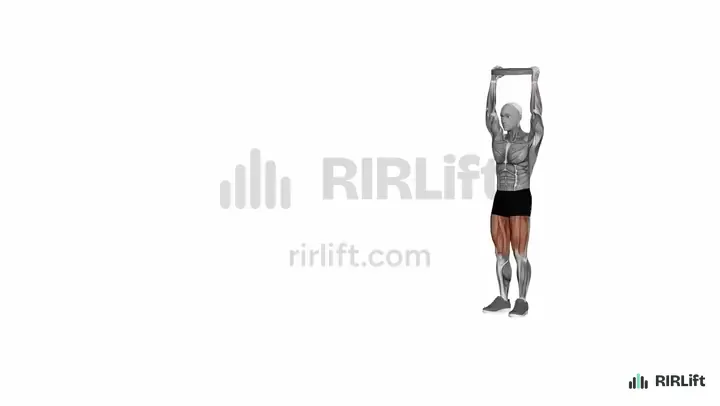
- Jump Rope Calves, Quads
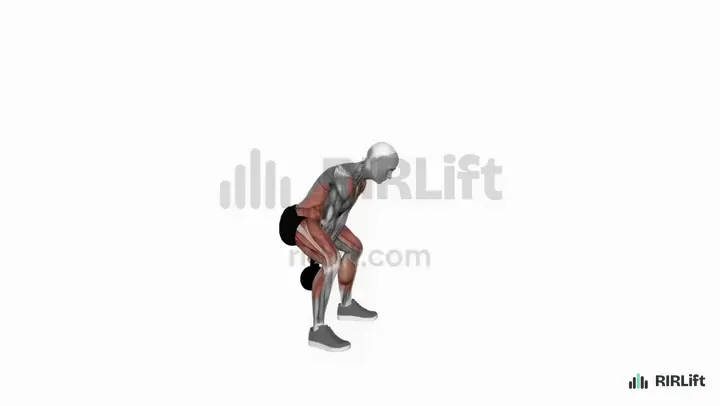
- Kettlebell Swing Glutes, Hamstrings
- Burpee Quads, Glutes, Chest, Shoulders
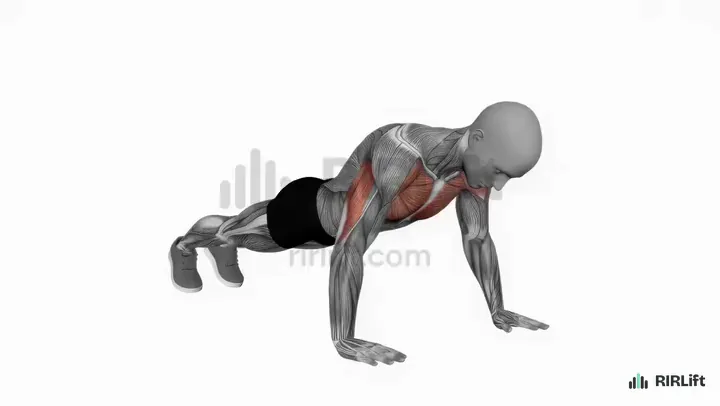
- Push-Up Chest
- Walking Lunge Quads, Glutes
- Plank Abs
Put them together: example sessions
Each session below picks from the exercises above for one situation, with the sets, reps, rest and RIR filled in.
-
Session 1
Beginner at home, three days
You are starting from low fitness, you train at home and you want to stop getting out of breath on stairs and feel less tired by the end of the day.
3× a week · 42 sets a week · ~25 min
-
Session 2
Strength and stamina in the gym
You already lift, you want more engine for a hybrid race, a fitness test or simply long days, and you have a rower, an air bike and kettlebells.
2× a week · 33 sets a week · ~30 min
-
Session 3
Runners and cyclists, strength endurance
You run or ride several times a week and your legs or trunk tire before your lungs do on long efforts or hills.
2× a week · 24 sets a week · ~25 min
Session 1
Beginner at home, three days
- Workouts3× a week
- Working sets42 a week
- Per workout~25 min
- EquipmentJump Rope, Dumbbells
You are starting from low fitness, you train at home and you want to stop getting out of breath on stairs and feel less tired by the end of the day.
A short circuit three times a week builds both kinds of endurance: 14 sets of bodyweight muscle work and rope rounds, about 30 minutes. Pair it with easy walks or runs on two other days for the aerobic base.
| Exercise | Sets × reps | RIR | Rest |
|---|---|---|---|
| Jump RopeSeconds per round. | 4 × 30–45 | 2 | 45 s |
| Bodyweight Squat | 3 × 15–25 | 2 | 45 s |
| Push-Up | 3 × 8–20 | 2 | 1 min |
| Walking LungePer leg. | 2 × 10–16 | 2 | 1 min |
| PlankSeconds per hold. | 2 × 20–45 | 2 | 45 s |
- How to run it
- Do it on three non-consecutive days, such as Monday, Wednesday and Friday. Move from one exercise to the next as a circuit and rest a minute between rounds, or do the sets in order if you prefer.
- How to progress
- Add 1 or 2 reps per set each week until you reach the top of each range, then make the exercise harder: feet on a step for push-ups, a slower lowering for squats, longer rope rounds. Add 5 seconds to the plank each week.
Session 2
Strength and stamina in the gym
- Workouts2× a week
- Working sets33 a week
- Per workout~30 min
- EquipmentRowing Machine, Kettlebells, Dumbbells, Air Bike +1
You already lift, you want more engine for a hybrid race, a fitness test or simply long days, and you have a rower, an air bike and kettlebells.
Two conditioning days a week sit next to your strength training. Each starts with intervals on a machine, then strength-endurance work in sets of 10 to 25. That is about 16 sets per day, roughly 45 minutes.
| Exercise | Sets × reps | RIR | Rest |
|---|---|---|---|
| Rowing MachineSeconds hard per interval. | 6 × 45–60 | 2 | 1 min |
| Kettlebell Swing | 4 × 15–20 | 2 | 1 min |
| Push-Up | 3 × 15–25 | 2 | 1 min |
| Walking LungePer leg. | 3 × 12–16 | 2 | 1 min |
| Exercise | Sets × reps | RIR | Rest |
|---|---|---|---|
| Air BikeSeconds hard per interval. | 8 × 20–30 | 1 | 90 s |
| Inverted Row | 3 × 10–15 | 2 | 1 min |
| Farmer's WalkSeconds of walking. | 3 × 40–60 | 2 | 75 s |
| Burpee | 3 × 8–12 | 2 | 1 min |
- How to run it
- Do Day 1 and Day 2 on separate days from your heaviest lifting, or after a short strength session. Add one 30 to 45 minute easy session on the rower, bike or road each week for the aerobic base.
- How to progress
- Cover more distance in the same interval time, then add one interval. For swings and carries, move to a heavier bell or dumbbells when every set reaches the top of the range at 2 reps in reserve.
Session 3
Runners and cyclists, strength endurance
- Workouts2× a week
- Working sets24 a week
- Per workout~25 min
- EquipmentDumbbells, Kettlebells, Barbells
You run or ride several times a week and your legs or trunk tire before your lungs do on long efforts or hills.
Your aerobic work is already done on the road, so this session only adds strength endurance for the legs, hips, back and trunk: 12 sets of 12 to 20 reps or 30 to 60 second holds, about 30 minutes, twice a week.
| Exercise | Sets × reps | RIR | Rest |
|---|---|---|---|
| Walking Lunge1 warm-up set firstPer leg. | 3 × 12–20 | 2 | 1 min |
| Kettlebell Swing | 3 × 15–20 | 2 | 1 min |
| Inverted Row | 3 × 10–15 | 2 | 1 min |
| PlankSeconds per hold. | 3 × 30–60 | 2 | 45 s |
- How to run it
- Do it twice a week on easy running or riding days, after the run or ride, and not the day before a long session or race.
- How to progress
- Add reps to the top of each range, then add load: dumbbells for the lunges, a heavier bell for swings, feet raised for inverted rows. Hold the plank longer only up to 60 seconds, then make it harder.
Make it fit you
-
Keep most cardio easy
Easy sessions at a pace you could talk in are the ones you can repeat often and recover from. Keep hard intervals to one or two sessions a week and let the rest be easy and longer.
-
Short on time
Do the gym plan's swings, push-ups and burpees as a circuit with no rest between exercises and one minute between rounds. Twenty minutes of that trains both kinds of endurance.
-
Joints that dislike impact
Use the rower and air bike instead of running and jump rope, and step back into the plank instead of jumping during burpees.
-
Log high-rep sets honestly
High-rep sets feel harder than they are because of the burn. Log the reps you could still have done in RIRLift; it sets the next session's weight from the reps in reserve you log, which keeps the load climbing as your endurance improves.
Questions
What is the difference between cardio and muscular endurance?
Cardio endurance is how long your heart and lungs can keep you moving, trained with running, rowing, cycling and similar. Muscular endurance is how many reps a muscle can repeat, trained with sets of 15 or more at light loads. Most sports and daily life need both.
What are some examples of aerobic exercise?
Walking, running, cycling, swimming, rowing, jumping rope and dancing. Any activity you can keep up for many minutes at a pace that raises your breathing is aerobic.
What are the four types of exercise?
Endurance, strength, balance and flexibility. This page covers the first two: the cardio machines and rope build the endurance of your heart and lungs, and the high-rep bodyweight and kettlebell work builds the endurance of your muscles. Planks and carries add some balance and trunk control along the way.
How many reps build muscular endurance?
Sets of about 15 to 30 reps with light loads and short rest of 30 to 60 seconds. Keep each set 1 to 3 reps short of failure so you can repeat the quality across all sets.
How can I build stamina fast?
Train three times a week, keep most sessions easy and add one interval session. Circuits of swings, burpees and push-ups raise stamina quickly for beginners. Consistency over a few months matters more than any single workout.
Can you build endurance and strength at the same time?
Yes. Lift heavy on two or three days and do your conditioning on other days or after lifting. The gym plan above is built to sit next to a strength program.
Related templates
-
Cardio exercises at home: no treadmill, no bike, no problem
More no-equipment ways to raise your heart rate.
-
HYROX workout: station sessions and the strength training behind them
Strength endurance plans for a hybrid fitness race.
-
Ultramarathon strength training: what to lift and when
Strength work for very long running.
-
HIIT exercises at home: no-equipment and kettlebell circuits
Interval workouts for the hard sessions of the week.
-
High reps vs low reps
What changes when you train with 15 or more reps per set.