
Cardio exercises at home: no treadmill, no bike, no problem
Published October 29, 2026
The best cardio exercises at home are jumping jacks, high knees, butt kicks and skipping in place for running-style work, jump rope and shadow boxing for longer steady rounds, and mountain climbers, half burpees and skater hops when you want it harder. String four or five together for 30 to 60 seconds each with 15 to 30 seconds of rest, and repeat the circuit 3 to 5 times. Ten minutes on a busy day counts; aim for 20 to 30 minutes most days of the week across walking and these circuits.
- Jumping Jack Calves, Quads
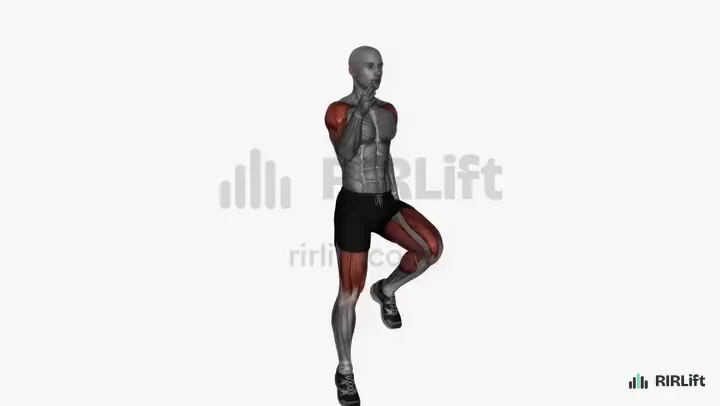
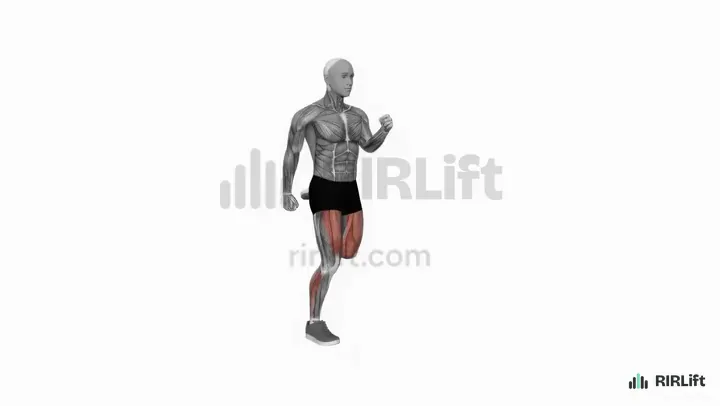
- High Knees Quads
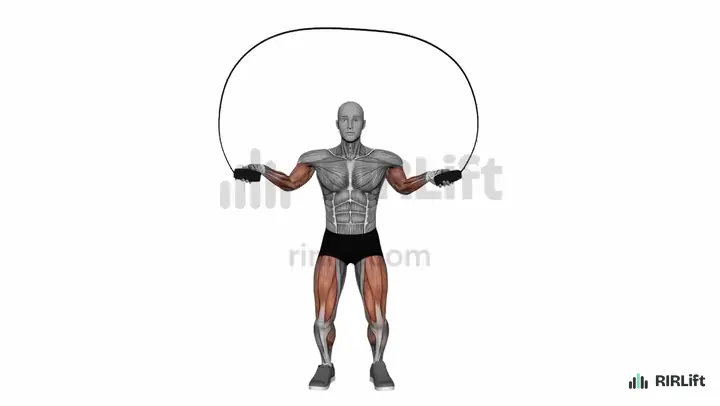
- Jump Rope Calves, Quads
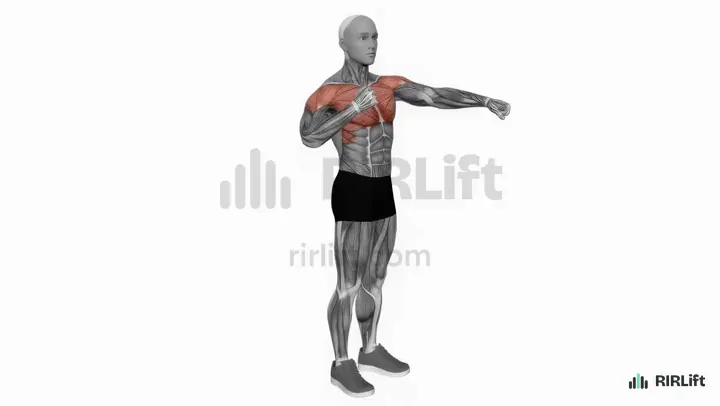
- Shadow Boxing Shoulders, Biceps, Triceps
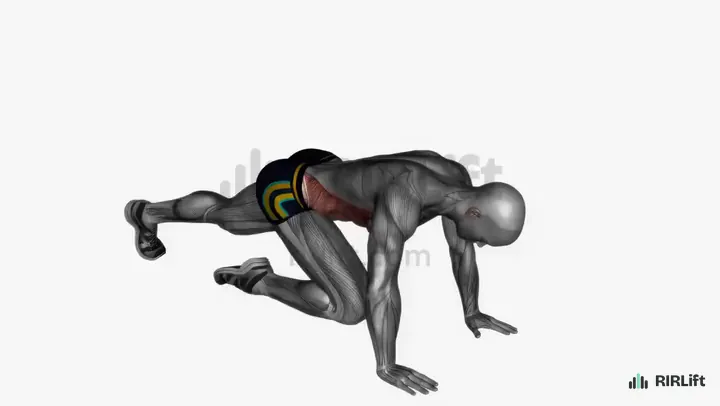
- Mountain Climber Abs
- Butt Kicks Hamstrings
- Skater Hop Glutes, Quads, Abductors


Put them together: example sessions
Each session below picks from the exercises above for one situation, with the sets, reps, rest and RIR filled in.
-
Session 1
Ten minutes before work, most days
Your schedule is the problem, not your fitness, and you want something you can do in the space next to your bed every morning.
5× a week · 60 sets a week · ~10 min
-
Session 2
You have a jump rope and 20 minutes
You can skip a rope for a minute without tripping and want a longer, harder session two or three times a week.
3× a week · 45 sets a week · ~25 min
-
Session 3
Out of shape and starting from scratch
You get out of breath on stairs and want home cardio you can actually finish, not a workout video you quit after four minutes.
3× a week · 36 sets a week · ~15 min
Session 1
Ten minutes before work, most days
- Workouts5× a week
- Working sets60 a week
- Per workout~10 min
- EquipmentBodyweight
Your schedule is the problem, not your fitness, and you want something you can do in the space next to your bed every morning.
Short sessions add up when they happen often: four moves for 45 seconds each, three rounds, 12 intervals in about 11 minutes. Four or five of these a week, plus a walk, reaches the 150 minutes a week most guidelines set without a single long session.
| Exercise | Sets × reps | RIR | Rest |
|---|---|---|---|
| A1 Jumping JackReps. About 45 seconds. | 3 × 30–45 | 3 | 15 s |
| A2 High KneesSeconds of work. | 3 × 30–45 | 2 | 15 s |
| A3 Shadow BoxingSeconds of work. | 3 × 45–60 | 3 | 15 s |
| A4 Mountain ClimberSeconds of work. | 3 × 20–30 | 2 | 45 s |
- How to run it
- Do it first thing on four or five mornings a week. Move straight from one exercise to the next with 15 seconds of rest and take 45 seconds after each round. On free weekend days, take a longer walk instead.
- How to progress
- Work up to 60 seconds per move with the same 15 seconds of rest. After that, add a fourth round or swap jumping jacks for star jumps.
Session 2
You have a jump rope and 20 minutes
- Workouts3× a week
- Working sets45 a week
- Per workout~25 min
- EquipmentJump Rope
You can skip a rope for a minute without tripping and want a longer, harder session two or three times a week.
Rope intervals make up the bulk, 8 minute-long rounds, with fast feet and skater hops between to use the legs differently and give your calves short breaks. That is 15 working sets in about 20 minutes, enough to count as vigorous cardio.
| Exercise | Sets × reps | RIR | Rest |
|---|---|---|---|
| Jump RopeSeconds of skipping. | 8 × 45–60 | 2 | 45 s |
| Fast FeetSeconds as fast as you can. | 4 × 15–20 | 1 | 40 s |
| Skater HopPer side. | 3 × 8–12 | 2 | 1 min |
- How to run it
- Do it three times a week on alternate days, for example Monday, Wednesday and Saturday. Skip for each interval, rest 45 seconds, and do the fast feet and skater hops once you finish the rope rounds.
- How to progress
- Add 5 seconds to each rope interval until you reach a full minute, then cut the rest to 30 seconds. When that feels steady, add a ninth and tenth round.
Session 3
Out of shape and starting from scratch
- Workouts3× a week
- Working sets36 a week
- Per workout~15 min
- EquipmentBodyweight
You get out of breath on stairs and want home cardio you can actually finish, not a workout video you quit after four minutes.
Easier moves and long rest let you finish the whole session, which is what builds the habit. Four moves, three rounds, 12 sets in about 15 minutes, every set stopping with plenty left. Three of these a week is a real start.
| Exercise | Sets × reps | RIR | Rest |
|---|---|---|---|
| A1 Butt KicksSeconds at an easy jog. | 3 × 20–30 | 4 | 45 s |
| A2 Shadow BoxingSeconds of work. | 3 × 30–45 | 4 | 45 s |
| A3 Skipping in PlaceSeconds of work. | 3 × 20–30 | 3 | 45 s |
| A4 Half Burpee | 3 × 5–8 | 3 | 90 s |
- How to run it
- Do it on three days with a rest day between. Rest 45 seconds between moves and 90 seconds after each round. If you feel dizzy or cannot speak a short sentence, slow down until you can.
- How to progress
- Once you finish all three rounds feeling you could do a fourth, add it. After two weeks of four rounds, cut each rest to 30 seconds, then move on to the 10-minute circuit.
Make it fit you
-
Upstairs apartment
Swap every jump for shadow boxing, butt kicks at a light jog or mountain climbers. Put a folded rug or mat under you; most of the noise comes from heels hitting a hard floor.
-
Low ceiling or small room
Skip the rope and do skipping in place with the same timing. Fast feet, mountain climbers and high knees all fit in a space the size of a doormat.
-
Adding strength
Cardio trains your heart and lungs; two strength sessions a week on top of it are what build and keep muscle. Put push-ups and squats into the circuit on two days, or keep them as a separate 20-minute session.
-
Keep a record
Write down how many reps you get in each interval and how many you had left. RIRLift uses that to set the next session, so you can see the same circuit take less out of you week to week.
Questions
What's the best cardio exercise at home?
Jump rope, if you have the space and a rope, because you can keep going for minutes at a hard pace. With no equipment, a circuit of jumping jacks, high knees, mountain climbers and shadow boxing does the same job.
What is the 12-3-30 cardio rule?
A treadmill walk at a 12 percent incline and 3 miles per hour for 30 minutes. It is a steep walking workout that needs a treadmill. At home without one, 30 minutes of the circuits on this page or a hilly outdoor walk gives a similar effort.
Is 10 minutes of cardio good?
Yes. Ten minutes of brisk work counts toward your weekly total, and doing it most days adds up to more than one long session you skip. Make it a little harder each week.
How do I do cardio at home without jumping?
Use shadow boxing, mountain climbers, butt kicks at a light jog and fast squats. Keep the same 30 to 60 second intervals and short rest, and your heart rate will still climb.
How long should a home cardio workout be?
Ten to thirty minutes. A good default is 20 minutes of intervals three times a week plus walking on the other days, which adds up without any long sessions.
Related templates
-
HIIT exercises at home: no-equipment and kettlebell circuits
Harder home circuits with shorter rest and kettlebell options.
-
Low impact cardio exercises: hard work with no jumping or pounding
Cardio with no jumping, for joints or quiet floors.
-
Exercises for weight loss at home: strength moves, cardio moves and plans that fit a living room
Home cardio and strength combined into a weight loss week.
-
Full body exercises at home, with or without equipment
Strength moves to pair with your cardio days.
-
How to use reps in reserve (RIR)
How to judge how many reps you have left in an interval.