
Muay Thai workout: gym sessions for harder kicks and a stronger clinch
Published October 24, 2026
A Muay Thai workout in the gym starts with a few rounds of skipping rope, then works one leg at a time with reverse lunges or step-ups, drives the hips with hip thrusts or kettlebell swings, adds a rotation lift such as the cable woodchop, and ends with clinch work: narrow-grip pull-ups and neck extensions. The best exercises are the reverse lunge, step-up with knee drive, single-leg calf raise, hip thrust, Copenhagen plank, woodchop, landmine rotational press, neutral-grip pull-up and jump rope. Two sessions a week at 2 reps in reserve fit next to regular classes.
- Dumbbell Reverse Lunge Quads, Glutes
- Step-Up Quads, Glutes
- Single-Leg Calf Raise Calves
- Hip Thrust Glutes
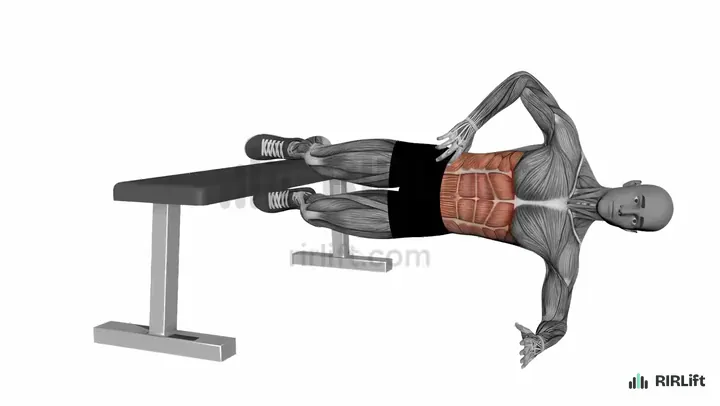
- Copenhagen Plank Adductors, Abs
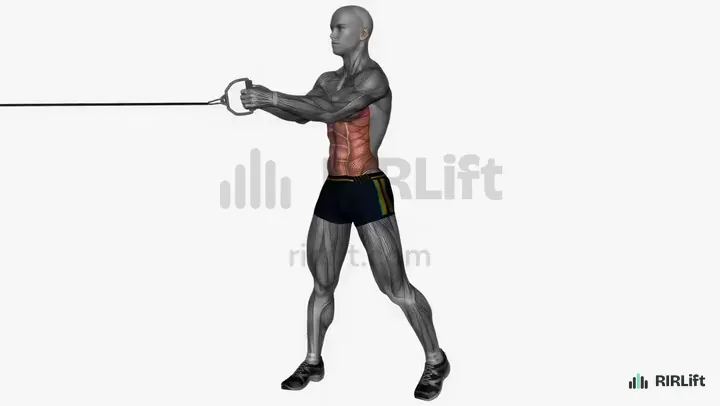
- Cable Woodchop Abs
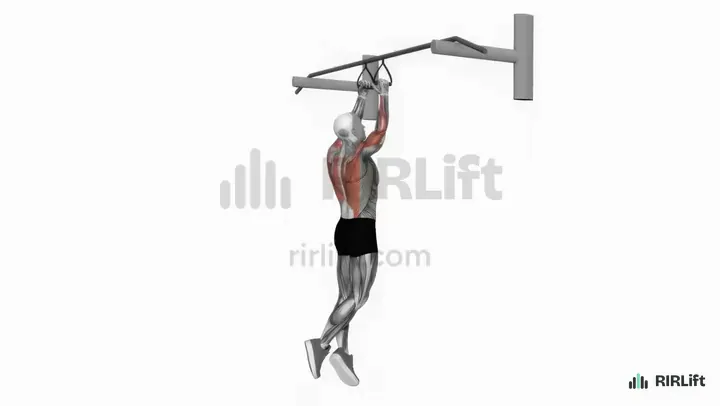
- Neutral-Grip Pull-Up Lats
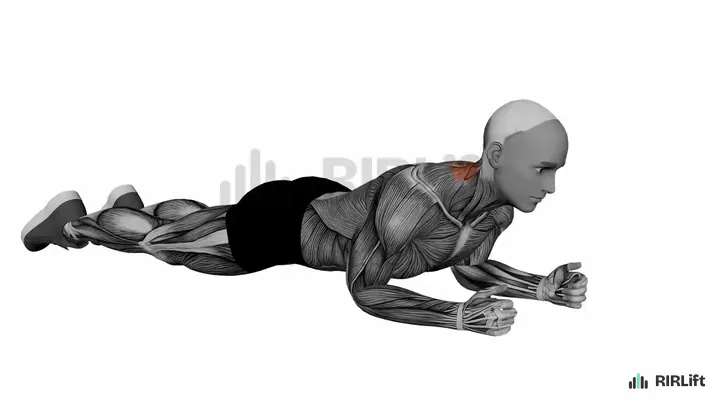
- Lying Neck Extension Neck
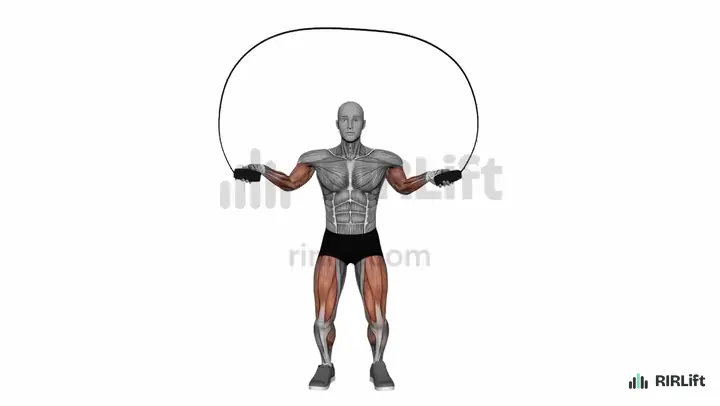
- Jump Rope Calves, Quads
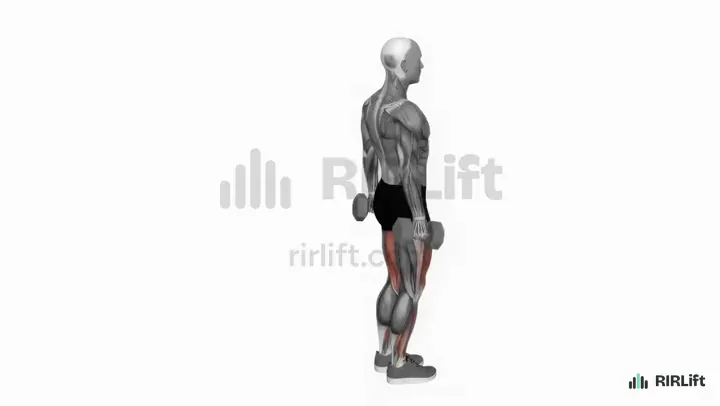
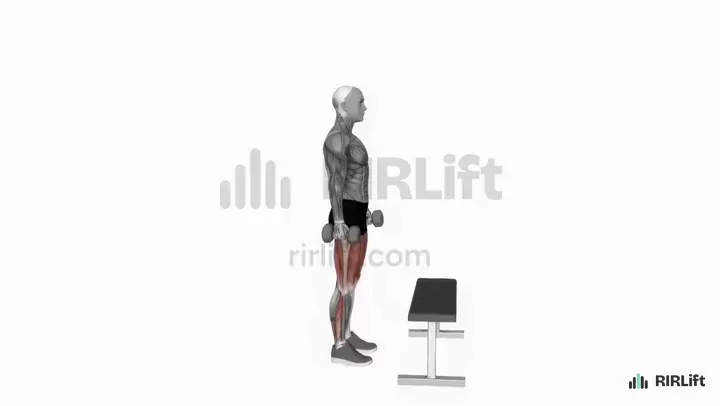
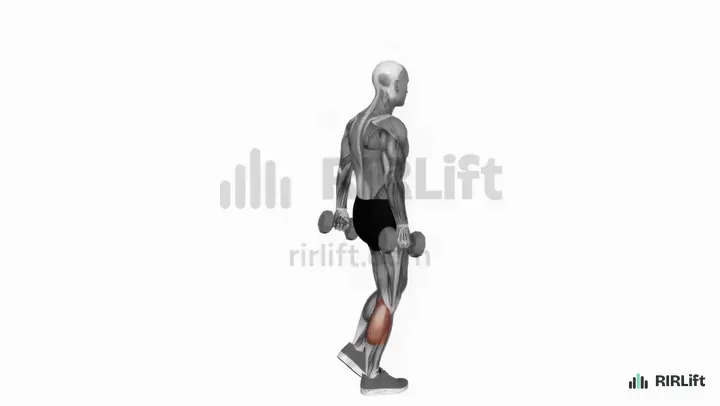
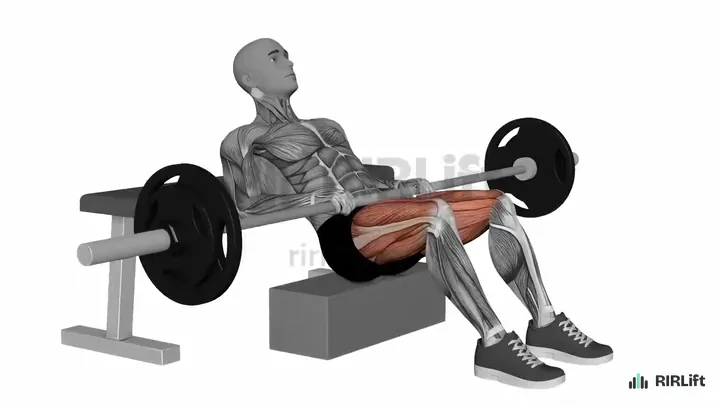
Put them together: example sessions
Each session below picks from the exercises above for one situation, with the sets, reps, rest and RIR filled in. Open one in the session builder to change a pick, price it from a recent set, and add it to RIRLift.
-
Session 1
Training Muay Thai four or more times a week
You go to class most days, you are not fighting soon, and you want to kick harder and last longer without being too sore for pads.
2× a week · 32 sets a week · ~40 min
-
Session 2
Fight in four to eight weeks
You have an amateur or pro fight coming, your coach has you doing pads, bag work and sparring most days, and the lifting has to fit around it.
2× a week · 19 sets a week · ~25 min
-
Session 3
Off-season strength block
You have a few months without fights and you want to build real strength, especially in your legs and hips, while still training two or three classes a week.
3× a week · 39 sets a week · ~35 min
Session 1
Training Muay Thai four or more times a week
- Workouts2× a week
- Working sets32 a week
- Per workout~40 min
- EquipmentJump Rope, Dumbbells, Barbells, Flat Bench +3
You go to class most days, you are not fighting soon, and you want to kick harder and last longer without being too sore for pads.
Your classes already provide plenty of conditioning, so these two sessions are short strength days. Each covers single-leg work, a hip exercise, a rotation lift and one upper-body pull or press, at 2 reps in reserve, which builds strength without the soreness that would ruin your next class. Rope opens each session as the warm-up.
| Exercise | Sets × reps | RIR | Rest |
|---|---|---|---|
| Jump Rope3 min rounds. | 3 × 1 | 3 | 1 min |
| Dumbbell Reverse LungePer leg. | 3 × 6–10 | 2 | 90 s |
| Hip Thrust | 3 × 6–10 | 2 | 2 min |
| Cable WoodchopPer side. | 3 × 8–10 | 2 | 1 min |
| Neutral-Grip Pull-Up | 3 × 4–8 | 2 | 2 min |
Open Session A in the session builder
| Exercise | Sets × reps | RIR | Rest |
|---|---|---|---|
| Jump Rope3 min rounds. | 3 × 1 | 3 | 1 min |
| Step-UpPer leg. Knee up at the top. | 3 × 6–8 | 2 | 90 s |
| Landmine Rotational PressPer side. | 3 × 6–8 | 2 | 90 s |
| Copenhagen PlankSeconds per side. | 3 × 15–30 | 2 | 1 min |
| Push-Up | 3 × 8–15 | 2 | 1 min |
| Lying Neck Extension | 2 × 12–20 | 2 | 1 min |
Open Session B in the session builder
- How to run it
- Do Session A and Session B on two days with lighter or no classes, at least two days apart. Each takes about 40 minutes.
- How to progress
- Add weight when every set reaches the top of the range at 2 reps in reserve. Every fifth week, keep the weights and drop one set from each exercise.
Session 2
Fight in four to eight weeks
- Workouts2× a week
- Working sets19 a week
- Per workout~25 min
- EquipmentBarbells, Flat Bench, Dumbbells, Pull-Up Bar +2
You have an amateur or pro fight coming, your coach has you doing pads, bag work and sparring most days, and the lifting has to fit around it.
Close to a fight, sparring and pads are the main work. Lifting drops to one full session and one short power session a week, with fewer sets and 3 reps in reserve so the legs stay fresh for kicking. The swings and hops stay in to keep speed and power, the heavy hip work stays for strength, and neck work stays for the clinch.
| Exercise | Sets × reps | RIR | Rest |
|---|---|---|---|
| Hip Thrust | 3 × 5–6 | 3 | 2 min |
| Dumbbell Reverse LungePer leg. | 2 × 6–8 | 3 | 90 s |
| Neutral-Grip Pull-Up | 3 × 4–6 | 3 | 2 min |
| Lying Neck Extension | 2 × 12–15 | 3 | 1 min |
Open Full in the session builder
| Exercise | Sets × reps | RIR | Rest |
|---|---|---|---|
| Skater HopPer side. Stick each landing. | 3 × 5–6 | 4 | 1 min |
| Kettlebell Swing | 4 × 10 | 3 | 1 min |
| Landmine Rotational PressPer side. Fast. | 2 × 5–6 | 3 | 90 s |
Open Power in the session builder
- How to run it
- Do the full session early in the week and the short one two or three days later. Stop lifting legs five days before the fight; the neck and upper-body work can stay until the last week.
- How to progress
- Keep the weights you used before camp and don't add more. If a session feels heavy because of hard sparring, cut it to two sets.
Session 3
Off-season strength block
- Workouts3× a week
- Working sets39 a week
- Per workout~35 min
- EquipmentDumbbells, Flat Bench, Barbells, Kettlebells +3
You have a few months without fights and you want to build real strength, especially in your legs and hips, while still training two or three classes a week.
With fewer classes, there is room for three lifting sessions and heavier sets. Each session has a different emphasis: legs, hips and trunk, and upper body and neck. The main lifts run at 1 to 2 reps in reserve to build strength faster, and calves and adductors get their own volume because they take a lot of the load from kicking.
| Exercise | Sets × reps | RIR | Rest |
|---|---|---|---|
| Dumbbell Reverse LungePer leg. | 4 × 6–8 | 1 | 2 min |
| Step-UpPer leg. | 3 × 6–8 | 2 | 90 s |
| Single-Leg Calf RaisePer leg. | 3 × 10–15 | 1 | 1 min |
| Skater HopPer side. | 3 × 6 | 3 | 1 min |
Open Legs in the session builder
| Exercise | Sets × reps | RIR | Rest |
|---|---|---|---|
| Hip Thrust | 4 × 6–8 | 1 | 2 min |
| Kettlebell Swing | 3 × 12–15 | 2 | 1 min |
| Copenhagen PlankSeconds per side. | 3 × 20–40 | 1 | 1 min |
| Cable WoodchopPer side. | 3 × 8–10 | 2 | 1 min |
Open Hips in the session builder
| Exercise | Sets × reps | RIR | Rest |
|---|---|---|---|
| Neutral-Grip Pull-Up | 4 × 5–8 | 1 | 2 min |
| Push-UpPause at the bottom. | 3 × 10–20 | 1 | 1 min |
| Landmine Rotational PressPer side. | 3 × 6–8 | 2 | 90 s |
| Lying Neck Extension | 3 × 12–20 | 2 | 1 min |
Open Upper in the session builder
- How to run it
- Do Legs, Hips and Upper on three non-consecutive days. Keep your classes on the days between or after the lifting.
- How to progress
- Add weight each time you reach the top of the range at the target reps in reserve. After four weeks, add one set to the lunge and hip thrust, and after eight weeks go back to the two-day plan before your next camp.
Make it fit you
-
Training at home
Use a rope, push-ups, a backpack for reverse lunges and step-ups on a chair, single-leg calf raises on a step, and the Copenhagen plank on a couch. Swap the hip thrust for single-leg glute bridges, and use a pull-up bar if you have one.
-
Shins and feet sore from kicking
Cut the jump rope and skater hops for the week and keep the lunges and hip work. Calf raises can stay at 3 reps in reserve.
-
Gassing out in the third round
That is usually more rounds of pads and sparring, not more lifting. In the gym, add three rounds of hard jump rope to the end of one session and keep the strength work the same.
-
One kicking side is weaker
Start every single-leg exercise with your weaker side and match its reps on the stronger side. Add one extra set of reverse lunges on the weak side only.
-
Record reps in reserve and let the app pick the weight
Log how many reps you had left after each set. RIRLift turns that into the weight for your next session, so you are not guessing whether to go up after a heavy week of classes.
Questions
What exercises are good for Muay Thai?
Single-leg exercises like reverse lunges and step-ups, hip thrusts and kettlebell swings for kicking power, Copenhagen planks for the inner thigh, a rotation lift such as the woodchop, narrow-grip pull-ups and neck extensions for the clinch, and the jump rope for footwork.
How to practice Muay Thai at home without equipment?
Shadowbox in rounds for technique and conditioning, then do push-ups, reverse lunges, step-ups on a chair, single-leg calf raises, Copenhagen planks on a couch and glute bridges. A jump rope is the one cheap piece of equipment worth buying.
Is Muay Thai training good for weight loss?
Classes burn a lot of energy and most people find them easier to stick with than plain cardio. Weight loss still comes down to eating a little less than you burn; lifting twice a week helps you keep muscle while you lose fat.
Can Muay Thai get you in shape?
Yes, it builds conditioning, coordination and some leg strength. Adding two strength sessions fills in what classes do less of: heavy hip and leg work, pulling strength and the neck.
How many days a week should I lift for Muay Thai?
Two in most weeks, three in an off-season with fewer classes, and one or two short ones during fight preparation. More than that usually costs you quality in class.
Should I lift before or after Muay Thai class?
If both happen on the same day, do the class first so you learn technique fresh, or keep them several hours apart. Avoid heavy legs the day before hard sparring.
Related templates
-
MMA workout: strength, power and neck training for fighters
Strength, power and neck training for mixed martial arts.
-
Exercises for kickboxing: strength for kicks, punches and the clinch
Gym work for kickboxers, with more focus on punching power.
-
Exercises for boxers: strength, rotational power, neck and conditioning
Strength work for punching and footwork.
-
Hip thrust: how to do it, what it works, and what to swap it for
The full guide to the main hip exercise in these sessions.
-
How to use reps in reserve (RIR)
How to judge the reps in reserve targets in each plan.