
Exercises for obese beginners: strength training that is easy on your knees and back
Published October 29, 2026
The best exercises for obese beginners are ones that support your body while you get stronger: squats to a chair, push-ups with your hands on a counter, band rows, and the dead bug at home; the leg press, machine chest press, lat pulldown, seated cable row and seated leg curl in a gym; plus the stationary bike, brisk walking and short farmer's walks. Start with two or three sessions a week, 2 sets of 10 to 15 reps, finishing each set with 3 reps still in the tank, and add a set or a little weight every week or two.
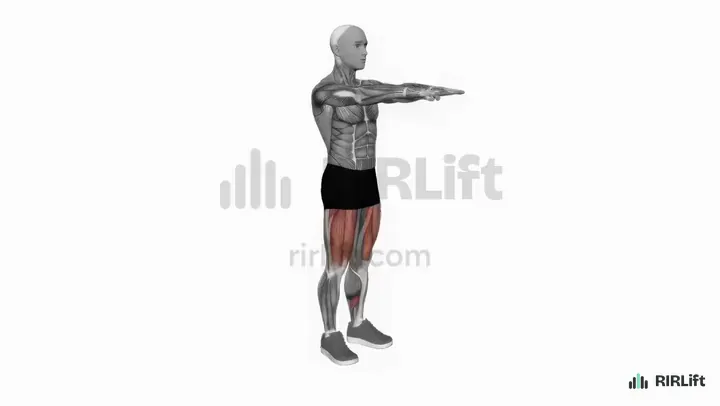
- Bodyweight Squat Quads
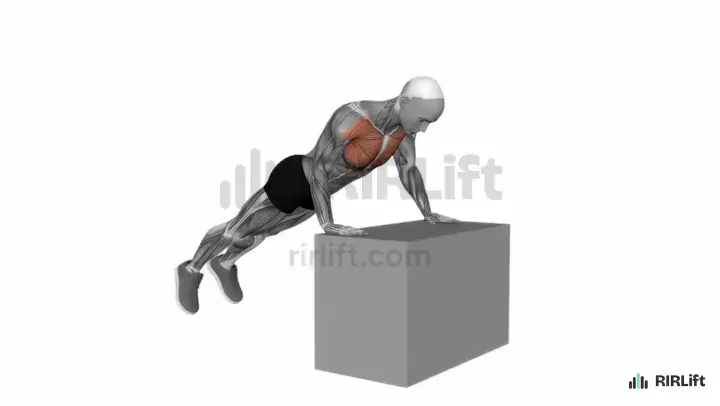
- Incline Push-Up Chest
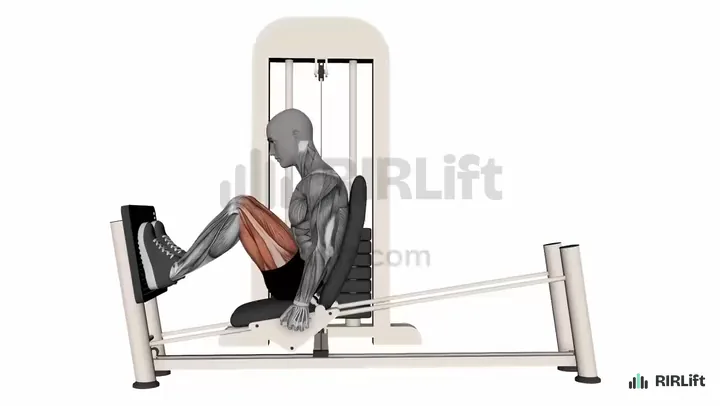
- Leg Press Quads, Glutes
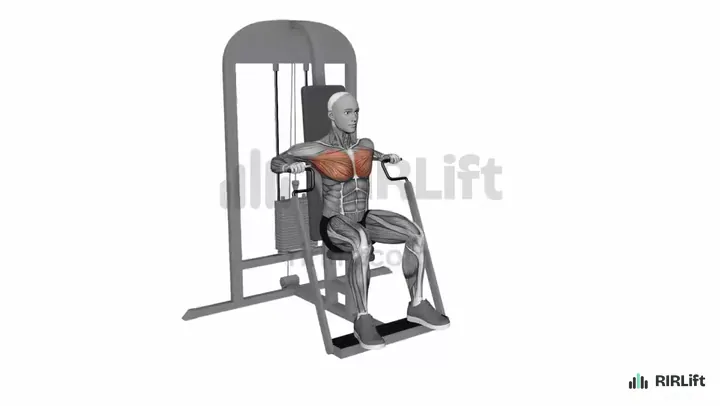
- Machine Chest Press Chest
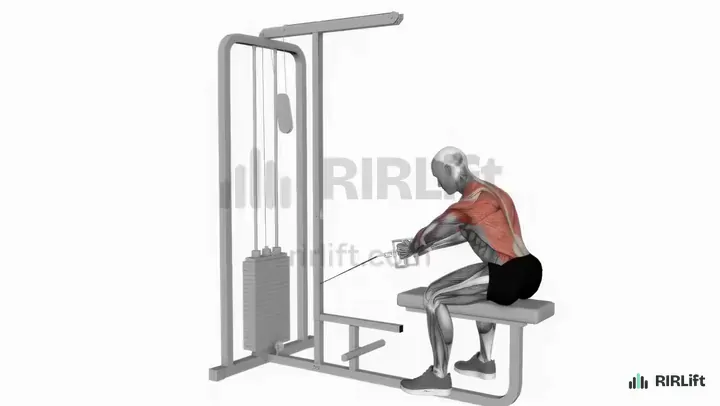
- Seated Cable Row Upper Back, Lats
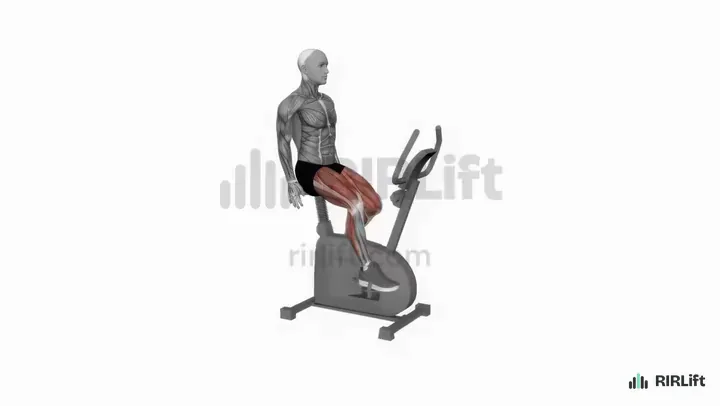
- Stationary Bike Quads, Hamstrings
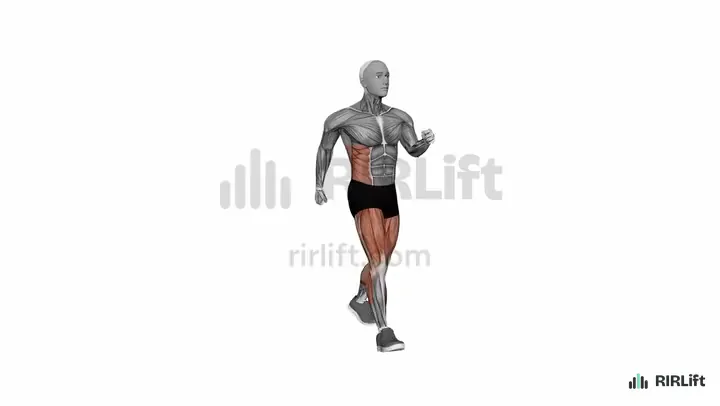
- Brisk Walk Quads, Hamstrings, Glutes, Calves
Put them together: example sessions
Each session below picks from the exercises above for one situation, with the sets, reps, rest and RIR filled in.
-
Session 1
Home first steps, two days a week
You have a larger body, have not trained before, and want to start at home with a chair, a counter and a band.
2× a week · 32 sets a week · ~20 min
-
Session 2
Gym machines, three days a week
You have a gym membership and want a simple routine on machines, with the bike to warm up.
3× a week · 47 sets a week · ~25 min
-
Session 3
Knees or back complain: seated work first
Standing or walking for long makes your knees or back ache, so you want to build strength mostly seated.
2× a week · 36 sets a week · ~25 min
Session 1
Home first steps, two days a week
- Workouts2× a week
- Working sets32 a week
- Per workout~20 min
- EquipmentResistance Bands
You have a larger body, have not trained before, and want to start at home with a chair, a counter and a band.
Two short sessions with 2 sets each give your muscles a clear signal while your joints and tendons get used to the work. Six strength sets per session plus a walk is enough to make real progress in the first two months.
| Exercise | Sets × reps | RIR | Rest |
|---|---|---|---|
| Bodyweight SquatSit down to a chair and stand back up. | 2 × 8–15 | 3 | 90 s |
| Incline Push-UpHands on a counter or wall. | 2 × 8–15 | 3 | 75 s |
| Band Bent-Over Row | 2 × 10–15 | 3 | 75 s |
| Brisk WalkSeconds. One-minute blocks back to back, about 10 minutes. | 10 × 60 | 3 | 0 s |
| Exercise | Sets × reps | RIR | Rest |
|---|---|---|---|
| Incline Push-Up | 2 × 8–15 | 3 | 75 s |
| Bodyweight SquatUse a higher seat if needed. | 2 × 8–15 | 3 | 90 s |
| Dead BugPer side. Feet stay on the floor. | 2 × 5–8 | 3 | 1 min |
| Brisk WalkSeconds. One-minute blocks back to back, about 10 minutes. | 10 × 60 | 3 | 0 s |
- How to run it
- Two non-consecutive days, such as Monday and Thursday. Walk on the other days when you can, even 10 minutes.
- How to progress
- Stop every set with about 3 reps left. When you reach 15 reps on both sets, make the move harder: a lower chair, feet farther from the counter, or a stronger band. Add 2 to 3 minutes to your walk each week.
Session 2
Gym machines, three days a week
- Workouts3× a week
- Working sets47 a week
- Per workout~25 min
- EquipmentExercise Bike, Leg Press, Chest Press, Lat Pulldown +3
You have a gym membership and want a simple routine on machines, with the bike to warm up.
Three full-body sessions put each major muscle at about 6 to 8 sets a week, a solid beginner dose. Machines let you go to 2 reps in reserve with no balance demands, and a few easy minutes on the bike start each day.
| Exercise | Sets × reps | RIR | Rest |
|---|---|---|---|
| Stationary BikeSeconds. One-minute blocks back to back at an easy pace. | 6 × 60 | 3 | 0 s |
| Leg Press1 warm-up set first | 3 × 10–15 | 2 | 2 min |
| Machine Chest Press | 3 × 10–15 | 2 | 90 s |
| Lat Pulldown | 3 × 10–15 | 2 | 90 s |
| Exercise | Sets × reps | RIR | Rest |
|---|---|---|---|
| Stationary BikeSeconds. One-minute blocks back to back at an easy pace. | 6 × 60 | 3 | 0 s |
| Seated Leg Curl | 3 × 10–15 | 2 | 90 s |
| Seated Cable Row | 3 × 10–15 | 2 | 90 s |
| Machine Chest Press | 2 × 10–15 | 2 | 90 s |
| Farmer's WalkSeconds per walk. Light dumbbells. | 2 × 20–30 | 3 | 90 s |
- How to run it
- Three days, such as Monday, Wednesday and Friday, alternating A and B. Start each day with 5 to 10 minutes on the bike.
- How to progress
- Double progression: when every set reaches the top of the range with 2 reps left, go up one pin on the stack. Most machines move in small steps, so expect to add weight every week or two.
Session 3
Knees or back complain: seated work first
- Workouts2× a week
- Working sets36 a week
- Per workout~25 min
- EquipmentExercise Bike, Seated Leg Curl, Chest Press, Lat Pulldown +2
Standing or walking for long makes your knees or back ache, so you want to build strength mostly seated.
Every exercise here is done sitting or lying with support, so the load goes to the muscles you are training. Two days of 7 to 9 strength sets plus bike work let you train hard enough to improve while you build up to standing exercises.
| Exercise | Sets × reps | RIR | Rest |
|---|---|---|---|
| Stationary BikeSeconds. One-minute blocks back to back; recumbent bike if available. | 10 × 60 | 3 | 0 s |
| Seated Leg Curl | 3 × 10–15 | 3 | 90 s |
| Machine Chest Press | 3 × 10–15 | 3 | 90 s |
| Lat Pulldown | 3 × 10–15 | 3 | 90 s |
| Exercise | Sets × reps | RIR | Rest |
|---|---|---|---|
| Stationary BikeSeconds. One-minute blocks back to back; recumbent bike if available. | 10 × 60 | 3 | 0 s |
| Seated Cable Row | 3 × 10–15 | 3 | 90 s |
| Leg PressFeet high on the platform, stop short of a deep knee bend. | 2 × 12–15 | 3 | 2 min |
| Dead BugPer side. | 2 × 5–8 | 3 | 1 min |
- How to run it
- Two days a week with two or three days between. Use the bike for 10 to 15 minutes on one or two other days if it feels good.
- How to progress
- Add reps before weight: get to 15 on every set with 3 reps left, then add one pin and drop back to 10. Once standing feels easier, swap the Day 2 leg press for chair squats.
Make it fit you
-
Getting on and off the floor
Do the dead bug on a bed or firm couch, or replace it with a seated knee lift. Nothing in the gym plans needs the floor.
-
Machine seats that do not fit
Move the seat and pads to their widest setting before you add weight. If a machine is tight, a cable or dumbbell version of the same movement works, such as standing cable rows instead of the seated row.
-
Breathless before your muscles are tired
Rest longer, up to 2 or 3 minutes, and keep the sets short. The strength work only counts if the muscle is the thing that stops the set.
-
Fat loss and the muscle underneath
These exercises build the muscle under the fat; the fat itself comes off through overall weight loss, mostly from how you eat. Keeping and adding muscle while you lose weight means more of what you lose is fat.
-
Track what you did
After each set, write down the reps you still had in you. RIRLift uses those reps in reserve to set next session's weight, so you add load only when you are ready for it.
Questions
What is the best exercise for a beginner with a lot of weight to lose?
Walking and the stationary bike for daily activity, plus two or three days of strength work on seated machines or at home. Combining both does more than either alone.
What is the 3-3-3 rule for working out?
One version is three strength exercises, three sets, three days a week. As a first step, two sets of four exercises, twice a week, is a gentler version of the same idea.
Can I lose 20 pounds in a month?
Losing that much that fast is rare and hard to keep off. A steady loss of around half a pound to two pounds a week is more realistic, and strength training helps make sure most of it is fat.
Should I do cardio or weights first?
Both have a place. A short easy bike or walk warms you up, then lift, then walk more if you have time. If you can only do one some weeks, keep the strength days.
How long until exercise feels easier?
Most people notice they can do more reps or walk farther within three or four weeks. Logging your sessions makes that progress easy to see.
Related templates
-
Low impact exercises: cardio and strength that go easy on your joints
More joint-friendly options for strength and conditioning.
-
Strength training for weight loss: the lifts that keep muscle while the scale drops
How to lift while you are eating less.
-
Machine exercises for every muscle, with sessions for where you are
A wider list of machines for the gym plans.
-
Low impact exercises for weight loss: burn calories, keep muscle, spare your joints
Gentle conditioning work to add on non-lifting days.
-
How to use reps in reserve (RIR)
How to tell when you have 3 reps left in the tank.