
Low impact exercises: cardio and strength that go easy on your joints
Published October 29, 2026
Low impact exercises keep at least one foot on the ground or your weight supported, so nothing lands hard on your joints. For cardio, use brisk walking, the stationary bike, elliptical and rowing machine. For strength, use goblet squats, step-ups, glute bridges and wall sits for the legs, incline push-ups and one-arm rows for the upper body, and planks and dead bugs for the trunk. A balanced week is 20 to 40 minutes of that cardio on three to five days plus two or three strength sessions of 2 to 3 sets per exercise.
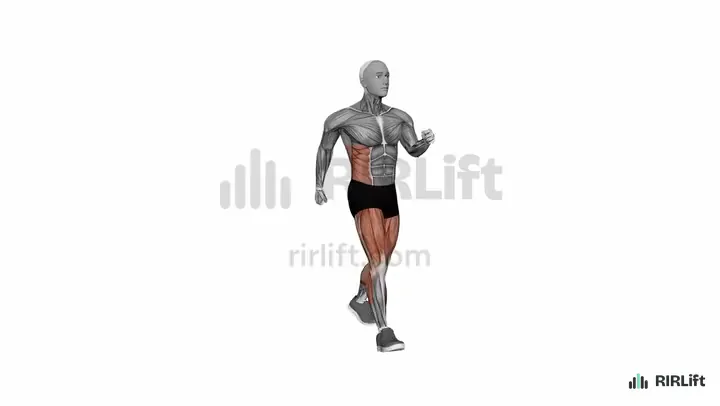
- Brisk Walk Quads, Hamstrings, Glutes, Calves
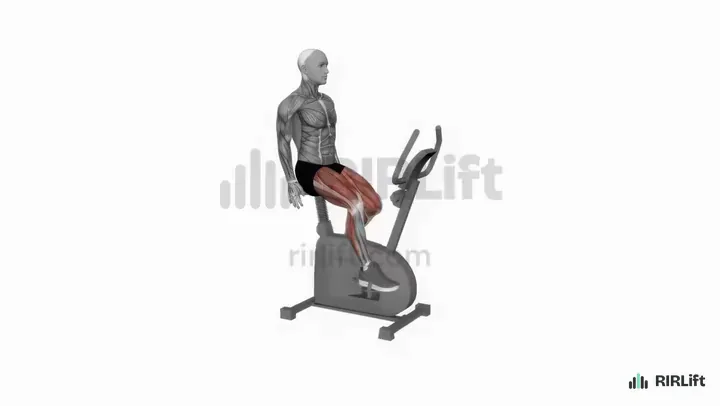
- Stationary Bike Quads, Hamstrings
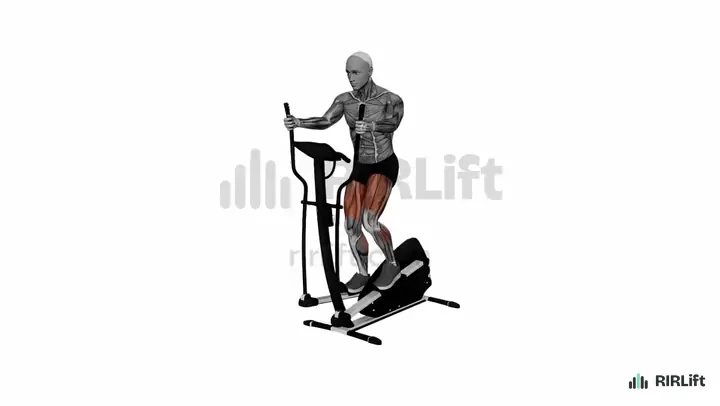
- Elliptical Quads, Hamstrings, Glutes
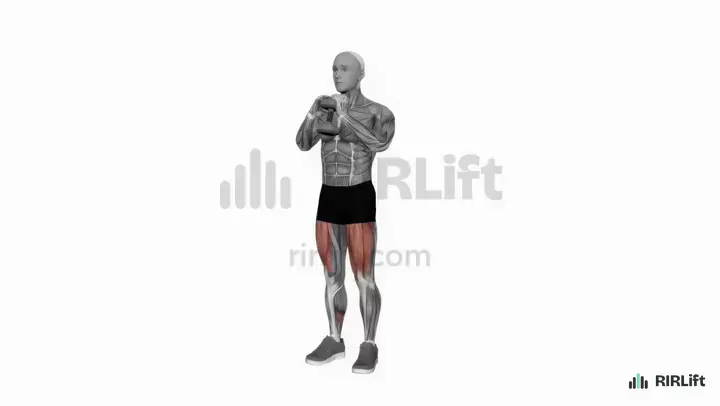
- Goblet Squat Quads, Glutes
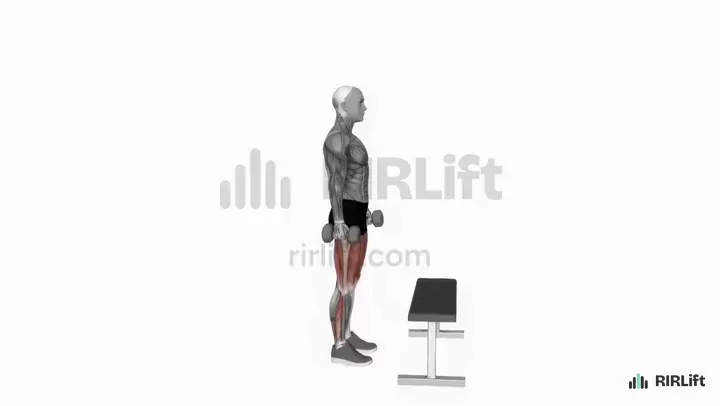
- Step-Up Quads, Glutes
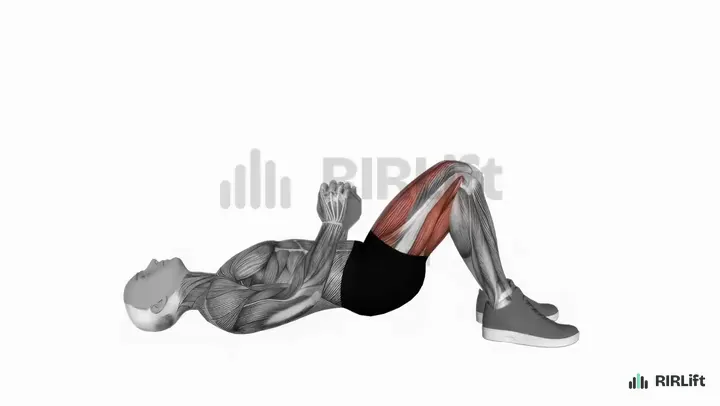
- Dumbbell Glute Bridge Glutes
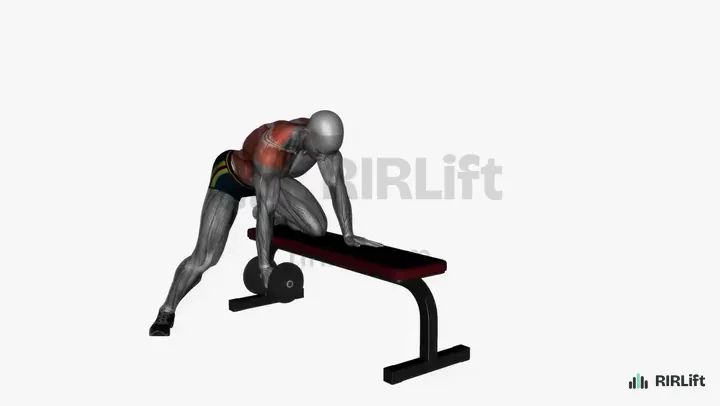
- One-Arm Dumbbell Row Lats, Upper Back
Put them together: example sessions
Each session below picks from the exercises above for one situation, with the sets, reps, rest and RIR filled in.
-
Session 1
Beginner at home, three days a week
You are starting out, train at home with one dumbbell and a sturdy chair, and want a routine that covers strength and cardio together.
3× a week · 48 sets a week · ~30 min
-
Session 2
Gym, two strength days and two cardio days
You have a gym membership and want a full week of low impact training that builds strength and fitness without any running or jumping.
4× a week · 46 sets a week · ~25 min
-
Session 3
Knees that ache with squats and stairs
Bending your knees deeply or climbing stairs hurts, and you want to keep training legs and fitness around it.
2× a week · 30 sets a week · ~30 min
Session 1
Beginner at home, three days a week
- Workouts3× a week
- Working sets48 a week
- Per workout~30 min
- EquipmentDumbbells
You are starting out, train at home with one dumbbell and a sturdy chair, and want a routine that covers strength and cardio together.
One short session hits every major muscle with 2 sets each, 10 sets in all, then adds 6 minutes of brisk walking intervals. Three times a week is enough for a beginner, and 2 to 3 reps in reserve leaves room to learn the movements well.
| Exercise | Sets × reps | RIR | Rest |
|---|---|---|---|
| Goblet SquatSquat to a chair if needed. | 2 × 8–12 | 3 | 90 s |
| Incline Push-Up | 2 × 8–12 | 3 | 1 min |
| Dumbbell Glute Bridge | 2 × 10–15 | 3 | 1 min |
| One-Arm Dumbbell RowPer arm. | 2 × 8–12 | 3 | 1 min |
| Dead BugPer side. | 2 × 6–10 | 3 | 1 min |
| Brisk WalkSeconds fast. Walk easy between. | 6 × 60 | 3 | 1 min |
- How to run it
- Do it Monday, Wednesday and Friday. Do the strength work first, then go out for the walking intervals, or walk later in the day. On other days, walk easily for 20 to 30 minutes if you can.
- How to progress
- When both sets of an exercise reach the top of the rep range with 2 reps left, add a third set. Once you are at three sets, make it harder: a heavier dumbbell, a lower surface for push-ups, or a longer plank.
Session 2
Gym, two strength days and two cardio days
- Workouts4× a week
- Working sets46 a week
- Per workout~25 min
- EquipmentDumbbells, Flat Bench, Exercise Bike, Rowing Machine +1
You have a gym membership and want a full week of low impact training that builds strength and fitness without any running or jumping.
Two full-body strength sessions with 3 sets per exercise give each muscle about 6 hard sets a week, enough to get stronger. The two machine days add interval cardio, 10 to 12 efforts each, and you add easy walking or cycling around them.
| Exercise | Sets × reps | RIR | Rest |
|---|---|---|---|
| Goblet Squat1 warm-up set first | 3 × 8–12 | 2 | 2 min |
| One-Arm Dumbbell RowPer arm. | 3 × 8–12 | 2 | 75 s |
| Dumbbell Glute Bridge | 3 × 10–15 | 2 | 75 s |
| PlankSeconds per hold. | 3 × 20–45 | 2 | 1 min |
| Exercise | Sets × reps | RIR | Rest |
|---|---|---|---|
| Step-Up1 warm-up set firstPer leg. | 3 × 8–12 | 2 | 90 s |
| Incline Push-Up | 3 × 8–15 | 2 | 75 s |
| Wall SitSeconds per hold. | 3 × 30–45 | 2 | 1 min |
| Dead BugPer side. | 3 × 8–12 | 2 | 1 min |
| Exercise | Sets × reps | RIR | Rest |
|---|---|---|---|
| Stationary BikeSeconds at higher resistance. Spin easy between. | 6 × 45–60 | 2 | 1 min |
| Rowing MachineSeconds at a firm pace. Row easy between. | 6 × 30–45 | 2 | 1 min |
| Exercise | Sets × reps | RIR | Rest |
|---|---|---|---|
| EllipticalSeconds at higher resistance. Easy stride between. | 10 × 60 | 2 | 1 min |
- How to run it
- Strength on Monday and Thursday, cardio on Tuesday and Saturday. Each takes 35 to 45 minutes. Warm up for 5 minutes on the bike before the strength days.
- How to progress
- On strength days, use double progression: once all sets reach the top of the range with 2 reps in reserve, go up one dumbbell size. On cardio days, raise the resistance one level when all intervals feel steady.
Session 3
Knees that ache with squats and stairs
- Workouts2× a week
- Working sets30 a week
- Per workout~30 min
- EquipmentDumbbells, Exercise Bike, Elliptical
Bending your knees deeply or climbing stairs hurts, and you want to keep training legs and fitness around it.
This plan keeps the knee bend shallow: bridges and a partial wall sit for the legs, rows and planks for the rest, and the bike and elliptical for cardio. Two sessions a week, each with 9 strength sets and 6 cardio intervals, build strength around the knee without asking it to go where it hurts.
| Exercise | Sets × reps | RIR | Rest |
|---|---|---|---|
| Dumbbell Glute Bridge | 3 × 10–15 | 2 | 75 s |
| One-Arm Dumbbell RowPer arm. | 3 × 8–12 | 2 | 75 s |
| Wall SitSeconds per hold. Shallow, pain-free depth. | 3 × 20–40 | 3 | 1 min |
| Stationary BikeSeconds at higher resistance. Spin easy between. | 6 × 45–60 | 3 | 1 min |
| Exercise | Sets × reps | RIR | Rest |
|---|---|---|---|
| Dumbbell Glute Bridge | 3 × 12–15 | 2 | 75 s |
| Incline Push-Up | 3 × 8–15 | 2 | 1 min |
| PlankSeconds per hold. | 3 × 20–40 | 2 | 1 min |
| EllipticalSeconds at higher resistance. Easy stride between. | 6 × 45–60 | 3 | 1 min |
- How to run it
- Do Day A and Day B on two separate days, such as Tuesday and Friday. Sit in the wall sit only as deep as is pain-free. Ride the bike or walk on two or three other days.
- How to progress
- Add 5 seconds to the wall sit each week and slide a little deeper only when the current depth is comfortable. For the bridges and rows, add weight when you hit the top of the range with 2 reps in reserve.
Make it fit you
-
No equipment at all
Do the squats and bridges with body weight and slow the lowering to three seconds, use a backpack with books for the rows, and keep walking as your cardio.
-
Over 60 or unsteady
Hold a counter or the back of a chair for squats and step-ups, keep the step low, and do the dead bug on your bed if the floor is hard to get down to.
-
Losing weight
Low impact training works for weight loss as long as you eat a little less than you burn. Keep the strength days, and build your cardio toward 200 to 300 minutes a week, mostly walking.
-
Make it harder without impact
Add weight, slow the lowering, add a set, or turn the machine resistance up. Low impact never has to mean easy.
-
Log it
Note your reps and how many you had left on each strength set. RIRLift picks the next session's weight from that, so you add load in small, steady steps.
Questions
What is the best low-impact workout?
A mix of brisk walking or cycling for cardio and a full-body strength routine with squats, step-ups, bridges, push-ups and rows. Cardio alone leaves your muscles and bones under-trained.
Can I lose weight with low-impact exercise?
Yes. Weight loss comes from burning more than you eat, and walking, cycling and rowing burn plenty when done often. Low impact sessions are also easy to repeat day after day, so you miss fewer of them.
What are some examples of low-impact exercises for seniors?
Walking, the stationary bike, chair squats, step-ups onto a low step, glute bridges, wall push-ups and rows with light dumbbells. Hold onto something sturdy for balance on standing moves.
Is low impact exercise as effective as high impact?
For strength, heart and lung fitness and weight loss, it can be, if you push the effort with resistance, incline and weight. High impact work like jumping adds bone loading and power that low impact training does less of.
Is strength training low impact?
Most of it is. Squats, rows, presses and bridges move slowly with your feet planted, so your joints are loaded steadily rather than hit. Jumping variations and sprinting are the exceptions.
Related templates
-
Low impact cardio exercises: hard work with no jumping or pounding
More no-jump cardio, including harder conditioning options.
-
Low impact leg exercises: strong legs without jumping
A deeper list of leg moves that spare the knees.
-
Low impact exercises for seniors: cardio and strength without jumping
The same idea set up for older lifters and balance.
-
Low impact exercises for weight loss: burn calories, keep muscle, spare your joints
How to build a weight loss week from low impact training.
-
How to use reps in reserve (RIR)
How to judge the reps you have left on each strength set.