
Exercises for weight loss at home: strength moves, cardio moves and plans that fit a living room
Published October 29, 2026
The best exercises for weight loss at home combine strength and cardio: goblet squats, step-ups on a stair, dumbbell Romanian deadlifts, glute bridges, push-ups and bent-over rows to keep muscle, plus high knees, jump rope, half burpees, skater hops, walkouts and plank shoulder taps to raise your heart rate. Train three or four times a week for 20 to 40 minutes, alternating a strength move and a cardio move, and walk on the other days. No exercise burns fat from one spot; a calorie deficit takes it off, and these sessions keep your muscle while it does.
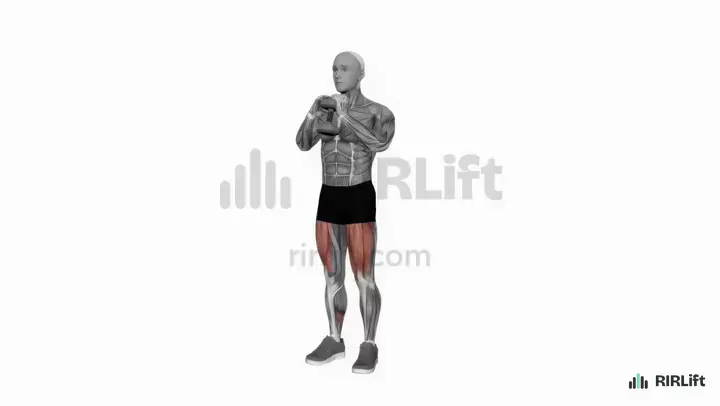
- Goblet Squat Quads, Glutes
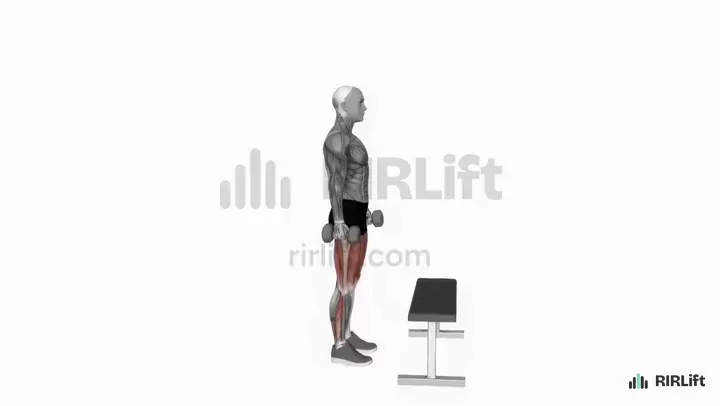
- Step-Up Quads, Glutes
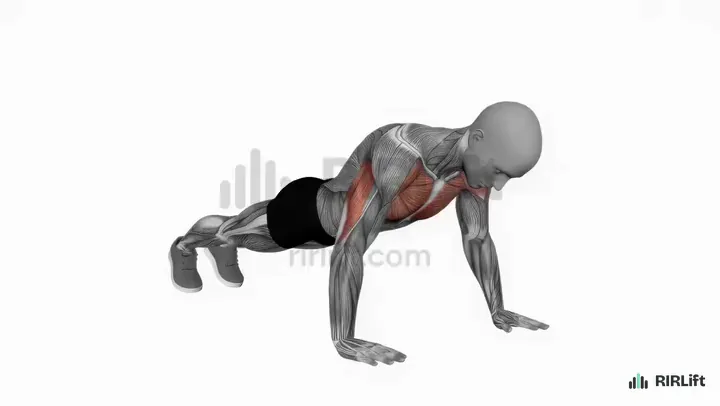
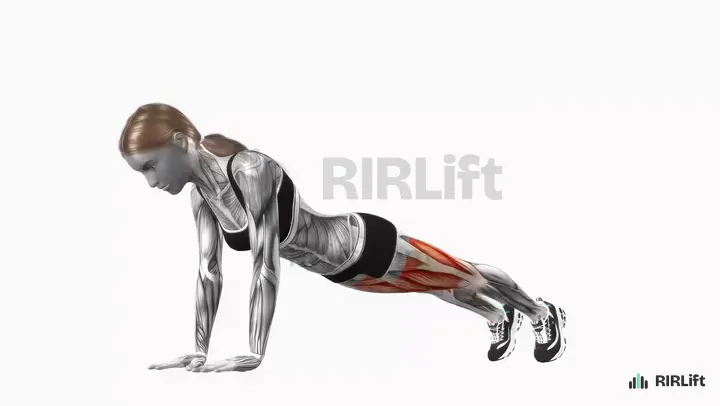
- Push-Up Chest
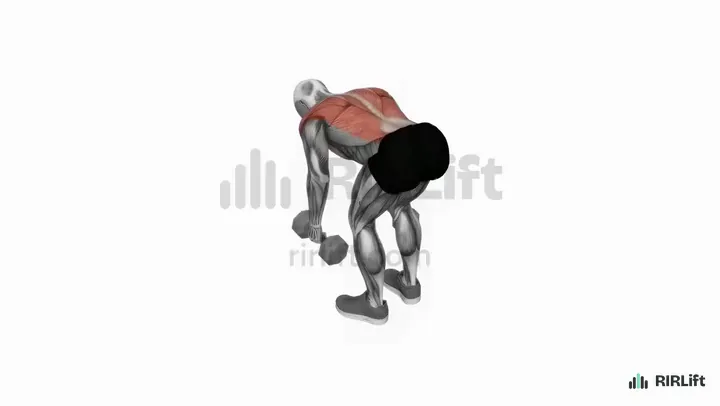
- Dumbbell Bent-Over Row Upper Back, Lats
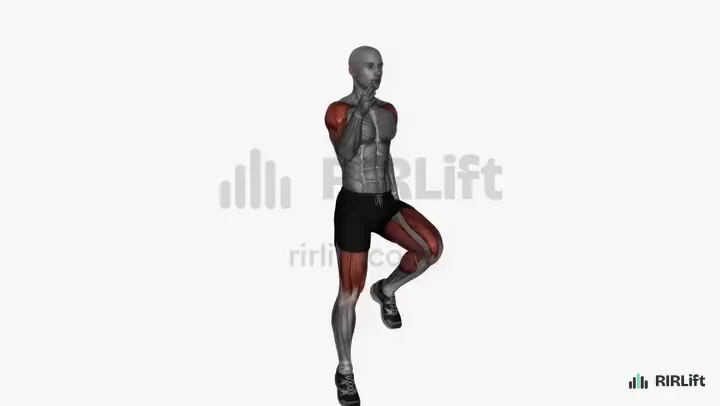
- High Knees Quads
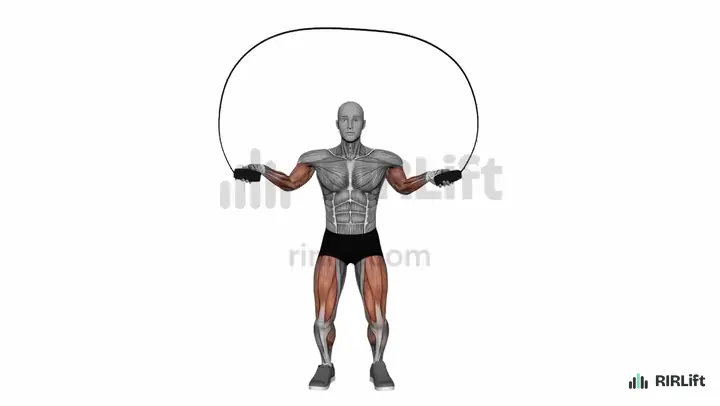
- Jump Rope Calves, Quads
- Half Burpee Quads, Abs, Shoulders
Put them together: example sessions
Each session below picks from the exercises above for one situation, with the sets, reps, rest and RIR filled in.
-
Session 1
No equipment, starting out
You have nothing but floor space and a staircase, you are new to exercise, and you want three home workouts a week.
3× a week · 33 sets a week · ~25 min
-
Session 2
A pair of dumbbells and 30 minutes
You have a pair of dumbbells and a jump rope at home, about 30 minutes, and you want three or four sessions a week that build muscle and get you sweating.
4× a week · 60 sets a week · ~20 min
-
Session 3
An apartment with neighbors below
You live in an apartment, jumping is not an option, and you want home workouts that are hard but quiet, three days a week.
3× a week · 36 sets a week · ~25 min
Session 1
No equipment, starting out
- Workouts3× a week
- Working sets33 a week
- Per workout~25 min
- EquipmentDumbbells, Flat Bench
You have nothing but floor space and a staircase, you are new to exercise, and you want three home workouts a week.
Each workout alternates a strength move and a cardio move, 11 sets each, so over three workouts your legs get about 13 hard sets a week and push-ups about 5, while the cardio bursts add to your burn. Strength sets stop with 2 reps left while you learn them.
| Exercise | Sets × reps | RIR | Rest |
|---|---|---|---|
| Step-UpPer leg. Bottom stair, no weight. | 3 × 8–15 | 2 | 1 min |
| High KneesSeconds. | 3 × 20–30 | 2 | 1 min |
| Push-UpHands on a couch or table if needed. | 3 × 5–12 | 2 | 75 s |
| Plank Shoulder TapTotal taps. | 2 × 10–20 | 2 | 1 min |
| Exercise | Sets × reps | RIR | Rest |
|---|---|---|---|
| Walkout | 3 × 5–8 | 2 | 1 min |
| Skater HopPer side. | 3 × 6–10 | 2 | 1 min |
| Step-UpPer leg. | 3 × 8–15 | 2 | 1 min |
| Half Burpee | 2 × 6–10 | 2 | 1 min |
- How to run it
- Do Home A and Home B on alternating days, three times a week. Walk 20 to 30 minutes on two other days.
- How to progress
- Add reps or seconds until you reach the top of every range. Then add a round, lower your push-up hands, or stretch the high knees to 45 seconds.
Session 2
A pair of dumbbells and 30 minutes
- Workouts4× a week
- Working sets60 a week
- Per workout~20 min
- EquipmentDumbbells, Jump Rope, Flat Bench
You have a pair of dumbbells and a jump rope at home, about 30 minutes, and you want three or four sessions a week that build muscle and get you sweating.
Two strength pairs and a cardio finisher fit 15 sets into 30 minutes. That gives every major muscle 8 to 12 hard sets a week across three or four sessions, enough to keep muscle in a deficit, and the rope rounds add steady burn.
| Exercise | Sets × reps | RIR | Rest |
|---|---|---|---|
| A1 Goblet Squat1 warm-up set first | 3 × 10–15 | 2 | 1 min |
| A2 Push-Up | 3 × 8–15 | 1 | 1 min |
| B1 Dumbbell Romanian Deadlift | 3 × 10–15 | 2 | 1 min |
| B2 Dumbbell Bent-Over Row | 3 × 10–15 | 1 | 1 min |
| Jump RopeSeconds. | 3 × 30–45 | 2 | 1 min |
| Exercise | Sets × reps | RIR | Rest |
|---|---|---|---|
| A1 Step-UpPer leg. Dumbbells at your sides. | 3 × 8–12 | 2 | 1 min |
| A2 Dumbbell Bent-Over Row | 3 × 10–15 | 1 | 1 min |
| B1 Dumbbell Glute Bridge | 3 × 12–20 | 1 | 1 min |
| B2 Push-Up | 3 × 8–15 | 1 | 1 min |
| Half Burpee | 3 × 8–12 | 2 | 1 min |
- How to run it
- Three or four sessions a week, switching between A and B each time, with at least one full rest day.
- How to progress
- Double progression on the dumbbell moves: reach the top of each range, then use heavier dumbbells or slow the lowering. Add 15 seconds to each rope round once you stop tripping. Log the reps you had left on each set and RIRLift picks the next session's dumbbell for you.
Session 3
An apartment with neighbors below
- Workouts3× a week
- Working sets36 a week
- Per workout~25 min
- EquipmentDumbbells, Flat Bench
You live in an apartment, jumping is not an option, and you want home workouts that are hard but quiet, three days a week.
Nothing here lands: squats, bridges and step-ups for legs, rows and push-ups for upper body, walkouts and shoulder taps in place of jumping cardio. About 12 sets a session keeps your muscle, and short rests keep your heart rate up.
| Exercise | Sets × reps | RIR | Rest |
|---|---|---|---|
| Goblet Squat1 warm-up set first | 3 × 10–15 | 2 | 75 s |
| Dumbbell Bent-Over Row | 3 × 10–15 | 1 | 1 min |
| Walkout | 3 × 6–10 | 2 | 1 min |
| Dumbbell Glute Bridge2 s squeeze at the top. | 3 × 12–20 | 1 | 1 min |
| Exercise | Sets × reps | RIR | Rest |
|---|---|---|---|
| Step-UpPer leg. Step down softly. | 3 × 8–12 | 2 | 75 s |
| Push-Up | 3 × 8–15 | 1 | 75 s |
| Dumbbell Romanian Deadlift | 3 × 10–15 | 2 | 75 s |
| Plank Shoulder TapTotal taps. | 3 × 16–24 | 2 | 1 min |
- How to run it
- Run Quiet A and Quiet B on alternate days, three times a week, with walking outside on other days.
- How to progress
- Add reps, then weight. On walkouts, hold the plank a beat longer each week; on bridges, add a 2-second squeeze at the top.
Make it fit you
-
You can only manage 15 minutes
Do the first two strength pairs and one cardio round. Fifteen minutes three times a week still holds muscle; walk more to make up the burn.
-
You have no dumbbells yet
Use the no-equipment plan, and a backpack loaded with books for squats, Romanian deadlifts and rows. Hold it to your chest or by the straps.
-
Jumping hurts your knees or feet
Swap high knees for walkouts, skater hops for step-ups, and half burpees for shoulder taps. Wear shoes and work on a mat or rug.
-
You want the fastest results
Keep three to four workouts a week and add a daily walk. More hard sessions on top usually cost more in recovery than they add.
Questions
How often should you exercise for weight loss?
Three or four workouts a week with daily walking works for most people. Around 150 minutes of moderate activity a week plus two or more strength sessions is the common target.
What exercises can I do at home to lose weight in 7 days?
Any of these, but one week changes the scale mostly through water and food in your gut. Use the first week to learn the moves and settle into a routine; steady fat loss shows over weeks.
Can you lose weight with home workouts?
Yes. Your body cannot tell a living room from a gym. With a calorie deficit, three or four home sessions a week and walking will take weight off, and the strength moves keep it mostly fat.
What is the best exercise for weight loss at home?
A mix beats any single one: a squat or step-up, a push-up, a row and a cardio move like jump rope or high knees. If you only do one thing, walk every day.
How long should a home workout be to lose weight?
Twenty to forty minutes is plenty. The plans here fit 11 to 15 hard sets in that time, and longer sessions mostly add easy minutes.
Related templates
-
Bodyweight exercises for weight loss: no equipment, real progress
More no-equipment moves and a no-jumping plan.
-
Cardio exercises at home: no treadmill, no bike, no problem
More home cardio moves to swap into the finishers.
-
Strength training at home: the exercises, the equipment and three plans
Home strength plans when you want to build muscle first.
-
The best workout for home, with little or no equipment
Full-week home programs.
-
Lifting with limited equipment
How to keep progressing with one pair of dumbbells.