
Bodyweight exercises for weight loss: no equipment, real progress
Published October 29, 2026
The best bodyweight exercises for weight loss are squats, reverse lunges, push-ups (on a bench or counter if needed), pike push-ups, single-leg glute bridges and wall sits for muscle, plus burpees, jump squats, jumping jacks, mountain climbers and planks for conditioning. Do them as a circuit three or four times a week: 3 rounds, 8 to 20 reps or 30 to 45 seconds per move, stopping a couple of reps short of failure. Make it harder by slowing the reps or moving to a harder version, not just doing more. Pair it with a calorie deficit; the circuit keeps your muscle and adds to what you burn.
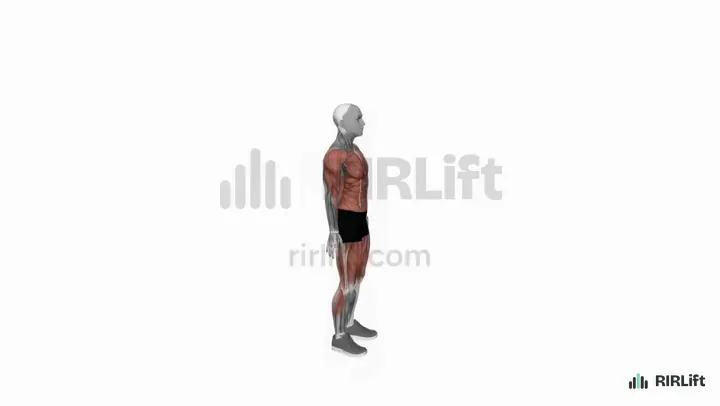
- Bodyweight Squat Quads
- Reverse Lunge Quads, Glutes
- Push-Up Chest
- Single-Leg Glute Bridge Glutes
- Burpee Quads, Glutes, Chest, Shoulders
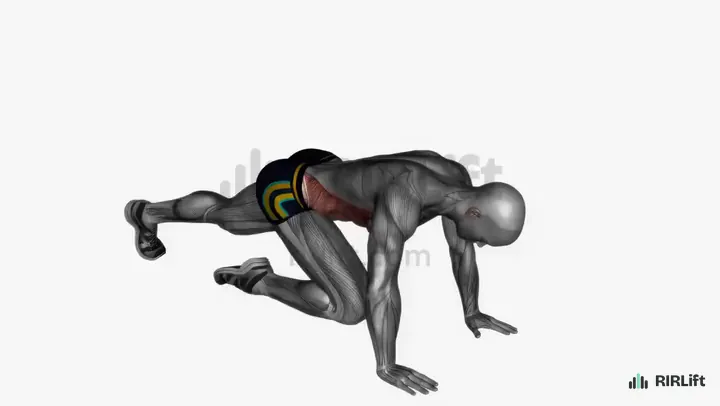
- Mountain Climber Abs
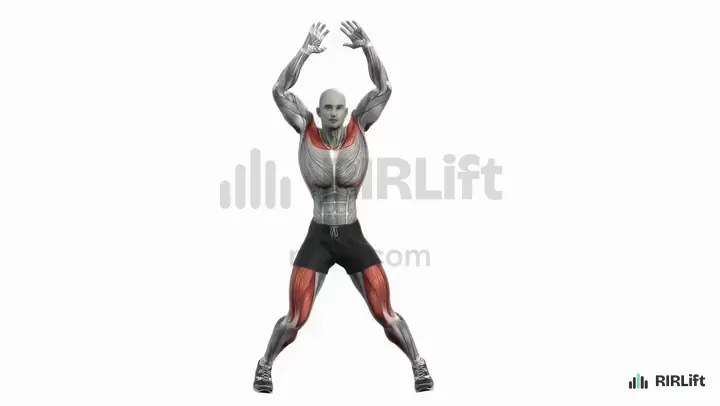
- Jumping Jack Calves, Quads
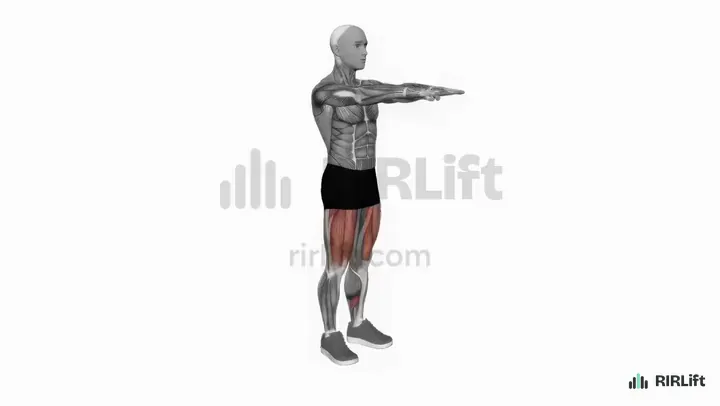
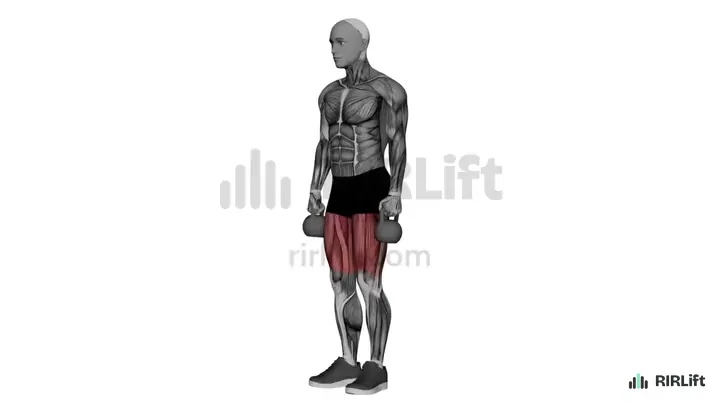
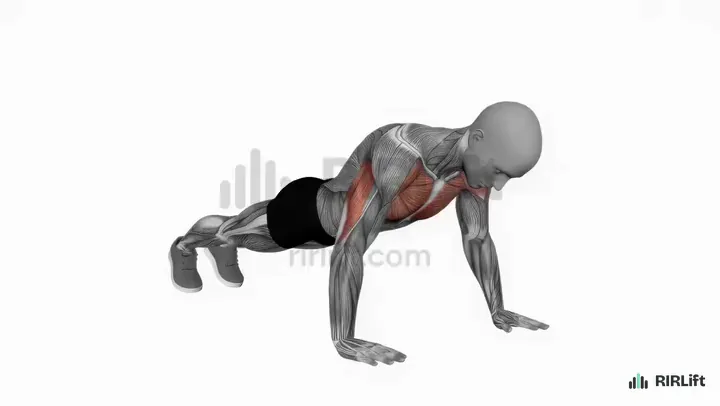
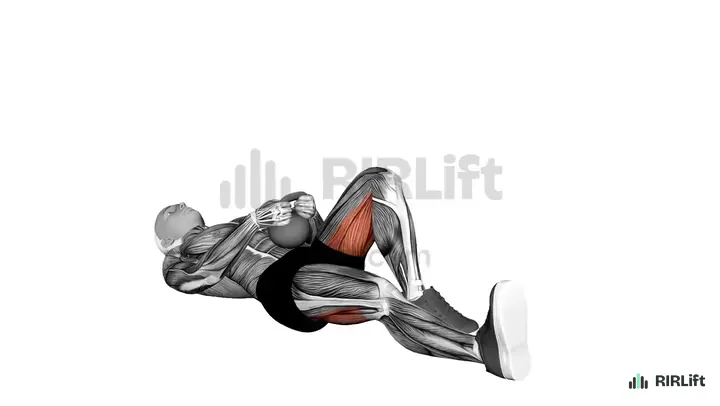
Put them together: example sessions
Each session below picks from the exercises above for one situation, with the sets, reps, rest and RIR filled in.
-
Session 1
Starting from zero at home
You are new to exercise, you have floor space, a wall and a sturdy chair or counter, and you want a routine you can do three times a week.
3× a week · 33 sets a week · ~20 min
-
Session 2
Twenty minutes, already active
You can do floor push-ups and lunges, you have about 20 minutes, and you want sessions that are hard enough to feel like training.
4× a week · 56 sets a week · ~20 min
-
Session 3
A lot to lose, no jumping or floor work
You have a lot of weight to lose, jumping hurts your knees or feet, and getting down to the floor and up again is hard. You have a wall, a chair and a kitchen counter.
3× a week · 27 sets a week · ~20 min
Session 1
Starting from zero at home
- Workouts3× a week
- Working sets33 a week
- Per workout~20 min
- EquipmentDumbbells
You are new to exercise, you have floor space, a wall and a sturdy chair or counter, and you want a routine you can do three times a week.
Circuit A has 12 sets and Circuit B has 10. Over three days that is about 15 leg sets and 9 push-up sets a week, all stopped with 2 to 3 reps left, a dose you can recover from while eating less. The cardio moves come last so they don't take from the strength work.
| Exercise | Sets × reps | RIR | Rest |
|---|---|---|---|
| Bodyweight SquatSit to a chair if needed. | 3 × 10–20 | 2 | 1 min |
| Incline Push-UpHands on a counter or bench. | 3 × 6–15 | 2 | 1 min |
| Single-Leg Glute BridgePer leg. | 2 × 8–12 | 2 | 1 min |
| PlankSeconds per hold. | 2 × 20–40 | 2 | 1 min |
| Jumping Jack | 2 × 20–40 | 2 | 1 min |
| Exercise | Sets × reps | RIR | Rest |
|---|---|---|---|
| Reverse LungePer leg. Hold a wall for balance if needed. | 3 × 6–12 | 2 | 1 min |
| Incline Push-Up | 3 × 6–15 | 2 | 1 min |
| Wall SitSeconds per hold. | 2 × 20–45 | 2 | 1 min |
| Mountain ClimberSeconds. Slow pace to start. | 2 × 20–30 | 3 | 1 min |
- How to run it
- Do Circuit A and Circuit B on alternate days, three times a week (A, B, A then B, A, B). A 20 to 30 minute walk on other days adds to the week.
- How to progress
- Add reps each session until you reach the top of every range, then make the move harder: lower the push-up surface, slow the squat to three seconds down, or hold the wall sit longer.
Session 2
Twenty minutes, already active
- Workouts4× a week
- Working sets56 a week
- Per workout~20 min
- EquipmentDumbbells
You can do floor push-ups and lunges, you have about 20 minutes, and you want sessions that are hard enough to feel like training.
Superset pairs alternate a lower-body and an upper-body move, so one rests while the other works, and each session ends with burpees or mountain climbers. Each session has 14 sets; at three sessions a week that is about 18 leg sets and 12 pushing sets, so make the fourth session optional when your legs are still sore.
| Exercise | Sets × reps | RIR | Rest |
|---|---|---|---|
| A1 Jump Squat | 3 × 8–12 | 2 | 1 min |
| A2 Push-Up | 3 × 8–20 | 1 | 1 min |
| B1 Reverse LungePer leg. | 3 × 10–15 | 1 | 1 min |
| B2 Pike Push-Up | 3 × 6–12 | 2 | 1 min |
| Burpee | 2 × 8–12 | 2 | 1 min |
| Exercise | Sets × reps | RIR | Rest |
|---|---|---|---|
| A1 Single-Leg Glute BridgePer leg. | 3 × 10–15 | 1 | 1 min |
| A2 Push-Up | 3 × 8–20 | 1 | 1 min |
| Wall SitSeconds per hold. | 3 × 40–60 | 1 | 1 min |
| Mountain ClimberSeconds. | 3 × 30–40 | 2 | 1 min |
| Burpee | 2 × 8–12 | 2 | 1 min |
- How to run it
- Alternate Session A and Session B three or four times a week. Leave a day between two hard jumping days if your knees or shins ache.
- How to progress
- Once you hit the top of a range on every set, switch to the harder version: pike push-ups for push-ups, slower lunges with a pause, single-leg bridges with a 2-second hold. Then build reps again from the bottom of the range.
Session 3
A lot to lose, no jumping or floor work
- Workouts3× a week
- Working sets27 a week
- Per workout~20 min
- EquipmentBodyweight
You have a lot of weight to lose, jumping hurts your knees or feet, and getting down to the floor and up again is hard. You have a wall, a chair and a kitchen counter.
Every move is done standing or against a support, so there is no impact and no floor. Each day has 9 sets, 6 for the legs and 3 push-ups, so three days a week adds up to about 18 leg sets and 9 push-up sets, all with 2 to 3 reps left so your joints and recovery keep up.
| Exercise | Sets × reps | RIR | Rest |
|---|---|---|---|
| Bodyweight SquatSit to a chair and stand. | 3 × 8–15 | 3 | 75 s |
| Incline Push-UpHands on a counter. | 3 × 6–12 | 3 | 75 s |
| Wall SitSeconds per hold. Stay higher on the wall. | 3 × 15–30 | 3 | 75 s |
| Exercise | Sets × reps | RIR | Rest |
|---|---|---|---|
| Reverse LungePer leg. One hand on a counter. | 3 × 5–10 | 3 | 75 s |
| Incline Push-Up | 3 × 6–12 | 3 | 75 s |
| Bodyweight SquatThree seconds down. | 3 × 8–15 | 2 | 75 s |
- How to run it
- Do Day A and Day B on alternate days, three times a week. Walk on the other days at a pace where you can still talk.
- How to progress
- Start at 3 reps in reserve for two weeks, then 2. Add reps, then make the move harder: a lower chair for squats, a lower counter for push-ups, a longer wall sit.
Make it fit you
-
Squats feel easy at 25 reps
Do them slower before you do more: three seconds down, a one-second pause at the bottom. Then switch to lunges or single-leg bridges, which double the load on each leg.
-
Burpees wreck your form
Use a half burpee: drop to a plank and stand back up without the jump. Keep sets to 6 to 8 and stop when your hips sag.
-
Add a pair of dumbbells later
When even the hardest versions pass 20 reps, a pair of dumbbells for squats, lunges and rows lets you keep building muscle in fewer reps.
-
You want it to burn more
Shorten the rest between sets to 30 seconds and add a fourth round, or walk 30 minutes on the same day. Walking adds more to a week's total than a longer circuit.
Questions
Can you lose weight with bodyweight workouts?
Yes, with a calorie deficit. Bodyweight circuits burn calories and, just as important, keep your muscle while you eat less. Three or four sessions a week plus daily walking is enough for steady weight loss.
How do I drop 20 pounds fast?
Most people lose 1 to 2 pounds a week on a steady calorie deficit, so 20 pounds is a 10 to 20 week project. Keep these circuits three or four times a week so the weight that comes off is mostly fat, eat enough protein, and walk daily.
What is the best bodyweight exercise for weight loss?
No single move does it. Burpees raise your heart rate fastest, but a mix of squats or lunges, push-ups and a few burpees or mountain climbers trains more muscle and lets you work longer.
What is the 3-3-3 rule for workouts?
Commonly, three exercises for three rounds, three times a week. It is a simple starting point; the beginner plan here is close to it, with four or five exercises so legs, upper body and core all get trained.
What exercises can I do at home to lose weight in 7 days?
Any of these, but a week of exercise changes the scale mostly through water. Lasting loss comes from weeks of a calorie deficit; use the first week to learn the moves and set the routine you will keep.
How many reps should I do for weight loss?
Enough that you end each set 1 to 3 reps short of failure, usually 8 to 20 reps for strength moves and 30 to 45 seconds for cardio moves. If you can do far more, switch to a harder version.
Related templates
-
Exercises for weight loss at home: strength moves, cardio moves and plans that fit a living room
Home plans that add a pair of dumbbells to these bodyweight moves.
-
HIIT exercises for weight loss: intervals that fit around a diet
Interval formats for the burpees, jumps and climbers on this page.
-
Cardio exercises at home: no treadmill, no bike, no problem
More no-equipment cardio moves for the end of a circuit.
-
Bodyweight full body exercises: legs, push, pull and core
A longer list of no-equipment moves by muscle.
-
How to use reps in reserve (RIR)
How to judge stopping a couple of reps short of failure.