
Forearm exercises for men: wrist curls, reverse curls and grip work
Published October 29, 2026
The best forearm exercises for men train three jobs: wrist curls for the flexors on the underside, reverse wrist curls and cable wrist extensions for the top, and reverse, hammer or Zottman curls for the brachioradialis, the thick muscle near the elbow. Add a heavy hold, such as farmer's walks, dead hangs or plate pinches, for grip. Train them two or three times a week at the end of a session: 12 to 20 reps on wrist work, 8 to 12 on curls, and 30 to 60 seconds on holds, adding weight or time once you reach the top of each range.
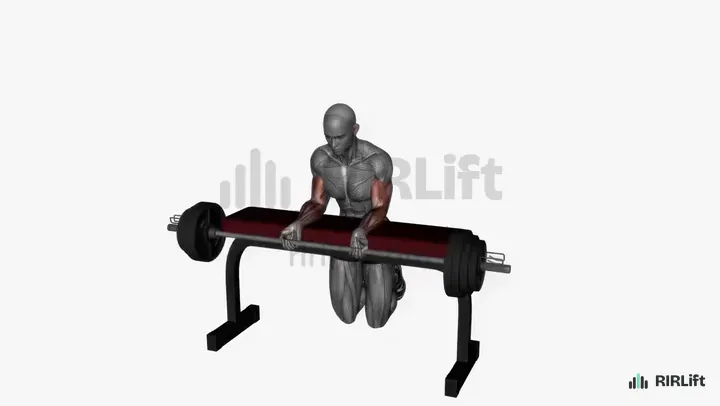
- Wrist Curl Forearms
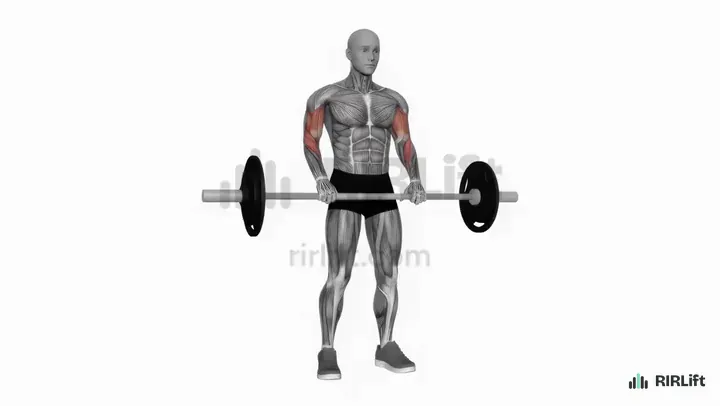
- Reverse Curl Biceps, Forearms
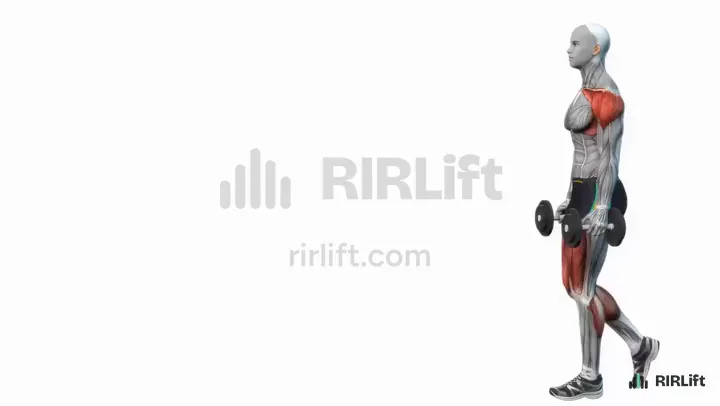
- Farmer's Walk Forearms, Traps, Shoulders
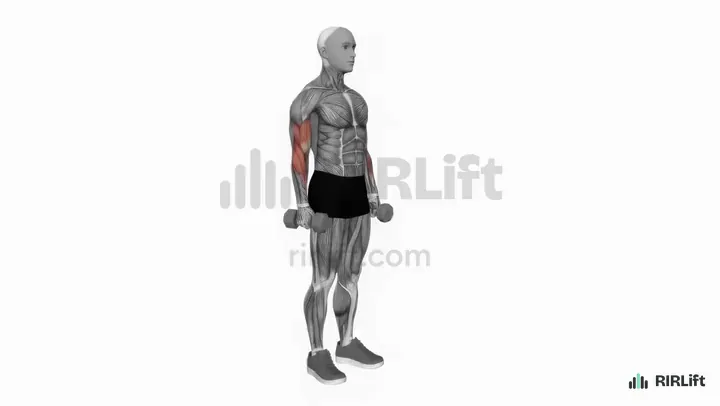
- Hammer Curl Biceps, Forearms
- Reverse Wrist Curl Forearms
- Dead Hang Forearms
- Plate Pinch Deadlift Forearms
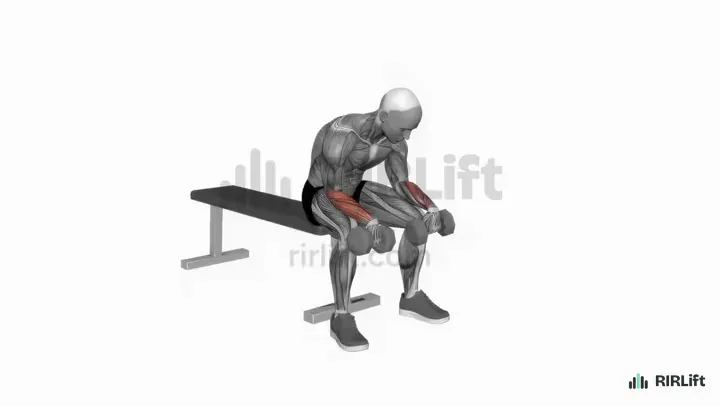
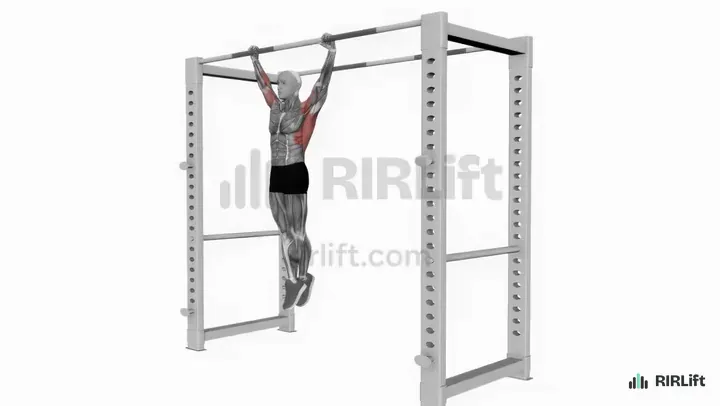
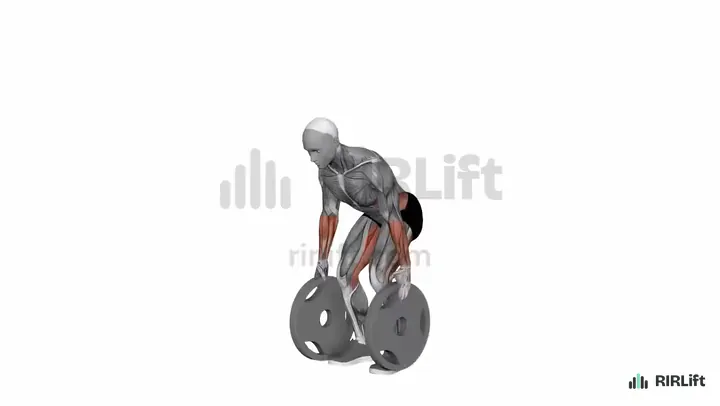
Put them together: example sessions
Each session below picks from the exercises above for one situation, with the sets, reps, rest and RIR filled in.
-
Session 1
Bigger forearms in a gym
You lift in a gym, your arms are growing, and your forearms look small next to them.
2× a week · 18 sets a week · ~20 min
-
Session 2
Your grip gives out on deadlifts and pull-ups
Your back and legs could do more, but the bar slips out of your hands on deadlifts, rows or high-rep pull-ups.
2× a week · 16 sets a week · ~20 min
-
Session 3
Training forearms at home with dumbbells only
You train at home with adjustable dumbbells and no bar, cable or plates.
2× a week · 20 sets a week · ~20 min
Session 1
Bigger forearms in a gym
- Workouts2× a week
- Working sets18 a week
- Per workout~20 min
- EquipmentBarbells, Dumbbells, Adjustable Cable
You lift in a gym, your arms are growing, and your forearms look small next to them.
Each day pairs a curl for the brachioradialis with one side of the wrist and a heavy hold. That is 9 sets per session and 18 a week, enough to grow a muscle group that recovers quickly.
| Exercise | Sets × reps | RIR | Rest |
|---|---|---|---|
| Reverse Curl | 3 × 8–12 | 1 | 90 s |
| Wrist Curl | 3 × 12–20 | 1 | 1 min |
| Farmer's WalkSeconds, not reps. | 3 × 30–45 | 1 | 90 s |
| Exercise | Sets × reps | RIR | Rest |
|---|---|---|---|
| Hammer Curl | 3 × 8–12 | 1 | 90 s |
| Cable Wrist Extension | 3 × 12–20 | 1 | 1 min |
| Plate Pinch DeadliftSeconds per hold. | 3 × 20–40 | 2 | 90 s |
- How to run it
- Add each day to the end of a back or arm session, twice a week with two days between.
- How to progress
- Add reps until every set hits the top of its range at 1 rep in reserve, then add 5 lb or the next dumbbell size. On carries and pinches, add 5 seconds per set, then weight.
Session 2
Your grip gives out on deadlifts and pull-ups
- Workouts2× a week
- Working sets16 a week
- Per workout~20 min
- EquipmentPull-Up Bar, Dumbbells, Barbells
Your back and legs could do more, but the bar slips out of your hands on deadlifts, rows or high-rep pull-ups.
Grip responds best to long, heavy holds, and it recovers fast. Three holds per session, 8 sets, twice a week, without curls that would tire the arms you need for pulling.
| Exercise | Sets × reps | RIR | Rest |
|---|---|---|---|
| Dead HangSeconds per hang. | 3 × 30–60 | 1 | 90 s |
| Dumbbell Suitcase CarrySeconds per side. | 3 × 30–45 | 1 | 90 s |
| Plate Pinch DeadliftSeconds per hold. | 2 × 20–40 | 1 | 90 s |
- How to run it
- Twice a week, at the end of your pull or lower body days. Not right before a heavy deadlift session.
- How to progress
- Add 5 seconds per set until you reach the top of the range, then add weight: the next dumbbell size on carries, a heavier plate on pinches, and a light dumbbell between your feet on hangs.
Session 3
Training forearms at home with dumbbells only
- Workouts2× a week
- Working sets20 a week
- Per workout~20 min
- EquipmentDumbbells
You train at home with adjustable dumbbells and no bar, cable or plates.
Dumbbells cover every forearm job: a rotating curl, the extensors, rotation and a heavy carry. 10 sets in one session, run twice a week, is 20 sets, which works because forearm sets are short and recover fast.
| Exercise | Sets × reps | RIR | Rest |
|---|---|---|---|
| Zottman Curl | 3 × 8–12 | 1 | 90 s |
| Reverse Wrist Curl | 3 × 12–20 | 1 | 1 min |
| Dumbbell Wrist Pronation-SupinationPer arm. | 2 × 10–15 | 2 | 1 min |
| Farmer's WalkSeconds, not reps. | 2 × 40–60 | 1 | 90 s |
- How to run it
- Twice a week, on its own or after a home upper body session. Leave a day between.
- How to progress
- Aim for one more rep on each set every session. When you reach the top of every range, move up one dumbbell size; on rotations, hold the handle closer to the end to add leverage instead.
Make it fit you
-
Elbows ache from forearm work
Lighten the reverse curls first, they load the outside of the elbow most, and switch to hammer curls. Keep wrist curls slow and stop short of full extension at the bottom.
-
Training for climbing, grappling or a sport
Put dead hangs and plate pinches first and cut wrist curls to one set each. Holds that last 30 to 60 seconds match how grip is used in those sports.
-
Already doing heavy deadlifts and rows without straps
Your grip is getting trained. Drop the carries and spend the time on wrist curls and reverse curls for size.
-
Short on time
Superset a wrist curl with a reverse wrist curl, alternating with 45 seconds between. Three rounds take under 10 minutes.
-
Only a pull-up bar
Dead hangs, then one-arm hangs with the other hand on a towel, then towel hangs, train grip with no weights at all.
Questions
How do I build stronger forearms?
Train them twice a week with wrist curls, reverse wrist curls, a hammer or reverse curl and a heavy hold such as the farmer's walk, and add weight or time when you reach the top of each range. Stop using straps on lighter pulling sets too.
What are the 3 best exercises for building strong forearms?
The barbell wrist curl, the reverse curl and the farmer's walk. Between them they train the flexors, the brachioradialis and the extensors, and crushing grip.
How long do forearms take to build?
Expect a visible change over a few months of hard sets twice a week. Grip strength rises sooner, often within the first few weeks.
Do forearm workouts really work?
Yes. Forearm muscles grow like any other when sets are hard and the load goes up over time. They often look stubborn because they are rarely trained to failure; heavy lifting alone works them, but seldom close to their limit.
Can I train forearms every day?
You can, since they recover quickly, but two or three focused sessions a week build as much. Daily training makes sense only with light holds, not with hard sets.
Related templates
-
Bicep exercises for men: heavy curls, stretched curls and hammer curls
Hammer and reverse curls overlap with forearm work.
-
Forearm exercises with dumbbells: wrist curls, hammer curls and carries
More dumbbell-only forearm options.
-
Forearm exercises at home: grip, wrist and elbow work with the gear you own
Grip and wrist work with little or no equipment.
-
The best workout for forearms, for your situation
A forearm session ready to open in the app.
-
When to increase weight
When to add load on small lifts like wrist curls.